DbcultAccessing Vault...
5.9/10
Senior Film Conservator
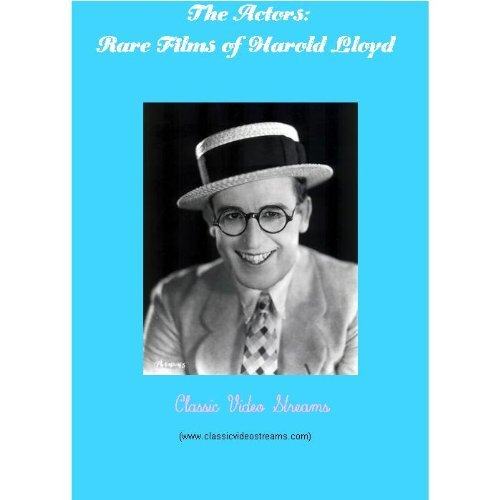
A definitive 5.9/10 rating for a film that redefined the boundaries of cult cinema. Spring Fever remains a cornerstone of transgressive art.
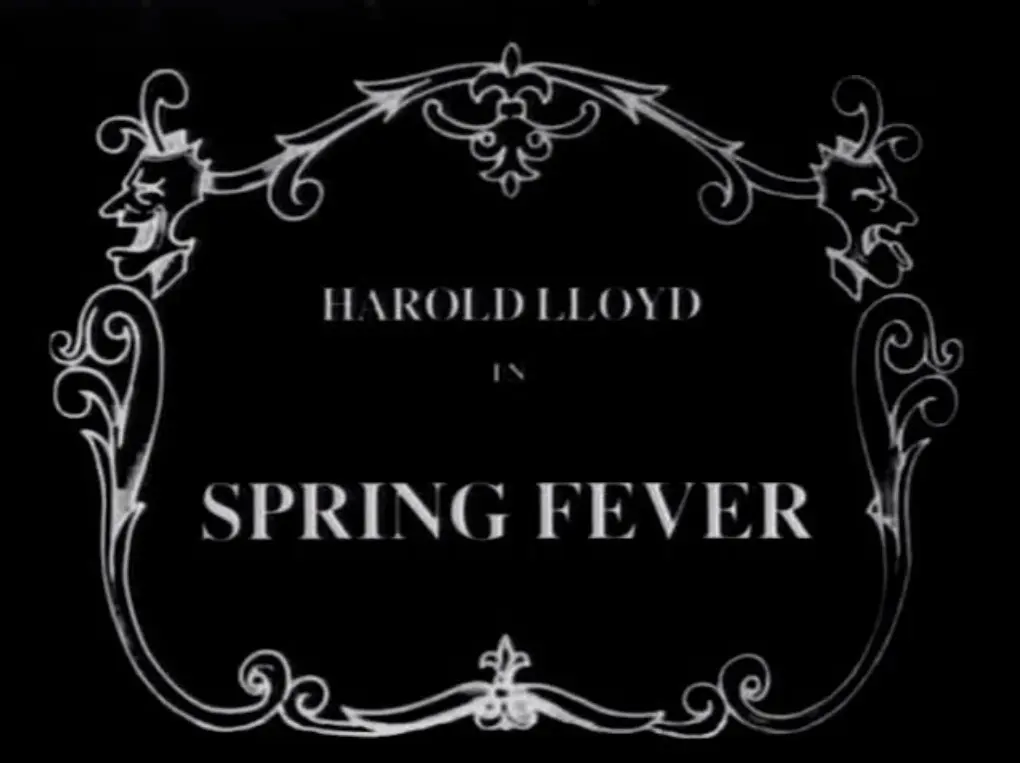
In the bustling, rapidly evolving landscape of early 20th-century cinema, amidst the melodramatic flourishes of grand epics and the burgeoning realism of social commentaries, there existed a unique magician of mirth: Harold Lloyd. His 'Glasses Character' – the earnest, ambitious, yet perpetually bemused everyman – carved out a distinctive niche, offering audiences a refreshing blend of relatable anxieties and spectacular physical comedy. Among his myriad short films, the 1919 gem, 'Spring Fever', stands as a quintessential example of his early genius, a delightful romp that transcends its simple premise to become a timeless ode to the human spirit's yearning for liberation.
This particular cinematic confection doesn't aim for the dizzying heights of his later feature-length masterpieces like 'Safety Last!' but instead focuses its considerable charm on a more intimate, universally understood conflict: the battle between civic duty and the primal, almost anarchic, urge to embrace the beauty of a perfect day. Lloyd's artistry here is in taking such a mundane, almost pedestrian, concept and elevating it through his unparalleled physical expressiveness and an innate understanding of comedic timing. It’s a film that resonates not just with the era it was made but with anyone who has ever felt the palpable tug of a sun-drenched afternoon while trapped within the confines of a soulless cubicle.
Our protagonist, Harold, is introduced as a diligent, if somewhat downtrodden, bookkeeper. His world is one of columns, ledgers, and the incessant scratching of a pen, a monochromatic existence sharply contrasted by the vibrant promise of the world outside. The office itself is a microcosm of urban industrialism – rigid, unyielding, and utterly devoid of natural light or spontaneous joy. It's a place where human vitality is meticulously quantified and contained, where the very act of living is reduced to numerical entries. Harold, with his signature spectacles and earnest demeanor, embodies the anonymous cog in the vast machinery of commerce, a figure designed to elicit both empathy and a quiet, knowing chuckle from the audience.
The narrative's central conflict is subtly yet powerfully established without a single spoken word. The spring weather, personified by glimpses of sunbeams, rustling leaves, and perhaps the distant chirping of birds (imagined, of course, in the silent era), becomes an almost sentient antagonist to Harold's professional obligations. It’s an external force of nature, an irresistible siren song beckoning him away from the drab realities of his employment. The internal struggle is palpable: the twitching fingers, the distracted gaze, the longing sighs that punctuate his attempts at concentration. Lloyd masterfully conveys this burgeoning discontent, laying the groundwork for the inevitable eruption of suppressed joy that is to follow.
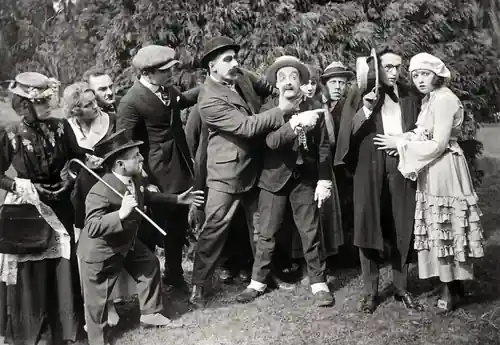
The moment of liberation, when Harold finally succumbs to the irresistible allure of the outside world, is depicted not with dramatic fanfare but with a quiet, almost conspiratorial glee. His escape from the office isn't a grand, rebellious act but a furtive, childlike dash towards freedom. Once outside, the film truly blossoms. The urban park transforms into a canvas for unadulterated joy, a stage upon which Harold performs a ballet of comedic exuberance. He romps, he tumbles, he cavorts with an abandon that is both infectious and deeply endearing. This sequence is where Lloyd’s physical prowess and his uncanny ability to blend athletic grace with comedic timing shine brightest.
The gags, while seemingly simple, are executed with precision and a delightful sense of escalating absurdity. From playful interactions with park-goers to improvised games born of sheer delight, every movement is designed to evoke laughter and a vicarious sense of release. It's a kinetic celebration of life, a visual poem dedicated to the simple pleasures that often elude us in our structured lives. The film doesn't rely on complex plot twists or intricate character development; its strength lies in the purity of its central idea and the masterful execution of that idea through movement and expression. The park becomes a symbol of possibility, a verdant antithesis to the grey monotony of the office, and Harold its joyful, if temporarily unhinged, prophet.
What truly distinguishes 'Spring Fever', and indeed much of Lloyd's early work, is his unparalleled ability to make the extraordinary feel utterly relatable. Harold is not a clown in the traditional sense; he is an aspirational figure, a stand-in for every audience member who has ever dreamt of breaking free from the shackles of routine. His physical comedy is never crude or purely for shock value; instead, it stems organically from his character's internal state and the external circumstances. His 'Glasses Character' allowed him a unique versatility: he could be vulnerable, determined, awkward, or triumphant, often all within the space of a single scene.
Unlike the tramp persona of Chaplin, which often positioned its character as an outsider looking in, or Keaton's stoic resilience, Lloyd's Harold was an insider trying to make good, a man perpetually striving for success and acceptance within the societal framework. This made his moments of rebellion, like his park escapade in 'Spring Fever', all the more potent and endearing. We root for him not just because he's funny, but because he embodies a part of ourselves that yearns for a momentary break from expectation. His gestures, his facial contortions, his entire physicality communicate volumes, painting a vivid picture of a soul briefly unburdened by the weight of the world.
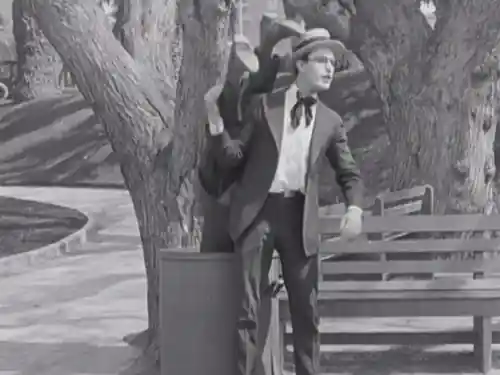
While undeniably a comedy, 'Spring Fever' subtly touches upon themes that resonate far beyond its runtime. It's a commentary on the burgeoning industrial age and its dehumanizing effects, implicitly contrasting the soul-crushing routine of the office with the life-affirming freedom of nature. The film argues, without ever preaching, for the vital importance of play, spontaneity, and connection with the natural world as antidotes to the stresses of modern life. It suggests that true wellness isn't found in productivity reports but in the simple, unadulterated joy of a moment seized.
Moreover, the film, in its depiction of Harold's brief rebellion, celebrates the individual spirit's capacity for resistance against conformity. It's a gentle, humorous form of anarchism, where the greatest act of defiance is to simply choose happiness over obligation, if only for an hour. This underlying message of human resilience and the pursuit of joy makes 'Spring Fever' more than just a series of gags; it's a poignant reminder of what it means to be alive and to occasionally, gloriously, succumb to the sheer pleasure of existence. This lighter approach to human struggle stands in stark contrast to the often intense dramatic narratives prevalent in the era, such as The Sorrows of Love or the psychological explorations found in films like Under the Gaslight, showcasing the diverse emotional palette of silent cinema.
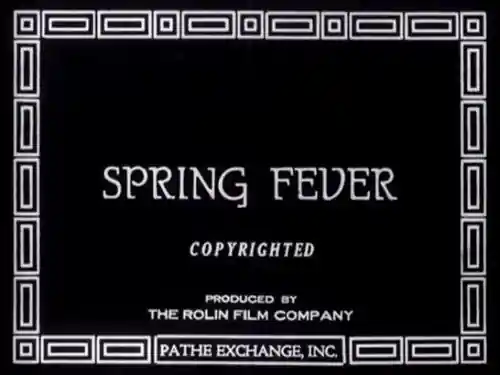
The craft behind 'Spring Fever', directed by Fred C. Newmeyer, is a testament to the ingenuity of silent filmmakers. Without the crutch of dialogue, every visual element, every gesture, every cut had to be meticulously planned to convey meaning and elicit response. The pacing is brisk, perfectly suited to the short film format, ensuring that the comedic momentum never wanes. The cinematography, though perhaps rudimentary by today's standards, effectively captures the contrast between the oppressive interior and the expansive exterior, guiding the viewer's eye and reinforcing the film's central thematic tension.
The supporting cast, featuring talents like Bebe Daniels, Lige Conley, and Bud Jamison, though often in brief appearances, contribute to the vibrant tapestry of the park scenes. They serve as foils, collaborators, or simply fellow denizens of the public space, reacting to Harold's antics and further grounding his fantastical escape in a believable, if exaggerated, reality. Their reactions, captured through expressive silent acting, enrich the comedic tableau, making the park feel like a truly living, breathing environment where anything can happen.
This era of filmmaking was characterized by a raw energy and an experimental spirit, where creators were constantly discovering the language of cinema. 'Spring Fever', in its unpretentious joy, captures this spirit perfectly. It's a film made with an understanding of universal human desires and an effortless command of the visual medium, proving that sometimes the simplest stories yield the most profound and lasting enjoyment. It stands as a beacon of pure comedic intent, distinguishing itself from the more dramatic or suspenseful offerings of the period like Shadows of the Moulin Rouge, which delved into urban mysteries, or the more action-oriented Rough-Riding Romance.
Over a century after its release, 'Spring Fever' retains its power to charm and delight. Its message is timeless: the necessity of breaking free, even if just momentarily, from the strictures of daily life to embrace joy and spontaneity. Harold Lloyd's performance is a masterclass in silent comedy, demonstrating how much can be conveyed through expression, movement, and an unerring sense of fun. It serves as a gentle reminder that sometimes, the most profound forms of happiness are found not in grand achievements, but in the simple act of abandoning oneself to the moment, particularly when that moment is bathed in the glorious light of a perfect spring day.
The film is more than just a historical artifact; it's a living, breathing testament to the universal human condition. It speaks to the part of us that longs for escape, that craves sunshine, and that understands the restorative power of a good, uninhibited romp. As such, 'Spring Fever' remains a vital, joyous piece of cinematic history, a small but perfectly formed diamond in Harold Lloyd's illustrious filmography, and a delightful tonic for the soul in any season.
It stands in the annals of cinema not just as an example of early comedic brilliance but as a enduring piece of art that understands the human heart. Its unpretentious narrative and masterful execution ensure its place as a perennial favorite, a film that continues to inspire smiles and a longing for the kind of simple, unadulterated joy that only a perfect spring day, and a perfectly executed Harold Lloyd comedy, can truly deliver. This film, in its effervescent spirit, reminds us of the sheer variety and imaginative scope of early cinema, contrasting with the more earnest romantic pursuits often seen in films like Almost Married or the dramatic tension of The Stormy Petrel, proving that laughter, too, can be a profound cinematic experience.
IMDb —
1915
Community
Log in to comment.