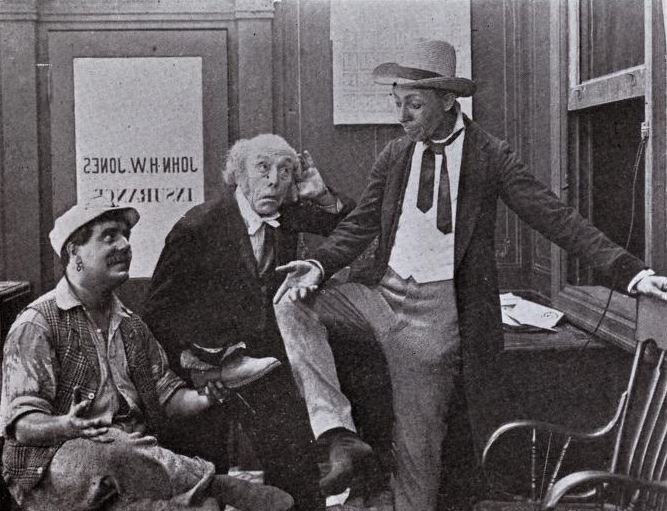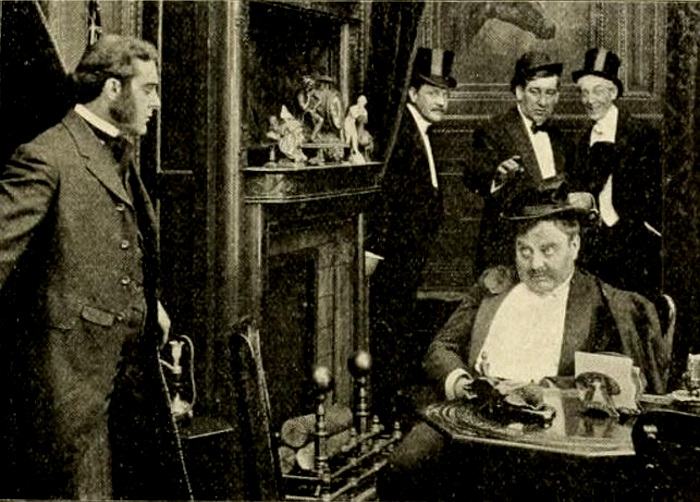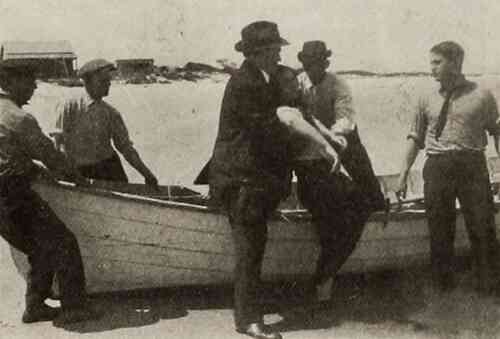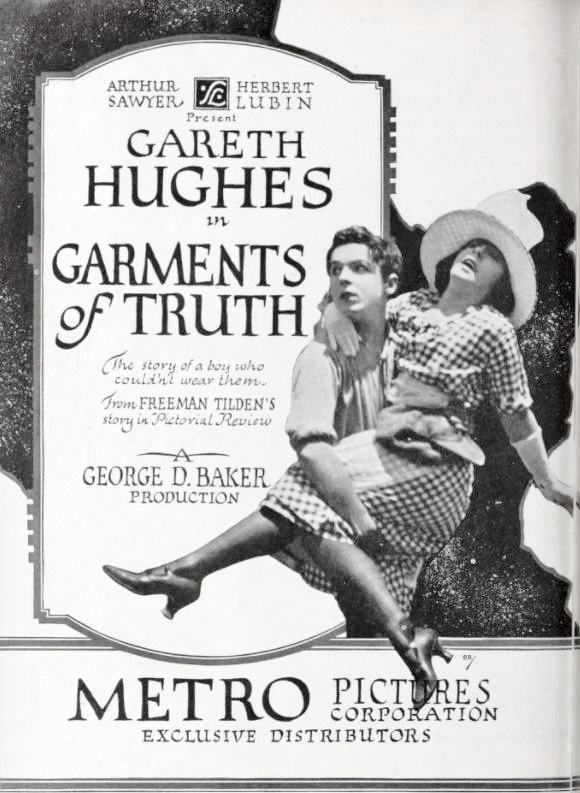
Lester Crope, who has a penchant for inventing imaginative stories, alarms his village by reporting that the dam above the mayor's house has burst; incidentally he "saves" the life of Catherine Willis, the mayor's niece. The town council sends Lester to Dr.
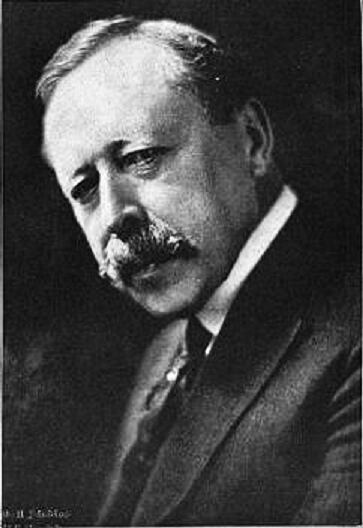
Lester Crope’s tongue is a weather-vane rigged to spin at any breeze of boredom, and in Garments of Truth that breeze gusts until the whole town is stripped bare. Imagine, if you will, a Norman Rockwell canvas suddenly invaded by a prankster wielding a neon spray-can: that is the tonal whiplash Freeman Tilden’s scree...
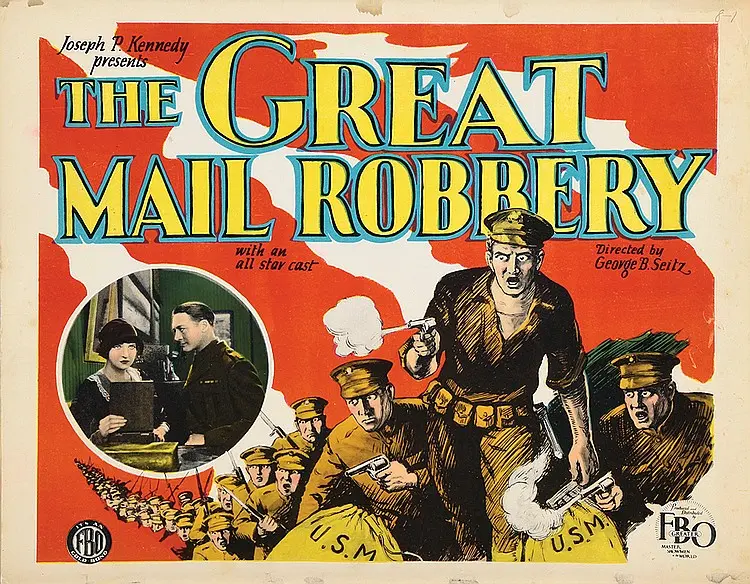
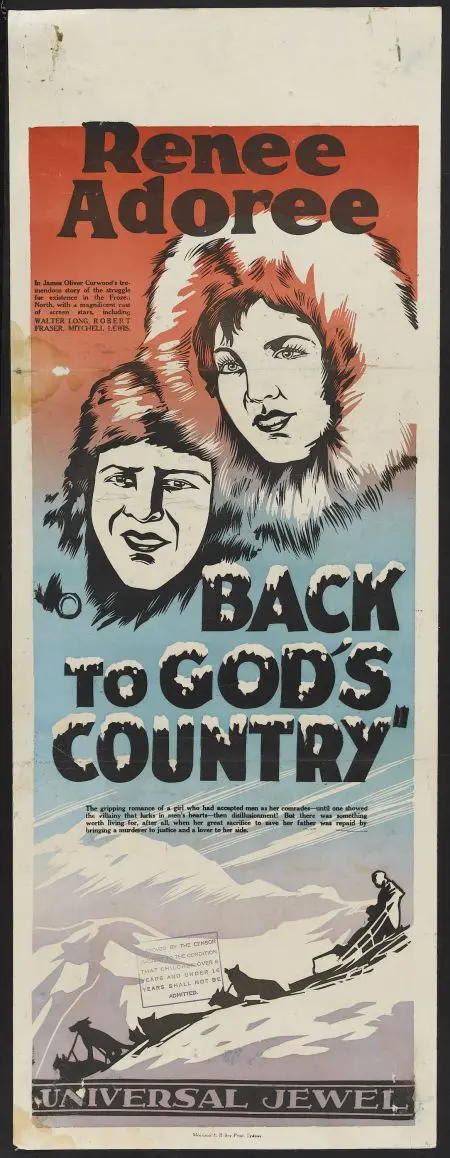
Comparing the cinematic DNA and archive impact of two defining moments in cult history.
George D. Baker
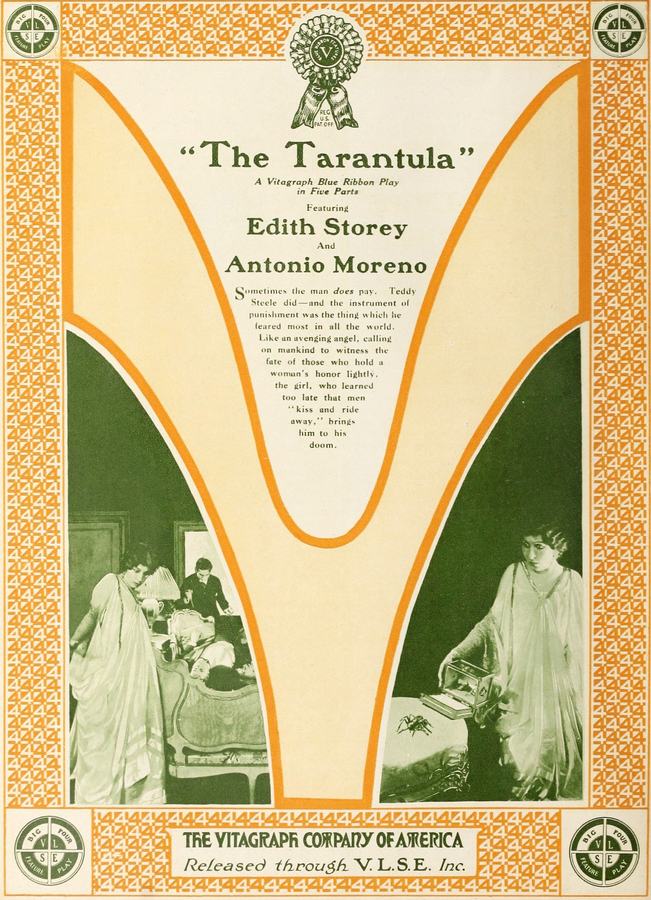
George D. Baker
Community
Log in to comment.
" Lester Crope’s tongue is a weather-vane rigged to spin at any breeze of boredom, and in Garments of Truth that breeze gusts until the whole town is stripped bare. Imagine, if you will, a Norman Rockwell canvas suddenly invaded by a prankster wielding a neon spray-can: that is the tonal whiplash Freeman Tilden’s screenplay achieves. The opening reel, tinted in the pale aquamarine of early cinema, shows villagers husking corn and swapping bromides while the dam looms like a granite conscience ab..."
Ethel Grandin
Freeman Tilden
United States
Deep dive into the cult classic
Discover similar cinematic experiences
A Directorial Spotlight on George D. Baker