DbcultAccessing Vault...
6.8/10
Senior Film Conservator
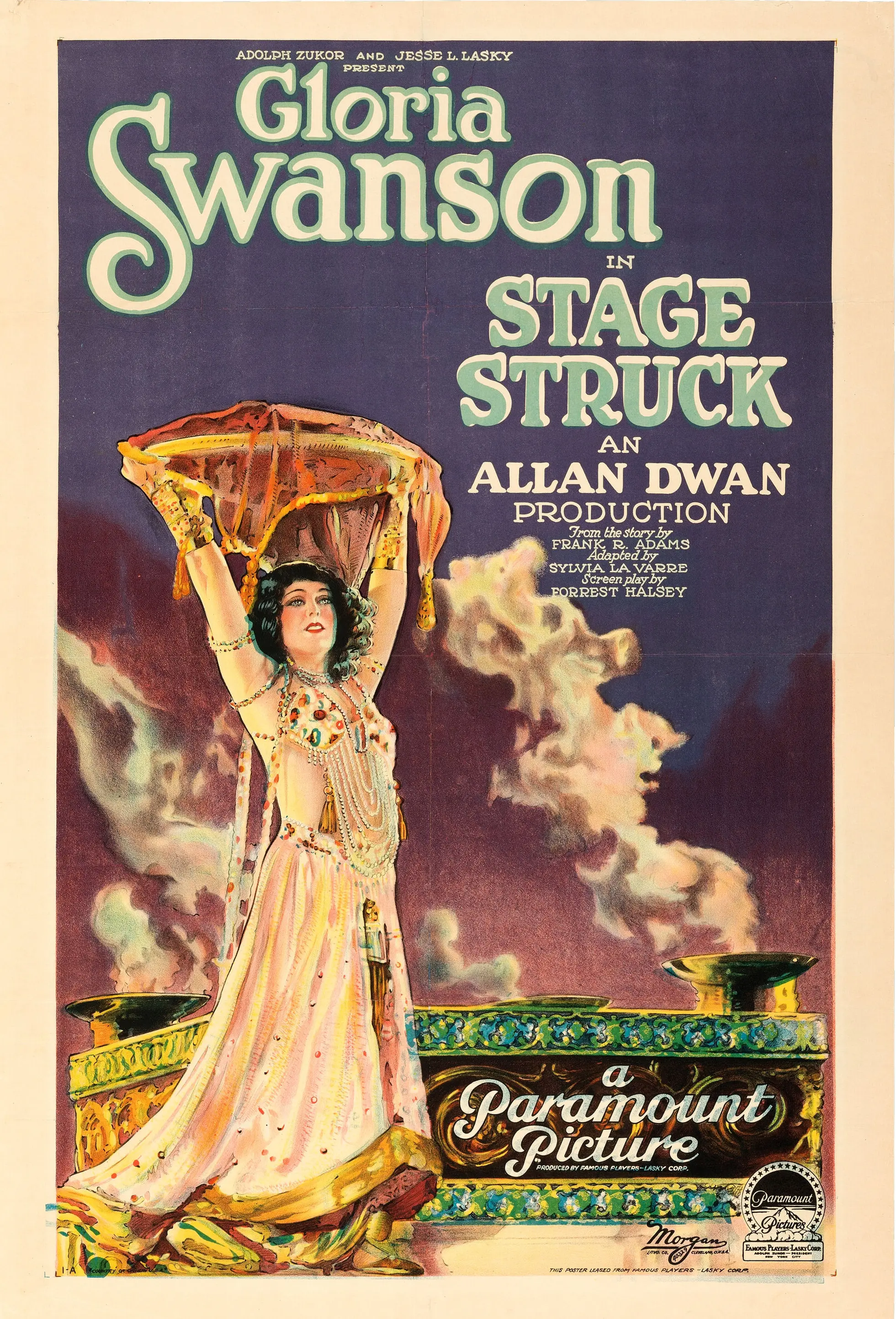
A definitive 6.8/10 rating for a film that redefined the boundaries of cult cinema. Stage Struck remains a cornerstone of transgressive art.
There's an undeniable magic to the silent era, a period where visual storytelling reigned supreme, demanding an almost balletic grace from its performers and a keen interpretive eye from its audience. Among the glittering constellations of stars that illuminated this epoch, Gloria Swanson shone with a particular, incandescent brilliance. Her performance in Allan Dwan's 1925 romantic comedy, Stage Struck, is a testament to her unparalleled charisma and a delightful exploration of the universal human yearning for something more, for a spotlight that transcends the mundane. This film isn't merely a quaint relic; it's a vibrant, often hilarious, and surprisingly poignant narrative that continues to resonate with its timeless themes of aspiration, jealousy, and the intoxicating allure of the theatrical dream.
To speak of Stage Struck without first lauding Gloria Swanson would be to miss the very heart of its appeal. As Louise Carver, the ambitious yet naive small-town waitress, Swanson delivers a performance that oscillates between broad physical comedy and nuanced emotional depth with astonishing fluidity. Her ability to convey a whirlwind of feelings – from wide-eyed optimism to seething jealousy, from clumsy vulnerability to defiant strength – using only her expressive face, gestures, and the subtle shifts of her posture is nothing short of masterful. We see her meticulously practicing dramatic scenes, using kitchen utensils as props, her imagination transforming a humble diner into a grand theatrical stage. This visual shorthand, a staple of silent film, is elevated by Swanson's magnetic presence, making Louise's dreams palpably real to the viewer.
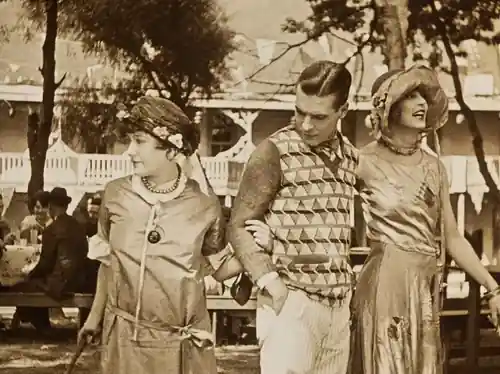
Swanson’s comedic timing is impeccable. The sequence where she attempts to outshine the sophisticated actress Lillian Travers (Gertrude Astor) by dramatically overacting, or her clumsy endeavors to cook an elaborate meal, are pure comedic gold. Yet, beneath the laughter, there's a genuine pathos to Louise's struggle. She isn't just a caricature; she's a young woman grappling with societal expectations, personal insecurities, and the intoxicating pull of a dream that feels just out of reach. Her journey echoes the aspirations seen in films like Eyes of Youth, where young women confront life-altering choices, or even the more adventurous spirit of Real Adventure, albeit with a distinctly comedic lens. Swanson's embodiment of Louise is a vibrant testament to her range, proving that she was far more than just a glamour icon; she was a formidable actress capable of commanding both laughter and sympathy.
The plot, while seemingly straightforward, unravels with charming complexity. Louise Carver, a waitress in a sleepy river town, harbors grand theatrical ambitions. Her boyfriend, Orme Wilson (Lawrence Gray), a dashing riverboat captain, provides a stable if somewhat uninspiring presence in her life. The arrival of Lillian Travers, a professional actress whose steamboat breaks down, introduces the crucial catalyst for conflict. Travers, with her polished sophistication and undeniable stage presence, instantly captivates Orme, igniting a fierce jealousy within Louise. This triangular dynamic, a timeless narrative device, is handled with a light touch, emphasizing the comedic potential of Louise's desperate attempts to compete.
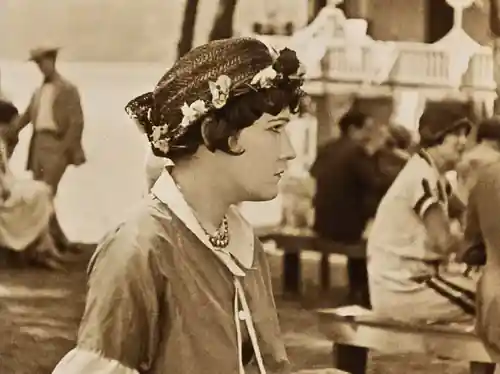
"Stage Struck" masterfully blends the earnestness of youthful dreams with the farcical realities of human insecurity, creating a narrative tapestry that is both deeply relatable and wonderfully entertaining.
The film cleverly uses the stage as both a literal setting and a powerful metaphor. For Louise, the stage represents escape, validation, and a life beyond the ordinary. Her dreams are not merely about fame, but about self-expression and proving her worth. The confrontation between Louise and Lillian, initially fueled by romantic rivalry, transforms into a battle of wills and perceived artistic merit. Louise's desperate attempt to perform, to prove herself a better actress than her rival, is both heartbreaking and hysterically funny. It's a testament to the writers Frank R. Adams, Forrest Halsey, and Sylvia LaVarre, who crafted a story that, despite its era, speaks to the enduring human desire for recognition and the often-absurd lengths to which we go to achieve it.
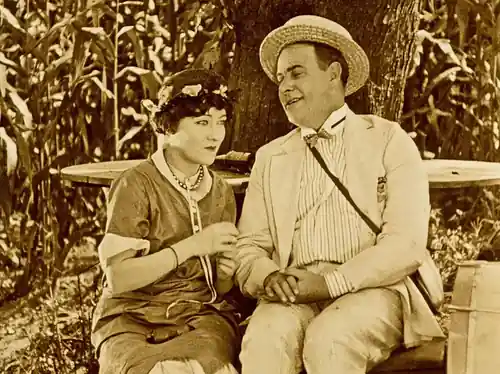
The film’s exploration of rivalry and ambition finds echoes in other silent dramas of the period. One might draw parallels to the competitive spirit in films like Naked Hearts, where emotional stakes run high, or even the more direct confrontations present in The Danger Line, though Stage Struck always maintains its comedic buoyancy. The writers skillfully navigate these themes, ensuring that the humor never undermines the underlying emotional truth of Louise's journey.
Allan Dwan, a prolific and influential director of the silent era, brings a keen eye for visual storytelling and a masterful sense of pacing to Stage Struck. His direction is unobtrusive yet highly effective, allowing the actors, particularly Swanson, to shine. Dwan understands the power of the close-up, using it to capture the subtle nuances of Swanson's expressions, drawing the audience intimately into Louise's emotional world. The broader comedic sequences are choreographed with precision, ensuring that the physical gags land with maximum impact without descending into mere slapstick.
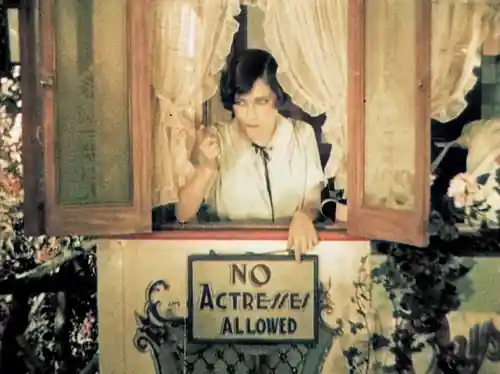
The film's visual composition is consistently engaging. Dwan utilizes the riverboat setting to great effect, creating dynamic backdrops that contrast sharply with the confined domesticity of Louise's home. The transition between these settings helps to underscore Louise's internal conflict – the pull between her ordinary life and her extraordinary dreams. This visual dynamism is a hallmark of Dwan's craft, reflecting a sophisticated understanding of how to guide the audience's gaze and enhance the narrative through purely visual means. His work here, like in many of his films, demonstrates a director fully in command of the silent medium's unique language.
While Swanson is undoubtedly the star, the supporting cast provides crucial anchors and comedic foils. Lawrence Gray, as Orme Wilson, embodies the well-meaning but somewhat oblivious romantic lead. His performance is understated, allowing Swanson's more flamboyant character to take center stage, yet he effectively conveys Orme's affection for Louise and his momentary susceptibility to Lillian's charms. Ford Sterling, known for his comedic roles, adds a layer of gentle humor, particularly in his interactions with Louise. Emil Hoch and Carrie Scott, as the owners of the diner, provide a grounding presence, representing the conventional world Louise yearns to escape.
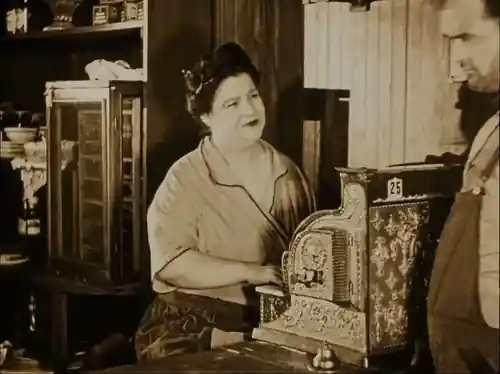
Gertrude Astor, as the rival actress Lillian Travers, is perfectly cast. She projects an air of sophisticated elegance and effortless charm, making her a credible threat to Louise's romantic aspirations. Astor doesn't play Lillian as a villain, but rather as a confident, established professional, which makes Louise's jealousy feel all the more authentic. The dynamic between Swanson and Astor is a highlight, creating a compelling tension that drives much of the film's comedic and dramatic energy. The synergy among these performers, under Dwan's direction, elevates the film beyond a simple star vehicle into a well-rounded ensemble piece, much like the intricate character dynamics found in The Betrothed or The Third Generation, though with a distinct comedic purpose here.
Released in 1925, Stage Struck offers a fascinating window into the cultural zeitgeist of the Roaring Twenties. It was an era of burgeoning modernity, shifting social mores, and an insatiable appetite for entertainment. The allure of the stage, and increasingly, the silver screen, was immense. For young women like Louise, the theatrical world represented a path to independence, glamour, and a life far removed from the drudgery of domesticity or small-town work. The film subtly touches upon these societal aspirations, reflecting a time when dreams of stardom were becoming increasingly accessible, or at least, increasingly fantasized about.
The juxtaposition of Louise's humble background with the sophisticated world of professional actresses highlights the class distinctions and aspirational gaps of the period. Yet, the film ultimately champions the underdog, suggesting that authenticity and genuine passion can triumph over perceived social superiority. This underlying message of democratic opportunity within the entertainment sphere was a powerful one for its time and remains a comforting fantasy today. The film's lighthearted approach to these themes makes it an accessible and enjoyable historical artifact, less didactic than some more overtly social dramas like The Majesty of the Law, but still offering insight.
Beyond the performances and narrative, the technical artistry of Stage Struck deserves commendation. The cinematography, while typical of its era, effectively captures the contrasting environments. The sun-drenched river scenes evoke a sense of idyllic Americana, while the interiors of the diner and the theatrical settings are crafted to enhance the narrative. Swanson’s costumes, even in the context of Louise’s humble beginnings, are carefully chosen to reflect her character’s journey and aspirations. From her simple waitress uniform to the more elaborate (and comically ill-fitting) theatrical garb, every visual element contributes to the storytelling.
The use of intertitles, a vital component of silent cinema, is skillfully integrated, providing necessary dialogue and exposition without interrupting the visual flow. They are often witty, complementing the film's comedic tone. The pacing, as mentioned, is brisk and engaging, a testament to Dwan's experience and the collaborative effort of the entire production team. This attention to detail, from set design to the smallest gesture, ensures that the film remains visually appealing and narratively coherent, a quality shared by other well-crafted silent features like The Seven Swans or The Brand of Lopez.
Nearly a century after its release, Stage Struck continues to captivate audiences, not merely as a historical curiosity, but as a genuinely entertaining and well-crafted film. Its enduring appeal lies in several factors: Gloria Swanson's iconic performance, its charmingly universal themes, and Allan Dwan's expert direction. It serves as a vibrant reminder of the power of silent cinema to communicate complex emotions and stories without a single spoken word.
For those new to the silent era, it provides an accessible entry point, showcasing the genre's capacity for humor and heart. For seasoned enthusiasts, it reaffirms Swanson's status as one of cinema's truly great stars. The film's message about pursuing one's dreams, navigating the treacherous waters of jealousy, and ultimately finding self-acceptance, remains as relevant today as it was in 1925. It’s a delightful confection that leaves a lasting, sweet impression, proving that some stories, and some stars, truly are timeless. Like the discovery of a hidden gem, such as Whispers or Little Italy to modern audiences, Stage Struck offers a refreshing dive into the forgotten brilliance of early filmmaking, a true testament to the artistry of silent cinema.
IMDb 6.9
1935
Community
Log in to comment.