DbcultAccessing Vault...
5.6/10
Senior Film Conservator
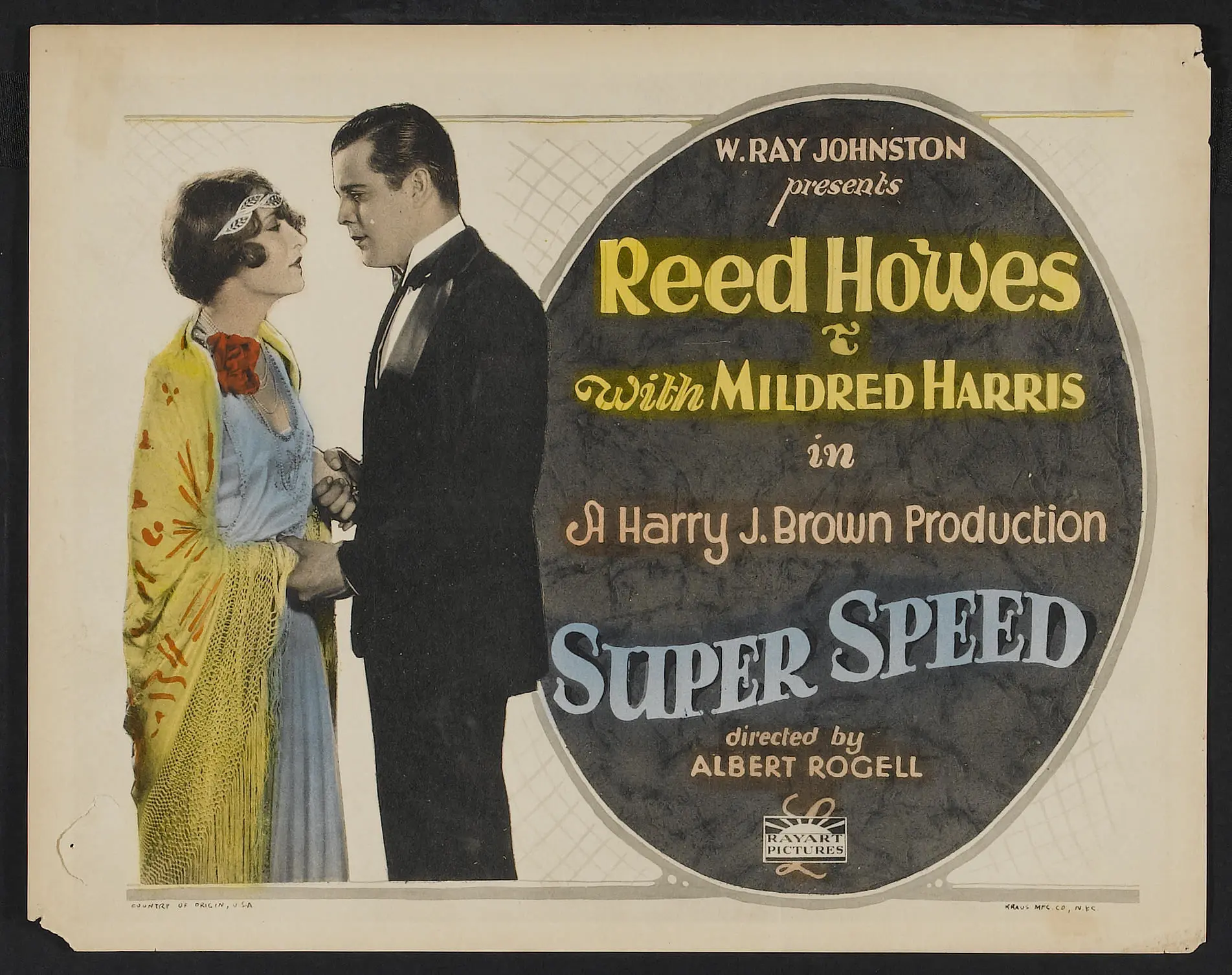
A definitive 5.6/10 rating for a film that redefined the boundaries of cult cinema. Super Speed remains a cornerstone of transgressive art.
Is Super Speed, a silent film from 1925, worth watching today? Short answer: yes, but with significant caveats. This rarely seen relic offers a fascinating glimpse into the nascent days of cinematic storytelling, particularly for those with a deep appreciation for the silent era's unique charm and challenges.
It's a film for the dedicated cinephile, the historian, or anyone curious about how foundational narrative structures were laid. It is decidedly NOT for the casual viewer seeking modern pacing, complex character arcs, or high-definition spectacle.
Super Speed arrives as a largely forgotten entry in the filmography of its era, yet it carries the DNA of a thousand stories that would follow. It’s a tale steeped in invention, ambition, and the timeless struggle against corporate greed, all wrapped in a burgeoning romance. The narrative, while straightforward, attempts to weave together disparate elements: the humble, honest work of a truck driver, the high-stakes world of automotive innovation, and the insidious undercurrent of legal machination.
At its core, the film explores the clash between the purity of invention and the corrupting influence of power, a theme that resonates even a century later. It’s a classic David-and-Goliath setup, with young, earnest Pat O'Farrell standing against the calculating lawyer Stanton Wade. The romance between Pat and Claire Knight acts as the emotional anchor, a familiar trope that grounds the more technical and villainous plot points.
The film’s reliance on visual storytelling, given its silent nature, means that every gesture, every facial expression, and every intertitle must pull its weight. This is where Super Speed sometimes shines and sometimes falters. When it works, the audience is drawn into the drama; when it doesn’t, the narrative can feel clunky and obvious.
The plot of Super Speed, as outlined, is a fairly standard melodrama for its time. Pat O'Farrell, played by Reed Howes, is a wealthy young man who, for reasons perhaps best understood in the context of early 20th-century ideals of self-reliance, takes a job as a truck driver for his uncle's milk company. This seemingly mundane setup immediately introduces a sense of grounded realism, contrasting with his inherent privilege.
His encounter with Claire Knight (Mildred Harris), daughter of a prominent car manufacturer, injects the romantic element. Their budding relationship serves as the emotional core, providing a personal stake in Pat’s broader ambitions. It’s a classic meet-cute that quickly escalates into a deeper connection, albeit one often communicated through longing glances and dramatic gestures.
The introduction of "Dad" Perkins (George A. Williams) and his super-charger invention quickly shifts the narrative into the realm of industrial espionage. This is where the film finds its true dramatic tension. Pat’s financial backing of Perkins and his dream of integrating the super-charger into Knight race-cars sets up a clear goal. The stakes are raised when Perkins, with a naivety that borders on tragic, loans the invention to lawyer Stanton Wade (Sheldon Lewis).
Wade, naturally, is the quintessential silent film villain: scheming, avaricious, and utterly without scruples. Sheldon Lewis, known for his villainous turns in films like The City of Silent Men, embodies this role with relish. His intention to steal the invention for personal gain is telegraphed early and often, leaving no doubt as to his nefarious nature. Pat’s determination to stop him forms the backbone of the film's conflict.
The pacing, however, is where the film often stumbles. Early silent films frequently struggled with maintaining momentum, and Super Speed is no exception. Scenes can linger, movements can feel deliberate, and the narrative progression, while clear, often lacks the briskness modern audiences expect. There are moments of genuine excitement, particularly when the super-charger is demonstrated or when Pat confronts Wade, but these are interspersed with stretches that demand patience.
The acting in Super Speed is, as expected for the era, largely theatrical and expressive. Subtlety was not a common virtue in silent film; emotions were writ large on the actors' faces and bodies to compensate for the lack of dialogue. Reed Howes as Pat O'Farrell embodies the earnest, heroic lead with a boyish charm that makes him instantly likable. His determination is palpable, even if his character isn't particularly complex.
Mildred Harris, as Claire Knight, brings a delicate strength to her role. Her expressions convey both vulnerability and resolve, making her a compelling romantic interest. Harris, who famously was Charlie Chaplin's first wife, had a career that spanned decades, and her presence here is a reminder of her enduring appeal. Her scenes with Howes are some of the film's most naturalistic, a testament to their chemistry.
Sheldon Lewis as Stanton Wade is the standout villain. He chews scenery with a delightful menace, his every gesture dripping with deceit. From his sneering smiles to his furtive glances, Lewis ensures that Wade is a character you love to hate. His performance, while broad, is perfectly suited to the demands of the genre and provides a clear antagonist for Pat’s heroic endeavors.
The direction, credited to John Grey, is competent but rarely inspired. Grey manages to tell the story effectively, utilizing standard camera setups and editing techniques of the period. There are some interesting shots of the cars and the super-charger, attempting to convey the excitement of the technology, but these are not groundbreaking. The film does a decent job of establishing its settings, from the humble milk company to the more opulent Knight estate, giving a sense of the social strata at play.
One particularly memorable moment involves the visual representation of the super-charger's power. While the specifics are limited by the era's special effects capabilities, the film uses quick cuts and dramatic close-ups of gauges and spinning parts to suggest incredible speed and force. This sequence, though brief, highlights the film's attempt to convey the marvel of invention, a common thread in many silent films of progress and innovation.
The cinematography of Super Speed is functional, prioritizing clarity over artistic flourish. The black and white photography, as seen in available prints, showcases a standard approach to lighting and composition. There are no grand sweeping vistas or innovative camera movements that would mark it as a visually groundbreaking film like F.W. Murnau's The House Built Upon Sand from the same period. Instead, it relies on straightforward framing to convey information and emotion.
The tone of the film is largely earnest and optimistic, even in its moments of conflict. Despite the villain's machinations, there's a pervasive sense that good will ultimately triumph. This unwavering optimism is a hallmark of many films from the era, reflecting a cultural desire for clear moral victories. The romantic subplot, for instance, is treated with a sincerity that avoids cynicism.
However, this earnestness can sometimes border on naivety, especially in the character of "Dad" Perkins, whose trust in Wade seems almost willfully ignorant. This tonal consistency, while perhaps simplistic by modern standards, provides a comforting predictability for audiences familiar with early cinema.
An unconventional observation: The film's most compelling 'character' might just be the idea of the super-charger itself. It represents progress, hope, and vulnerability, driving the plot more effectively than some of the human motivations.
Absolutely, but only for a very specific audience. For the casual viewer accustomed to the rapid-fire editing and complex narratives of contemporary cinema, Super Speed will likely feel slow, simplistic, and perhaps even tedious. It lacks the groundbreaking artistry of a Griffith or a Lang, or the comedic genius of a Keaton or Chaplin.
However, if you approach it as a historical document, a window into the popular entertainment of the 1920s, it offers considerable value. It’s a film that illustrates how basic narrative arcs – love, ambition, betrayal, and redemption – were constructed in the absence of spoken dialogue. It's a foundational text, not a polished masterpiece.
Watching Super Speed allows one to appreciate the evolution of film language. You see the nascent attempts to build suspense, to convey character through gesture, and to create spectacle with limited resources. It’s a crucial stepping stone in cinematic history, showing the industry finding its feet before the advent of sound changed everything.
Super Speed is not a forgotten masterpiece, nor is it a cinematic disaster. It exists in that vast, intriguing middle ground of silent films that served their purpose well in their time but struggle to find a broad audience today. It works. But it’s flawed. Its value lies not in its artistic genius, but in its ability to transport us to a different cinematic era, showcasing the foundational elements of storytelling before sound revolutionized the medium.
For those willing to adjust their expectations and embrace the unique rhythm of silent cinema, there are rewards to be found in its earnest performances and clear-cut morality. It’s a film that reminds us of the roots of popular entertainment, a simple tale of good versus evil, love versus greed, all set against the exciting backdrop of early automotive innovation. If you've enjoyed other historical pieces like '49-'17 or even something more dramatic like If Marriage Fails, you might find a similar, if less polished, appeal here. Give it a chance, but bring your historical lens.
IMDb —
1925
Community
Log in to comment.