DbcultAccessing Vault...
2.6/10
Senior Film Conservator
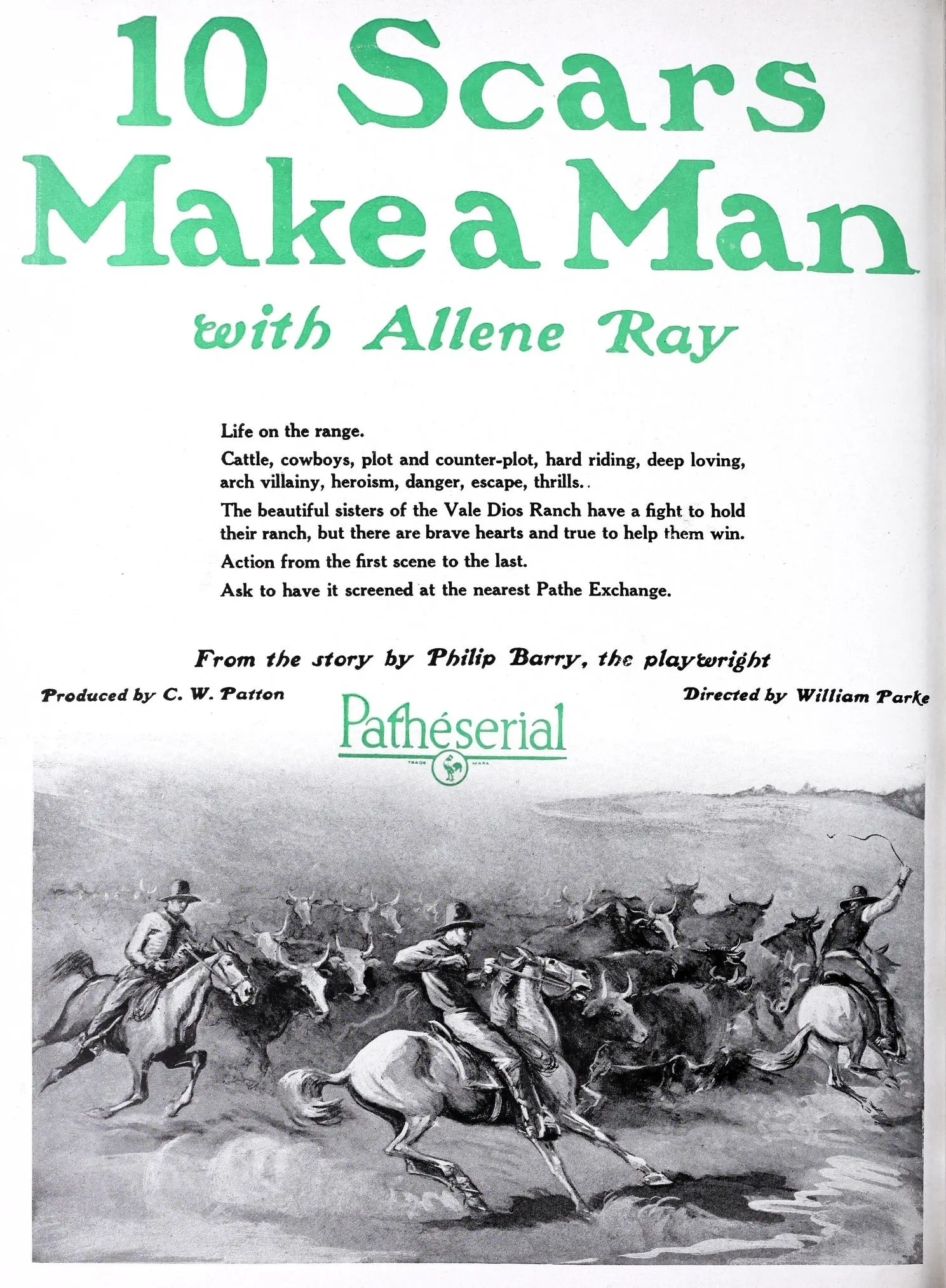
A definitive 2.6/10 rating for a film that redefined the boundaries of cult cinema. Ten Scars Make a Man remains a cornerstone of transgressive art.
To witness Ten Scars Make a Man in the contemporary era is to engage with a ghost—a flickering, sepia-toned specter of early 20th-century masculinity that refuses to be silenced by the passage of time. This 1924 serial, directed with a surprisingly modern sense of spatial awareness by William Parke, represents a pinnacle of the 'action-melodrama' that dominated the silent screens before the advent of the talkies. It is not merely a film; it is a ritualistic display of endurance. While many of its contemporaries, such as The Storm (1922), focused on the externalized fury of nature, this work internalizes the tempest, mapping the protagonist's growth through a series of literal and figurative lacerations.
The narrative engine, fueled by the sharp pen of Philip Barry, avoids the simplistic tropes of the era. Instead of a binary struggle between good and evil, we are presented with a world of gray scales. The protagonist, portrayed with a stolid, muscular grace by Jack Mower, is not born a hero; he is manufactured through the attrition of conflict. This thematic preoccupation with the 'self-made man'—quite literally sculpted by the scars of his experiences—echoes the naturalist intensity found in von Stroheim's Greed (1924), though Parke opts for a more adventurous, kinetic pacing that keeps the audience in a perpetual state of breathless anticipation.
One cannot discuss this production without paying homage to the electric presence of Allene Ray. As the 'Queen of the Serials,' Ray brings a level of agency to her role that was often denied to women in 1920s cinema. She is no mere damsel in distress; she is the moral compass and the tactical ally of Mower’s character. Their chemistry is not built on soft-focus glances but on shared peril. In scenes that recall the claustrophobic tension of In the Python's Den, the duo maneuvers through a series of set pieces that defy the limitations of their era’s technology. The stunts are raw, performed with a disregard for personal safety that lends the film an atavistic power.
The supporting cast, featuring the likes of Harry Woods and Frank Lanning, provides a formidable wall of antagonism. Woods, in particular, exudes a menacing charisma that makes the threat to our protagonists feel palpable and immediate. The villainy here isn't cartoonish; it is grounded in a recognizable human avarice, reminiscent of the darker turns in The Other Man's Wife, where domestic and social betrayals cut deeper than any blade.
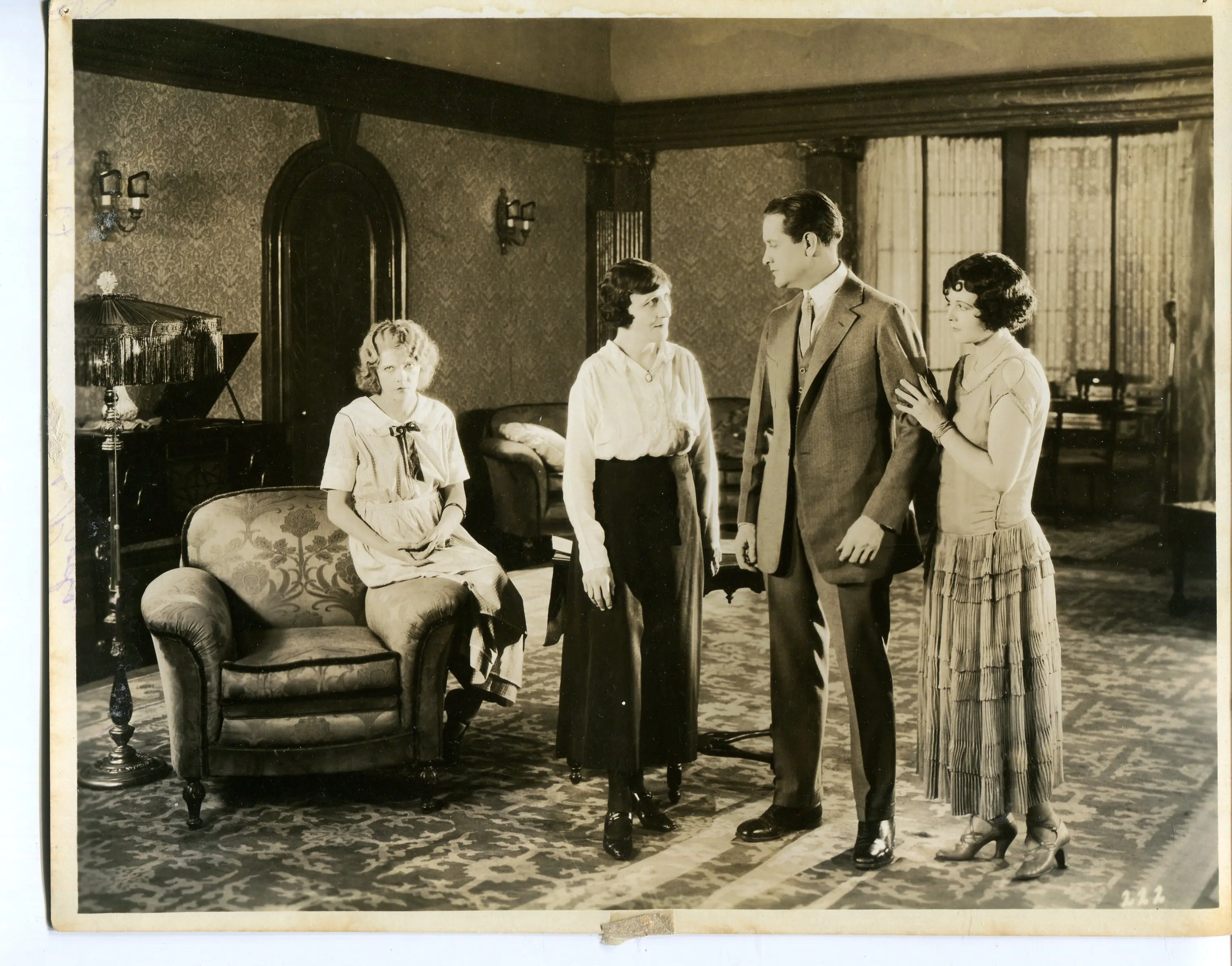
Visually, Ten Scars Make a Man is a triumph of early cinematography. The use of light and shadow—long before the term 'Film Noir' was coined—creates a sense of impending doom that permeates every frame. The outdoor locations are captured with a wide-angle grandeur that emphasizes the insignificance of man against the vastness of the frontier. This visual philosophy aligns the film with Whom the Gods Would Destroy, where the environment itself acts as a judgmental deity, demanding sacrifice from those who dare to tread its paths.
The editing, too, deserves scholarly attention. The cross-cutting between the escalating 'scars' or trials creates a rhythmic tension that is almost musical. Unlike the more languid pacing of Drama na okhote, Parke’s film moves with the precision of a locomotive. Each chapter ends on a cliffhanger that isn't just a plot device, but a psychological hook, forcing the viewer to reckon with the protagonist's deteriorating physical state and his burgeoning spiritual resilience.
When we look at other works of the period, such as The Man Unconquerable or Der Leibeigene, the definition of manhood is often tied to bloodlines or social standing. Ten Scars Make a Man subverts this by suggesting that identity is a fabrication of action. It rejects the inherited nobility found in The Deemster in favor of a meritocracy of scars. This is a blue-collar epic, a story for the laborers and the strivers who understood that every day was a battle for survival. The film shares a certain gritty DNA with Trigger Fingers, yet it elevates the western motif into something more existential.
The socio-political undertones are equally fascinating. Produced in the wake of the Great War, the film reflects a society obsessed with the physical manifestations of trauma. The 'scars' are not just marks of combat; they are symbols of a generation that returned from the trenches needing to prove they were still whole, even if their bodies were broken. In this way, the film serves as a precursor to the themes explored in His Convict Bride, where the stigma of the past must be overcome through extraordinary feats of the present.
Philip Barry’s writing provides a structural integrity often missing in the episodic nature of serials. There is a thematic through-line that connects the first scar to the last, a sense of inevitable destiny that makes the resolution feel earned rather than manufactured. We see echoes of this tight narrative weaving in As a Man Sows, where the consequences of one's actions are revisited with biblical intensity. However, Parke keeps the tone from becoming overly didactic by injecting moments of levity and sheer spectacle—reminding us that, at its heart, this is cinema as entertainment.
Contrast this with the more satirical or lighthearted fare of the time, like Hello, Judge or the youthful exuberance of Flickering Youth. Ten Scars Make a Man stands apart as a somber, almost religious experience. It treats the human body as a canvas upon which the universe paints its harshest lessons. Even when compared to the cynical world-building of Skinning Skinners, this film possesses a sincerity that is deeply moving. It believes in the possibility of redemption through suffering—a quintessentially American mythos that still resonates in our modern cinematic landscape.
As the final reel spins to a close, the viewer is left with a profound sense of the ephemeral nature of the silent era. So much of this film’s power lies in the unspoken—the flicker of pain in Mower's eyes, the defiant tilt of Ray's chin, the oppressive weight of the shadows. It is a masterclass in visual storytelling that requires no dialogue to convey its complex moral questions. The film asks us: what are we willing to endure to become the people we believe we should be? How many scars do we carry, and do they make us, or break us?
In the pantheon of 1920s cinema, Ten Scars Make a Man deserves a place alongside the greats. It is a work of rugged beauty, a brutalist poem of the frontier that continues to pulse with a raw, unyielding energy. For those willing to look past the grain and the silence, there is a vibrant, beating heart to be found—a heart that has been broken, healed, and scarred ten times over, and is all the stronger for it.
Reviewer's Note: While the full version of this serial remains a rarity in archival circles, the surviving fragments and contemporary accounts suggest a work of unparalleled ambition. It remains a crucial touchstone for understanding the evolution of the action hero in global cinema.
IMDb —
1922
Community
Log in to comment.