DbcultAccessing Vault...
Cult Review
Senior Film Conservator
Short answer: Yes, but only if you have a refined palate for the slow-burning psychological tension of the silent era. This film is for the dedicated cinephile who enjoys deconstructing social hierarchies and is definitely not for viewers who require fast-paced action or modern dialogue to stay engaged.
1) This film works because Adolphe Menjou delivers a performance of such restrained agony that it transcends the limitations of silent film technology.
2) This film fails because the second-act pacing feels like a repetitive slog through Chappel's misery without enough narrative momentum.
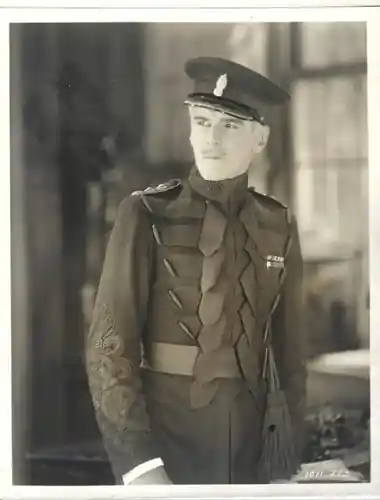
3) You should watch it if you are interested in the 'lost' era of sophisticated 1920s dramas that prioritize character psychology over plot gimmicks.
The Ace of Cads is worth watching today for its historical value and Adolphe Menjou's acting. It provides a window into the 1920s obsession with 'honor' and 'the cad' archetype. While the plot is a standard melodrama, the execution is surprisingly modern in its cynicism. If you appreciate films that explore the dark side of friendship and social standing, this is a solid choice.
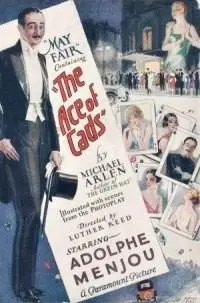
The Ace of Cads (1926) is a fascinating study in how quickly a life can be dismantled by a single, well-placed lie. Directed by Luther Reed and based on the work of Michael Arlen, the film dives deep into the aristocratic world of the British Guards. It isn't just about a love triangle; it is about the weaponization of reputation. When Basil frames Chappel, he isn't just stealing a woman; he is deleting Chappel's entire identity within the British social structure.
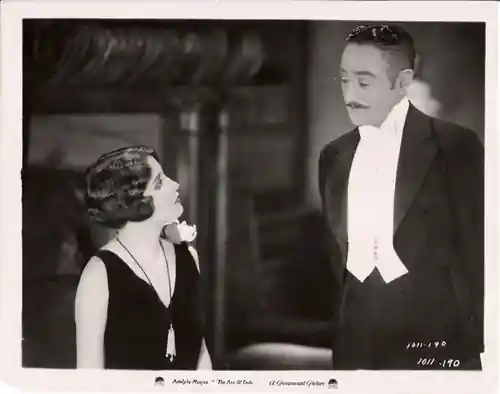
The scene where Chappel is stripped of his commission is particularly harrowing. The camera stays fixed on Menjou’s face as his character realizes that his 'friend' has not only taken his love but has systematically destroyed his future. Unlike the more expressive, almost frantic energy seen in The Third Degree (1926), Menjou remains eerily still. His eyes do all the heavy lifting, conveying a sense of betrayal that feels visceral even eighty years later.
This stillness is what sets the film apart from other melodramas of the time, such as Slaves of Pride. While other films relied on grand gestures to signal emotional distress, *The Ace of Cads* leans into the internal. It is a quiet destruction. The 'cad' of the title is a label forced upon Chappel, and the film effectively asks if the label makes the man, or if the man can survive the label.
Adolphe Menjou was often cast as the sophisticated, slightly oily gentleman—the man who knew exactly which fork to use and which heart to break. In *The Ace of Cads*, he subverts this image. He starts as the peak of military and social perfection, only to be ground down into a shell of a human being. His descent into alcoholism is handled with a surprising lack of sentimentality. It isn't a 'Hollywood' drunk; it’s a man who has lost his gravity.
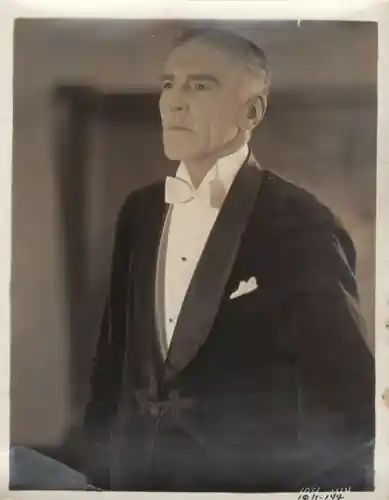
Consider the moment in the mid-film bar scene where Chappel attempts to maintain his dignity while his hands shake. It’s a small detail, but it speaks volumes about the character's internal collapse. This level of nuance is rare in silent cinema, which often favored the broad strokes seen in films like Blue Jeans or the more theatrical The Snarl. Menjou’s performance is a masterclass in subtlety.
Alice Joyce, as Eleanor, provides a necessary if somewhat static counterpoint. Her role is largely to be the object of desire and the catalyst for the tragedy. While she plays the part with grace, her character lacks the psychological depth given to Chappel. She is a victim of the same social rigidness that destroys Chappel, yet the film doesn't spend enough time on her perspective. It is a male-centric tragedy, for better or worse.
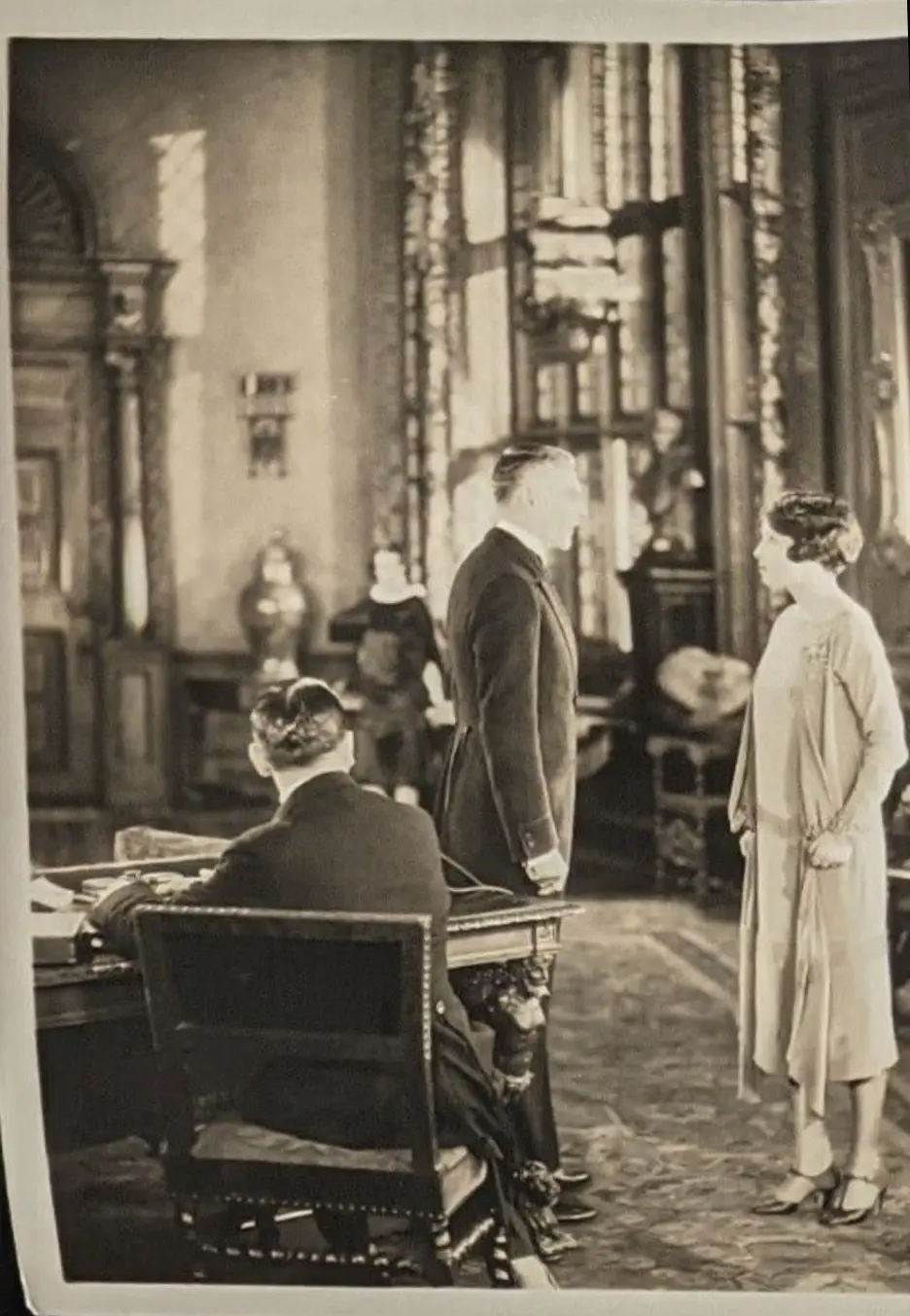
The visual language of *The Ace of Cads* is one of confinement. Even in the supposedly 'open' spaces of the military grounds or the high-society ballrooms, the framing feels tight. This creates a sense of claustrophobia that mirrors Chappel’s situation. He is trapped by the expectations of his class and the lies of his friend. The lighting, particularly in the later scenes of Chappel's disgrace, uses heavy shadows to emphasize his isolation.
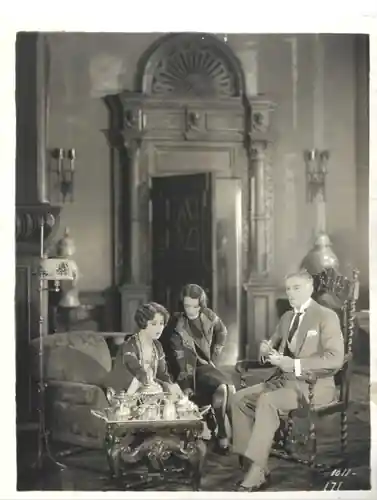
When compared to the rural aesthetic of Fiskebyn or the Americana feel of The Kentuckians, *The Ace of Cads* feels distinctly European in its gloom. There is a weight to the sets—the heavy velvet curtains, the polished wood of the officers' club—that makes the characters feel small and replaceable. The cinematography doesn't just record the actors; it reinforces the theme that the institution is more important than the individual.
One specific shot stands out: Chappel standing alone outside the gates of the barracks after being dismissed. The gates are massive, and he is a tiny figure in the corner of the frame. It’s a simple visual metaphor, but it’s executed with a precision that makes it stick in the memory. It works. But it’s flawed. The flaw lies in the film's refusal to fully commit to the darkness, often pulling back for more conventional narrative beats.
The biggest hurdle for modern viewers will be the film's middle section. After the initial betrayal and the fallout, the story enters a phase of 'complications' that feels stretched. Silent films often struggled with the transition between the setup and the resolution, and *The Ace of Cads* is no exception. There are moments where the plot seems to circle the drain, repeating the same emotional beats of Chappel's misery and Basil's guilt.
This is a common issue in adaptations of Michael Arlen’s work, which often prioritized atmosphere over tight plotting. If you’ve seen Castles for Two or The Song of the Soul, you’ll recognize this tendency toward the episodic. The film could have benefitted from a more aggressive edit in the second act to keep the tension from dissipating.
However, the tension does return for the final confrontation. The resolution, while somewhat predictable by today's standards, carries a heavy emotional payoff because of the groundwork laid in the first act. The film doesn't offer a 'happy' ending in the traditional sense; it offers a weary one. It is the ending of a man who has been through the war of social survival and has barely made it out alive.
Pros:
Cons:
Most critics focus on the betrayal, but the most interesting aspect of *The Ace of Cads* is actually the relationship between the men *before* the fall. There is an almost homoerotic intensity to Chappel and Basil's friendship that makes the betrayal feel like a personal violation rather than just a competition for a woman. If you view the film through the lens of a broken bromance rather than a traditional love triangle, the emotional stakes become much higher. This isn't just a man losing a girlfriend; it's a man losing his mirror image.
This subtext makes the film far more modern than its contemporaries, like The Woman God Sent or Mad Love. It suggests that the real tragedy isn't the loss of Eleanor, but the destruction of the only person Chappel truly trusted. Basil’s guilt in the latter half of the film supports this reading; he isn't just guilty because he lied, he is guilty because he killed the best part of himself.
*The Ace of Cads* is a superior silent drama that deserves more recognition than it currently receives. While it suffers from some of the era's typical structural issues—most notably a sagging middle—it is elevated by a leading performance that feels remarkably contemporary. It is a film about the weight of a name and the ease with which it can be tarnished. It is not a masterpiece, but it is a deeply competent and emotionally resonant piece of cinema.
If you are looking for a film that explores the darker corners of the human heart without the need for explosions or high-speed chases, this is it. It is a quiet, devastating look at what happens when honor is traded for obsession. For those willing to put in the time, *The Ace of Cads* offers a rewarding experience that lingers long after the final frame. Compared to films like Never Say Die or My Pal, it is a much more serious and substantial work of art.
IMDb —
1921
Community
Log in to comment.