DbcultAccessing Vault...
7.1/10
Senior Film Conservator
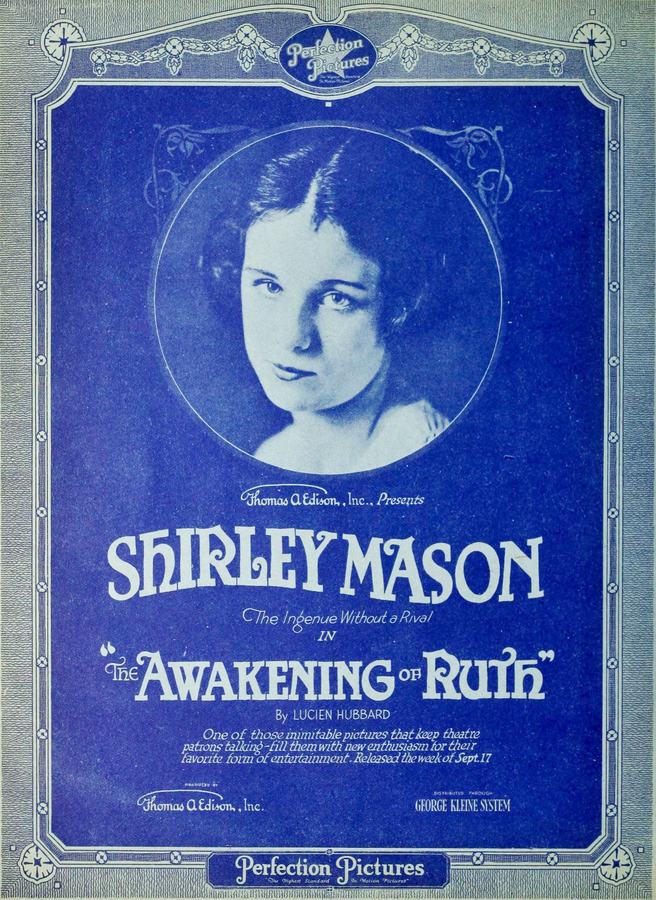
A definitive 7.1/10 rating for a film that redefined the boundaries of cult cinema. The Awakening of Ruth remains a cornerstone of transgressive art.
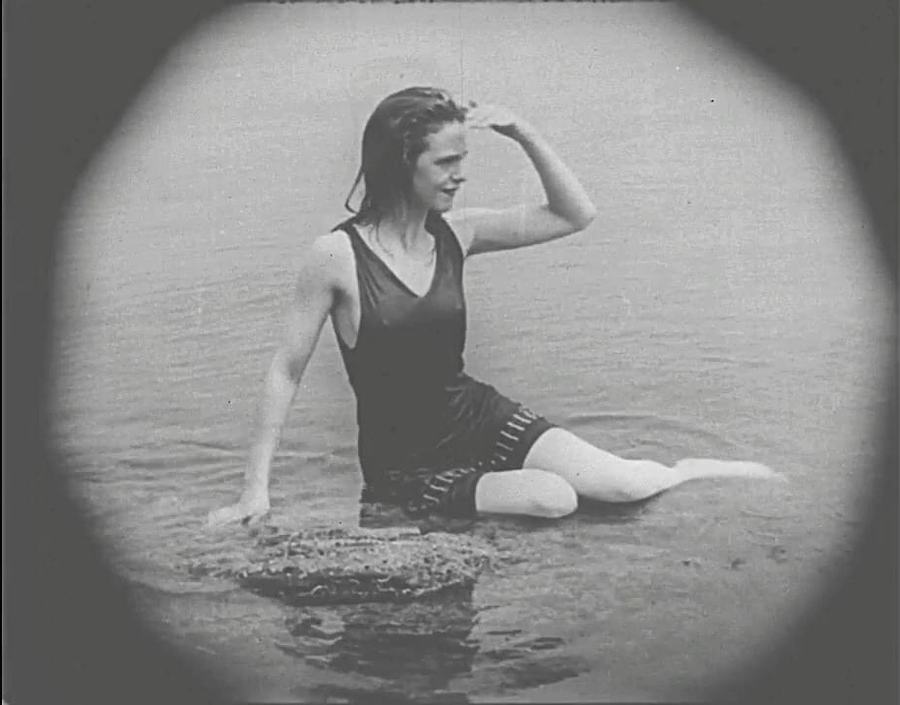
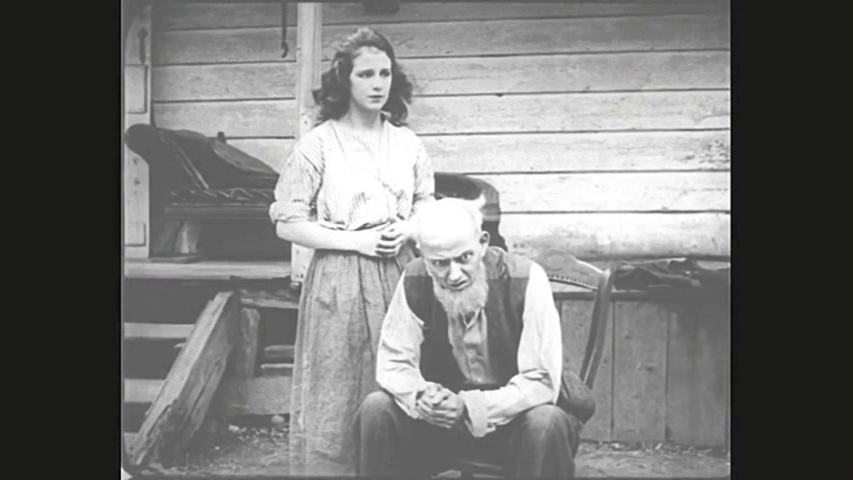
In the vast, often overlooked archive of early American cinema, The Awakening of Ruth stands as a poignant testament to the era's fascination with the dichotomy between pastoral purity and urban decadence. Directed with a keen eye for atmospheric tension, the film transports us to a rugged island off the Massachusetts coast—a setting that functions less as a backdrop and more as a silent antagonist. Here, Shirley Mason portrays Ruth Hoagland with a crystalline vulnerability that predates the more nuanced method acting of later decades. Her performance is a study in isolation, capturing the wide-eyed hope of a woman whose only companion is a father (Joseph Burke) lost to the dementia of greed. Unlike the more whimsical innocence found in Little Meena's Romance, Ruth’s innocence is weighted by the heavy mists of the Atlantic and the psychological burden of her father's 'half-witted' treasure hunting.
The arrival of Bob Winthrop (George J. Forth) introduces the first of several structural shifts in Lucien Hubbard’s script. Winthrop is the quintessential 'yachtsman' archetype—a figure of transient luxury whose presence on the island is a mere vacation from his own reality. The romance that blossoms between him and Ruth is depicted with a diaphanous beauty, yet the audience, seasoned by the tropes of 1910s melodrama, senses the impending betrayal. When Winthrop returns to New York, the film cleverly utilizes the passage of time as a weapon. A year elapses, and the metropolitan bustle effectively erases the salt-sprayed memories of the island. This thematic exploration of memory and class-based amnesia is far more sophisticated than many of its contemporaries, such as The Second in Command, which often relied on more overt villainy.
The narrative pivot occurs with the death of Ruth's father and the discovery of the chests. In a stroke of thematic brilliance, the treasure is revealed to be worthless—a collection of dross that mirrors the hollow promises of Bob Winthrop. Enter Dr. William Strong (William T. Hayes), a character who embodies the film's moral core. Strong’s decision to liquidate his own savings to fund Ruth’s operatic career in New York—while convincing her the funds originated from the chests—is an act of profound, almost masochistic altruism. This plot point elevates the film from a simple romance to a complex character study on the nature of 'value.' While films like The Years of the Locust deal with the consequences of fiscal desperation, The Awakening of Ruth examines the spiritual cost of financial deception for a benevolent end.
The New York sequences provide a stark visual and tonal contrast to the island. Ruth’s evolution into a potential Broadway star is handled with a restraint that avoids the garishness of typical 'rising star' narratives. Her 'awakening' is not merely professional but existential. When she discovers Winthrop’s affair with a musical comedy star, the betrayal is not just personal; it is a rejection of the entire urban artifice she had begun to embrace. Shirley Mason’s facial expressions during these realizations are haunting, conveying a sense of profound displacement. She is a creature of the sea trapped in a cage of velvet and stage lights, a theme that resonates with the social pressures found in Sold for Marriage.
Lucien Hubbard’s writing deserves significant praise for its rejection of repetitive melodramatic beats. The dialogue (delivered via title cards) possesses a certain lexical diversity that avoids the mawkishness of the era. The pacing is deliberate, allowing the audience to feel the weight of Ruth’s solitude before thrusting her into the kinetic energy of Manhattan. The cinematography—though limited by the technology of 1917—manages to capture the desolation of the Massachusetts coast with a verisimilitude that rivals the gritty realism of Straight Shooting. The use of shadows in the cave scenes where the father searches for treasure creates a gothic atmosphere that contrasts beautifully with the high-key lighting of the New York theater scenes.
The supporting cast, including Edward Elkas and Donald Hall, provide a sturdy framework for Mason’s performance. Joseph Burke’s portrayal of the father is particularly noteworthy; he manages to make the 'half-witted fisherman' a figure of pity rather than caricature. His obsession with the buried treasure is a tragic mirror to the audience's own search for meaning in the film’s narrative. When Dr. Strong and Reverend Arbuthnot enter the frame, they represent the stabilizing forces of science and faith, yet it is Strong’s human empathy—rather than Arbuthnot’s moralizing—that ultimately saves Ruth. This subtle critique of institutional religion in favor of individual humanism is a recurring motif in progressive films of the time, such as Abraham Lincoln's Clemency.
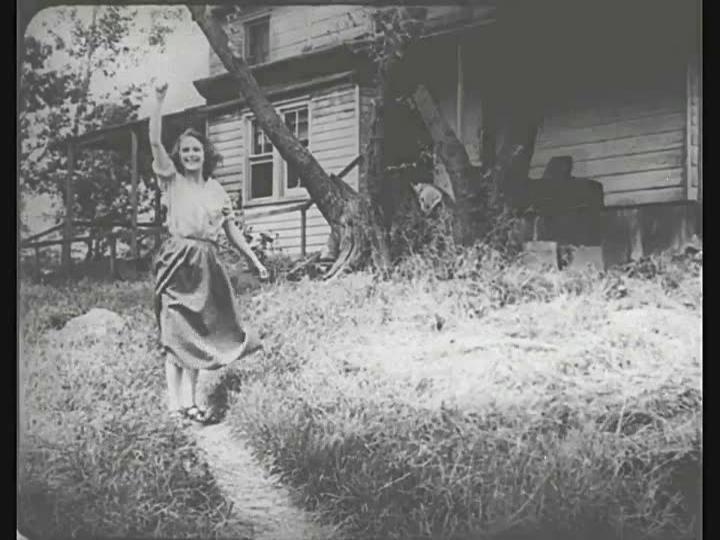
The climax of the film, where Ruth returns to the island to prepare for her debut, is a masterclass in narrative circularity. The island is no longer a prison but a sanctuary—a place where she can finally see the 'treasure' for what it truly was. The revelation of Dr. Strong’s sacrifice is the true 'awakening' promised by the title. It is not an awakening to fame or to the love of a playboy, but to the reality of genuine, unadorned devotion. This resolution is far more satisfying than the contrived happy endings of many silent features, offering a sense of closure that is both bittersweet and intellectually honest.
In comparison to The Ivory Snuff Box, which relies on mystery and intrigue, The Awakening of Ruth finds its power in the emotional interiority of its protagonist. It is a film that demands the viewer's attention to the subtle shifts in Ruth’s psyche. The juxtaposition of her operatic voice—a gift developed through deception—and her return to the silent, rugged coast creates a powerful irony. She has found her voice only to realize that the most important things in her life were said in the silence of Dr. Strong’s actions.
As we look back at the filmography of Shirley Mason and the directorial choices of the era, The Awakening of Ruth emerges as a vital piece of the cinematic puzzle. It bridges the gap between the simplistic morality plays of the early 1910s and the sophisticated character dramas of the 1920s. Its exploration of the 'fake' treasure versus the 'real' sacrifice provides a thematic depth that remains relevant. The film avoids the pitfalls of over-sentimentality, opting instead for a grounded, almost stoic approach to grief and redemption.
Whether you are a scholar of silent cinema or a casual viewer interested in the evolution of the 'woman’s film,' this work offers a rich tapestry of visual and emotional storytelling. It stands alongside classics like Outcast or Home, Sweet Home in its ability to find the extraordinary within the ordinary lives of its characters. The Awakening of Ruth is not just a story about a girl and her voice; it is a profound meditation on the hidden costs of our dreams and the silent heroes who pay the bill.
Final Verdict: A hauntingly beautiful exploration of altruism and the harsh realities of the social ladder. Shirley Mason is a revelation, and the film's maritime atmosphere lingers long after the final frame. Essential viewing for anyone seeking to understand the soul of early American film.

IMDb 7.1
1927
Community
Log in to comment.