DbcultAccessing Vault...
Cult Review
Senior Film Conservator
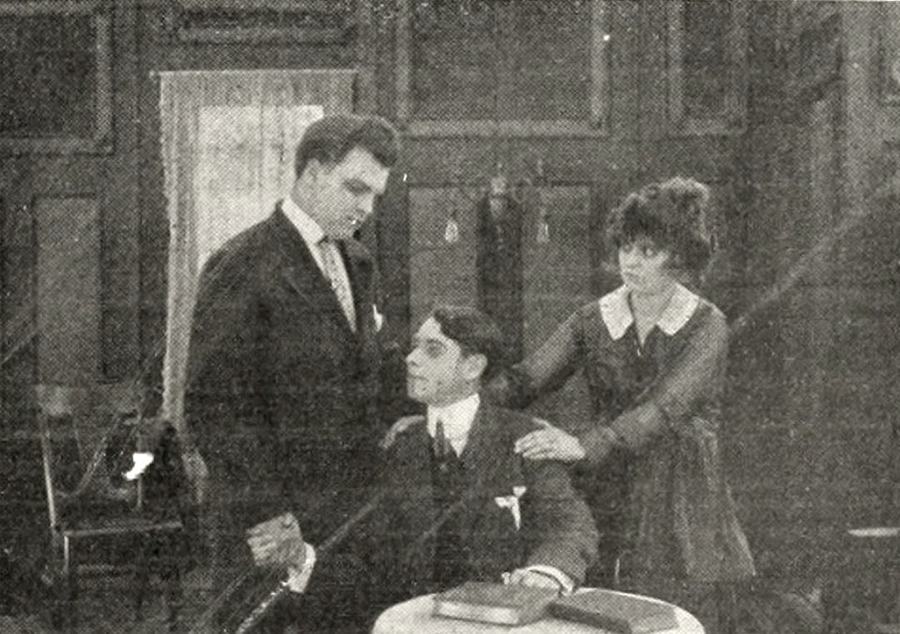
In the annals of early cinema, where narratives often served as moral compasses and reflections of contemporary societal anxieties, 'The Battle of Ballots' (1916) stands as a particularly potent example. Penned by M.A. Neff, this silent era drama, despite its vintage, resonates with themes that remain startlingly pertinent today: the corrosive nature of political ambition, the destructive power of addiction, and the enduring strength of human affection. It’s a film that eschews simplistic black-and-white morality for a more nuanced exploration of how personal choices ripple through a community, shaping destinies and dictating the very fabric of social order. Far from a mere historical curiosity, it offers a fascinating glimpse into the cultural preoccupations of its time, particularly the fiercely debated temperance movement, while simultaneously delivering a compelling human story.
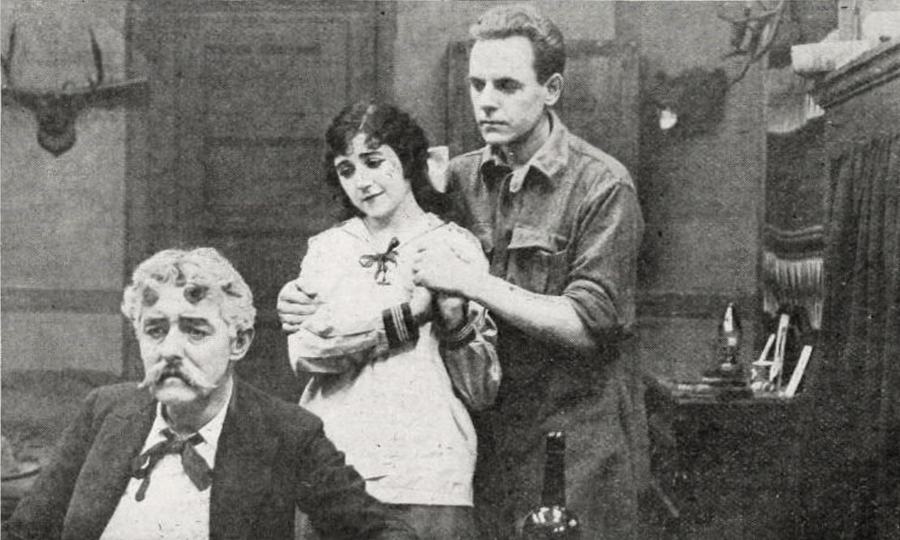
At its heart, 'The Battle of Ballots' is a saga of love under siege. We are introduced to Oma, a character whose steadfastness forms the emotional bedrock of the film. Her heart, irrevocably given to Jack, stands in stark defiance against the advances of Hartman, a rival whose intentions are less than pure. This love triangle, a classic narrative device, is imbued with a palpable sense of urgency and vulnerability. Jack, embodying the archetype of the noble protector, steps up to shield Oma from Hartman’s insidious machinations, their eventual marriage a testament to the resilience of their bond. It’s a foundational romance, one that anchors the more tumultuous political and social currents that swirl around them. The performances of Dorothy Kingdon as Oma and Robert Lawrence as Jack, though silent, convey a depth of emotion that transcends the absence of dialogue, relying on expressive physicality and nuanced glances to tell their story. Their struggle for happiness against a backdrop of encroaching societal woes feels both personal and emblematic of broader conflicts. The film manages to convey the warmth of their affection, making their trials all the more impactful.
The film masterfully illustrates how personal relationships can be irrevocably tainted by political machinations. The long-standing friendship between Lafe and Hazelet, two seemingly inseparable figures, becomes a casualty of Hartman’s calculated malice. Hartman, a character whose moral compass seems perpetually skewed, shrewdly exploits the politically charged atmosphere surrounding the temperance debate. By revealing Hazelet's 'dry' vote to Lafe, he ignites a conflagration of suspicion and resentment. This act of betrayal, simple yet devastating, shatters years of camaraderie, leading to a bitter confrontation. The subsequent construction of a spite fence by Lafe, a physical barrier erected to symbolize their broken bond and, crucially, to obstruct communication between Oma and Jack, is a powerful visual metaphor. It’s a tangible representation of how political differences, when manipulated by ill intent, can erect insurmountable walls between people. This segment of the film reminds one of the divisive power of ideological clashes, a theme that echoes in contemporary discourse. The performances by Wilfred Jessop as Lafe and Laurie Mackin as Hazelet bring a raw intensity to this fraternal breakdown, showcasing the emotional toll of political polarization.
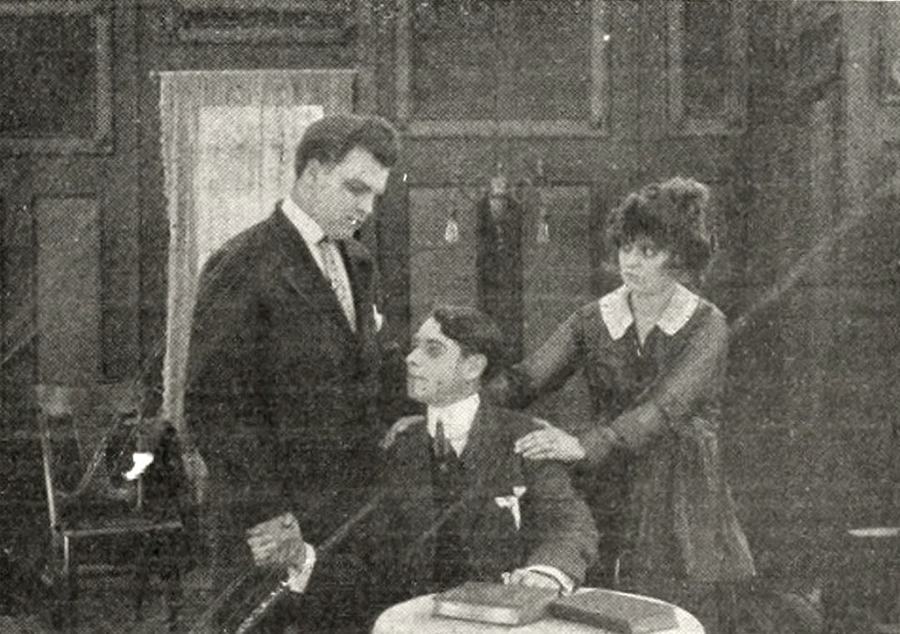
Perhaps the most poignant and cautionary aspect of 'The Battle of Ballots' is its unflinching depiction of the devastating consequences of alcohol abuse. Lafe's descent into delirium tremens is portrayed with a stark realism that must have resonated deeply with audiences of the era, who were acutely aware of the temperance movement’s arguments. His death is not merely a personal tragedy but a stark warning, a grim punctuation mark in the film's broader narrative about societal health. The ripple effect of his addiction extends further, claiming Mrs. Tuthill as an innocent victim, injured during one of Lafe's drunken rampages. These events serve as a powerful indictment of the 'wet' cause, illustrating the human cost behind the political rhetoric. The film doesn't shy away from showing the ugly truth of addiction, portraying it as a force that not only destroys the individual but also inflicts immense suffering upon those in their orbit. The scene where Mrs. Hazelet, on her deathbed, extracts a solemn promise from her husband to forever abstain from voting 'wet' is particularly moving. It underscores the profound personal sacrifices demanded by the struggle against alcohol, transforming a political stance into a deeply personal vow. This solemn moment adds another layer to the film’s exploration of temperance, moving beyond abstract political debate to the raw, emotional reality of individual suffering and commitment. For a comparable exploration of societal pressures and personal vows, one might consider Anna Karenina, though its focus is on social convention rather than temperance, both films delve into the profound impact of societal expectations on individual lives. Similarly, Bryggerens datter also touches upon the social fabric of communities and the roles individuals play within them, though perhaps with a different thematic emphasis.
Beyond the central drama, the film weaves in compelling subplots that further illustrate its core themes. The character of Maude Le Fever, explicitly described as 'the siren,' is a fascinating study in moral ambiguity and self-serving ambition. Her desertion of Alfred Tuthill for Sam Weber, only to abandon Weber later, paints a picture of a restless, perhaps predatory, spirit. She represents a different kind of destructive force – one driven by transient desires rather than addiction. Her actions leave a trail of emotional wreckage, highlighting the fragility of human relationships when fidelity and commitment are absent. This narrative thread, while secondary, serves to broaden the film's scope, demonstrating that societal ills extend beyond the bottle. Wilfred Jessop's portrayal of Alfred Tuthill, on the other hand, offers a powerful counter-narrative of redemption. Having fallen prey to the allure of rum, Tuthill undergoes a profound transformation. His journey from an alcohol-addled existence to a respected member of society is one of the film's most uplifting arcs. The symbolic act of converting the old saloon into a picture theater is immensely potent. It represents the triumph of culture over vice, enlightenment over degradation. Tuthill's redemption is not just personal; it's a communal victory, transforming a site of communal decay into a hub of entertainment and education. This narrative of personal transformation and societal contribution is a powerful message, suggesting that even from the depths of despair, renewal is possible. The stark contrast between Maude's destructive path and Alfred's redemptive journey provides a compelling moral framework for the audience. The idea of transforming a place of vice into a place of virtue resonates with the broader temperance movement's goals, suggesting that societal change can be achieved through individual effort and community-minded actions. This echoes the aspirational spirit found in films like The Springtime of Life, which often explored themes of moral uplift and fresh starts.
The titular 'Battle of Ballots' culminates in a decisive political showdown. Jack, our steadfast protagonist, emerges as a candidate for Mayor, presenting a clear alternative to the morally compromised Hartman. This election is more than just a contest between two individuals; it's a referendum on the very soul of the community. Jack represents progress, integrity, and the promise of a more temperate and just society, while Hartman embodies the darker elements of political opportunism and perhaps, by association, the 'wet' faction that has brought so much sorrow. Jack's resounding victory, achieved by a large majority, is the film's ultimate triumph. It symbolizes the community's rejection of corruption and its embrace of virtuous leadership. This political resolution brings a satisfying closure to the intertwined personal and societal conflicts, suggesting that collective action, guided by moral principles, can indeed lead to a better future. The film effectively uses the election as a narrative device to bring all the various threads of the story together, demonstrating that the personal battles fought by Oma, Jack, Lafe, and Alfred ultimately contribute to a larger societal shift. It's a powerful statement on civic engagement and the responsibility of the electorate to choose leaders who embody their highest ideals. This political narrative, while rooted in the temperance movement, carries universal themes of good versus evil in the public sphere, reminiscent of other dramas where political power is a central conflict, like Graft or The Governor's Daughters, though the specifics of the 'dry' vote make 'The Battle of Ballots' distinct.
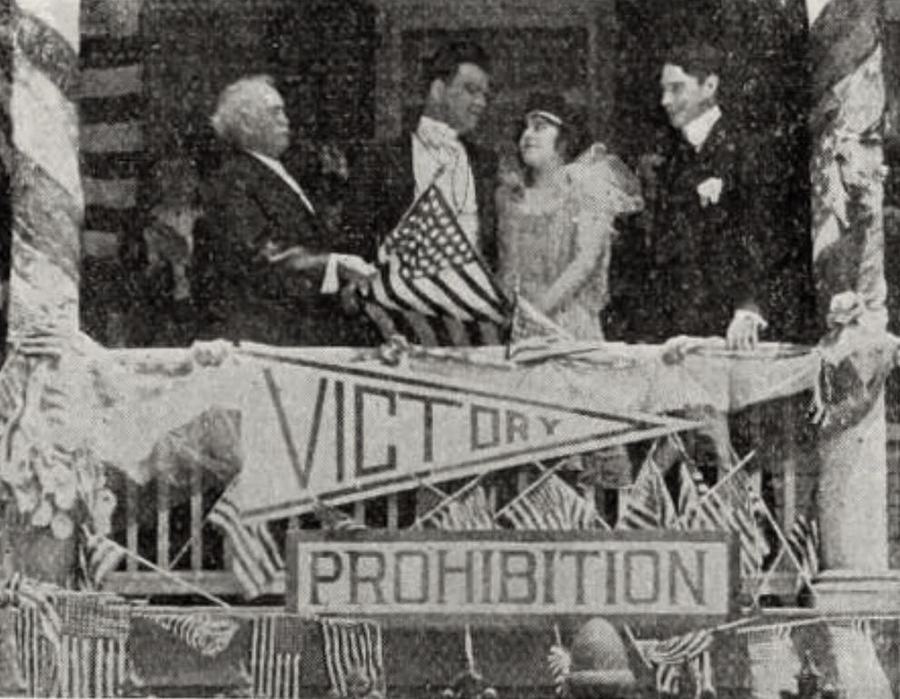
The success of any silent film hinges heavily on the expressive capabilities of its cast, and 'The Battle of Ballots' is no exception. Wilfred Jessop, in the complex role of Lafe, delivers a performance that oscillates between camaraderie and tragic dissolution, making his fall to delirium tremens all the more impactful. Robert Lawrence, as the heroic Jack, embodies the steadfastness and integrity that the film champions, his actions speaking volumes without uttered words. Dorothy Kingdon's Oma is the picture of devotion and quiet strength, her resilience a beacon throughout the narrative's trials. Laurie Mackin as Hazelet convincingly portrays the pain of betrayal and the burden of a dying promise. The supporting cast, including Mary Navarro, Frank Whitson, Charles Bryant, Jack Ellis, Frank B. Coigne, William Wells, Harry Harford, Creston Clarke, and Mayre Hall, all contribute to the rich tapestry of the film, each playing their part in building the community that serves as the backdrop for these dramatic events. Their collective efforts, guided by M.A. Neff's screenplay, create a world that feels lived-in and authentic, allowing the audience to fully invest in the characters' struggles and triumphs. The nuanced facial expressions, gestures, and body language employed by these actors were crucial in conveying the intricate emotional landscape of the story, a testament to the unique artistry of silent film performance. The cast’s ability to communicate complex emotions and character arcs without dialogue is a hallmark of this era, and in 'The Battle of Ballots', they truly shine, drawing the viewer into their world with compelling visual storytelling.
M.A. Neff, the writer credited for 'The Battle of Ballots', demonstrates a keen understanding of both dramatic structure and social commentary. The screenplay is not just a series of events but a carefully constructed argument against the perils of alcohol and political corruption, while simultaneously celebrating the virtues of love, loyalty, and redemption. Neff skillfully weaves together multiple character arcs and thematic threads, ensuring that each contributes to the overarching message. The plot unfolds with a logical progression, even as it introduces unexpected tragedies and moments of profound personal change. The narrative choices, such as the symbolic transformation of the saloon into a picture theater, are particularly effective in conveying the film's moral stance without resorting to heavy-handed didacticism. Instead, the story allows the consequences of actions to speak for themselves, letting the audience draw their own conclusions about the destructive nature of vice and the redemptive power of virtue. Neff's ability to craft a story that is both entertaining and thought-provoking is a testament to the enduring power of well-written drama, even in the nascent stages of cinematic storytelling. The film's structure, moving from personal romance to political conflict and individual redemption, showcases a sophisticated approach to narrative design for its era. This nuanced approach to storytelling, where personal lives are inextricably linked to broader social issues, is a hallmark of effective drama, making Neff's contribution particularly noteworthy. For a comparison in intricate plotting and character-driven drama, one might look at Nedra, which also explored complex human relationships and societal expectations, albeit in a different context.
In conclusion, 'The Battle of Ballots' transcends its historical context to deliver a compelling and surprisingly relevant cinematic experience. It is a film that speaks to the timeless struggles of humanity: the fight for love against adversity, the insidious nature of betrayal, the devastating impact of addiction, and the enduring hope for redemption and positive change. The performances, though silent, are eloquent, conveying a depth of emotion that draws the viewer into the narrative. M.A. Neff's screenplay is a masterclass in weaving together personal drama with broader social commentary, making the film not just a story, but a statement. Its exploration of the temperance movement, while specific to its era, offers universal insights into the challenges of addressing societal ills and the power of collective action. The film's ultimate message of hope and the triumph of good over evil, embodied in Jack's mayoral victory and Alfred Tuthill's transformation, leaves a lasting impression. It reminds us that even in the face of daunting challenges, the battle for a better future can be won, one ballot, one promise, and one act of redemption at a time. This film serves as a vital historical document, illustrating not only the narrative styles of early cinema but also the social and political concerns that shaped American society in the early 20th century. Its enduring power lies in its ability to connect these historical specifics to universal human experiences, making it a valuable watch for anyone interested in classic cinema, social history, or simply a well-told story about the enduring human spirit. Much like The Dawn of Freedom, which likely explored themes of liberation and overcoming adversity, 'The Battle of Ballots' champions the idea of a community striving towards a better future. The film's nuanced portrayal of its characters, from the villainous Hartman to the redemptive Alfred Tuthill, ensures that it remains a fascinating study of human nature and societal progress.
IMDb 5.3
1934
Community
Log in to comment.