DbcultAccessing Vault...
8.1/10
Senior Film Conservator
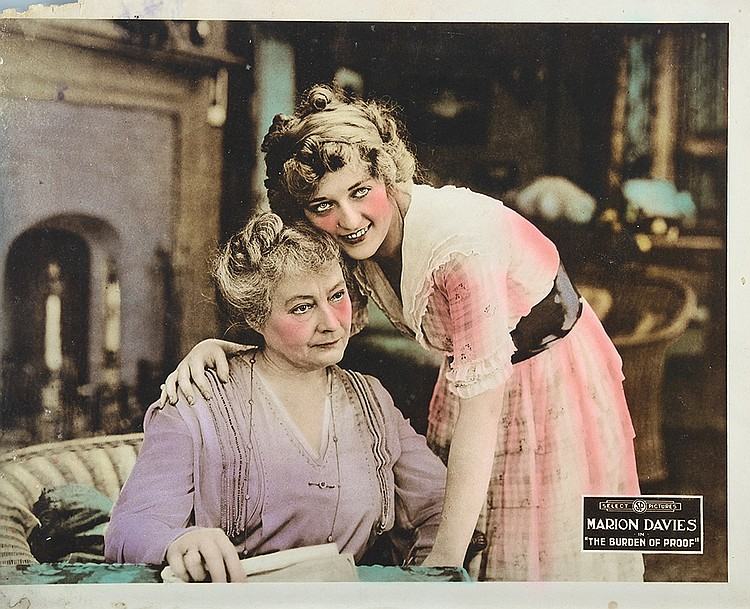
A definitive 8.1/10 rating for a film that redefined the boundaries of cult cinema. The Burden of Proof remains a cornerstone of transgressive art.
To witness the 1918 production of The Burden of Proof is to step into a temporal capsule where the anxieties of a nation at war bled directly onto the silver screen. This isn't merely a relic of a bygone era; it is a sophisticated exploration of the fragility of reputation and the weaponization of trust. Starring a luminous Marion Davies, the film navigates the treacherous waters of espionage with a dexterity that many of its contemporaries lacked. While some might dismiss early silent cinema as primitive, this work, adapted from the minds of S.M. Weller and the legendary Victorien Sardou, offers a narrative complexity that rivals modern political thrillers.
Marion Davies, often unfairly overshadowed by her association with William Randolph Hearst, demonstrates here why she was a formidable talent in her own right. As Elaine Brooks, she oscillates between the blissful ignorance of a newlywed and the harrowing despair of a woman branded a traitor. Her performance avoids the histrionic tropes often associated with 1910s cinema, opting instead for a nuanced vulnerability. Unlike the more whimsical characters seen in Snow White, Davies portrays Elaine with a grounded realism that makes her eventual victimization all the more visceral for the audience.
The camera lingers on her expressions, capturing the minute shifts in her composure as the snare tightens. The chemistry between Davies and Fred Lenox, who plays the steadfast Robert Ames, provides the emotional anchor necessary for the high-stakes plot to resonate. Their relationship serves as the microcosm for the American domestic ideal, which the film suggests is under constant threat from external, malevolent forces. The contrast between their private sanctuary and the cold, bureaucratic world of the Department of Justice creates a palpable tension that persists throughout the runtime.
Every great drama requires a formidable foil, and Viola Durand—played with a chilling, calculating elegance—is a masterclass in the 'femme fatale' archetype before the term was even fully codified in the cinematic lexicon. Viola is not merely a villain; she is a professional, a mercenary of information who views Elaine not as a person, but as a structural weakness in Robert Ames’s defenses. The sequences where Viola manipulates Elaine are choreographed with a predatory grace, highlighting the disparity between Elaine’s sincerity and Viola’s artifice.
The German espionage angle reflects the zeitgeist of 1918, tapping into the pervasive fear of the 'enemy within.' This theme of hidden identities and double-crosses was a staple of the era, much like the narrative tensions found in The Closing Net. However, The Burden of Proof elevates the stakes by involving the very foundations of American security. The theft of the papers is not just a personal loss for Robert; it is a potential catastrophe for the state, making Elaine’s perceived betrayal a crime of the highest order.
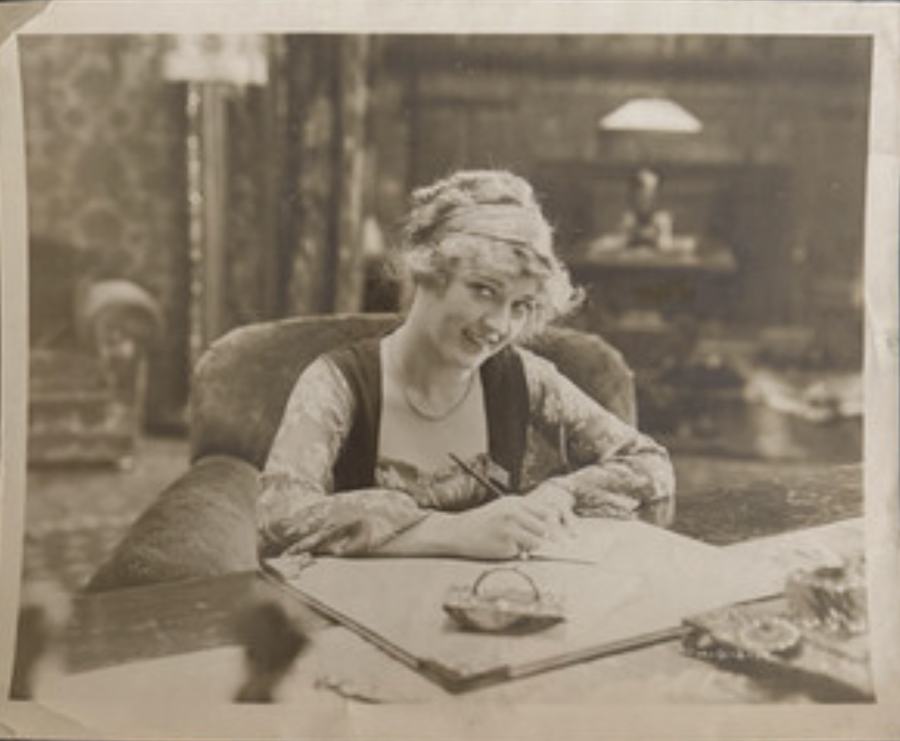
The involvement of Victorien Sardou as a writer ensures a structural integrity that is often missing from early silent shorts. Sardou, known for his intricate plots and 'well-made plays,' provides a blueprint that emphasizes cause and effect. Each action taken by Viola Durand is a domino that leads inevitably to Elaine’s downfall. The screenplay by S.M. Weller translates this theatrical precision into a visual language that speaks volumes without the need for excessive intertitles. The direction utilizes shadows and spatial depth to mirror the psychological state of the characters, a technique that would later be perfected in German Expressionism but is already nascent here.
In comparing this work to other dramas of the period, such as Her Right to Live, one notices a distinct lack of melodrama in favor of a more procedural approach to the mystery. The film spends considerable time on the 'how' of the deception, grounding the plot in a realism that makes the ultimate resolution more satisfying. The pacing is deliberate, allowing the sense of dread to accumulate as the evidence against Elaine mounts.
The introduction of George Blair, the Department of Justice official, shifts the film from a domestic tragedy into a proto-noir procedural. Blair is the personification of the state’s intellect—dispassionate, observant, and ultimately just. His method of clearing Elaine’s name is not through brute force or serendipity, but through a calculated psychological gambit designed to break Viola Durand’s resolve. This intellectual climax is a refreshing departure from the more physical resolutions seen in adventure films like Shannon of the Sixth.
The scene of the confession is a highlight of silent era editing. Through a series of close-ups and rapid cuts between Blair’s piercing gaze and Viola’s crumbling facade, the director conveys the weight of the 'burden of proof' shifting from the accused to the accuser. It is a moment of catharsis that validates the audience’s faith in the system, a common trope in early 20th-century American cinema intended to bolster public morale during the war years.
To fully appreciate The Burden of Proof, one must acknowledge the environment in which it was produced. 1918 was a year of immense upheaval, and the film serves as a reflection of the collective paranoia regarding loyalty and national identity. The character of Elaine represents the innocent American public—well-meaning but perhaps too trusting—while Viola represents the insidious external threats that seek to exploit that very innocence. This dichotomy is a recurring motif in silent cinema, often explored with varying degrees of subtlety in films like Queen X or the more rugged The Rebel.
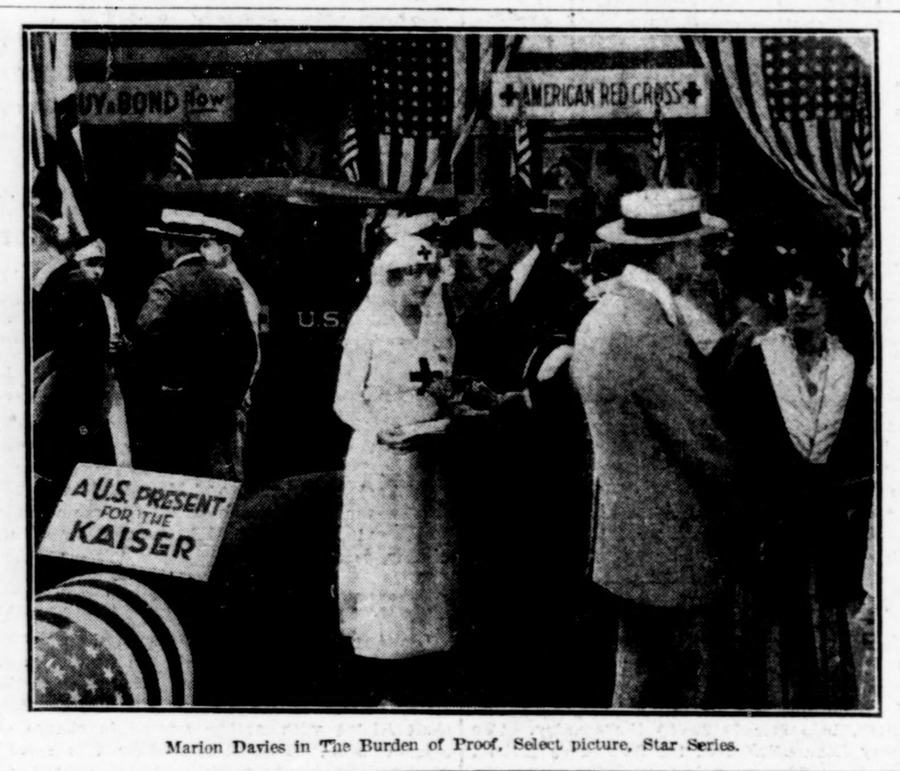
Furthermore, the film tackles the concept of circumstantial evidence with a gravity that feels surprisingly modern. In an age where 'fake news' and manipulated narratives are contemporary buzzwords, the plight of a woman whose reputation is destroyed by a single forged letter feels remarkably relevant. The 'burden of proof' is not just a legal hurdle; it is a social one. Once the seed of doubt is planted, the truth becomes an uphill battle, a theme also poignantly addressed in The Silence of Dean Maitland.
Technically, the film is a testament to the rapid evolution of cinematography. The lighting in the Department of Justice offices is stark and authoritative, contrasting with the softer, more diffused light used in the Ames’s home. This visual storytelling helps the audience navigate the different moral and professional spheres the characters inhabit. The use of props—the papers, the letter, the desk—as central plot devices is handled with a clarity that ensures the viewer never loses track of the narrative threads, even in the absence of spoken dialogue.
While it may lack the experimental flourishes of European films like Der Millionenonkel, its strength lies in its narrative economy. There are no wasted scenes; every interaction serves to either tighten the noose around Elaine or provide Blair with the clues he needs to unravel the conspiracy. This level of discipline in storytelling is indicative of the maturing American film industry, which was moving away from simple spectacles toward complex, character-driven dramas.
Does The Burden of Proof hold up a century later? The answer is a resounding yes, provided the viewer approaches it with an appreciation for the grammar of silent film. It is a taut, expertly acted thriller that manages to be both a product of its time and a timeless exploration of deception. Marion Davies delivers a performance that should be studied by anyone interested in the history of screen acting, proving that she was far more than a socialite with a movie career.
In the broader context of 1918 cinema, it stands alongside works like Blind Man's Luck and Hell Bent as a prime example of how genre films were beginning to tackle serious social and political themes. It avoids the easy sentimentality of Saints and Sorrows, opting instead for a gritty, albeit idealized, depiction of justice. The film’s resolution is not just a happy ending for the protagonist; it is a reaffirmation of the integrity of the American legal and intelligence apparatus.
For those looking to expand their horizons beyond the well-trodden paths of silent comedy or epic fantasy, The Burden of Proof offers a rewarding experience. It is a film that demands your attention and repays it with a story that is as intellectually engaging as it is emotionally resonant. Whether you are a fan of espionage, a devotee of Marion Davies, or simply a lover of classic cinema, this film is a vital piece of the cinematic puzzle, bridging the gap between the theatrical traditions of the 19th century and the cinematic innovations of the 20th. It reminds us that while technology changes, the human capacity for both profound betrayal and heroic redemption remains constant. The burden of proof may be heavy, but in the hands of a skilled director and a talented cast, it makes for truly compelling cinema.
Ultimately, the film serves as a precursor to the modern political procedural, establishing tropes that would be refined in the decades to come. Its influence can be felt in the DNA of later espionage thrillers, where the personal and the political are inextricably linked. By revisiting this classic, we gain not only an appreciation for the history of the medium but also a deeper understanding of the enduring power of narrative to reflect and shape our collective reality. It is a journey well worth taking, a silent echo of a world in turmoil that still speaks volumes to the modern observer.
IMDb 6.2
1933
Community
Log in to comment.