DbcultAccessing Vault...
3.8/10
Senior Film Conservator
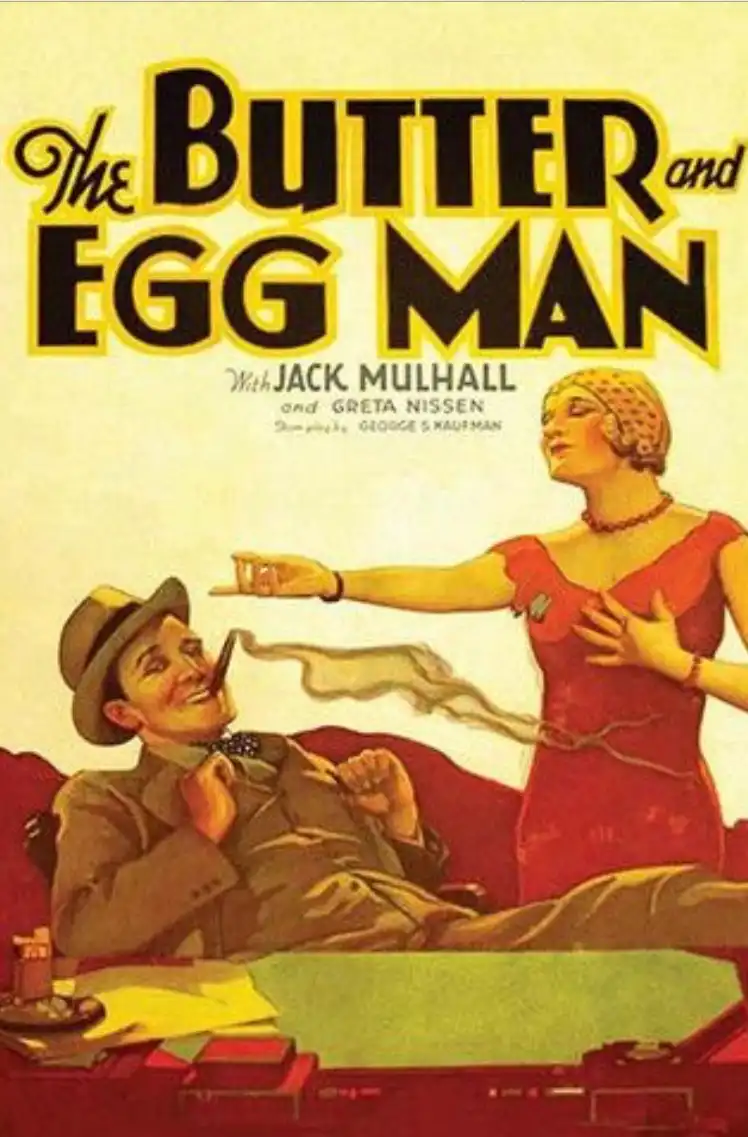
A definitive 3.8/10 rating for a film that redefined the boundaries of cult cinema. The Butter and Egg Man remains a cornerstone of transgressive art.
If you have ever wondered what The Producers would look like as a silent film, The Butter and Egg Man is your answer. It is absolutely worth watching today, not just as a historical curiosity, but as a genuinely funny satire that avoids the sentimental traps many 1920s comedies fell into. It’s for anyone who enjoys watching a 'rube' outsmart the sharks, and it will likely annoy anyone who prefers their silent films to be high-art dramas or slow-burn romances. This is a movie with a chip on its shoulder and a very fast pulse.
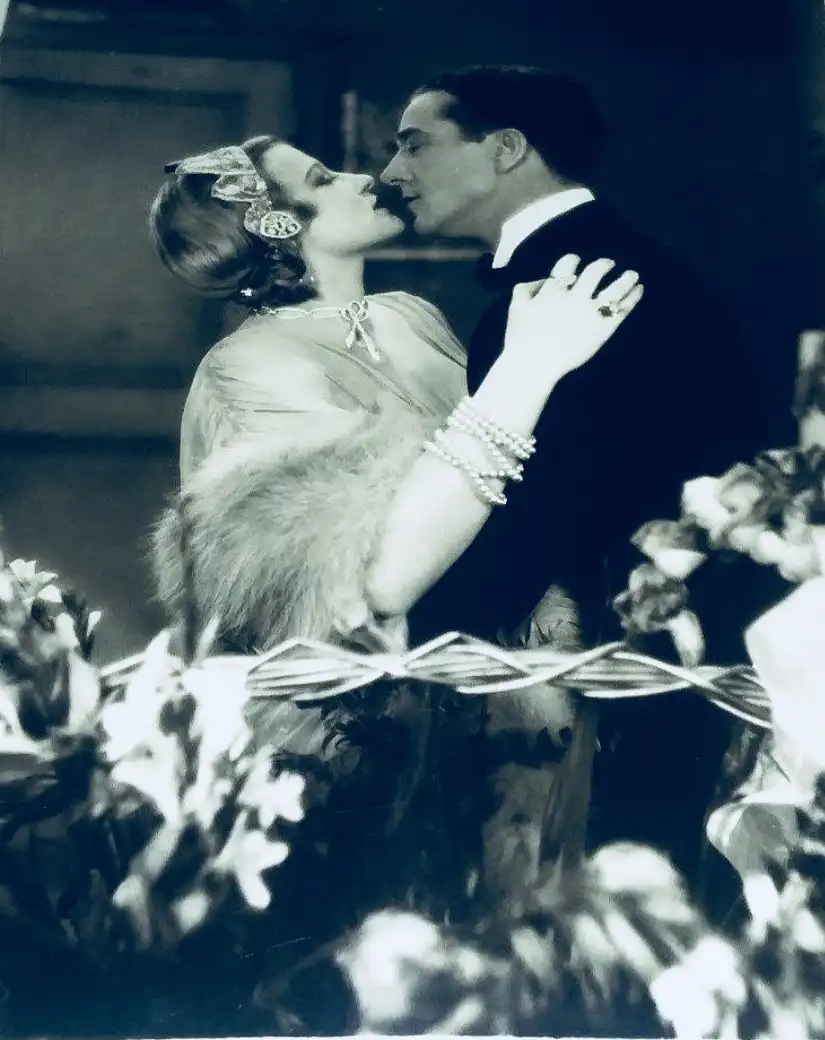
The term 'butter and egg man' was 1920s slang for a wealthy, naive traveler looking to blow money in the big city. Jack Mulhall plays our lead, Peter Jones, with a wide-eyed, Midwestern sincerity that feels grounded rather than cartoonish. He doesn't trip over his own feet or do double-takes at every skyscraper; he’s just a guy who assumes people are telling him the truth. This makes the eventual 'con' by the Broadway producers feel more grounded in reality. When Sam Hardy (as Joe Lehman) and William Demarest (as Jack McClure) start working him over, you can see the gears turning. They aren't just villains; they are desperate men who view Peter as a life raft.
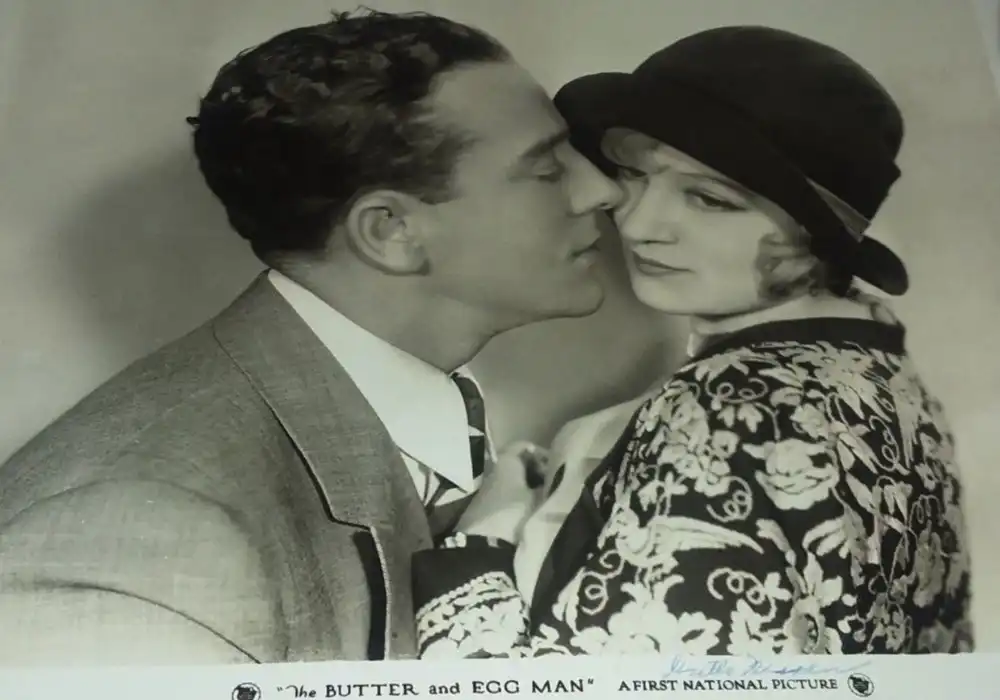
William Demarest, who modern audiences might recognize from his later work with Preston Sturges, is a standout here. Even in the silent era, his face is a map of irritation and cynicism. He doesn't need dialogue to convey that he thinks Peter is an idiot; he does it with the way he holds a cigar or leans against a desk. The chemistry between the two veteran producers provides a sharp contrast to Peter’s earnestness.
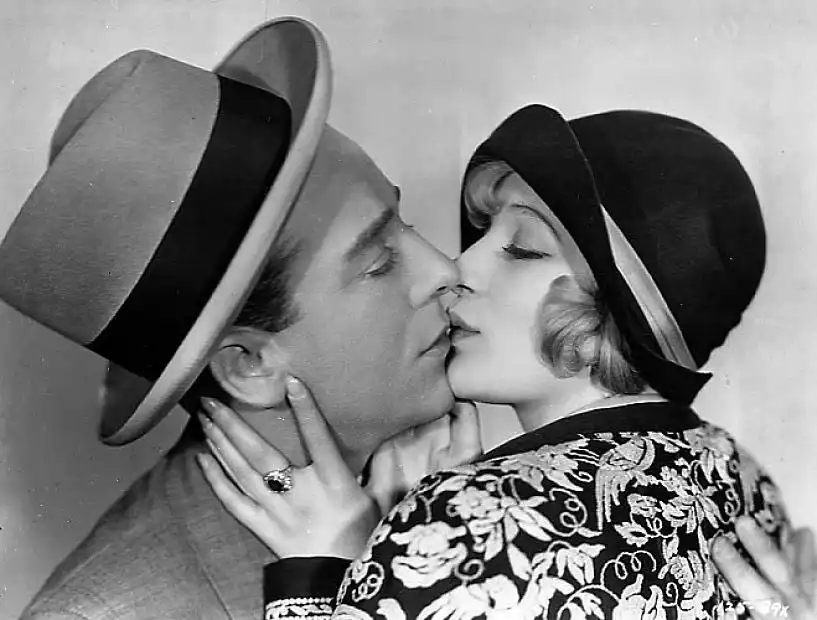
One of the best sequences in the film takes place during the out-of-town opening in Syracuse. Anyone who has ever worked in theater will recognize the specific brand of panic that sets in when a show is dying on stage. The film captures the chaotic energy of the wings—actors missing cues, the producers sweating through their shirts in the back of the house, and the palpable silence of an audience that isn't laughing.
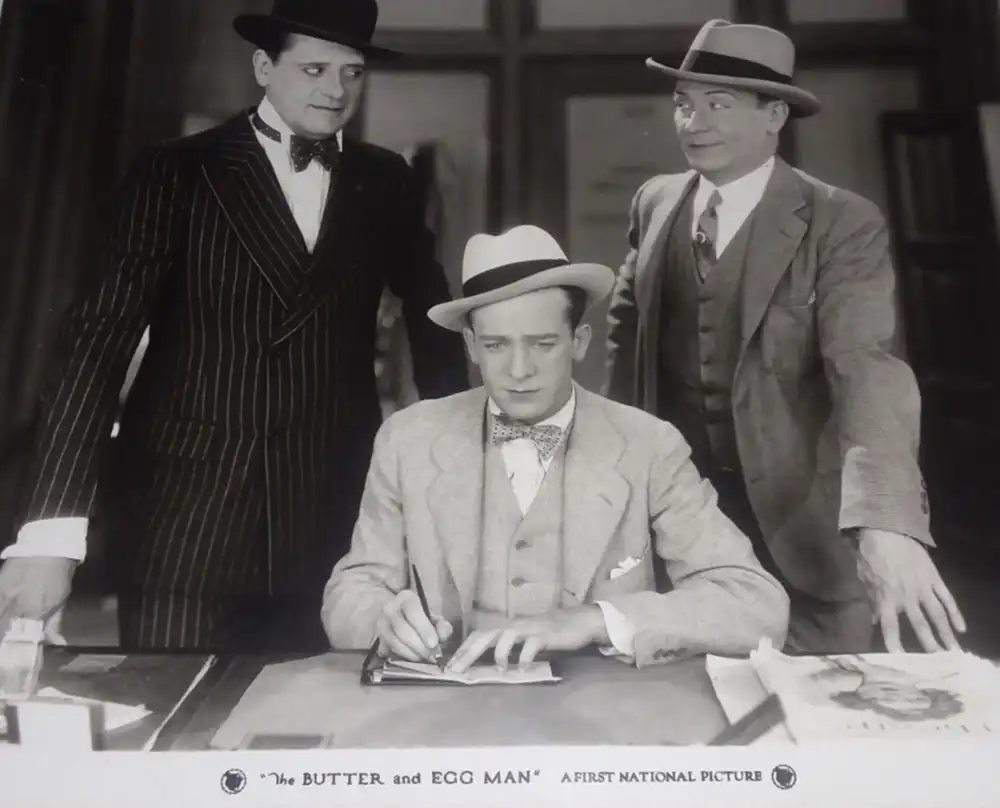
The editing rhythm here is noticeably faster than in many other films from 1928. It mirrors the frantic attempts to 'fix' a play that is fundamentally broken. There is a specific shot of the lead actress, played by Greta Nissen, looking absolutely bewildered by a piece of scenery that doesn't work, which perfectly encapsulates the 'train wreck' nature of the fictional play. It’s a concrete observation of failure that feels much more modern than the slapstick found in something like Buster's Frame Up.
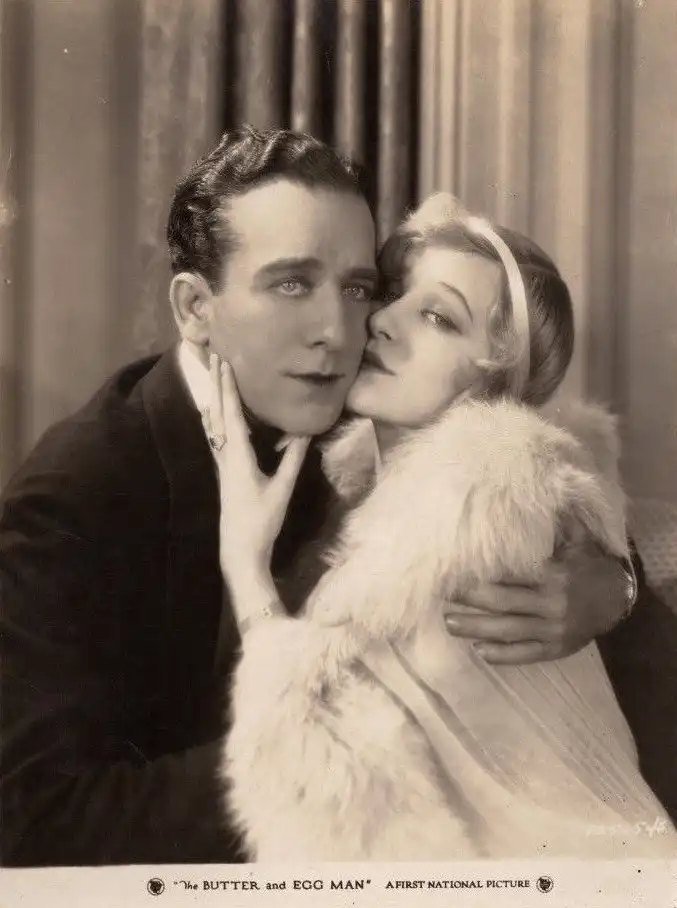
Visually, the film isn't trying to be an expressionist masterpiece like Le lion des Mogols. Instead, it opts for a clean, bright, and functional look that prioritizes the actors' expressions. The Broadway offices are cluttered and cramped, filled with the debris of previous failures, while the theater interiors feel vast and intimidating. The lighting choices during the 'hit' version of the play are noticeably more polished than the flat, harsh lighting used during the Syracuse flop, a subtle touch that shows the change in the production's fortunes.
There is an awkward moment mid-film where the romance between Peter and the secretary, Mary (played by Gertrude Astor), feels a bit forced. It’s the one concession to traditional movie tropes that the film didn't really need. Their scenes together slow the pacing down, and the dialogue on the intertitles becomes a bit more flowery, clashing with the snappy, cynical tone of the rest of the script. However, Gertrude Astor is a capable enough performer that she manages to make Mary feel like a person rather than just a prize for the protagonist.
The third act is where the film distinguishes itself from a standard 'country boy makes good' story. When Peter buys out the producers, he doesn't just get lucky. He actually puts in the work to revamp the play. The film shows him in shirt sleeves, arguing over scripts and making executive decisions. It gives the character a sense of agency that makes his eventual victory feel earned.
The final twist involving a copyright claim is handled with a wonderful sense of irony. Peter learns that the play might be stolen and, instead of panicking, he uses that information to hustle the original hustlers. It’s a cynical, satisfying ending that suggests the 'butter and egg man' has successfully been corrupted by New York—or perhaps he was just a better businessman than the city slickers all along. Unlike the more moralistic tone of Polly Ann, this film acknowledges that to survive in this world, you have to be a bit of a shark yourself.
The Butter and Egg Man is a lean, mean comedy that holds up surprisingly well. While some of the silent-era acting can feel a bit broad during the crowd scenes, the core performances are remarkably subtle. The film avoids the trap of making its protagonist too stupid to care about, and it treats the theater world with a healthy dose of skepticism that still feels relevant in the age of corporate-produced blockbusters. It’s a sharp 1920s time capsule that values a good hustle over a cheap laugh.
IMDb —
1920
Community
Log in to comment.