DbcultAccessing Vault...
Cult Review
Senior Film Conservator
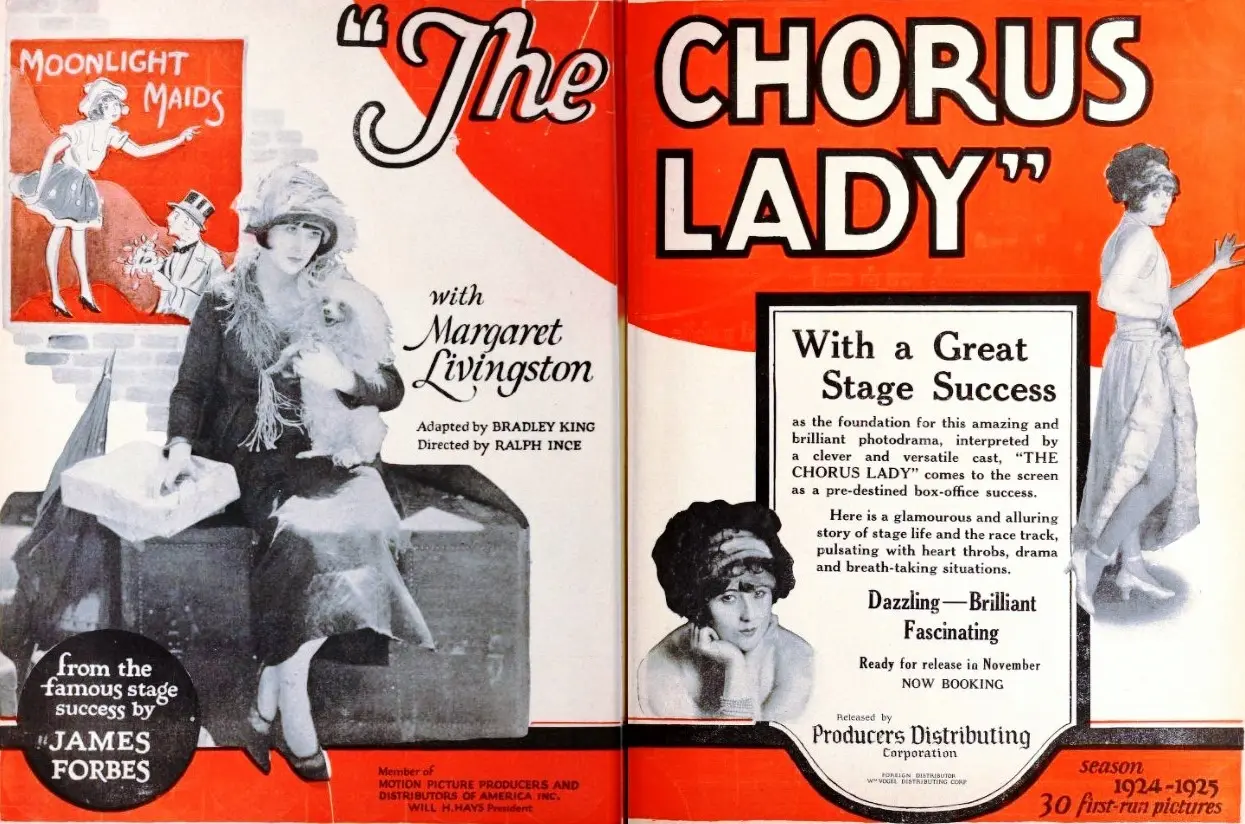
While the year 1924 is often canonized in cinematic history for the grueling realism of Erich von Stroheim’s Greed, it was also a period where the American melodrama reached a zenith of emotional articulation. The Chorus Lady, directed by Kenneth Webb and adapted from James Forbes’ stage success, stands as a fascinating specimen of this transitional period. It is a film that balances the tactile grit of the rural stables with the shimmering, often deceptive, luminescence of the New York stage.
The narrative architecture of The Chorus Lady is built upon a series of stark contrasts. We begin in the serene, almost idyllic world of Dan Mallory’s stables. Here, the stakes are tangible—flesh, bone, and the speed of a horse. When the fire strikes, it isn't just a plot device to move the characters to the city; it is a symbolic blindness that mirrors the thematic concerns of the film. The filly, Lady Belle, loses her sight, just as Dan later becomes blinded by jealousy and the superficial appearances of urban decadence. Unlike the visceral survivalism found in The Storm, the struggle here is internal and social.
Margaret Livingston’s portrayal of Patricia O'Brien is a revelation of silent-era nuance. Often relegated to 'vamp' roles, Livingston here displays a protective, maternal ferocity. She is the anchor of the O'Brien family, a woman who understands that the glitter of the Follies is merely a utilitarian tool for survival. Her transition from the quiet countryside to the cacophony of the New York stage is handled with a sophistication that avoids the cliché of the 'corrupted innocent.' Patricia is never corrupted; she is merely professionalized, a distinction that many films of the era, such as Flickering Youth, failed to make with such clarity.
When the action shifts to New York, the visual language of the film undergoes a profound transformation. The open vistas of the racetrack are replaced by the claustrophobic opulence of dressing rooms and bachelor apartments. It is here that we encounter Dick Crawford, played with a slithering, aristocratic menace by Philo McCullough. Crawford represents the predatory nature of the city—a man who treats human relationships with the same cold calculation he applies to a deck of cards. His pursuit of Nora O'Brien (Virginia Lee Corbin) serves as the primary engine for the film's third-act tension.
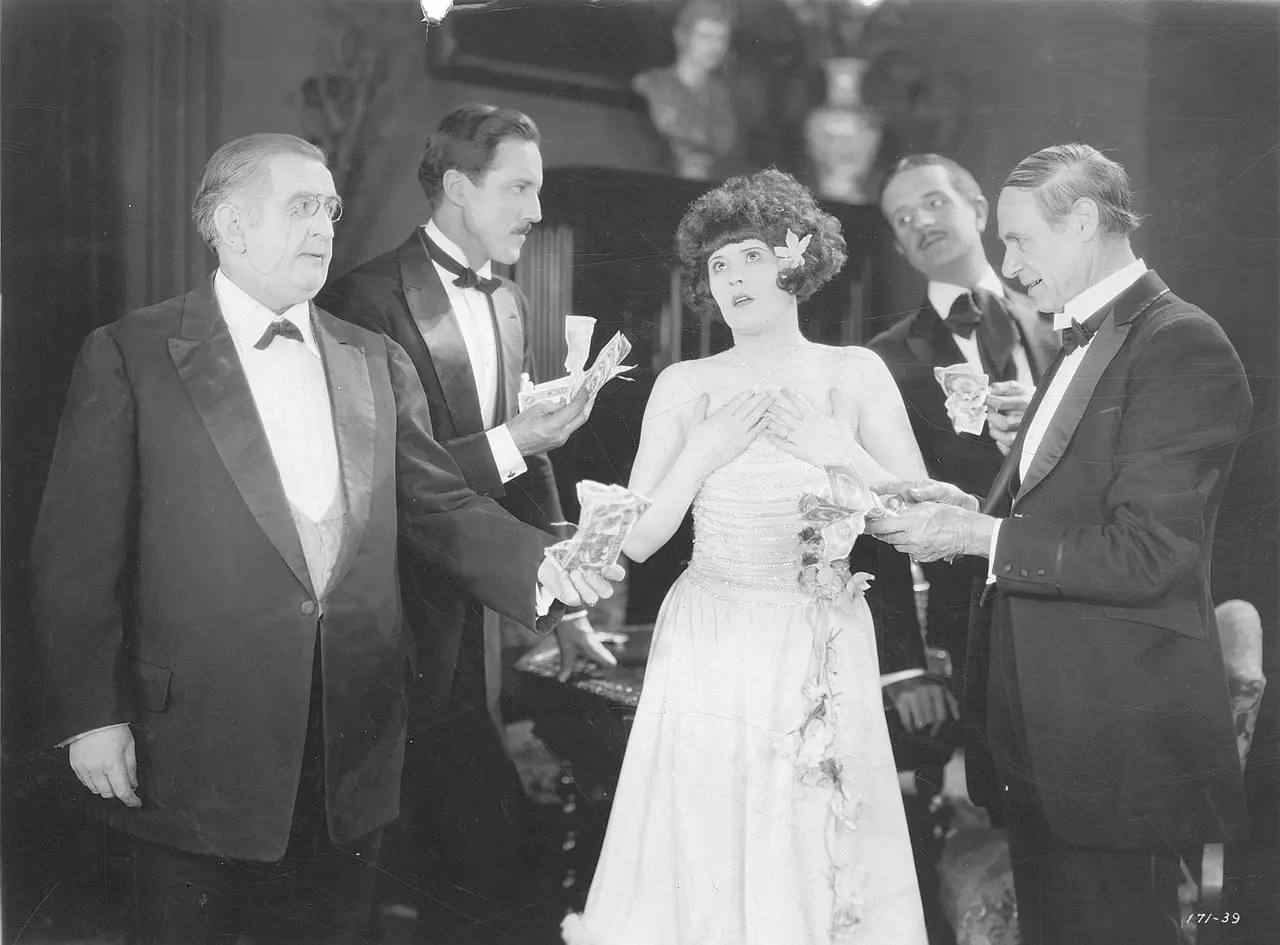
Nora is the foil to Patricia’s pragmatism. If Patricia is the steel of the family, Nora is the silk—easily torn and susceptible to the winds of flattery. The film’s exploration of sisterly devotion is far more complex than the standard morality plays of the time, such as The Other Man's Wife. There is a palpable sense of stakes; Patricia isn't just saving Nora’s reputation; she is saving her soul from the same metaphorical blindness that afflicted Lady Belle. The tension in the apartment scene, where Dan discovers Patricia, is a masterclass in blocking and silent-era suspense. The shadows cast by the high-backed chairs and the heavy drapes create a visual prison for the characters’ misunderstandings.
One cannot discuss The Chorus Lady without acknowledging the technical audacity of the horse racing sequences. To film a blind horse winning a race requires a suspension of disbelief that the filmmakers earn through meticulous editing and close-ups of Lady Belle’s expressive eyes. It echoes the themes of perseverance found in The Man Unconquerable, yet it feels more intimate here because the victory is the key to domestic bliss rather than mere ego. The $20,000 prize is not just money; it is the ransom for Patricia’s freedom from the stage.
The film also benefits from a robust supporting cast. A young Mervyn LeRoy appears, offering a glimpse of the talent that would later redefine the gangster genre and social realism in Hollywood. The direction by Kenneth Webb, though sometimes bound by the theatrical origins of the script, manages to break the 'fourth wall' of the stage play through clever use of location shooting and a dynamic camera that captures the frantic energy of the Follies. It lacks the nihilism of Drama na okhote, opting instead for a quintessentially American optimism that feels both earned and inevitable.
Beneath the surface of this melodrama lies a subtle critique of the economic precariousness of the working class in the 1920s. The O'Brien family is one disaster away from dissolution. The fire is not merely an act of God; it is a financial catastrophe that forces women into the labor market. The Follies are depicted not just as a place of entertainment, but as a grueling workplace where beauty is a commodity with a rapidly approaching expiration date. This theme of 'sowing and reaping' is a common thread in films like As a Man Sows, but The Chorus Lady provides a more nuanced look at the specific pressures faced by women.
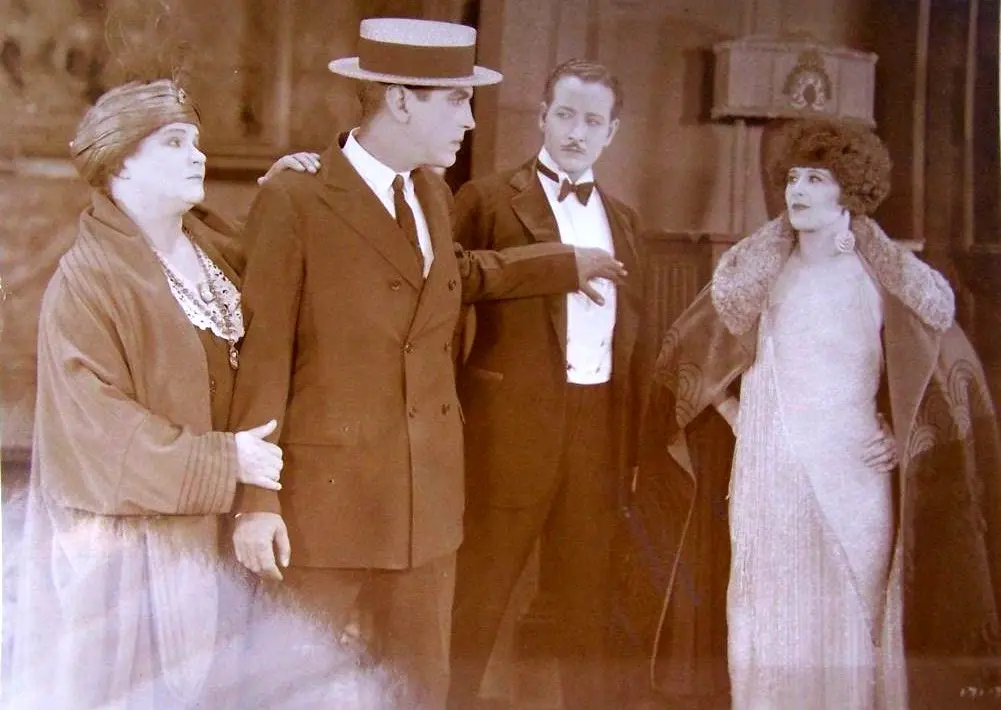
The reconciliation between Dan and Patricia is not merely a romantic resolution but a restoration of the natural order. Dan’s realization that his suspicion was a form of moral blindness allows him to finally 'see' Patricia for who she truly is—a woman of unimpeachable integrity. This mirrors the restoration of their financial status through Lady Belle’s victory. It is a symmetrical ending that satisfies the audience's desire for justice, much like the thematic resolutions in Whom the Gods Would Destroy.
In the broader context of 1920s cinema, The Chorus Lady serves as a vital bridge between the simplistic moralities of the 1910s and the sophisticated social dramas of the late silent era. It eschews the heavy-handedness of His Convict Bride for a more grounded, character-driven approach. The chemistry between Livingston and Roscoe (playing Dan) provides the emotional tether that prevents the film from drifting into pure sentimentality.
Ultimately, the film is a testament to the resilience of the human spirit—and the equine one. It suggests that while the city may be a den of pythons (not unlike the imagery suggested in In the Python's Den), the core values of loyalty and sacrifice can navigate even the darkest apartments of Broadway. For the modern viewer, The Chorus Lady offers more than just a nostalgic glimpse into the past; it provides a sophisticated look at the timeless struggle between ambition and ethics, between the roles we play for the world and the truth of our own hearts.
As we look back at the filmography of 1924, amidst the shadows of Der Leibeigene or the rugged landscapes of The Deemster, The Chorus Lady shines with a particular, resilient light. It is a film that demands to be seen not just as a relic, but as a vibrant piece of storytelling that captures the heartbeat of an era caught between the stable and the stage, between the blindness of doubt and the clarity of love.
Review by the Cinematic Chronicler — © 1924/2024
IMDb 7.1
1930
Community
Log in to comment.