DbcultAccessing Vault...
Cult Review
Senior Film Conservator
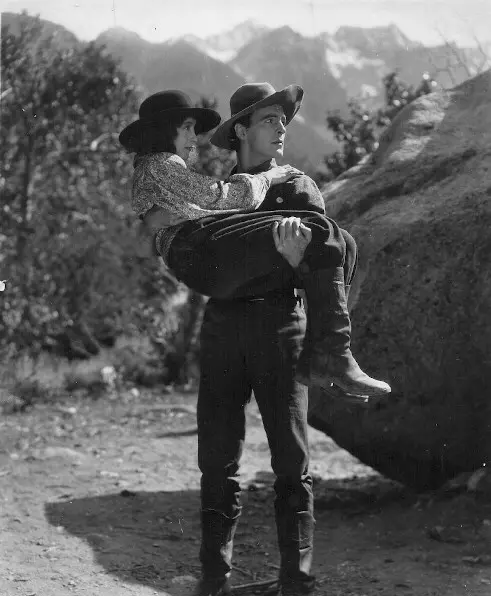
The year 1925 represented a peculiar crossroads for American cinema, a moment where the raw, unpolished energy of early silents began to fuse with a more sophisticated, literary-minded aesthetic. In the center of this transition stands The Golden Princess, a film that eschews the sanitized heroism often found in Westerns of its era to present a grimy, morally ambiguous portrait of the California Gold Rush. Adapted from the works of Bret Harte, the film possesses a narrative density that challenges the viewer to look beyond the flickering black-and-white frames and into the soot-stained souls of its protagonists.
One cannot discuss this film without acknowledging the shadow cast by Bret Harte. Unlike the romanticized vistas of later John Ford epics, Harte’s West was a place of transactional morality and sudden, jarring violence. The Golden Princess captures this ethos with startling clarity. The opening sequence, depicting the murder of William Kent by Tom Romaine, is handled with a starkness that feels remarkably modern. There is no grand oratorical buildup; it is a swift, predatory act of erasure that sets the tone for the next eighty minutes of celluloid.
The cinematography leverages the naturalistic lighting of the period to create a sense of impending doom. The California hills are not presented as a land of opportunity, but as a labyrinth of greed where men like Romaine (played with a chilling, understated menace by Rockliffe Fellowes) can easily vanish into the shadows. This atmosphere of pervasive dread is reminiscent of the thematic weight found in Pagan Passions, where the environment serves as a physical manifestation of the characters' internal turmoil.
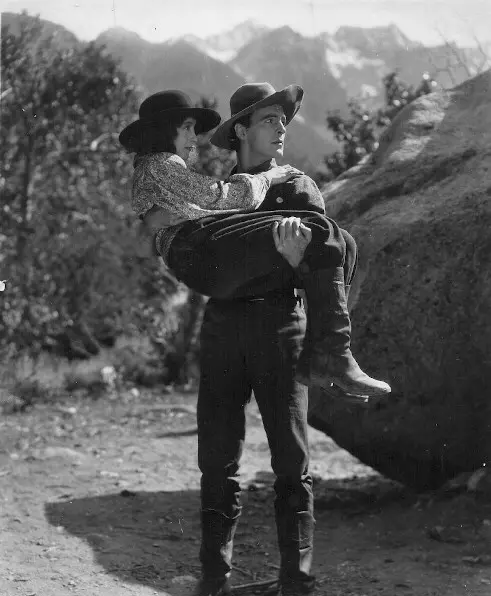
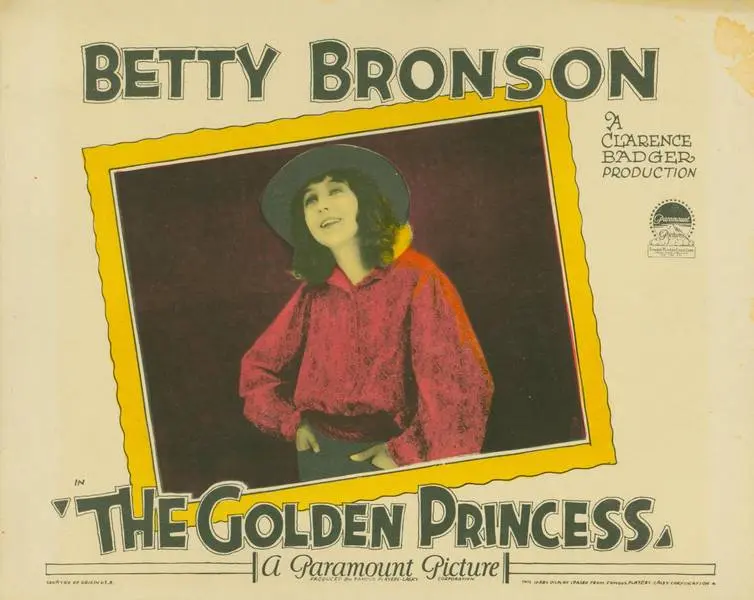
Betty Bronson, tasked with portraying the titular character, delivers a performance that transcends the typical 'damsel in distress' tropes of the mid-twenties. Her Betty is a creature of resilience, forged in the quiet solitude of a convent and thrust into the chaotic roar of a mining camp. Bronson manages to convey a profound sense of displacement; she is a princess without a kingdom, seeking a father who exists only as a ghost. Her chemistry with Joseph J. Dowling, who plays Tennessee, provides the film’s emotional anchor. Tennessee is the archetype of the 'rough diamond'—a man whose exterior is weathered by the elements but whose core remains uncorrupted by the lure of the lode.
When Betty and Tennessee become partners in the Golden Princess Mine, the film shifts from a revenge thriller into a fascinating study of industrial labor and frontier camaraderie. The mine itself becomes a character—a dark, yawning maw that promises wealth but demands a toll in blood. This focus on the physical labor of the era provides a groundedness that we often see lacking in more whimsical silents like A Very Good Young Man, which operates on a much lighter, almost ephemeral plane of existence.
The true complexity of The Golden Princess lies in the character of Kate, portrayed by the formidable Phyllis Haver. Kate is a woman trapped between a monstrous past and a desperate present. Her return to Betty's life, under the thumb of the murderous Romaine, is a masterclass in psychological tension. Haver uses her eyes to communicate a soul-crushing regret that her dialogue titles could never fully articulate. She is a collaborator in a scam, yet the audience is forced to empathize with her predicament. She is a victim of Romaine’s domestic tyranny, a theme that echoes the darker domestic undertones of No Woman Knows.
The scenes where Romaine and Kate attempt to convince Betty of their parental legitimacy are agonizing. It is a subversion of the 'family reunion' trope, turning a moment of expected joy into a predatory trap. The tension here is palpable, built through tight framing and a deliberate pacing that allows the viewer to feel Betty's growing unease. It is a stark contrast to the more straightforward adventures of the era, such as The Carpet from Bagdad, where the villains are often more cartoonish in their villainy.
Technically, the film is a marvel of its time. The use of practical effects during the mine explosion sequence is nothing short of harrowing. As Romaine ignites the dynamite, the screen becomes a chaotic tapestry of dust, debris, and claustrophobia. The editing in this sequence is frantic, capturing the panic of Betty and Tennessee as they are entombed within the earth. It is a sequence that rivals the tension found in contemporary thrillers like Sneakers, despite the lack of modern pyrotechnics.
Kate’s final act of redemption—killing Romaine and sacrificing her own life to save her daughter—is the film’s emotional crescendo. It is a moment of violent catharsis that cleanses the narrative of its initial sin. The death of the mother to save the child is a classic melodramatic device, but here it feels earned rather than manipulative. It brings the story full circle, back to the blood-stained soil where it began fifteen years prior. This cyclical nature of justice is a recurring motif in the works of Bret Harte, and the film honors that literary tradition with somber dignity.
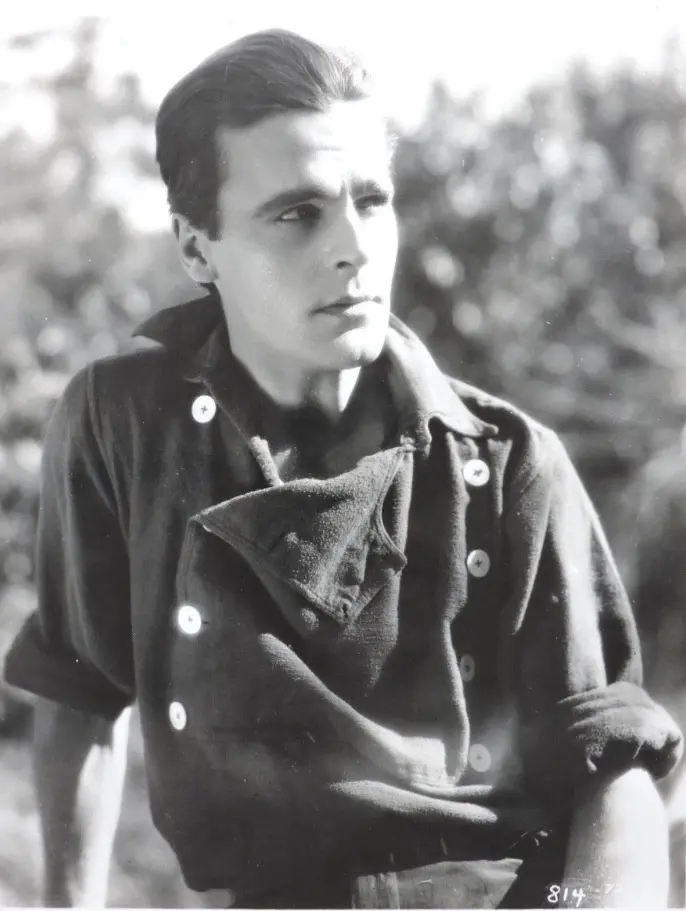
As the film concludes with the marriage of Tennessee and Betty, it offers a rare moment of optimism. Their union represents a new kind of partnership—one born of shared trauma and mutual respect rather than the exploitative relationships that dominate the rest of the film. It suggests that while the Gold Rush was a period of immense cruelty, it also allowed for the forging of new, resilient social structures. In this regard, the film shares a thematic kinship with American Maid, which also explores the intersection of personal identity and national growth.
Reflecting on the supporting cast, George Irving and Neil Hamilton provide solid foundations for the more flamboyant performances of the leads. The direction by Clarence Badger (though often overshadowed by his stars) shows a keen eye for spatial relationships, particularly in the cramped quarters of the mining camp and the expansive, lonely vistas of the priesthood's domain. The film avoids the stagey feel of some contemporary productions like A Prince in a Pawnshop, opting instead for a more cinematic, fluid visual language.
In comparison to other silent works of the period, The Golden Princess stands out for its refusal to simplify the complexities of the human heart. It is not merely a story of good versus evil, but a story of survival in a world that has discarded the rule of law. While it may not have the sheer historical scale of The Battle of Jutland, its intimate stakes make it far more resonant on a personal level. It captures a specific American zeitgeist—the desperate, grasping hunger for something better, and the terrible price one must pay to achieve it.
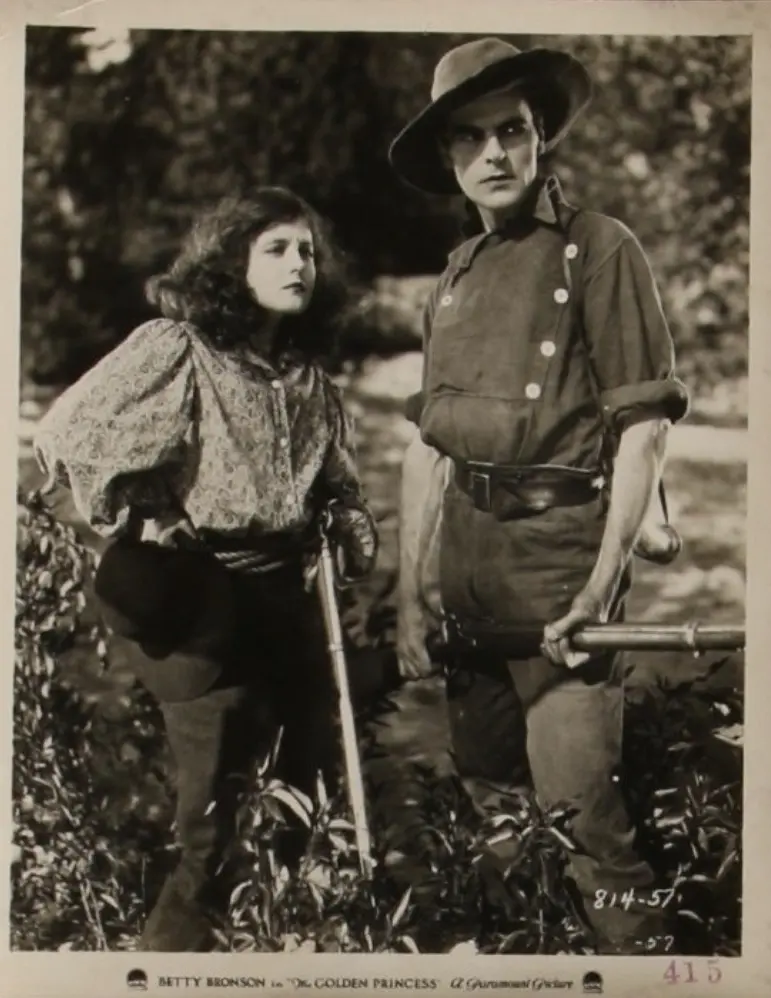
Ultimately, The Golden Princess is a triumph of silent storytelling. It utilizes the limitations of the medium—the lack of sound, the reliance on physical expression—to enhance its atmospheric power. The performances are nuanced, the direction is purposeful, and the script by Frances Agnew remains faithful to the gritty spirit of Bret Harte’s prose. It is a film that demands to be viewed not just as a historical curiosity, but as a vibrant, breathing piece of art that still has much to say about the nature of greed and the possibility of grace.
For those accustomed to the polished artifice of modern cinema, this 1925 gem offers a refreshing dose of reality. It reminds us that the stories we tell about our past are often more about our present—our fears, our hopes, and our enduring capacity for both destruction and rebirth. It is as much a part of the cinematic canon as The Lucky Devil or The Gypsy Trail, yet it possesses a unique, somber beauty that is entirely its own. If you have the opportunity to see a restored print, do not hesitate. The Golden Princess is a mine of cinematic gold waiting to be rediscovered by a new generation of enthusiasts.
While many films of this era have faded into obscurity or suffered from the ravages of nitrate decay, The Golden Princess remains a vital example of how silent film could achieve a level of psychological depth that modern audiences might find surprising. Its influence can be seen in the gritty Westerns of the 1970s, which shared its cynical view of the American frontier. For a different take on the 'behind the scenes' nature of film production during this era, one might look at Bag Filmens Kulisser, or for a study in different dramatic stakes, consider La Destinée de Jean Morénas.
IMDb 6
1914
Community
Log in to comment.