DbcultAccessing Vault...
6.8/10
Senior Film Conservator
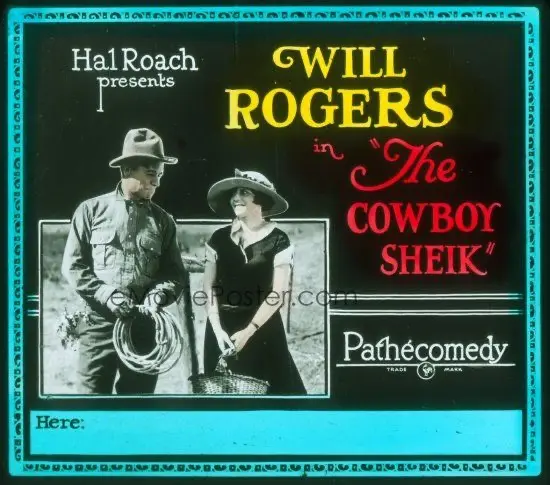
A definitive 6.8/10 rating for a film that redefined the boundaries of cult cinema. The Cowboy Sheik remains a cornerstone of transgressive art.
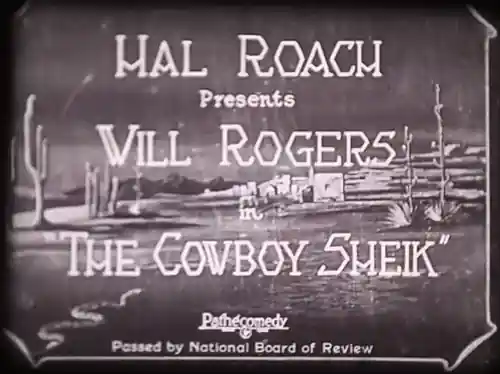
In the pantheon of silent cinema, few figures possess the singular, understated magnetism of Will Rogers. While the 1920s were often defined by the operatic grandeur of epics like Whom the Gods Would Destroy or the visceral, gritty realism of Von Stroheim's Greed, Rogers occupied a space of quiet, observational wit. The Cowboy Sheik, released in 1924 under the prolific banner of the Hal Roach Studios, stands as a fascinating cultural artifact—a film that is as much a critique of cinematic trends as it is a lighthearted comedy.
To understand The Cowboy Sheik, one must first acknowledge the shadow cast by Rudolph Valentino. The "Sheik" phenomenon had swept the globe, installing a specific brand of exotic, aggressive masculinity as the romantic ideal. Rogers, with his quintessential American 'everyman' persona, represents the antithesis of this trend. Unlike the characters in The Man Unconquerable, who often lean into traditional heroics, Rogers’ protagonist is defined by his hesitation. He is a man of the soil, not the desert sands, and his attempts to bridge the gap between his rural reality and the cinematic fantasies of the era provide the film's most potent humor.
The narrative architecture, penned by Al Giebler and Hal Roach alongside Rogers himself, is deceptively simple. A shy cowboy vies for the attention of a schoolteacher (the radiant Marie Mosquini), only to be thwarted by a local bully (Charlie Hall). This triangle is a staple of the genre, yet the execution here feels refreshingly idiosyncratic. It lacks the melodrama of The Storm, opting instead for a rhythmic, almost lyrical pacing that allows Rogers' physical comedy to breathe.
The casting is a masterclass in silent-era archetypes. Charlie Hall, often remembered for his later work with Laurel and Hardy, provides a robust antagonism that never veers into the truly menacing territory found in In the Python's Den. Here, the villainy is puerile and performative, serving as a perfect foil for Rogers’ internalised performance. 'Tonnage' Martin Wolfkeil and Billy Engle round out a supporting cast that functions like a well-oiled machine, their movements choreographed with the precision that became the hallmark of the Roach studio.
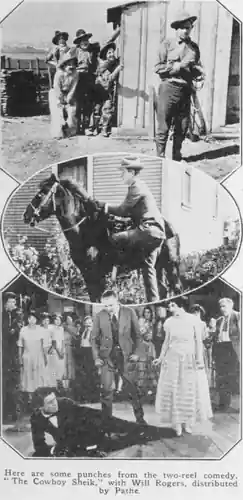
"Rogers does not merely act; he deconstructs the very notion of the Western hero, replacing bravado with a poignant, stuttering grace."
Comparing this to the darker tones of Drama na okhote or the historical weight of Der Leibeigene, The Cowboy Sheik feels remarkably modern. It possesses a self-awareness that was rare for its time. When Rogers’ character attempts to emulate the 'Sheik' persona to win over the teacher, the film enters a realm of meta-commentary. It asks the audience to laugh not just at the character, but at the artifice of the medium itself. This is a far cry from the straightforward moralizing of As a Man Sows.
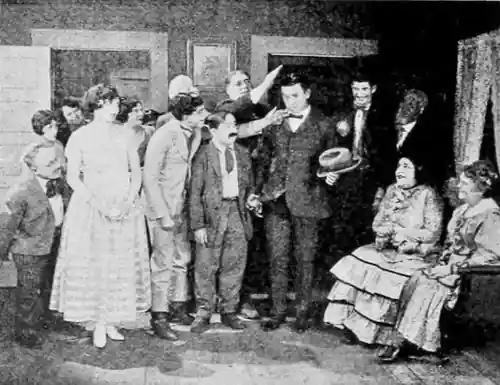
Technically, the film utilizes the expansive landscapes of the American West to emphasize the protagonist's isolation. The cinematography doesn't strive for the gothic intensity of The Deemster, but rather a bright, high-key aesthetic that mirrors the optimism of the comedy. The editing is snappy, particularly during the sequences involving the schoolhouse, where the spatial dynamics between the hero, the teacher, and the bully are exploited for maximum comedic effect.
There is a specific sequence involving a lariat—a Rogers trademark—that serves as a microcosm for the whole film. It is a display of immense skill presented as if it were an accident. This 'accidental expertise' is the core of the Rogers appeal. Unlike the calculated toughness seen in Trigger Fingers, Rogers’ cowboy succeeds through a combination of luck and a refusal to play by the established rules of masculine confrontation.
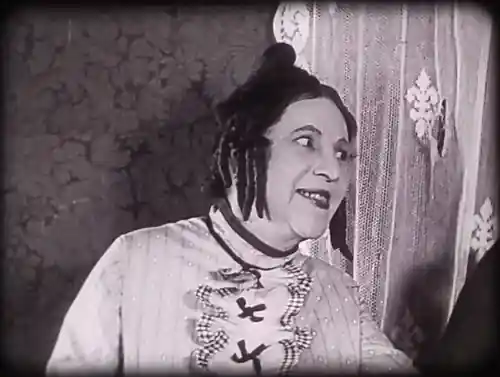
The chemistry between Rogers and Marie Mosquini is understated. In an era where romance was often depicted with the feverish intensity of His Convict Bride, their interactions are grounded in a gentle, almost pastoral sweetness. Mosquini plays the teacher not as a damsel in distress, but as a woman of agency who is clearly amused by the absurdity surrounding her. This dynamic elevates the film above the standard 'save the girl' narrative found in The Other Man's Wife.
The film also touches upon the themes of social hierarchy and the 'civilizing' influence of education in the West. The schoolhouse serves as the arena where the raw, unrefined energy of the cowboy meets the structured world of the teacher. It’s a thematic resonance also explored in Flickering Youth, though handled here with a lighter, more satirical touch.
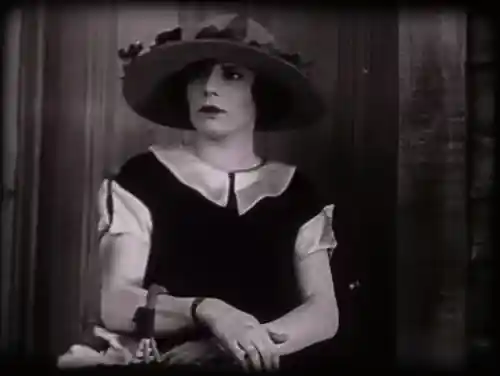
In the broader context of 1924 cinema, The Cowboy Sheik might seem like a minor entry compared to the gargantuan productions of the time. However, its value lies in its subversion. It is a film that understands its audience's fatigue with the 'exotic lover' trope and offers a wholesome, witty alternative. It shares a certain DNA with Hello, Judge in its willingness to poke fun at authority figures and established social norms.
Furthermore, the film avoids the cynicism often found in 'city vs. country' comedies like Skinning Skinners. Rogers’ ranch hand is never the butt of the joke because of his lack of sophistication; rather, the joke is on the world that expects him to be something he is not. This empathetic core is what makes the film endure.
The direction by Hal Roach is invisible in the best way possible. He allows the performers to dictate the energy of the scenes, focusing on medium shots that capture the full physicality of the slapstick. The lack of overbearing intertitles—a common flaw in silent films—allows the visual storytelling to take center stage. This reliance on 'the gag' over 'the word' is what links Rogers to the greats like Keaton and Chaplin, even if his style was more conversational and less acrobatic.
Ultimately, The Cowboy Sheik is a testament to the versatility of Will Rogers. He managed to bridge the gap between the Vaudeville stage and the cinematic screen with an ease that few of his contemporaries could match. While the film may not possess the philosophical depth of Greed, it offers something equally valuable: a moment of genuine, intelligent levity in a rapidly changing world.
As we look back at the silent era, it is easy to get lost in the shadows of the 'great' dramas. Yet, it is in these shorter, punchier comedies that we often find the most honest reflections of the time. The Cowboy Sheik is a brilliant, satirical romp that proves that sometimes, the best way to deal with a bully—or a cultural obsession—is with a well-timed rope trick and a self-deprecating smile. It remains a vital piece of the Hal Roach legacy and a quintessential example of Rogers' enduring appeal.
IMDb 7
1931
Community
Log in to comment.