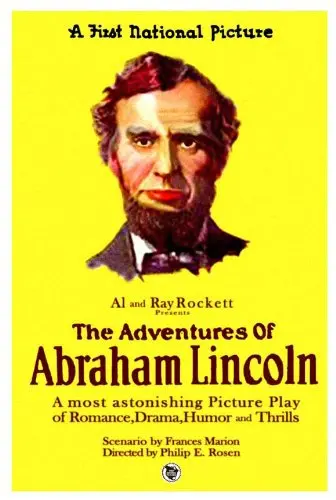
A biographical film featuring the presidency and assassination of Abraham Lincoln during the American Civil War..
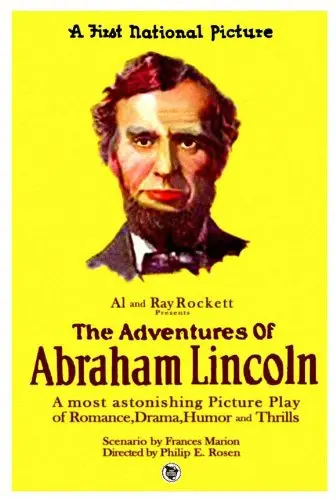
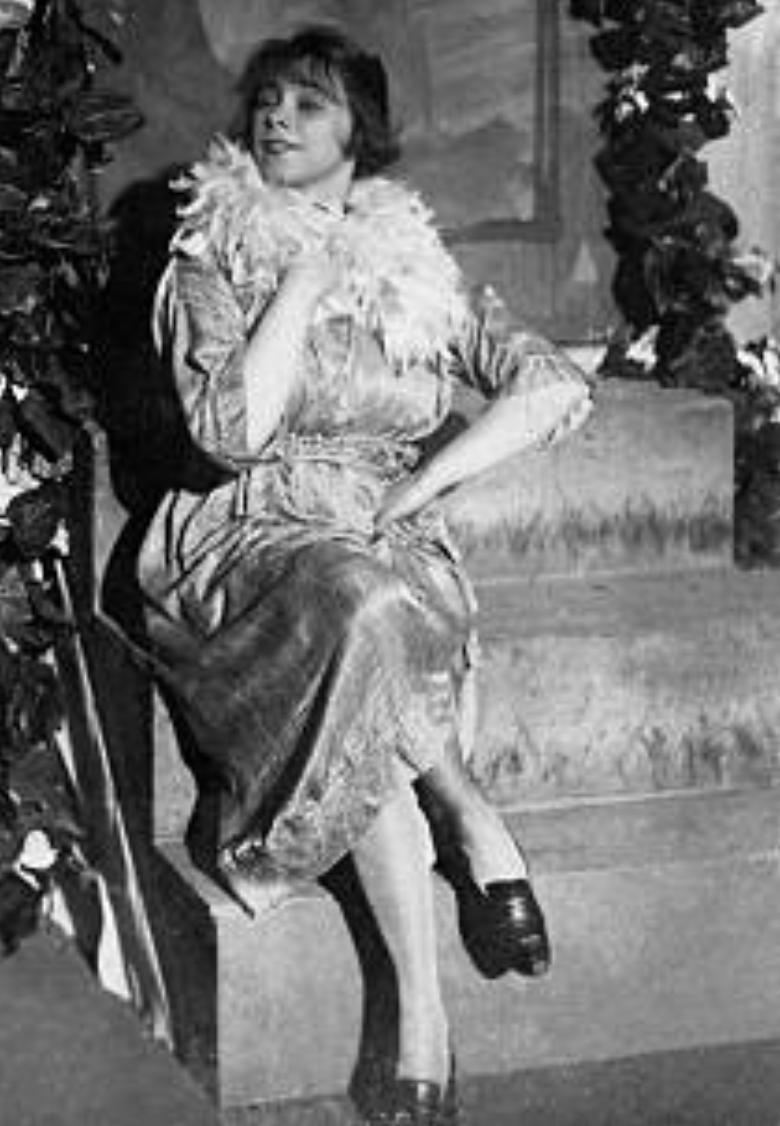
In the annals of silent cinema, few figures loom as large or as dauntingly as the 16th President of the United States. While modern audiences might be more accustomed to the digital sheen of contemporary biopics, there is an ancestral power in Phil Rosen’s 1924 silent epic, The Dramatic Life of Abraham Lincoln. This is...
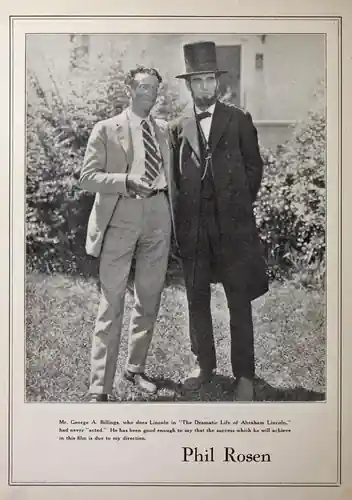
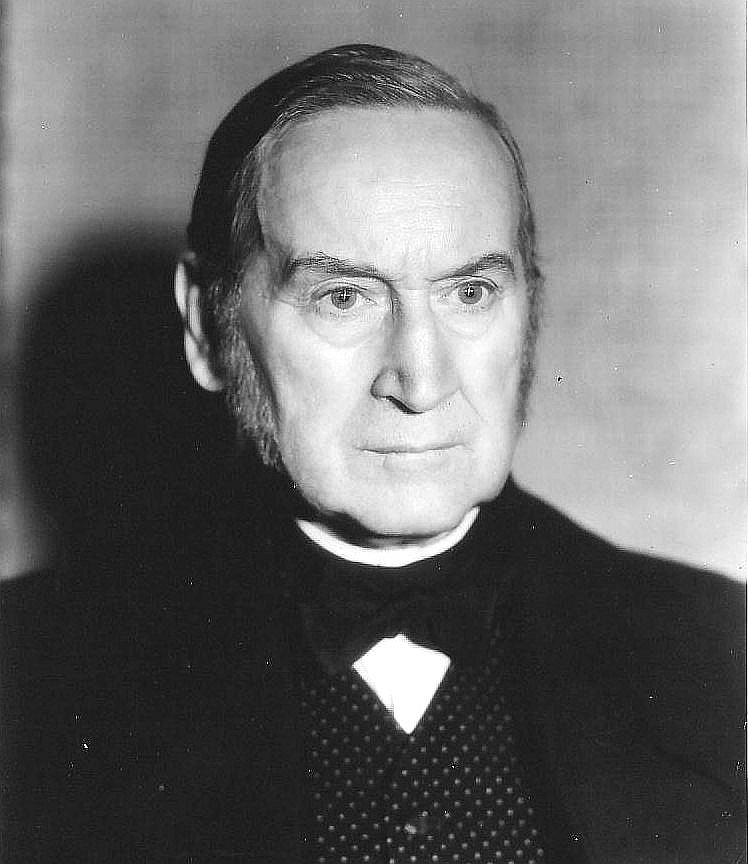
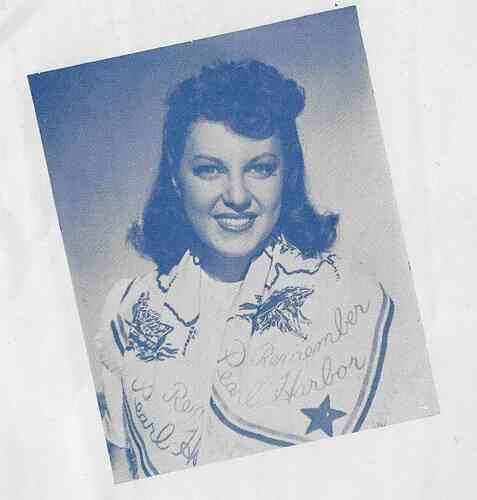
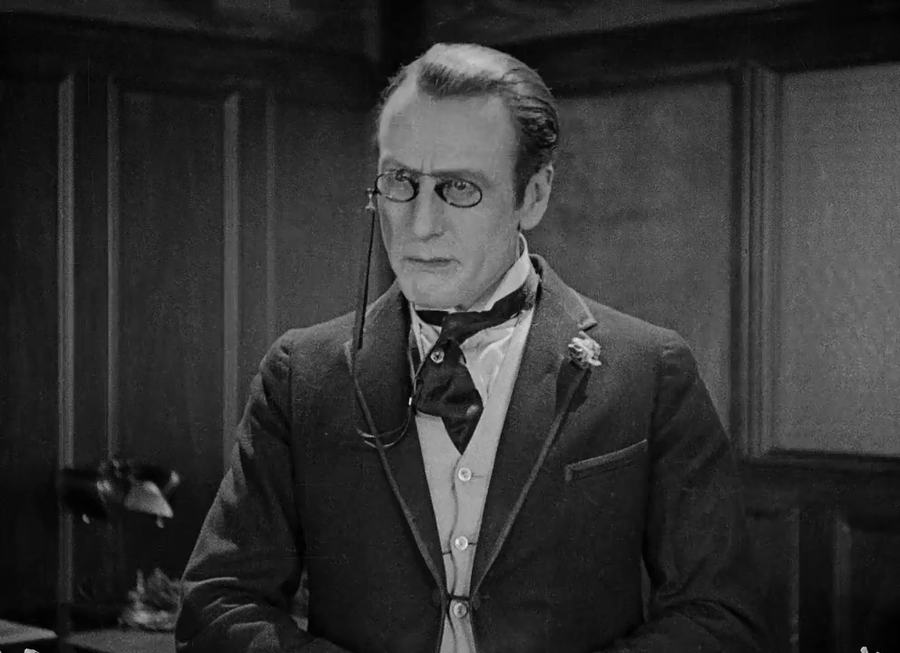
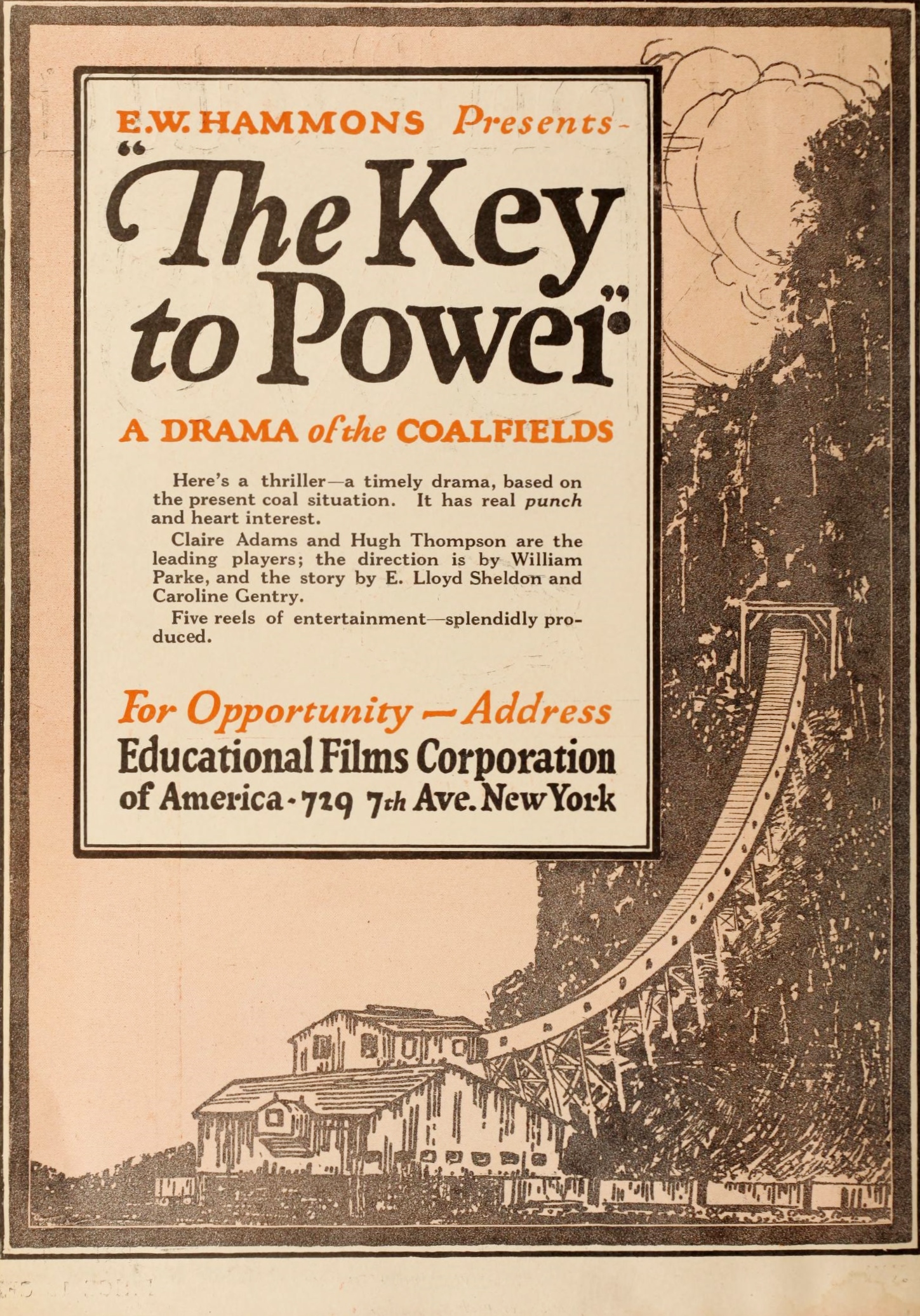
behind_the_scenes
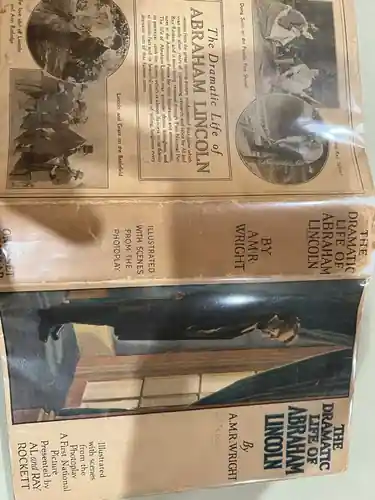
publicity
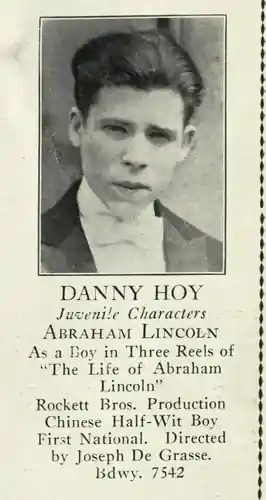
publicity
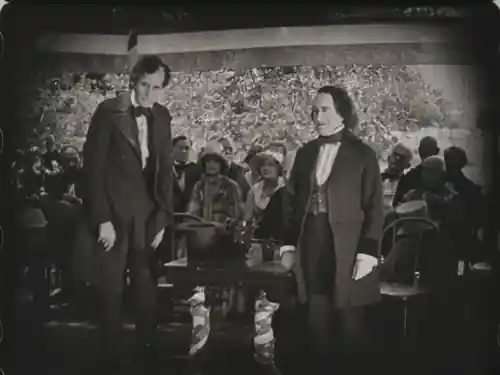
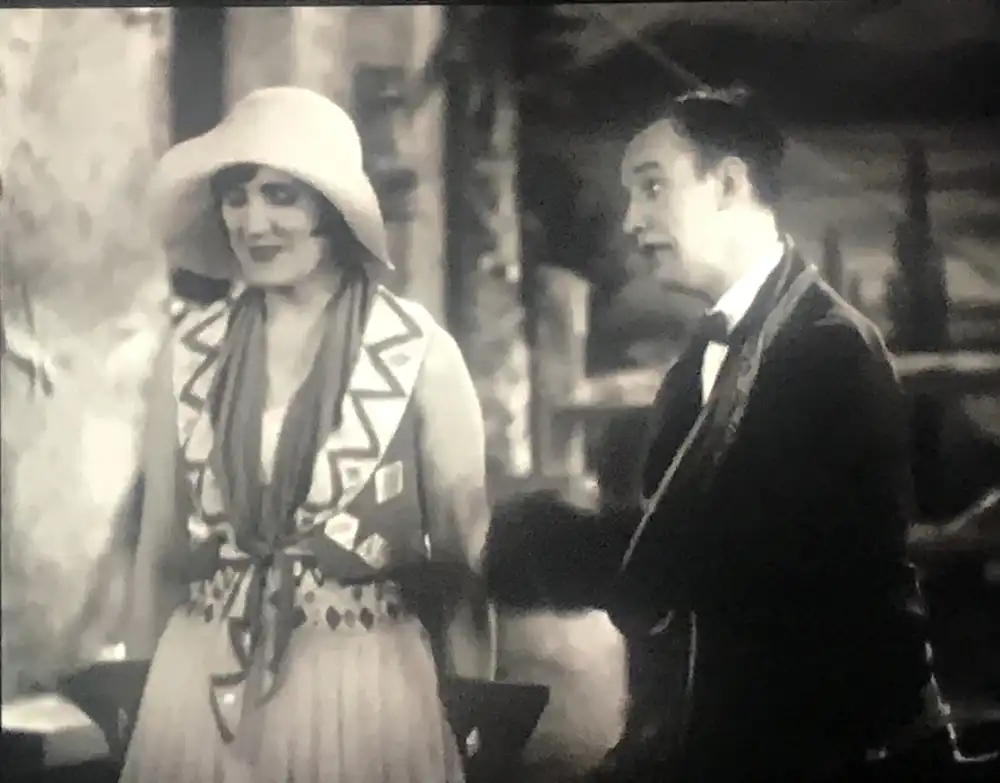
still_frame
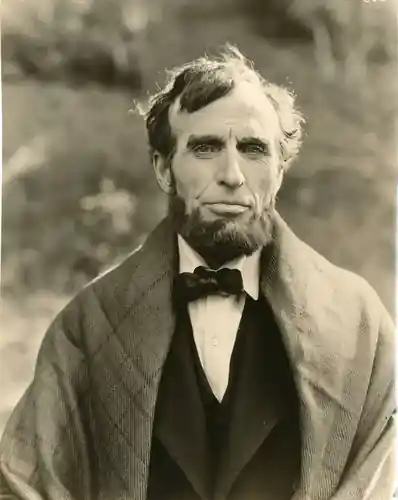
behind_the_scenes
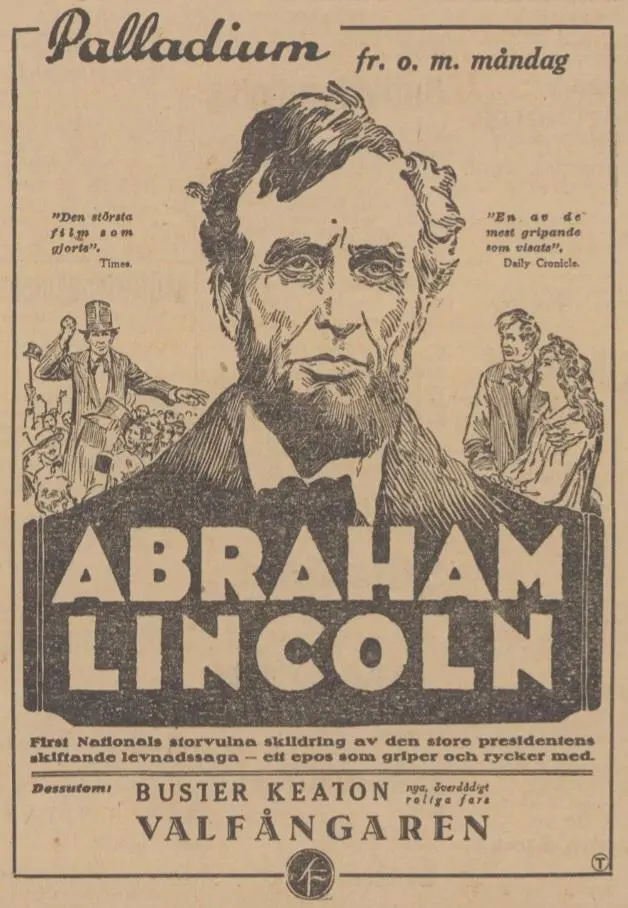
publicity
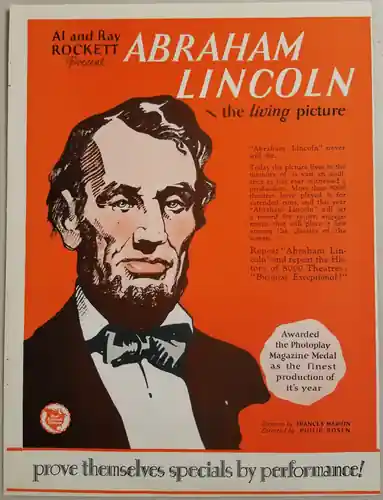
production_art
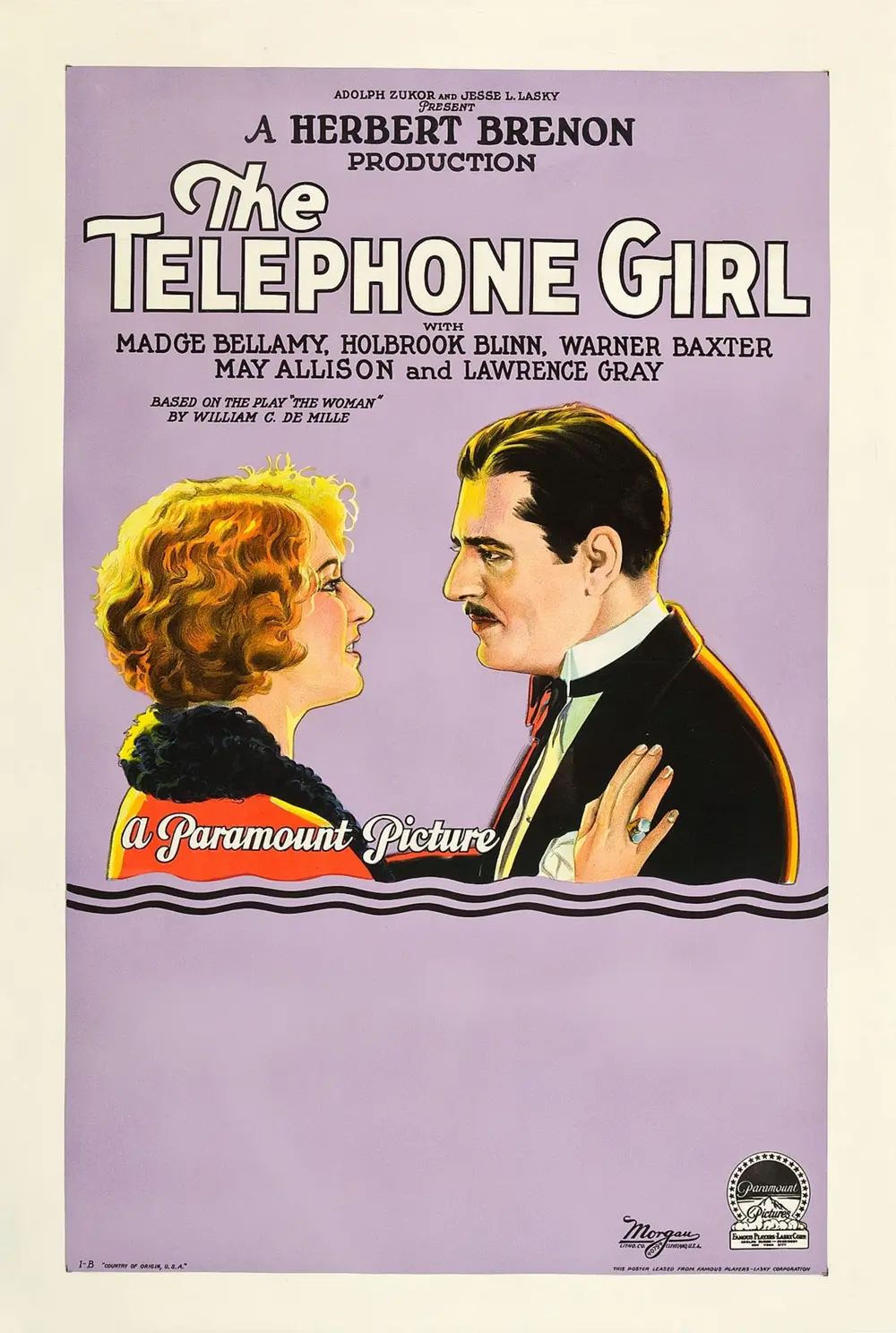
Comparing the cinematic DNA and archive impact of two defining moments in cult history.
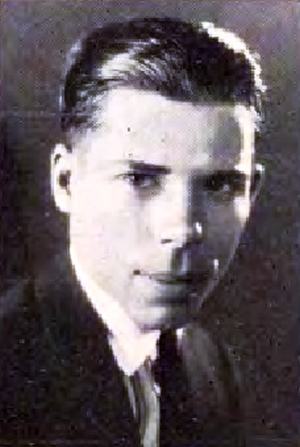
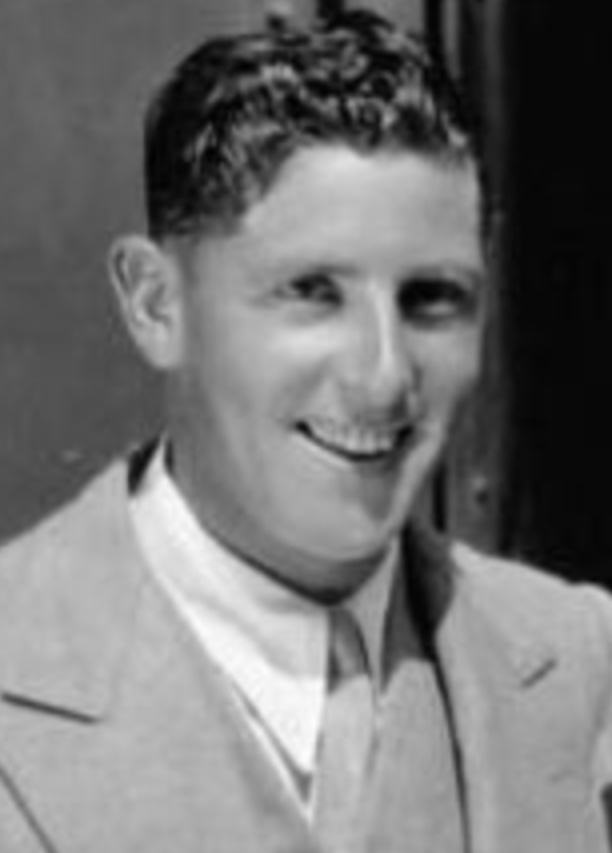
Phil Rosen
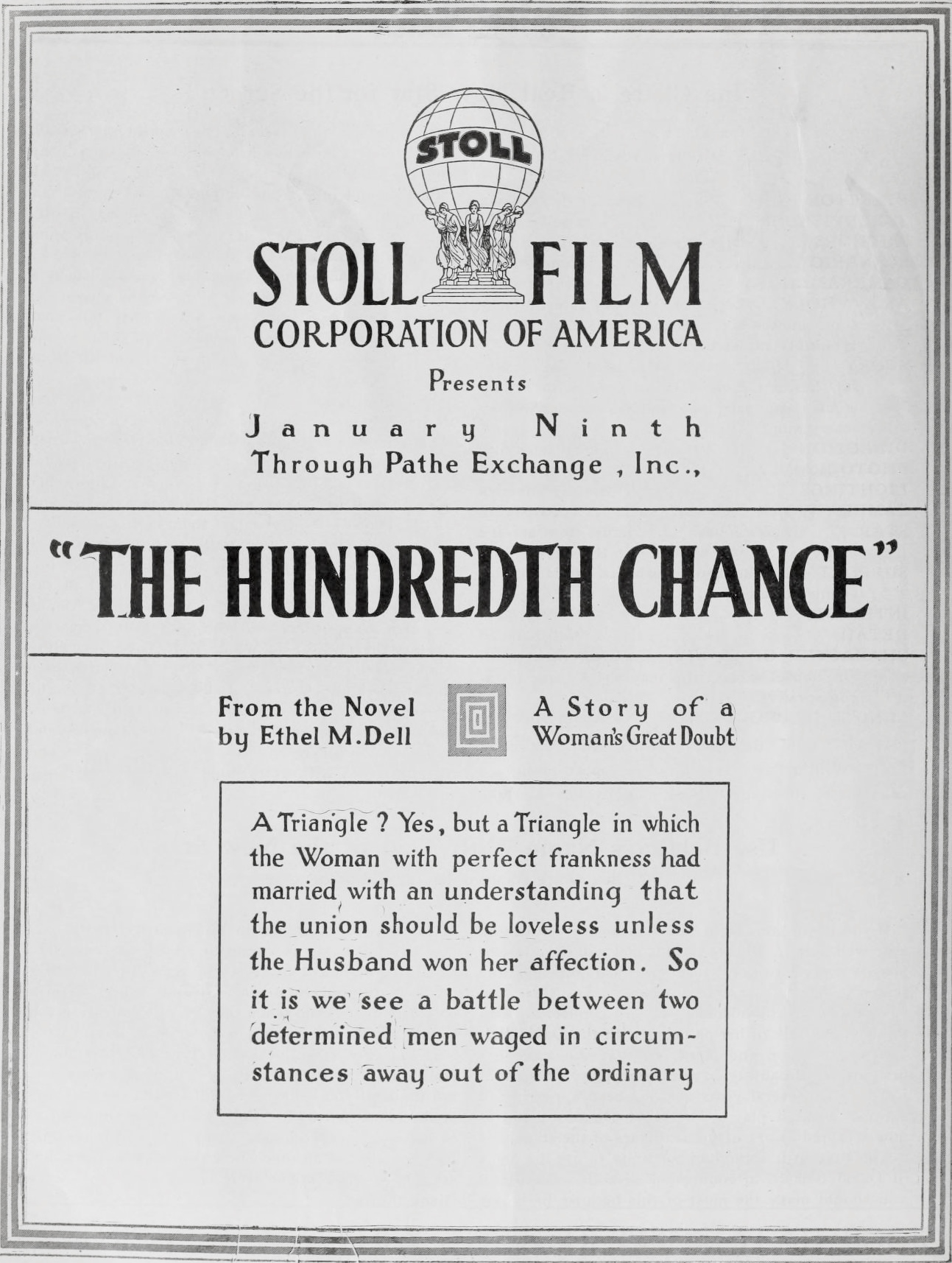
Maurice Elvey
Community
Log in to comment.
"In the annals of silent cinema, few figures loom as large or as dauntingly as the 16th President of the United States. While modern audiences might be more accustomed to the digital sheen of contemporary biopics, there is an ancestral power in Phil Rosen’s 1924 silent epic, The Dramatic Life of Abraham Lincoln. This isn't merely a film; it is a historical artifact that captures the intersection of nascent Hollywood glamour and a sincere, almost devotional attempt to reconstruct the American past..."
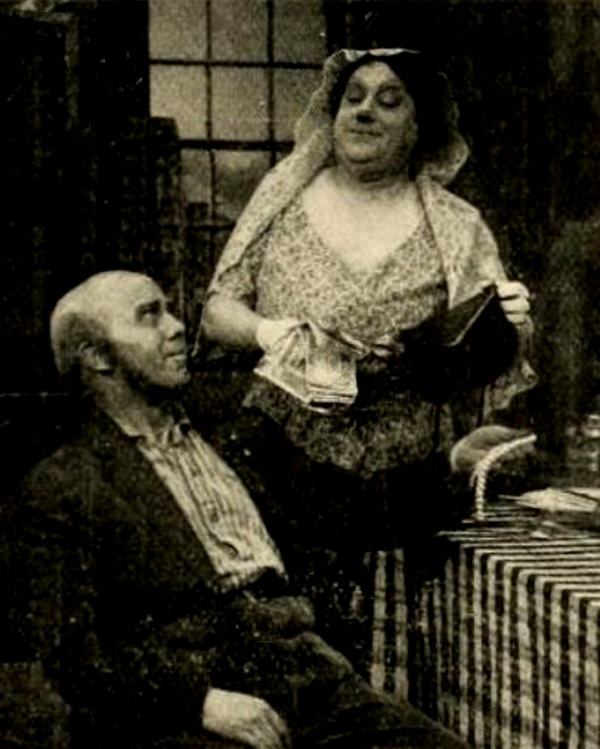
Robert Bolder
Frances Marion
United States
Deep dive into the cult classic
Discover similar cinematic experiences
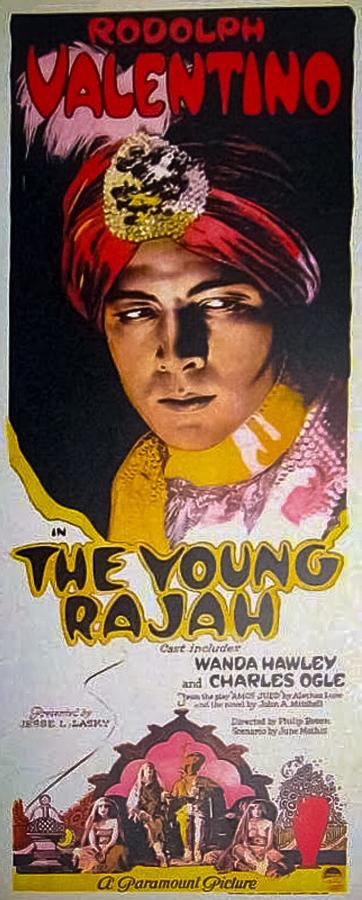
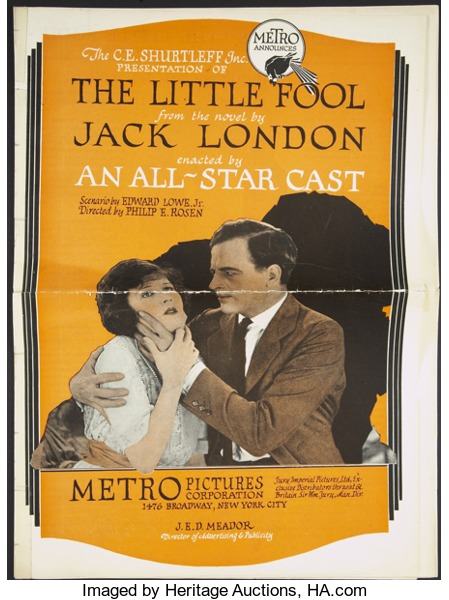
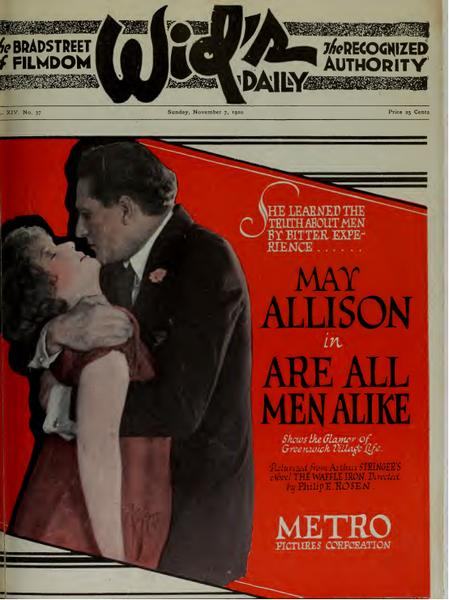
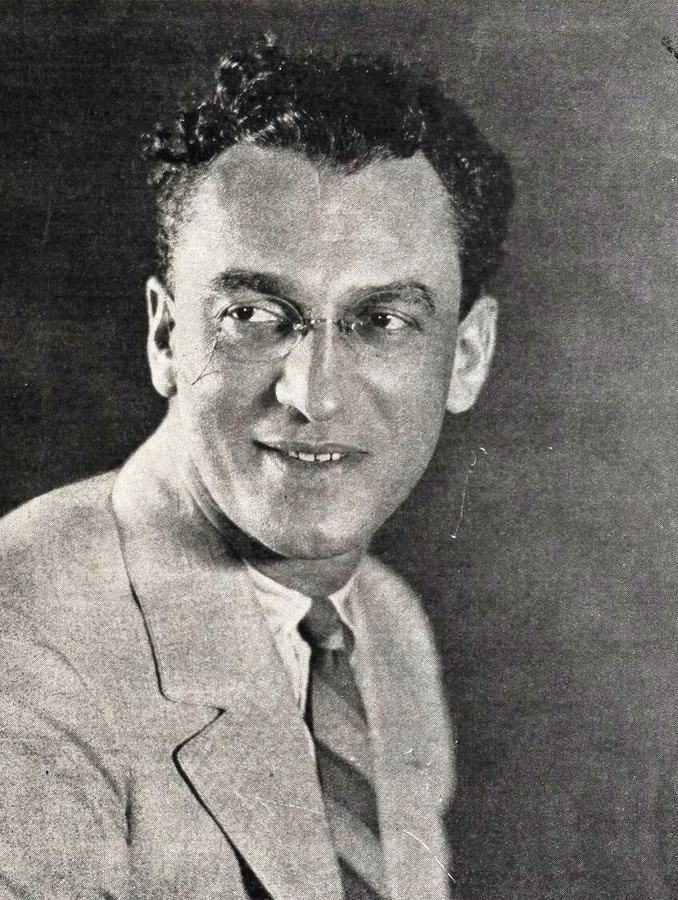
A Directorial Spotlight on Phil Rosen