DbcultAccessing Vault...
Cult Review
Senior Film Conservator
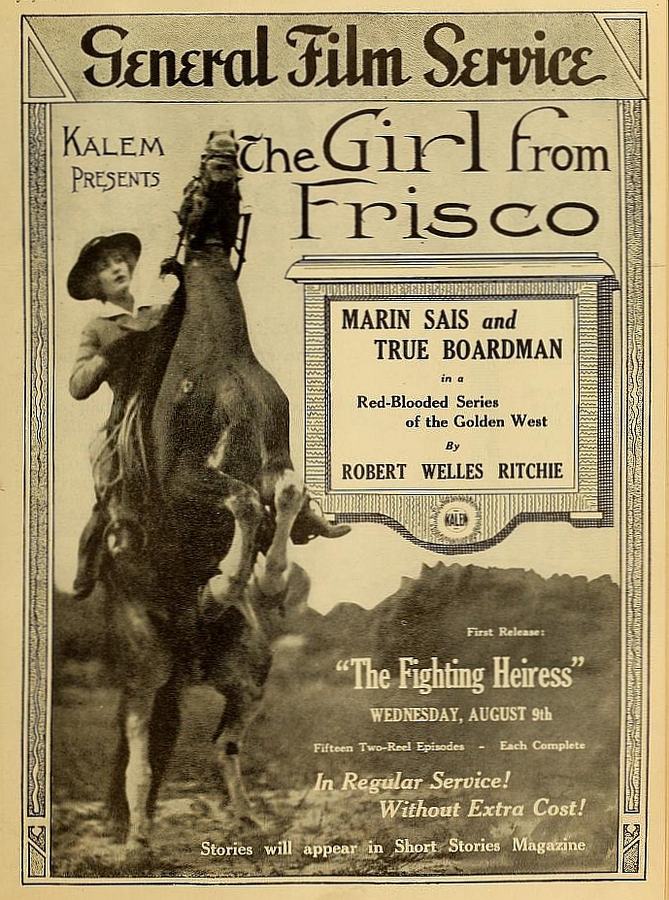
In the nascent days of cinema, when the flickering images on silver screens were still weaving their way into the cultural fabric, a particular genre began to take root in the American consciousness: the Western. It was a canvas ripe for tales of heroism, lawlessness, and the rugged individualism that defined a burgeoning nation's mythology. Amidst this burgeoning landscape, one series emerged that not only embraced these tropes but subtly, yet powerfully, subverted them with a protagonist unlike many of her contemporaries. We're talking, of course, about 'The Girl from Frisco' (1916), a remarkable 25-part serial that delivered a fresh, dynamic perspective on frontier justice through the eyes of a formidable cowgirl.
This sprawling cinematic endeavor, crafted by the visionary Robert N. Bradbury and penned by Robert Welles Ritchie, isn't just a collection of thrilling escapades; it's a testament to the evolving narratives of the silent era. Each of its 25 two-reel episodes presented a complete story, a self-contained miniature drama that contributed to a larger, overarching sense of the protagonist's unwavering dedication to righteousness. This episodic structure, while common for serials of the time, allowed for a nuanced exploration of various facets of frontier life and the myriad challenges faced by its inhabitants. Unlike some serials that relied heavily on cliffhangers, 'The Girl from Frisco' offered satisfying resolutions within each installment, fostering a sense of narrative closure while maintaining viewer loyalty through the consistent appeal of its central character.
At the heart of this compelling series is its unnamed cowgirl protagonist, brought to life with captivating vigor by Marin Sais. In an era where female characters often occupied roles of damsels in distress or romantic foils, Sais's portrayal was nothing short of revolutionary. Her character wasn't merely a passive observer or a prize to be won; she was an active agent of change, a force to be reckoned with, consistently taking the reins (both literally and figuratively) in the pursuit of justice and the protection of the innocent. She embodies an archetype of proto-feminist strength, demonstrating agency, courage, and moral fortitude that transcended the conventional expectations of her time.
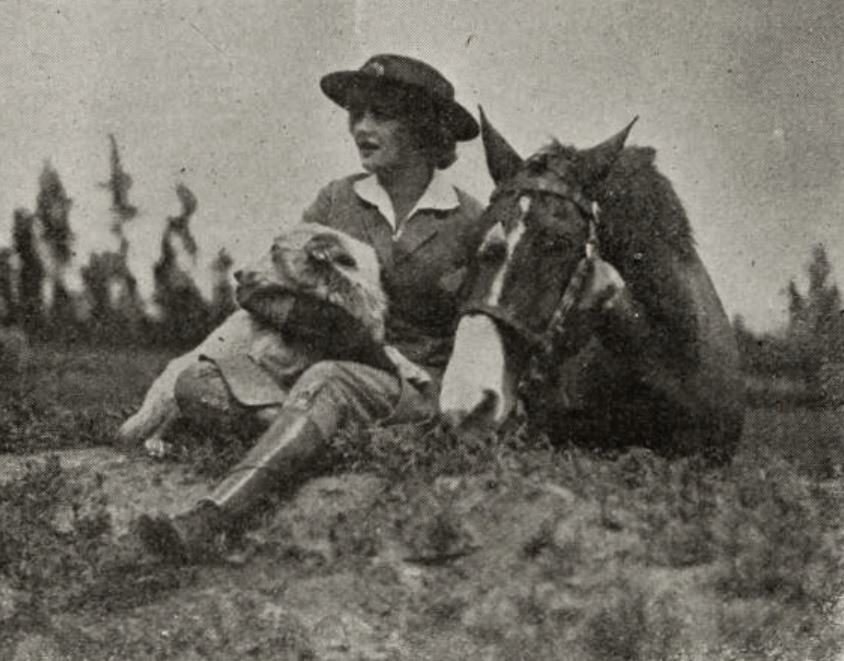
Her resourcefulness is a recurring motif. Whether she's outwitting outlaws, tracking down culprits, or engaging in daring rescues, her actions are driven by an innate sense of fairness and a deep-seated commitment to humanity. This isn't a character who relies solely on masculine protection; instead, she often initiates the action, demonstrates remarkable horsemanship, and exhibits a keen intellect. Her ability to navigate the harsh realities of the Old West with such unwavering determination makes her a truly iconic figure, a testament to the untapped potential of female heroism in early cinema. One might draw a stark contrast to some more traditional female roles of the period, perhaps even considering The Pretty Sister of Jose, which, while featuring a strong-willed character, grounds her narrative more firmly in romantic melodrama and societal constraints, rather than the expansive, action-oriented heroism of the Frisco cowgirl.
While Sais undoubtedly shines, the series benefits immensely from a robust supporting cast who lend gravitas and authenticity to the unfolding dramas. Her fiancé, a consistent presence, provides a crucial emotional anchor and a reliable partner in her endeavors, demonstrating a progressive partnership dynamic where his support amplifies her agency rather than diminishing it. Similarly, her rancher father, a figure of wisdom and experience, grounds the narrative in familial loyalty and the established order, even as his daughter challenges and reshapes that order through her proactive justice. This familial and romantic triumvirate forms a compelling core, allowing for both personal stakes and broader societal implications in each episode.
The cast, including stalwarts like Jack Hutchinson, Barney Furey, Steve Murphy, Jack McDonald, Frank Jonasson, Jack Hoxie, True Boardman, Karl Formes, Edward Clisbee, and Forrest Taylor, collectively paint a vibrant picture of frontier life. Each actor, under Bradbury's direction, contributed to the rich tapestry of character types typical of the Western genre: the stoic lawman, the nefarious outlaw, the bewildered settler, and the loyal ranch hand. Their performances, often relying on exaggerated gestures and facial expressions characteristic of silent film, effectively conveyed the emotional weight and dramatic tension of each self-contained story. The authenticity brought by these seasoned performers, many of whom were veterans of early Westerns, lent a crucial sense of realism to the often fantastical exploits of the cowgirl.
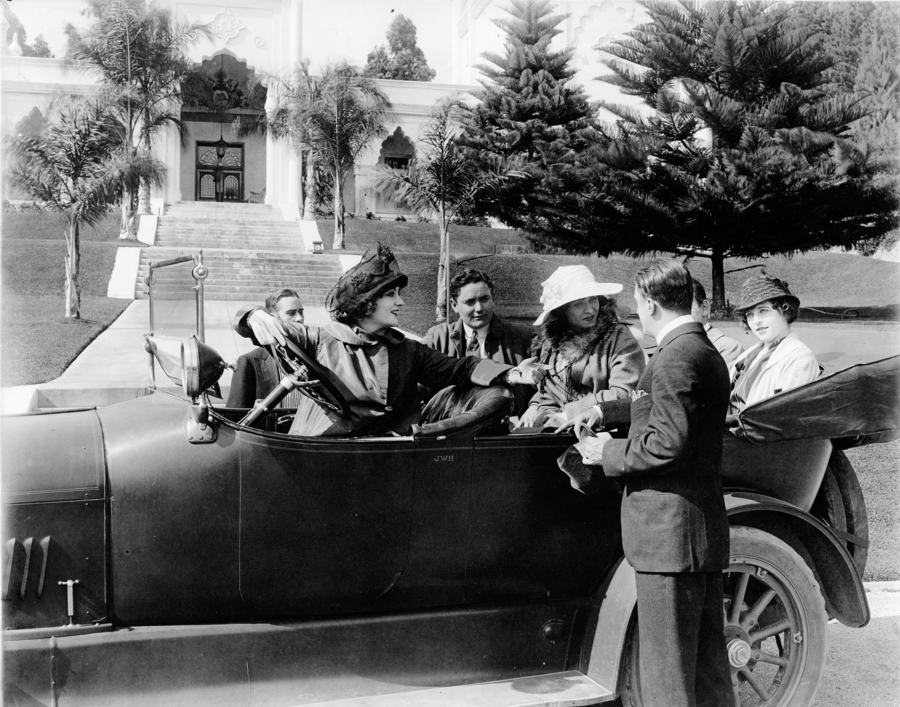
Robert N. Bradbury, a prolific director of Westerns, brings a clear and concise vision to 'The Girl from Frisco.' His directorial choices, while perhaps lacking the overt artistry of some European contemporaries, were perfectly suited to the demands of the American serial. He understood the need for clear storytelling, dynamic action sequences, and efficient pacing to maintain audience engagement across multiple installments. The two-reel format, roughly 20-25 minutes per episode, necessitated a tightly constructed plot, quick character introductions, and swift resolutions, a challenge Bradbury met with consistent skill.
The serial format itself, a dominant form of entertainment in the 1910s and 20s, was a crucial training ground for filmmakers and audiences alike. While some serials, like The Active Life of Dolly of the Dailies, might have focused on urban adventures, 'The Girl from Frisco' firmly planted its flag in the Western genre, demonstrating the versatility of the episodic structure. It allowed for the exploration of diverse mini-plots – from cattle rustling and claim jumping to kidnapping and revenge – all tied together by the central figure of the cowgirl. This variety ensured that each visit to the cinema offered a fresh thrill, preventing narrative fatigue over the series' extensive run.
The thematic core of 'The Girl from Frisco' is an unwavering commitment to justice and humanity. In a period often romanticized as 'wild' and 'lawless,' the series consistently champions the establishment of order and the protection of the vulnerable. Each episode serves as a moral fable, illustrating the consequences of greed, deceit, and violence, and the triumph of integrity and courage. The cowgirl operates as a moral compass, often stepping in where official law enforcement might be absent or ineffective. This resonates with the idealized vision of the Western hero, but with a significant twist: the hero is a woman.
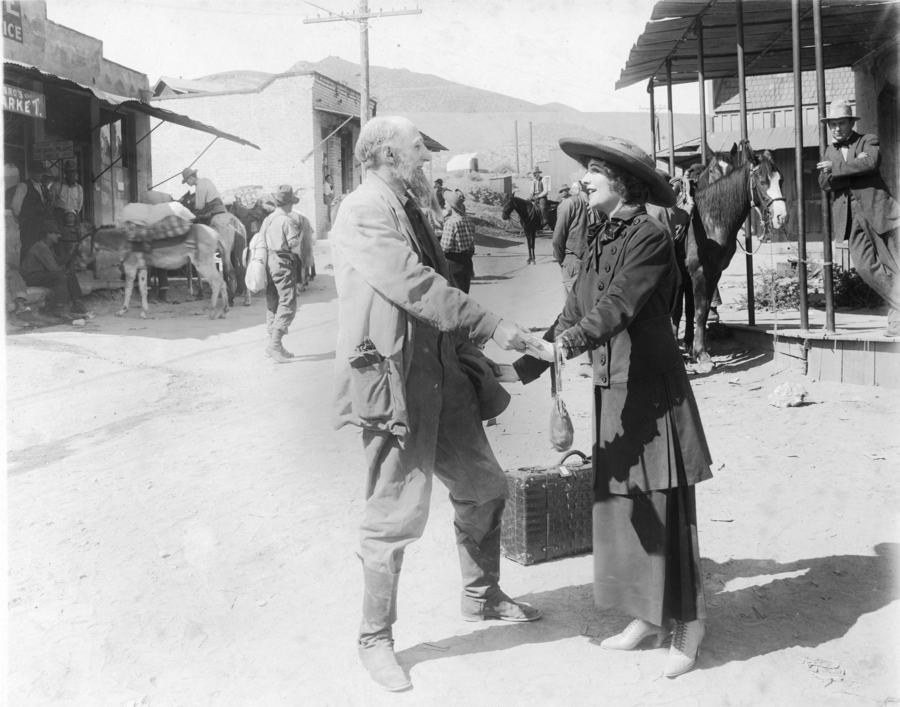
The series subtly explores the complexities of frontier morality. It acknowledges that the lines between right and wrong can be blurred in desperate circumstances, but it consistently upholds a fundamental code of ethics. The cowgirl's actions are never for personal gain or vengeance, but always for the greater good of her community and fellow human beings. This makes her a compelling figure for audiences of the time, who were grappling with rapid societal changes and often looked to cinema for clear moral guidance. This focus on ethical clarity, even in a world of ambiguity, sets it apart from more cynical portrayals of the West, and perhaps offers a more hopeful vision than some contemporary dramas like What's Bred... Comes Out in the Flesh, which delved into darker human impulses.
Visually, 'The Girl from Frisco' embraces the rugged beauty of the Western landscape. While specific locations aren't always explicitly identified, the series effectively utilizes natural backdrops—sweeping plains, rocky canyons, and dusty trails—to enhance its narrative authenticity. The cinematography, constrained by the technological limitations of 1916, still manages to capture the expansive feel of the Old West, making the environment an active character in the drama. Action sequences, particularly those involving horsemanship, are executed with a raw energy that predates the more polished stunts of later eras, lending a visceral quality to the chases and confrontations.
The editing style, typical of early cinema, is functional and direct, prioritizing clarity of action over stylistic flourishes. There's a certain charm in this straightforward approach, which allows the narrative and character performances to take center stage. The lack of synchronized sound meant that visual storytelling had to be paramount, and 'The Girl from Frisco' excels in this regard, using body language, mise-en-scène, and intertitles to convey plot and emotion effectively. It's a masterclass in silent film communication, demonstrating how compelling narratives could be crafted without a single spoken word. One can reflect on other silent works like Jewel, another serial from a similar period, to appreciate the diverse ways filmmakers were experimenting with visual narrative and character development in the nascent medium.
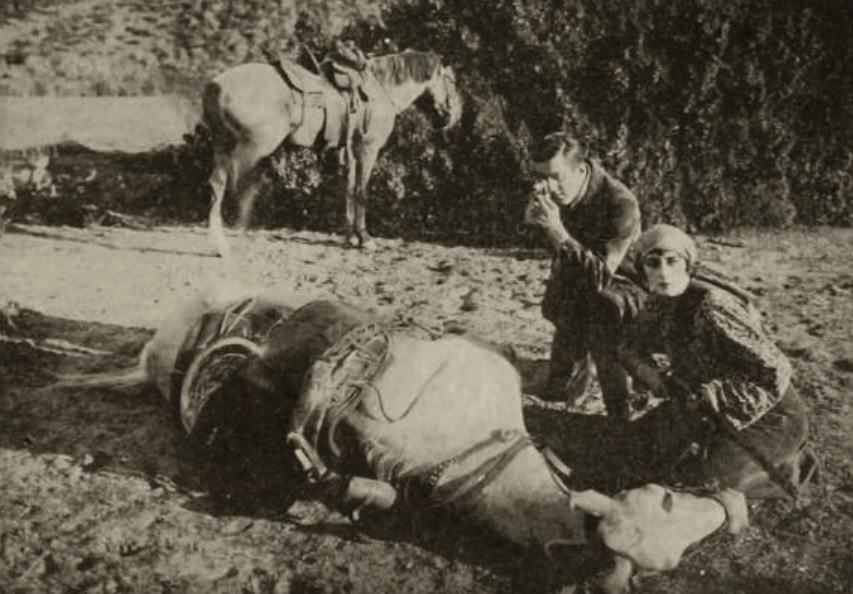
To fully appreciate 'The Girl from Frisco,' it's essential to place it within its historical context. The year 1916 was a pivotal moment for cinema, with feature films gaining traction but serials still holding significant sway. The Western genre was rapidly evolving, moving beyond simple chase scenes to incorporate more complex characterizations and moral dilemmas. This series played a crucial role in that evolution, particularly in expanding the definition of a Western hero.
Its lasting significance lies not just in its pioneering female protagonist, but also in its contribution to the serial format itself. While many early serials have faded into obscurity, 'The Girl from Frisco' remains a touchstone for understanding the early development of the Western and the representation of women in film. It offered audiences a refreshing alternative to traditional narratives, demonstrating that courage, intelligence, and leadership were not exclusive to one gender. This makes it an invaluable artifact for film historians and enthusiasts alike, providing a window into the cultural aspirations and entertainment preferences of a bygone era. Comparing its impact to a more politically charged film like Mariano Moreno y la revolución de Mayo, we see how cinema, even in its infancy, could serve both as pure entertainment and as a vehicle for cultural commentary or historical narrative, albeit through different lenses.
In conclusion, 'The Girl from Frisco' is far more than a relic of early cinema; it's a vibrant, compelling series that continues to resonate with its themes of justice, courage, and the pioneering spirit. Its fearless cowgirl protagonist, brought to life with such verve by Marin Sais, stands as a testament to the enduring power of strong female characters and the boundless possibilities of the Western genre. For anyone interested in the foundational elements of American cinema, the evolution of the Western, or the early portrayal of empowered women on screen, this serial is an essential and thoroughly engaging watch. It reminds us that even in black and white, and without a single spoken word, the spirit of adventure and the pursuit of righteousness can shine with an incandescent brilliance.
IMDb 5.5
1935
Community
Log in to comment.