DbcultAccessing Vault...
5.7/10
Senior Film Conservator
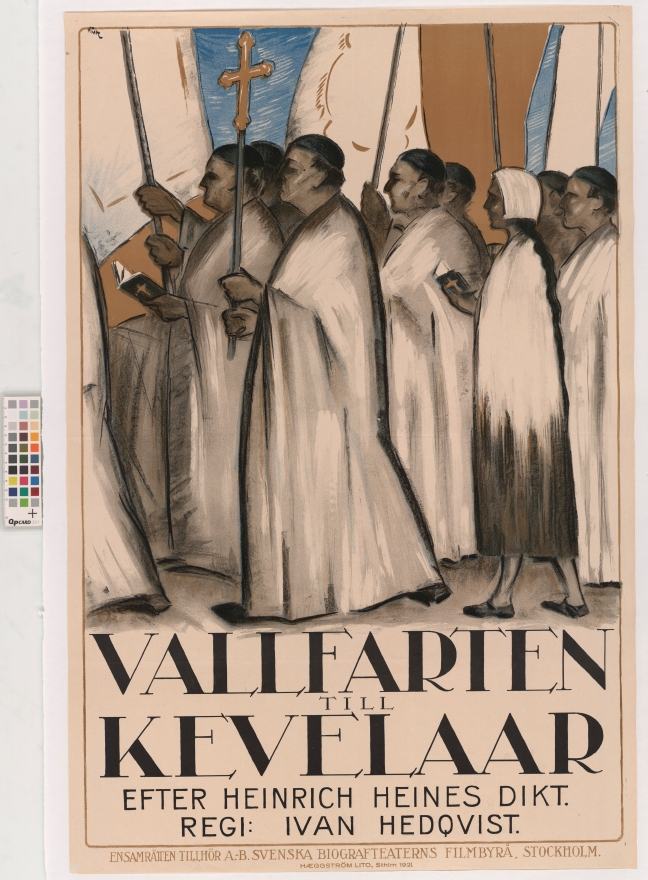
A definitive 5.7/10 rating for a film that redefined the boundaries of cult cinema. Vallfarten till Kevlaar remains a cornerstone of transgressive art.
The cinematic landscape of Vallfarten till Kevlaar is a poignant and evocative exploration of the human experience, delving into the complexities of grief, faith, and the unyielding bond between a mother and her child. As the narrative unfolds, the audience is drawn into a world of unmitigated sorrow, where the mother's unwavering resolve is juxtaposed with the son's melancholic introspection. This dichotomy serves as the emotional linchpin of the film, propelling the viewer through a nuanced tapestry of emotions, expertly woven by the director's masterful hand.

The mother, played by Jessie Wessel, is a towering figure of maternal devotion, her every waking moment consumed by the desire to heal the fractured heart of her son. Her pilgrimage to the revered Madonna image is a testament to the transcendent power of faith, as she seeks solace and redemption in the face of unrelenting sorrow. The son, portrayed by Ragnar Hyltén-Cavallius, is a brooding and introspective figure, his melancholy demeanor a poignant counterpoint to the mother's unwavering resolve. As they traverse the desolate landscape, their emotional journeys serve as a powerful reminder of the existential implications of suffering and the human condition.
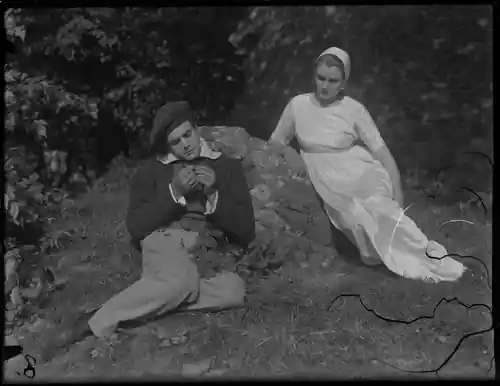
The film's use of yellow and sea blue hues serves as a visual metaphor for the emotional topography of the narrative, with the warm, golden tones of the former evoking a sense of comfort and solace, while the cool, calming tones of the latter conjure a sense of melancholy and introspection. This nuanced use of color palette adds depth and complexity to the film, inviting the viewer to ponder the symbolic significance of these visual motifs. In comparison to other films, such as A Dolovai nábob leánya and Through the Wall, Vallfarten till Kevlaar stands as a singular work of cinematic art, its exploration of the human experience both deeply personal and universally relatable.
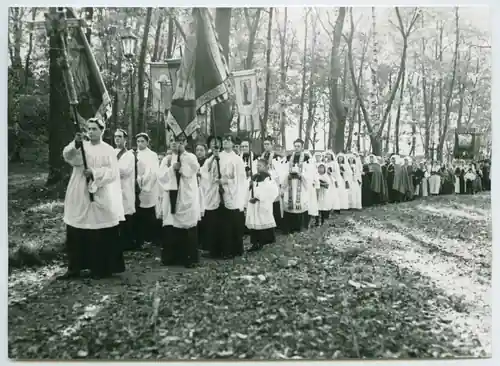
The narrative is also noteworthy for its use of long, sweeping shots, which serve to underscore the sense of desolation and isolation that pervades the landscape. These shots, often filmed in sea blue hues, create a sense of detachment, emphasizing the emotional distance between the mother and her son. In contrast, the interior scenes, often bathed in warm, yellow light, serve as a poignant reminder of the warmth and comfort that exists between the two characters. This juxtaposition of visual motifs adds depth and complexity to the narrative, inviting the viewer to ponder the symbolic significance of these visual choices.
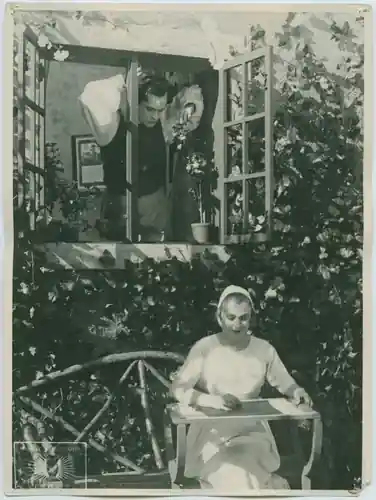
In addition to its technical merits, Vallfarten till Kevlaar is also noteworthy for its thoughtful exploration of themes, including grief, faith, and the human condition. The film's use of the pilgrimage as a narrative device serves as a powerful reminder of the existential implications of suffering, and the ways in which individuals respond to trauma and loss. In comparison to other films, such as Sea Sirens and The Panther Woman, Vallfarten till Kevlaar stands as a singular work of cinematic art, its exploration of the human experience both deeply personal and universally relatable.
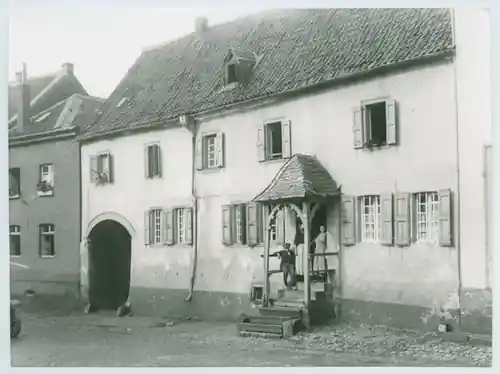
The film's cast, including Jessie Wessel, Ragnar Hyltén-Cavallius, and Sven Tropp, delivers a series of nuanced and emotionally charged performances, bringing depth and complexity to the narrative. The chemistry between the mother and her son is particularly noteworthy, their emotional journeys serving as a powerful reminder of the transcendent power of love and devotion. In comparison to other films, such as S.O.S. and Heart o' the Hills, Vallfarten till Kevlaar stands as a singular work of cinematic art, its exploration of the human experience both deeply personal and universally relatable.
The cinematography, handled by a team of skilled technicians, is a masterclass in visual storytelling, using a range of techniques to create a sense of mood and atmosphere. The use of dark orange hues, for example, serves to underscore the sense of melancholy and introspection that pervades the narrative, while the yellow and sea blue tones serve as a poignant reminder of the warmth and comfort that exists between the mother and her son. This nuanced use of color palette adds depth and complexity to the film, inviting the viewer to ponder the symbolic significance of these visual motifs.
In conclusion, Vallfarten till Kevlaar is a cinematic masterpiece, a poignant and evocative exploration of the human experience that delves into the complexities of grief, faith, and the unyielding bond between a mother and her child. With its nuanced use of color palette, thoughtful exploration of themes, and emotionally charged performances, this film is a must-see for anyone interested in cinematic art. Whether you are a fan of The Forbidden Path, The Ragamuffin, or Vater und Sohn, Vallfarten till Kevlaar is a film that will leave you moved, inspired, and eager to explore the world of cinematic art.

IMDb 6.8
1931
Community
Log in to comment.