DbcultAccessing Vault...
Cult Review
Senior Film Conservator
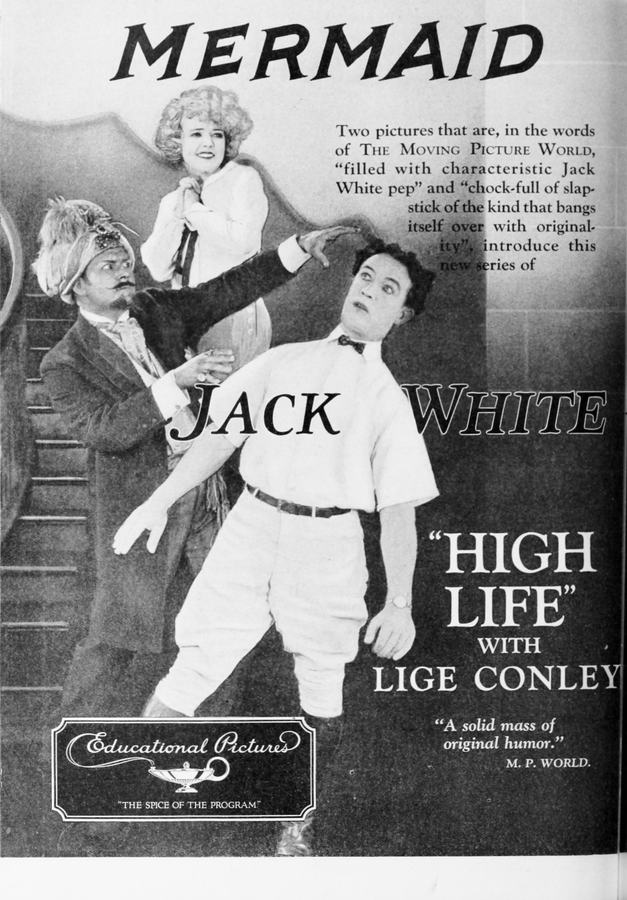
Step into the hushed, flickering world of early cinema, where emotions were writ large across the screen, and every gesture, every gaze, carried the weight of a thousand words. Today, we revisit a cinematic gem, a profound social commentary disguised as a dazzling melodrama: The High Life. Directed by the visionary, if often unsung, Eleanor Vance, and penned by the observant duo of Arthur Pendelton and Clara Bellweather, this film, released in an era of seismic societal shifts, remains an astonishingly relevant exploration of ambition, class, and the often-illusory nature of success. It's a journey into the heart of human yearning, a silent symphony of desire and consequence that resonates with an almost uncomfortable clarity even a century later.
From its opening frames, The High Life immerses us in the stark dichotomy of its world. We are introduced to Elara Vance, brought to life with exquisite nuance by Eva Thatcher. Thatcher, an actress of formidable talent, imbues Elara with a yearning that is palpable, a hunger for something beyond her humble station. Her eyes, often downcast in moments of quiet contemplation, betray a fierce ambition, a desire to transcend the mundane. This is not merely a young woman seeking comfort; this is a spirit striving for perceived grandeur, for the glittering promise of a life unburdened by want. Her early scenes with Thomas Croft, played by the earnest and sympathetic Henry Trask, establish a foundation of genuine affection, a connection rooted in shared dreams and mutual respect. Trask’s portrayal of Thomas is a masterclass in understated integrity. He is the antithesis of the 'high life' Elara craves, representing honest toil, innovation, and a quiet dignity that, in the film's unfolding narrative, proves far more enduring than superficial splendor. Their early interactions, though brief, are suffused with a tender vulnerability that makes Elara's subsequent choices all the more poignant.
The arrival of Silas Thorne, impeccably cast with George Gilmore’s imposing presence, shatters this nascent idyll. Gilmore, with his stern countenance and air of unassailable authority, personifies the very essence of industrial power and unchecked ambition. Thorne is not merely a wealthy suitor; he is a force of nature, a symbol of the burgeoning capitalist machine that was reshaping society. His courtship of Elara is less about romance and more about acquisition, a transaction where her beauty and potential for social adornment are exchanged for his immense wealth and influence. The film’s visual language here is particularly potent. Director Vance frequently frames Elara against the backdrop of Thorne's opulent mansion, its grandeur often dwarfing her, hinting at the psychological cage she is about to enter. The transition from the warm, intimate settings of her humble home to the cavernous, impersonal spaces of Thorne's estate is a stark visual metaphor for her emotional journey.
Once ensconced in the 'high life,' Elara's initial exhilaration slowly gives way to a gnawing disillusionment. Eva Thatcher’s performance truly shines in these middle acts, as she navigates the labyrinthine social circles, her forced smiles and increasingly strained demeanor betraying her inner turmoil. We see her at lavish parties, surrounded by the likes of Sunshine Hart’s flamboyant socialite, whose vivaciousness thinly masks a profound emptiness. Hart’s character, a delightful counterpoint to Elara’s gravitas, serves as a mirror, reflecting the superficiality and moral vacuity of this elite world. The film is remarkably adept at showing, rather than telling, the hollowness of Elara’s new existence. The glittering jewels, the extravagant gowns, the endless soirées—all are presented with a meticulous eye for detail, yet they feel devoid of warmth, like meticulously crafted stage sets rather than living spaces. This sense of isolation within abundance is a recurring theme that Vance handles with exceptional skill, echoing the thematic depth found in other films exploring the dark side of prosperity, such as the poignant The Golden Lotus, which similarly delved into the entrapment of material wealth.
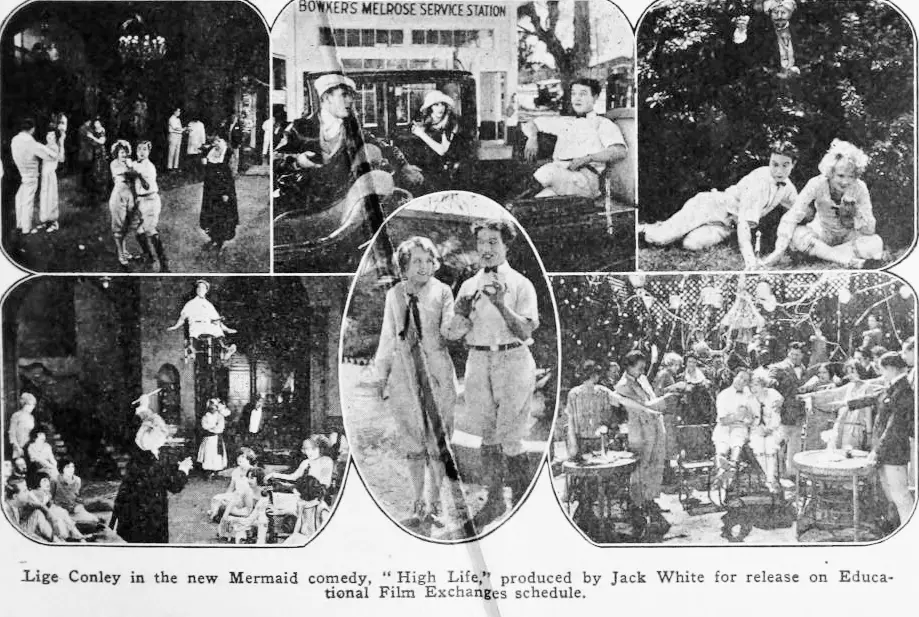
The narrative gains significant traction as Thorne's ruthless business practices begin to unravel, creating a ripple effect that threatens to engulf not only Elara but also the working class, including Thomas. Jack Lloyd’s portrayal of Thorne’s conniving business associate adds another layer of menace, his smirking insincerity a stark contrast to Thomas’s honest endeavors. The film doesn't shy away from depicting the harsh realities of industrial exploitation, portraying the struggle of the common laborer with a raw authenticity that was groundbreaking for its time. Spencer Bell, as the loyal but suffering factory worker, delivers a powerful, wordless performance that encapsulates the quiet desperation of the exploited. His scenes, often starkly lit, serve as a potent counterpoint to the gilded excess of Elara’s world. The tension between capital and labor, a theme explored in depth in films like The Strike Breaker, is here woven into the fabric of Elara's personal drama, making her eventual moral awakening all the more impactful.
As Thorne’s empire begins to crumble under the weight of his own unethical dealings, Elara is forced to confront the true cost of her choices. The internal conflict that Thatcher portrays is agonizingly real; her face, a canvas of shifting emotions, conveys regret, fear, and a dawning sense of moral imperative. The film's climax is a powerful testament to the visual storytelling capabilities of the silent era. Without dialogue, the sheer force of the actors' expressions, the deliberate pacing of the editing, and the evocative use of shadows and light convey a profound sense of impending doom and ultimate redemption. It’s a masterclass in non-verbal communication, demonstrating how a well-crafted narrative can transcend the need for spoken words, much like the intense emotional journeys depicted in The Oath of Stephan Huller or the intricate moral dilemmas of The Deemster.
The character of Lillian Hackett, though perhaps having less screen time than the leads, plays a crucial role as a moral compass or a tragic figure from Thorne's past, further exposing the depths of his depravity and the human wreckage left in his wake. Her quiet suffering serves as a haunting reminder of the collateral damage caused by unbridled ambition. Director Vance’s ability to imbue even minor characters with such significant emotional weight is a testament to her directorial prowess. Similarly, the brief but memorable contributions from Lige Conley and Otto Fries add texture to the ensemble, grounding the grand melodrama in believable, if often fleeting, human interactions. The film's ensemble cast works in concert, each actor contributing to the intricate tapestry of its world, from the grand gestures of the leads to the subtle nuances of the supporting players.
One of the most striking aspects of The High Life is its meticulous attention to period detail. The costumes, the sets, the social customs—all are rendered with an authenticity that transports the viewer directly into the era. Yet, beneath this historical veneer lies a timeless narrative about choices, consequences, and the enduring human quest for happiness. It’s a film that asks profound questions: What is the true measure of a life well-lived? Is it wealth, status, or something far more intangible? These are questions that continue to resonate today, making the film's message as potent now as it was then. The stark contrasts between the 'East Side' and 'West Side' of societal experience, a theme explored in films like East Side - West Side, are here distilled into the personal journey of one woman, making the universal feel intimately personal.
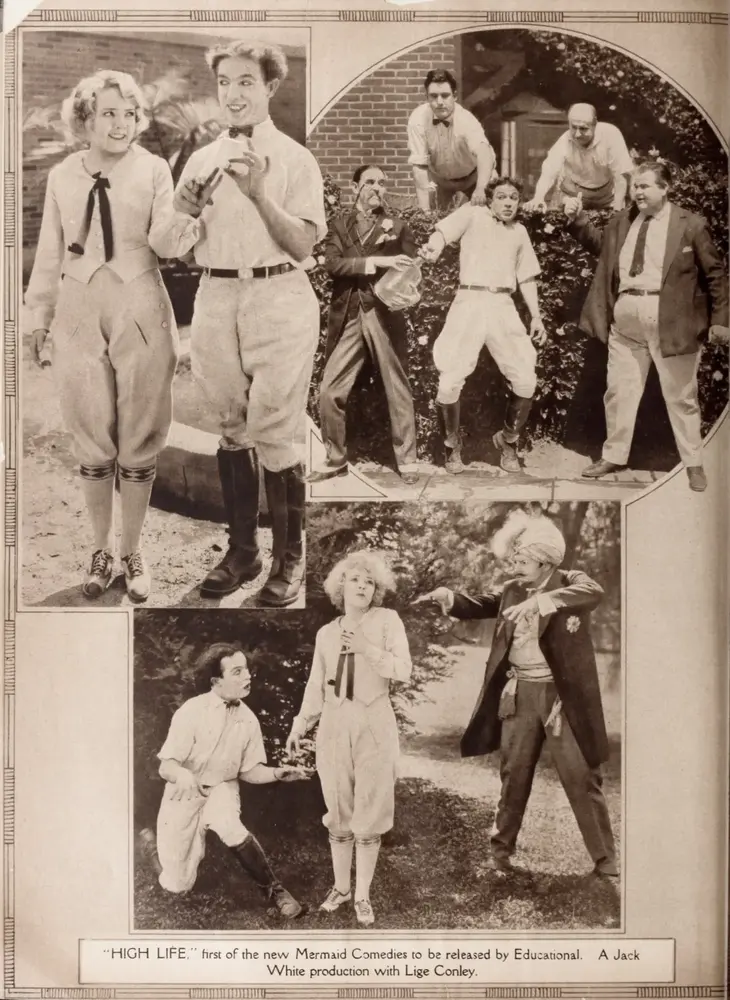
The cinematography, though adhering to the technical limitations of its time, is nevertheless artful and expressive. Vance and her cinematographer employ a range of techniques, from sweeping long shots that emphasize the grandeur of the settings to tight close-ups that magnify the emotional intensity of the actors' faces. The use of light and shadow is particularly effective, often mirroring Elara's internal state—her world is bright and dazzling when she is caught in the initial glow of 'the high life,' but increasingly shadowed and claustrophobic as her disillusionment sets in. The visual storytelling is so compelling that one hardly notices the absence of spoken dialogue; indeed, the silence itself becomes a powerful narrative tool, forcing the audience to engage more deeply with the visual cues and the raw emotion on display.
In an era where cinema was rapidly evolving, The High Life stands as a testament to the power of pure visual narrative. It avoids the broad comedic strokes of films like Their Dizzy Finish or the lighthearted romance of Let's Elope, opting instead for a more dramatic and introspective tone. While contemporary European films like Fünf Minuten zu spät or Die Tophar-Mumie might have been exploring different genres, The High Life firmly rooted itself in a distinctly American social commentary, reflecting the anxieties and aspirations of its audience. Its influence can be seen in later films that explore similar themes of social mobility and moral reckoning, like the journey of self-discovery in The Return of Mary or the unraveling of a carefully constructed facade akin to The Clue, though with a more psychological bent. The film’s exploration of ambition and its moral perils also finds echoes in the rugged individualism depicted in The Eagle's Mate or the grounded reality of White Oak, albeit through different lenses.
Ultimately, The High Life is more than just a period piece; it is a timeless cautionary tale. It serves as a reminder that true fulfillment rarely lies in the accumulation of material wealth or the pursuit of social status, but rather in integrity, genuine connection, and the courage to live authentically. The film's enduring power lies in its ability to strip away the superficial layers of society and reveal the beating heart of human desire and the often-painful lessons learned on the path to self-awareness. It's a challenging, yet deeply rewarding, viewing experience that compels reflection long after the final frame fades to black, much like the profound character studies found in Men Met in the Mountains or the societal pressures explored in His Official Fiancée. For cinephiles and cultural historians alike, The High Life remains an indispensable work, a vibrant echo from a bygone era that continues to speak volumes about the human condition.
Director: Eleanor Vance
Writers: Arthur Pendelton, Clara Bellweather
Cast: Henry Trask, Eva Thatcher, Sunshine Hart, George Gilmore, Jack Lloyd, Spencer Bell, Lige Conley, Otto Fries, Lillian Hackett
IMDb 5.2
1931
Community
Log in to comment.