DbcultAccessing Vault...
6/10
Senior Film Conservator
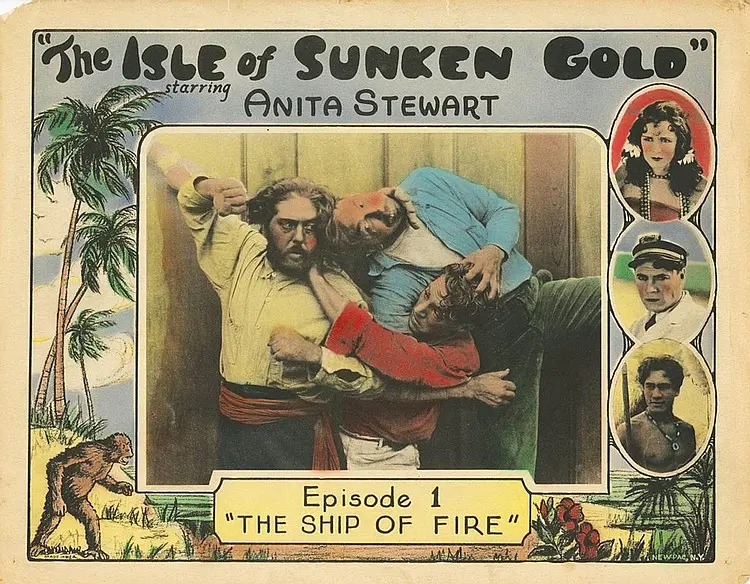
A definitive 6/10 rating for a film that redefined the boundaries of cult cinema. The Isle of Sunken Gold remains a cornerstone of transgressive art.
Is The Isle of Sunken Gold a forgotten masterpiece of early action cinema? Short answer: yes, but only if you view it through the lens of a historical archeologist rather than a modern blockbuster consumer. This film is strictly for those who appreciate the raw, unpolished energy of 1920s serials and the physical prowess of athletes-turned-actors; it is certainly not for anyone who requires high-fidelity sound or nuanced, progressive character development.
For the modern viewer, the decision to engage with this 1927 relic depends entirely on your tolerance for the 'cliffhanger' format. This isn't a cohesive narrative in the way Young Mrs. Winthrop functions as a drama. Instead, it is a series of jolts. If you enjoy seeing the foundations of the adventure genre—elements that would eventually inspire Indiana Jones—then this is a vital watch. It captures a moment in time when the camera was just starting to get adventurous enough to follow the action into the surf.
1) This film works because it utilizes the natural charisma of Duke Kahanamoku and the ruggedness of its location shoots to transcend its meager budget.
2) This film fails because its plot is essentially a repetitive loop of capture and escape that loses steam by the middle chapters.
3) You should watch it if you are a fan of maritime history, silent-era stunts, or the evolution of the action-adventure trope.
The central conceit of the bifurcated map is a trope as old as the sea itself, yet here it feels remarkably tactile. Unlike the more sophisticated mystery elements found in The House of Mystery, the plot of The Isle of Sunken Gold is refreshingly, perhaps even brutally, simple. The captain, played with a stolid determination by Vincente Howard, isn't a complex hero. He is a vessel for movement. When he meets the princess, there is no grand romantic overture; there is only the pragmatic necessity of joining two pieces of paper.
This simplicity is the film's greatest strength and its most glaring weakness. It moves. It breaks. It entertains. But it rarely makes you think. The stakes are purely financial and physical. Compare this to the emotional weight of From the Manger to the Cross, and you see the divide between cinema as art and cinema as a carnival attraction. This film is the latter, and it wears that badge with pride.
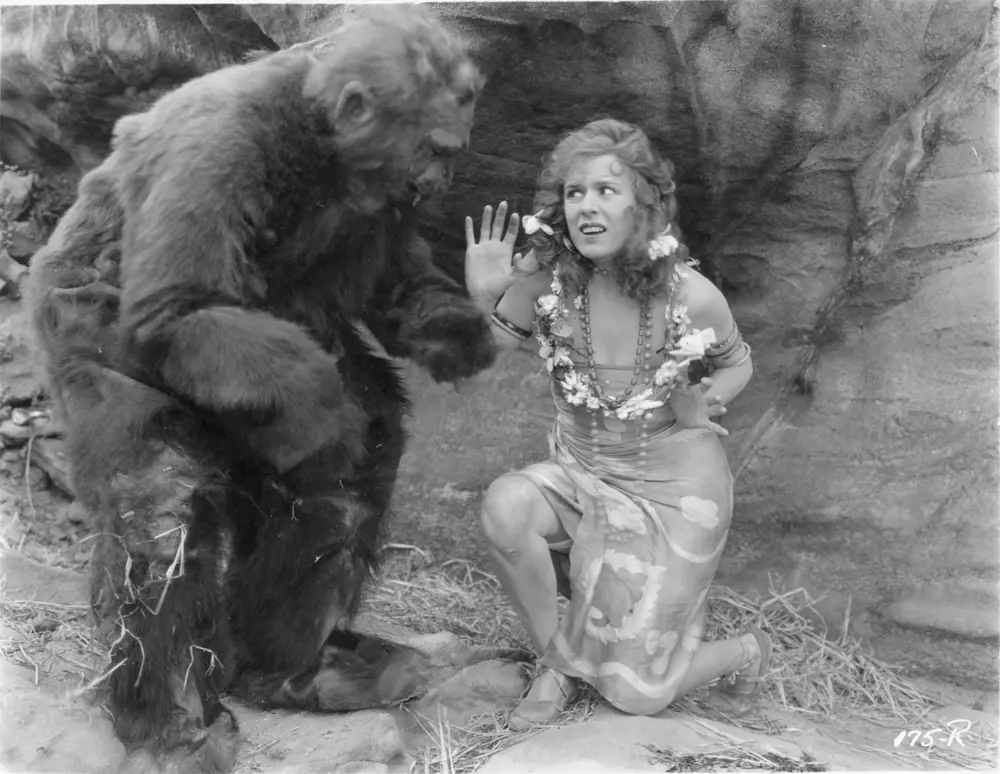
The casting of Duke Kahanamoku is the film's masterstroke. While the lead roles are handled with the typical exaggerated gesticulation of the era—similar to what you might see in A Sainted Devil—Duke brings a grounded, athletic grace to the screen. His presence provides an authenticity to the island setting that the sets and costumes cannot achieve. He doesn't just act; he occupies the space. His swimming sequences are the highlight of the film, providing a fluidity that contrasts sharply with the jerky pacing of the land-based fights.
Anita Stewart and Evangeline Russell provide the necessary high-stakes energy, though they are often relegated to the 'damsel in distress' or 'mysterious royal' archetypes. However, there is a grit to Russell's performance that feels more aligned with the action stars of Protéa than the more passive heroines of the early teens. She isn't afraid to get her hands dirty, which was a necessary evolution for the serial format to survive into the late 20s.
Leo Maloney (directing under the Mascot Pictures banner) understood the limitations of his budget. Instead of trying to mimic the lavishness of Rose of the World, he leans into a gritty, outdoor aesthetic. The cinematography relies heavily on high-contrast natural lighting. This creates a jagged, almost expressionistic feel during the cave sequences. It’s not 'beautiful' in a traditional sense, but it is effective. It feels dangerous.
The pacing is where the film shows its age. Serials were designed to be watched in weekly installments, not binged. When watched back-to-back, the repetitive nature of the 'cliffhanger' becomes exhausting. You see the same narrow escapes that you might find in Fearless Flanagan, but without the benefit of modern editing to trim the fat. The film works in bursts, but as a whole, it’s a marathon of repetition.
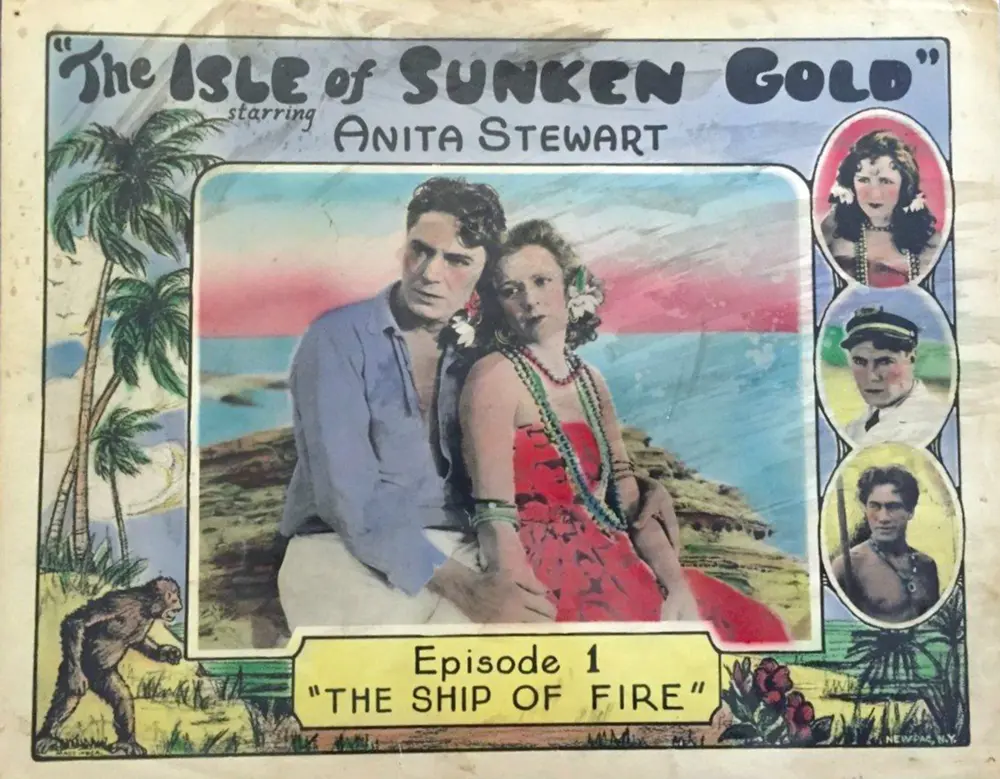
The location shooting is genuinely impressive, capturing a sense of scale that studio-bound films like Up in Betty's Bedroom lack. There is also a raw physicality to the fight choreography. These actors were clearly doing their own stunts, and the lack of safety nets is palpable. The film also serves as a fascinating precursor to the 'jungle adventure' subgenre that would explode in the sound era.
The 'natives' are portrayed with a broad, stereotypical brush that is difficult to stomach today, even more so than in Eine weisse unter Kannibalen. Furthermore, the film suffers from 'serial fatigue'—the plot only advances in the first and last five minutes of each chapter, with the middle filled with redundant chase sequences. The lack of a strong central villain also hurts the tension; the antagonists feel like a revolving door of generic threats.
Most critics focus on the gold, but the real treasure of this film is its obsession with geography. The way the characters move across the island—tracked by the camera in wide, sweeping pans—suggests a director who was enamored with the landscape. It’s almost a proto-documentary of the locations it was filming in. While the story is fiction, the rocks, the waves, and the sand feel like the most honest characters in the movie. This is a stark contrast to the metaphorical landscapes of Shadows from the Past.
The Isle of Sunken Gold is a rough-hewn artifact. It lacks the technical polish of The Iron Woman or the emotional depth of Los niños del hospicio, but it possesses a kinetic energy that is undeniably infectious. It is a film about movement, about the thrill of the chase, and about the sheer spectacle of the human body in motion. If you can overlook its dated social politics and its repetitive structure, you will find a film that laid the groundwork for decades of adventure cinema. It’s not a masterpiece, but it’s a hell of a ride. It works. But it’s flawed. Watch it for the Duke, stay for the stunts, and ignore the script.
IMDb —
1923
Community
Log in to comment.