DbcultAccessing Vault...
4.6/10
Senior Film Conservator
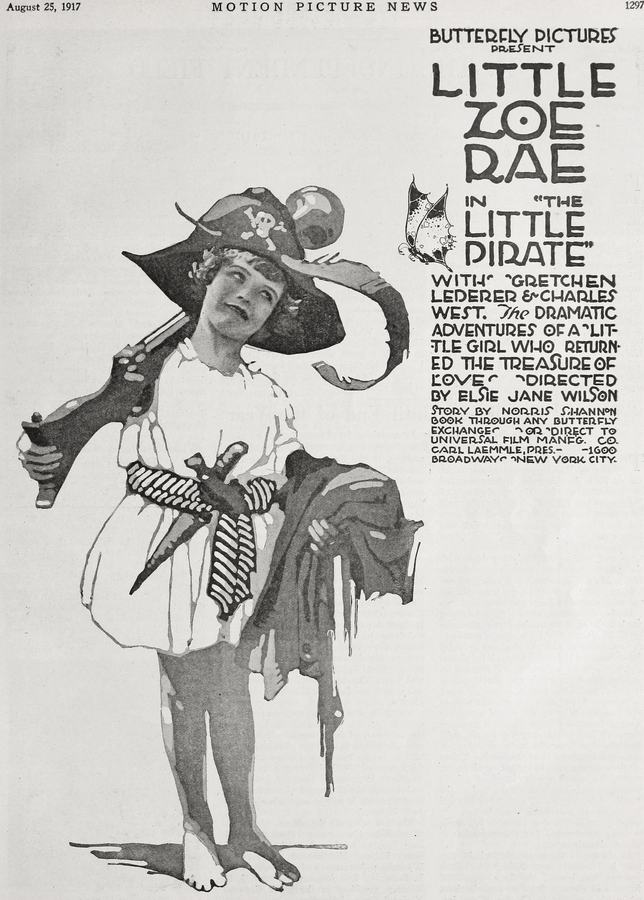
A definitive 4.6/10 rating for a film that redefined the boundaries of cult cinema. The Little Pirate remains a cornerstone of transgressive art.
To gaze upon The Little Pirate (1917) is to witness the nascent power of the child protagonist as a moral compass in early American cinema. Directed during a period of transition for Universal, this film serves as a fascinating artifact of the 'Bluebird Photoplays' era—a brand synonymous with artistic experimentation and high production values. While contemporary audiences might initially dismiss the plot as a simplistic moral fable, a closer inspection reveals a complex tapestry of anxiety regarding class, gender roles, and the precarious nature of wealth in the early 20th century. Much like the protagonist in The Failure, John Baird is a man defined by his proximity to economic collapse, a state that forces him into ethically murky territory.
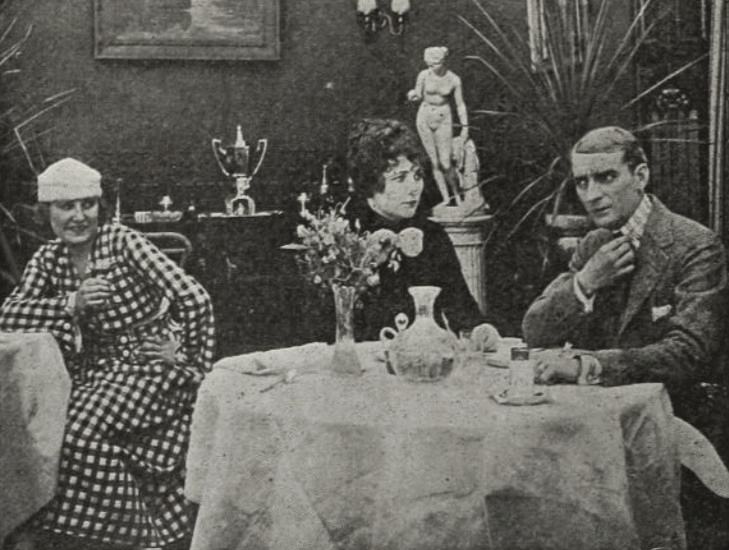
The opening act of the film is a masterclass in tension-building. Charles West portrays John Baird with a weary, desperate energy that feels remarkably modern. We see the weight of the world on his shoulders—a world that demands he maintain the facade of the successful patriarch while his bank accounts bleed dry. The conflict arises not from a lack of love, but from a fundamental breakdown in communication. Virginia Baird, played with a certain Victorian stoicism by Gretchen Lederer, is unable to bridge the gap between her husband’s practical desperation and her own idealistic sense of duty. This disconnect is a recurring trope in the era, echoed in films like The Unwelcome Mrs. Hatch, where the domestic hearth becomes a battlefield of misunderstandings.
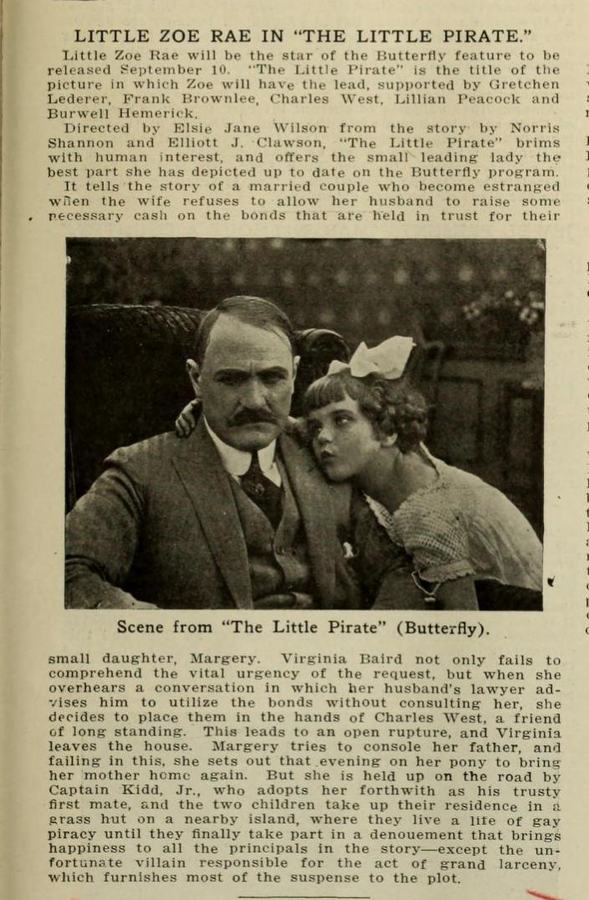
The introduction of George Drake as the 'trusted friend' provides the narrative’s primary engine of betrayal. In the silent era, villainy was often telegraphed through subtle shifts in lighting and posture, and here, Drake’s transition from confidant to thief is handled with a chilling efficiency. When Virginia hands him the bonds, she isn't just protecting her daughter’s future; she is attempting to exert control over a masculine financial world she doesn't fully understand. The irony, of course, is that her attempt at autonomy leads directly to the family's ruin. This thematic thread reflects a broader cultural anxiety about women’s agency and the dangers of disrupting the traditional patriarchal order of the household.
At the heart of the film lies Zoe Rae, one of the most remarkable child actors of the silent period. Unlike many of her contemporaries who were coached into saccharine, unnatural performances, Rae possesses a raw, emotive quality that anchors the film’s more fantastical elements. As Margery, she represents the only pure element in a world corrupted by greed and suspicion. When she sets out on her pony to find her mother, the film shifts from a gritty domestic drama into something resembling a pastoral myth. Her journey is not merely a physical one, but a spiritual quest to restore the lost harmony of her home.
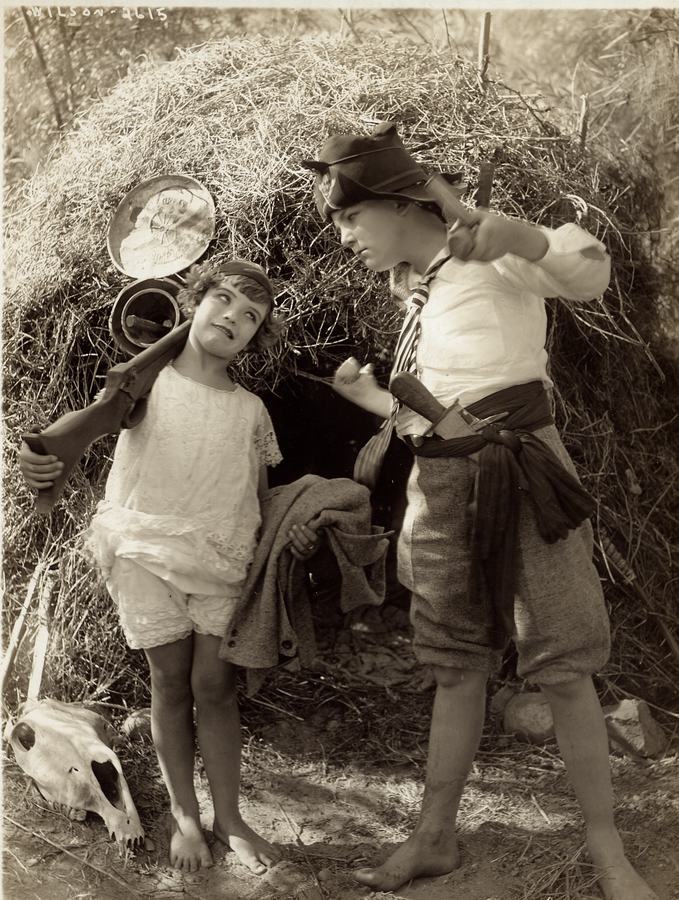
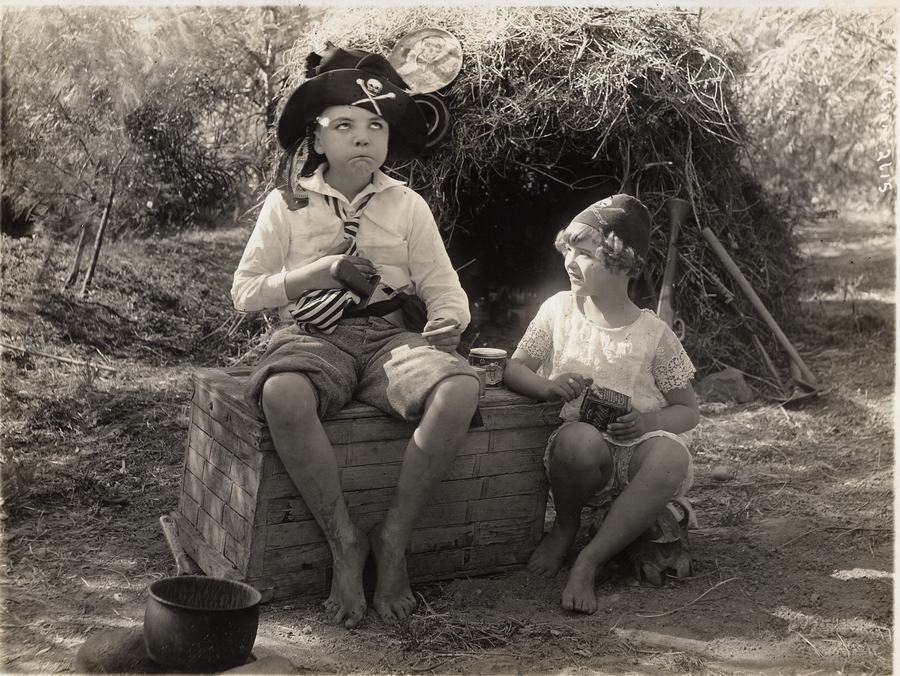
The encounter with 'Captain Kidd Jr.' (Burwell Hamrick) is where the film truly finds its unique voice. The island sequence is a brilliant subversion of the pirate genre. These are children playing at being outlaws, yet they are the ones who ultimately resolve the crimes of the adults. The grass hut, the makeshift costumes, and the 'pirate' games serve as a poignant contrast to the cold, mahogany-filled offices of the lawyers and businessmen back on the mainland. It is an indictment of the adult world: while the parents are tearing each other apart over the *idea* of the bonds, the children find the *reality* of them through play. This thematic resonance can also be found in the whimsical yet grounded narratives of Rip Van Winkle, where the lines between childhood imagination and reality are perpetually blurred.
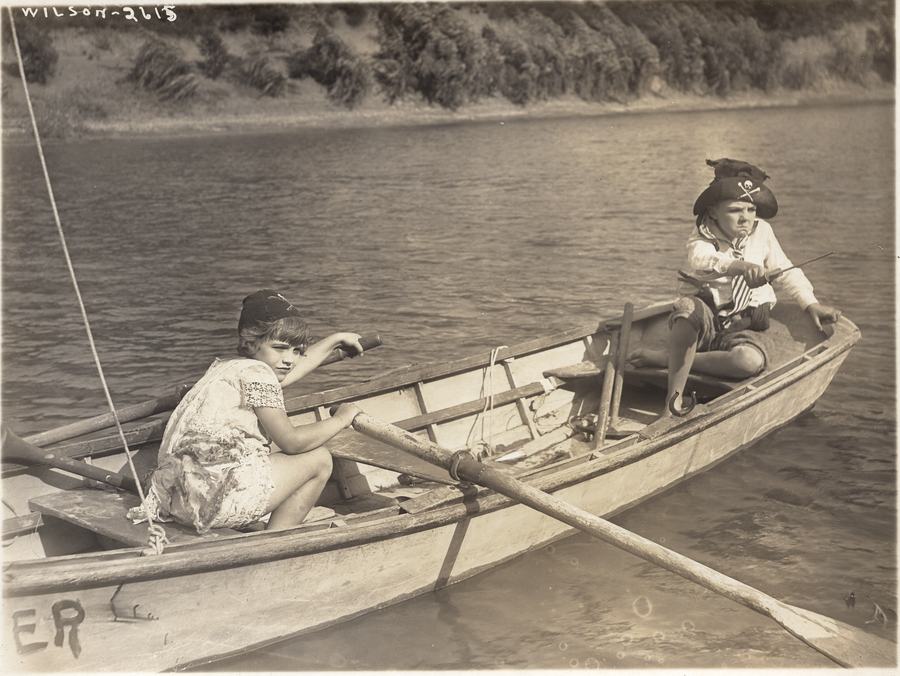
Technically, The Little Pirate excels in its use of location shooting. The island sequences are bathed in a natural light that feels ethereal compared to the high-contrast, shadow-heavy interiors of the Baird home. The director, Elliott J. Clawson, who was more frequently known for his writing, shows a keen eye for composition here. The image of the two children in the leaky boat, drifting back toward the shore with the recovered securities, is an indelible one. It symbolizes the fragility of the family unit—a vessel barely staying afloat, held together only by the innocence of the next generation. The tension in this scene is palpable, far more effective than the melodramatic outbursts that characterize the film’s earlier chapters.
The film’s pacing is remarkably brisk for a 1917 production. It eschews the ponderous intertitles that often bogged down contemporary dramas like Die Tragödie auf Schloss Rottersheim, opting instead to let the actors' physicality drive the narrative. The editing during the discovery of the bonds is particularly noteworthy, using a series of close-ups to emphasize the children's wonder, which mirrors the audience's sense of relief. It is a moment of pure cinematic catharsis.
When we compare 'The Little Pirate' to other films of the era, such as At Bay or The Way of the World, we see a distinct shift toward more character-driven storytelling. While those films often relied on grand spectacles or convoluted plots, 'The Little Pirate' finds its strength in the intimacy of its stakes. The 'war' here is not one of nations, as seen in The Battle and Fall of Przemysl, but a war of the heart and the bank ledger. This focus on the micro-level of human experience makes the film feel more relatable to a modern viewer than many of its contemporaries.
Furthermore, the film’s handling of the 'fallen' woman trope—Virginia leaving her husband—is surprisingly nuanced. In many films of the time, such as the 1917 version of Camille, a woman’s departure from the domestic sphere was often met with tragic consequences or permanent exile. Here, Virginia’s return is facilitated by her daughter, suggesting that the maternal bond is a bridge that can span even the deepest of marital chasms. It’s a softer, more optimistic take on the social upheavals of the time, providing a 'happily ever after' that feels earned through the children's peril.
In the grand canon of silent film, The Little Pirate deserves a place of honor for its tonal dexterity. It manages to balance the heavy themes of financial ruin and marital discord with a sense of wonder and adventure that never feels forced. The chemistry between Zoe Rae and Burwell Hamrick provides a charming core that prevents the film from descending into pure melodrama. It is a reminder that even in the earliest days of the medium, filmmakers were exploring the complex intersections of childhood and the adult world.
For those who appreciate the intricacies of silent era cinematography and the evolution of the child star, this film is an essential watch. It may not have the historical weight of Christophe Colomb or the raw intensity of Manden med Staalnerverne, but it possesses a heart and a visual lyricism that is uniquely its own. It is a story of lost things—lost money, lost trust, lost mothers—and the miraculous way in which the smallest among us can find them again. In a world that often feels as leaky and unstable as the children's boat, the message of 'The Little Pirate' remains as resonant today as it was over a century ago.
Whether you are a seasoned cinephile or a casual viewer looking to explore the roots of the family adventure genre, this film offers a wealth of rewards. From the expertly choreographed pony rides to the tense final rescue, it is a testament to the enduring power of simple, well-told stories. The Bairds' reunion is more than just a plot point; it is a celebration of resilience and the transformative power of a child's love. Don't let this little pirate sail past you; it’s a voyage well worth taking.
IMDb 6.4
1924
Community
Log in to comment.