DbcultAccessing Vault...
6.4/10
Senior Film Conservator
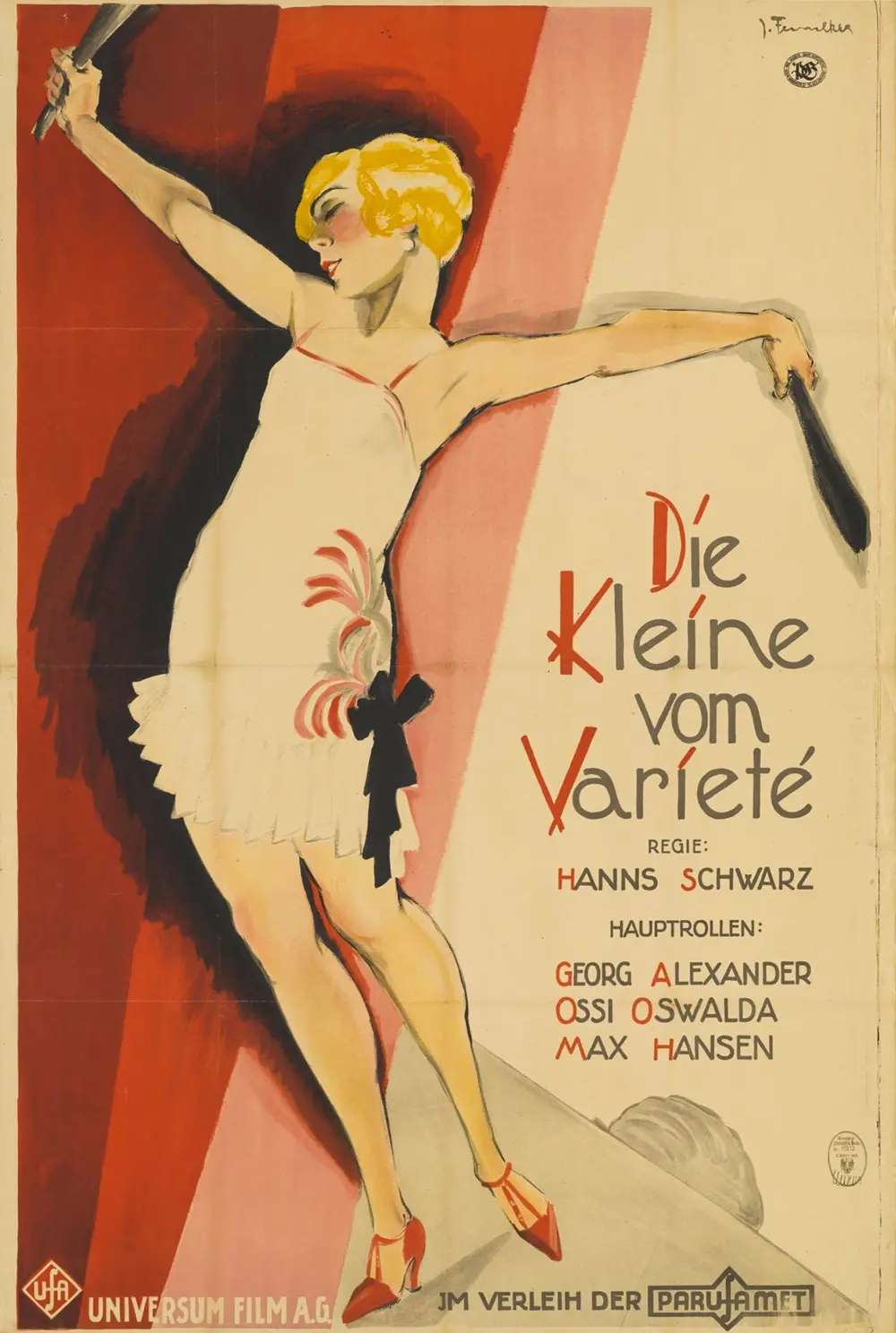
A definitive 6.4/10 rating for a film that redefined the boundaries of cult cinema. The Little Variety Star remains a cornerstone of transgressive art.
Is The Little Variety Star worth watching today? Short answer: Yes, but only if you have a genuine appetite for the frantic, pantomime-heavy energy of 1920s German comedy. It is a delightful historical artifact for those who enjoy silent-era farce, but it will likely frustrate viewers who require logical consistency or modern narrative pacing.
This film is specifically for enthusiasts of Weimar cinema and fans of Ossi Oswalda’s unique brand of manic charm. It is certainly not for anyone looking for a grounded romantic drama or a film that treats its plot with any level of seriousness.
1) This film works because Ossi Oswalda possesses a kinetic, almost volcanic screen presence that bridges the gap between the audience and the screen, making even the most absurd plot points feel momentarily plausible.
2) This film fails because the central conceit—that a grown man would mistake a woman in stage costume for a boy for an extended period—requires a suspension of disbelief that borders on the exhausting.
3) You should watch it if you want to see the roots of the 'screwball' comedy genre and appreciate how early cinema played with gender roles and identity long before it became a modern talking point.
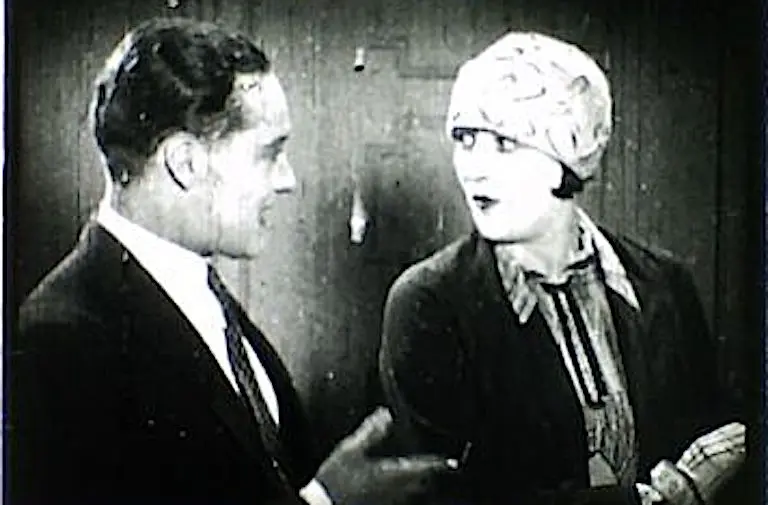
The Little Variety Star is worth watching if you value the history of physical comedy and the evolution of the 'it-girl' archetype. While the story is thin, the execution by director Wilhelm Thiele provides a fascinating look at mid-20s German entertainment culture. It serves as a perfect companion piece to other period works like Ihre Hoheit die Tänzerin, showcasing the era's obsession with stage life and social mobility.
To talk about this film is to talk about Ossi Oswalda. Often dubbed the 'German Mary Pickford,' Oswalda was less of a waif and more of a hurricane. In The Little Variety Star, she plays Lola with a physicality that is almost exhausting to behold. She doesn't just walk into a room; she invades it.
Take, for instance, the scene where she first appears in her 'boy' regalia. The way she adjusts her posture and mimics the swagger of a young man is played for maximum comedic effect. It isn't a subtle performance, but in the context of 1926, it didn't need to be. She was the draw, and her ability to pivot from a glamorous variety star to a mischievous 'lad' is the film’s strongest asset.
However, this reliance on Oswalda is also a crutch. The rest of the cast, including Max Hansen as Peter, often feels like they are simply reacting to her gravity. Hansen is charming enough, but he lacks the distinct edge found in performances from films like Headlines. He is the straight man in a world that is spinning too fast for him to catch his breath.
Wilhelm Thiele, who would later find great success with musical comedies, shows his early knack for rhythmic editing here. The pacing of the 'mistaken identity' sequences is handled with a precision that prevents the audience from thinking too hard about the gaps in logic. The film moves with the speed of a stage play, utilizing the depth of the frame to keep multiple comedic beats running simultaneously.
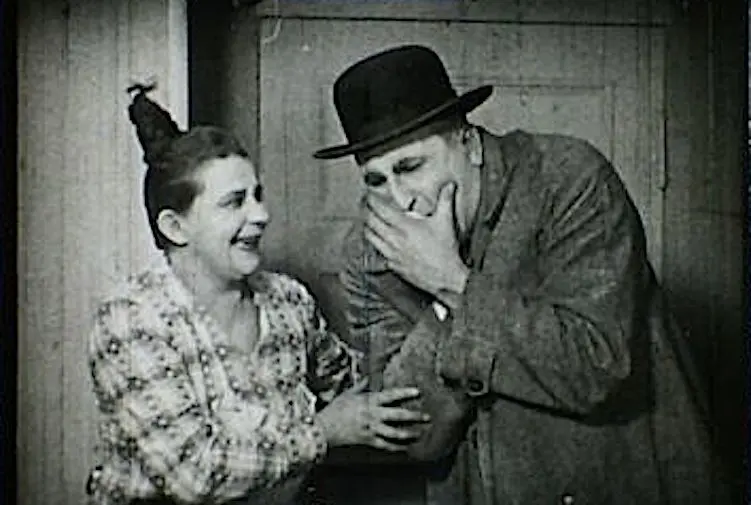
A specific example of this is the dinner scene with the rich uncle, played with wonderful pomposity by Ferry Sikla. The choreography of the servants, the uncle’s growing suspicion, and Lola’s desperate attempts to maintain her disguise create a pressure-cooker environment. It’s a classic setup, reminiscent of the identity swaps seen in Little Lord Fauntleroy, but infused with a more adult, cynical wit.
The cinematography is functional rather than revolutionary. Unlike the sweeping, expressionistic shadows found in Cleopatra or the rugged realism of The Northern Code, The Little Variety Star opts for high-key lighting and clear, wide shots. This allows the physical comedy to take center stage. It’s a utilitarian approach that prioritizes the gag over the atmosphere.
Writers Alfred Möller and Wilhelm Thiele crafted a script that is essentially a delivery mechanism for tropes. You have the overbearing patriarch, the forbidden lover, and the grand deception. It is structurally sound but lacks any real subtext. It’s light. It’s airy. It’s almost entirely disposable.
But there is an unconventional charm in how the film treats the uncle’s marriage plans. Usually, in these films, the 'other woman' is a villain. Here, the conflict is less about malice and more about the sheer absurdity of social expectations. The resolution doesn't feel like a hard-won victory; it feels like a shrug and a laugh. It works. But it’s flawed.
One could argue that the film’s treatment of gender is surprisingly progressive for its time, though that might be giving it too much credit. Lola’s 'boy' persona allows her a freedom of movement and social interaction that her 'star' persona does not. When she is in trousers, she interacts with the uncle on a level of intellectual parity that would have been denied to her as Peter’s girlfriend. It’s an observation that feels more relevant today than it likely did in 1926.
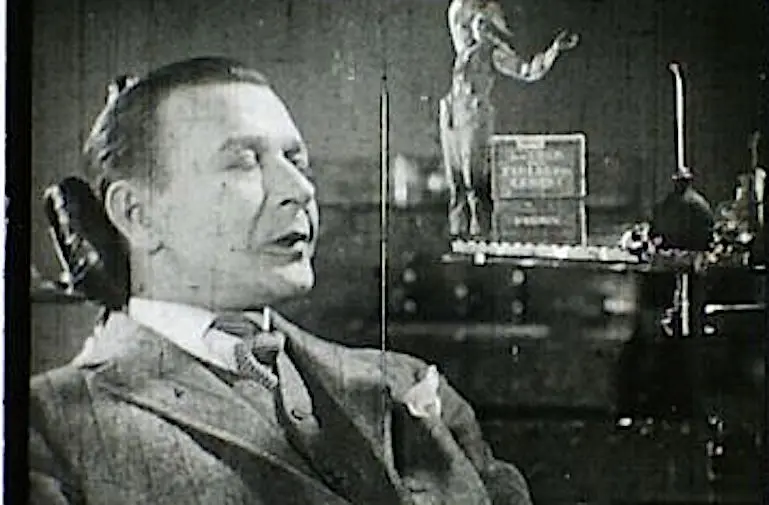
The film’s tone is inconsistent, oscillating between high-stakes romantic tension and low-brow slapstick. In one moment, we are meant to care about Peter’s financial future; in the next, we are watching a character fall over furniture. This 'variety show' approach to filmmaking can be jarring. It lacks the cohesive world-building of The Lost Express or the thematic weight of Saints and Sorrows.
However, this fragmentation is also its strength. Because the film doesn't take itself seriously, the audience doesn't have to either. It’s a 70-minute sprint that refuses to look back. The ending, in particular, is a masterclass in 'sorting things out' with such speed that you barely notice how many plot holes were left unplugged.
Pros:
- Infectious energy and fast-paced direction.
- A fascinating look at 1920s stage costumes and variety culture.
- Genuinely funny moments of physical farce.
- A short runtime that doesn't overstay its welcome.
Cons:
- The 'mistaken identity' plot is incredibly thin.
- Supporting characters are mostly one-dimensional caricatures.
- Lacks the visual innovation of contemporary German cinema.
The Little Variety Star is a sugar-rush of a film. It provides no nutritional value in terms of deep philosophy or cinematic innovation, but it is undeniably entertaining in its own chaotic way. Ossi Oswalda remains a force of nature, and her performance alone justifies a viewing for anyone curious about the stars of the silent screen. While it doesn't reach the heights of the era's true masterpieces, it stands as a testament to the sheer fun that early filmmakers were having with the medium. It is a loud, proud, and slightly ridiculous piece of history that deserves a look, even if it’s just to see how much can be accomplished with a wig and a lot of confidence.
IMDb —
1929
Community
Log in to comment.