DbcultAccessing Vault...
Cult Review
Senior Film Conservator
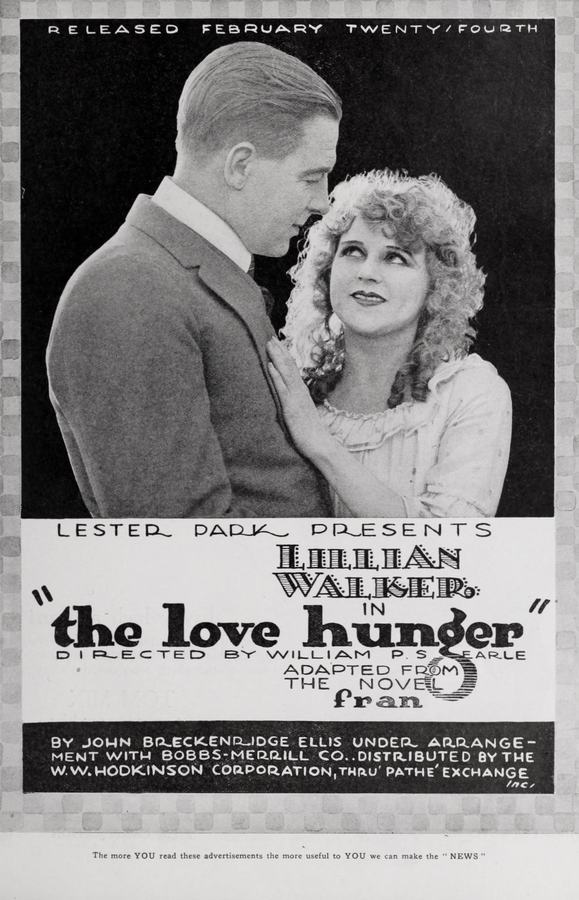
The opening tableau feels like visual scripture: Andrew Arbuckle’s Reverend Gregory framed against revival tent canvas, sweat gleaming on his brow as he implores parishioners that “charity begins at home.” This isn’t mere exposition – it’s cosmic setup for the theological gut-punch awaiting him. When Lillian Walker’s Fran appears at his Georgian doorstep, her tattered shawl catching the lamplight like moth-eaten wings, the film establishes its central dialectic: performative piety versus inconvenient humanity.
What unfolds within the Gregory manse deserves comparison to The Unchastened Woman in its dissection of marital rot. Cora Drew’s Mrs. Gregory moves through parlors like a ghost haunting her own life, her eyes tracing the invisible threads connecting her husband to Allene Hale’s glacially beautiful Grace Noir. Watch how Hale deploys stillness as weaponry – the slight tilt of her head when Fran enters Gregory’s study, the way her fingers linger on ledger books like caresses. This triangulated tension achieves remarkable density for 1915, anticipating the psychological precision of Den hvide rytterske.
"Fran’s circus blood sings beneath her borrowed frocks – when she practices lion tamer stances before a bedroom mirror, her body remembers what her mind suppresses."
Walker’s performance transcends melodrama when she delivers the bastardy confession. Notice how director William P.S. Earle stages it: Fran standing in a slash of moonlight while Gregory remains shrouded in shadow, visually manifesting the enlightenment she brings to his moral darkness. Their subsequent alliance against Noir becomes a perverse inversion of the Prodigal Son – the parent redeemed through the child’s disruptive presence. Herbert Prior’s turn as investigator Clinton adds delicious grit; his scenes sniffing through boarding houses and ticket booths echo the moral detective work in God's Law and Man's.
The traveling menagerie sequences remain jaw-dropping a century later. Earle didn’t merely film a circus – he weaponized its iconography. When Fran dons the lion tamer’s costume (a nod to Sally in a Hurry’s theatrical transformations), the stripes on her uniform mirror the prison bars of Gregory’s hypocrisy. Cinematographer Stanley Orr photographs the big cats in chiaroscuro that makes their eyes gleam like hellfire, their roars felt more than heard in the silent frame. This isn’t spectacle for spectacle’s sake – it’s externalized psyche.
The climactic lion pit confrontation operates on three simultaneous levels: Fran’s literal survival, Gregory’s spiritual awakening, and Noir’s defeat. Arbuckle’s transformation deserves dissection – observe how his fingers first clutch the arena railing in horror, then slowly uncurl into prayerful supplication as he recognizes Fran’s courage surpasses his own cowardice. His subsequent rejection of Noir plays as brutal sacrament: “You belong to the beasts more than she ever did.” Hale’s reaction – a facial glaciation cracking into volcanic rage – predicts the emotional precision of A Model's Confession.
J. Breckenridge Ellis’ script smuggles radical notions beneath its moralistic veneer. Consider Fran’s marriage to the school superintendent: unlike For Husbands Only’s punitive spousal dynamics, this union represents societal elevation for the “fallen woman’s” child. Lydia Knott’s brief but indelible cameo as the dying mother who sends Fran to Gregory haunts the margins – her whispered confession scene anticipates the maternal pathos in Behind the Scenes.
The film’s genius lies in its unresolved tensions. Does Gregory’s redemption absolve his abandonment? Can Fran’s assimilation into respectability erase her sawdust soul? These questions vibrate beyond the final embrace, connecting to Scandinavian starkness in Det finns inga gudar på jorden. Arthur Edwin’s editing rhythm deserves praise – his cross-cutting between revival tent and circus grounds suggests these are parallel institutions offering different salvations.
Arbuckle’s mastery of physical semiotics – how his pulpit gestures grow increasingly mechanical as his moral center decays.
Billy Bletcher’s clown cameo: three minutes of visual poetry conveying society’s mockery of the dispossessed.
Consider the wedding scene’s exquisite dishonesty: Fran in virginal white, Gregory beaming paternally, Noir conspicuously absent. This tableau feels less like resolution than societal collusion – a theme later explored in Les grands. Lee Shumway’s superintendent embodies benevolent patriarchy, his acceptance of Fran’s past suggesting moral progress while implicitly demanding her circus self be caged. The final iris shot lingers on Fran’s smile – is it contentment or performance? Walker lets ambiguity dance in her eyes.
Restoration technicians note how the circus sequences’ nitrate deterioration created accidental visual metaphors – chemical burns resembling claw marks across the frame. Orr’s deep-focus compositions predate Welles by decades: in key confrontations, Noir remains razor-sharp in the background while Fran dominates the foreground, spatializing their power struggle. The animal trainer’s whip, often centered in frames, becomes a multifaceted symbol – instrument of control, weapon of survival, and cracked line dividing civilization from wilderness.
Contemporary critics condemned the lion taming sequence as “unseemly spectacle,” revealing more about 1915 sensitivities than artistic merit. Modern viewers will recognize its spiritual kinship with What the Gods Decree’s divine trials. Drew’s Mrs. Gregory, though underutilized, crafts an entire biography through sidelong glances and embroidery tension – her final scene mending Fran’s wedding veil radiates tragic resignation.
"Grace Noir’s exit remains iconic: back rigid as a tombstone, gloved hand crushing a hymnbook as she walks not toward damnation, but toward terrifying freedom."
The film’s DNA surfaces unexpectedly in neo-realist works like Signori giurati... where institutions again mask human fragility. Its greatest subversion lies in making the minister’s daughter not a shameful secret, but the catalyst for truth – a narrative audacity surpassing even The Little Boss’s class confrontations. When Fran discards her plain dress for the spangled tamer’s costume, the costume change feels less like disguise than homecoming.
Today, the roaring sequences vibrate with newfound urgency – are the lions merely animals, or manifestations of Gregory’s repressed desires? When Fran places her head in the lion’s maw, she’s simultaneously taming her father’s beastly neglect and society’s appetite for condemnation. The Love Hunger endures not despite its contradictions, but because of them – a gilded cage of a film that lets truth slip through the bars.
IMDb —
1927
Community
Log in to comment.