DbcultAccessing Vault...
Cult Review
Senior Film Conservator
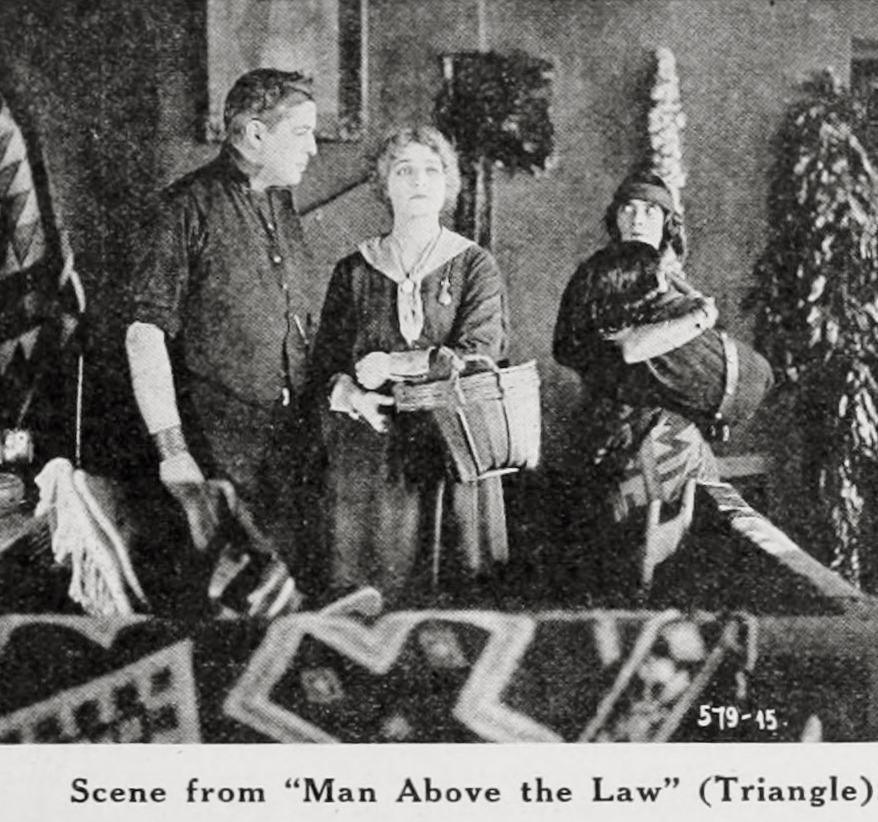
In the annals of early cinema, certain narratives emerge not merely as stories, but as compelling psychological studies, probing the very essence of human nature against the backdrop of an evolving American frontier. Lanier Bartlett's 'The Man Above the Law' stands as one such intricate tapestry, weaving themes of disillusionment, moral reclamation, and the transformative power of unexpected connection into a poignant silent drama. This isn't merely a tale of a man escaping his past; it's an exploration of a soul wrestling with the societal constructs it once rejected, only to find redemption in the most unconventional of circumstances.
Our protagonist, Duke Chalmers, epitomizes the archetype of the disillusioned individual, a figure often seen in early 20th-century narratives, but here imbued with a particular frontier grit. Having been dealt a cruel hand by the capricious whims of romantic entanglement, Duke renounces the perceived hypocrisies and emotional vulnerabilities inherent in 'civilized' society. His retreat is not merely geographical; it is an ideological secession, a declaration of independence from the social contract that he feels has betrayed him. He seeks refuge in the rugged, unforgiving expanse of New Mexico, a landscape as untamed and solitary as his own spirit. Here, amidst the vast, indifferent desert, he establishes an illicit whiskey trade, a defiant act that underscores his rejection of conventional law and order. This initial portrayal, likely brought to life with a brooding intensity by Jack Richardson, sets the stage for a character study far deeper than a simple outlaw narrative. One might draw parallels to the protagonists of The Valley of the Moon, who also sought solace and a new beginning away from the constraints of urban life, albeit through different means. Both narratives explore the yearning for autonomy and the search for an authentic existence beyond societal artifice.
Duke's new life, however, is not one of complete isolation. A pragmatic union with Natchah, a Navajo woman portrayed by Josie Sedgwick, offers a semblance of domesticity, though notably devoid of genuine affection on Duke's part. Their marriage is a testament to convenience, a societal adaptation in his self-imposed exile, rather than an embrace of emotional intimacy. From this utilitarian partnership, a daughter, Tonah, enters their lives, a character, presumably brought to screen by Mae Giraci, who will become the unwitting fulcrum of Duke's eventual transformation. Tonah's existence, initially a consequence of his chosen path, gradually morphs into a profound responsibility, one that challenges the very foundations of his cynical worldview. This familial dynamic, born of necessity rather than heartfelt connection, mirrors the complex, often morally ambiguous relationships explored in films like La marcia nuziale (The Wedding March), where unions were frequently dictated by circumstance or societal pressure rather than genuine love, setting the stage for future conflict and personal upheaval. The inherent tension in Duke's household, a man detached from his wife yet bound by the presence of his child, forms a quiet undercurrent of his narrative, simmering beneath the surface of his rugged independence.
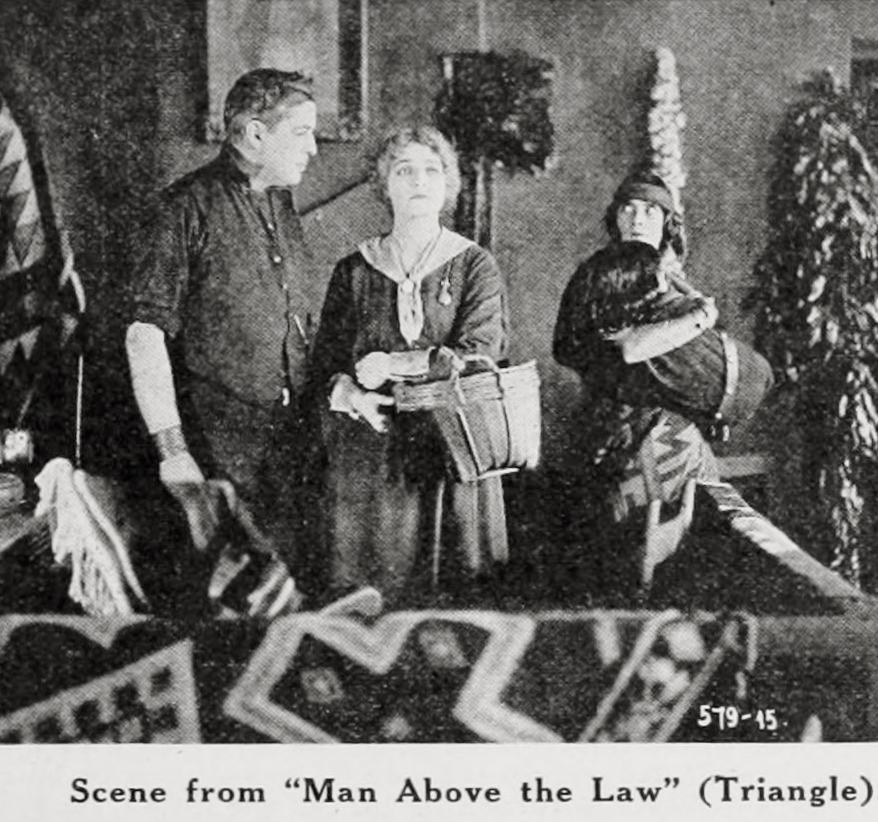
The arrival of Esther Brown, a woman from the East, portrayed with quiet conviction by Claire McDowell, marks a pivotal turning point. Her intention to establish a school in the small New Mexican settlement introduces an element of 'civilization' that Duke has so vehemently spurned. Esther represents the very ideals Duke has abandoned: education, community, and the nurturing of innocence. When she expresses interest in Tonah attending her school, Duke's hardened resolve is immediate and absolute; he denies permission, fearing the corrupting influence of the outside world, or perhaps, the reawakening of emotions he has long suppressed. Yet, Esther is not easily deterred. Her refusal to abandon her interest in Tonah is not an act of defiance but one of pure, unadulterated compassion. She sees in the child a potential that Duke, blinded by his own bitterness, cannot or will not acknowledge. Her persistent, gentle overtures towards Tonah gradually cultivate a deep, maternal love, a bond that begins to chip away at the emotional fortress Duke has erected around himself. This dynamic parallels the moral challenges faced by protagonists in films such as The Narrow Path, where societal expectations and personal desires frequently clash, forcing characters to confront their responsibilities and the impact of their choices on others.
The narrative escalates dramatically when Duke rescues Esther from a perilous situation involving a pair of drunken Mexicans. This act of heroism, born of instinct rather than calculation, shatters the emotional barriers Duke has meticulously maintained. In the aftermath of this rescue, a profound shift occurs within him; he falls in love with Esther. This isn't the superficial, disillusioning love of his past, but a raw, visceral connection forged in the crucible of shared danger. However, Esther, embodying a strong moral compass, refuses to allow this burgeoning passion to overshadow Duke's existing duties. She reminds him, with unwavering conviction, of his obligations toward Natchah and, more importantly, toward Tonah. Her insistence on his adherence to familial responsibility forces Duke into a profound reckoning. This moment of ethical clarity, where personal desire is tempered by moral duty, is a powerful dramatic device. It echoes the internal struggles seen in films like I Believe or The Woman Beneath, where characters are often compelled to choose between personal happiness and a greater sense of moral rectitude or obligation. Duke's journey from a man 'above the law' to one grappling with its deeper, humanistic implications is beautifully articulated in this pivotal interaction.
While specific directorial credits for silent films of this era are sometimes elusive in historical records, the impact of Lanier Bartlett's writing is undeniable. His screenplay for 'The Man Above the Law' demonstrates a keen understanding of character psychology and the dramatic potential of moral transformation. The narrative arc, from Duke's initial bitterness to his eventual, albeit compelled, embrace of responsibility, is crafted with a nuanced hand. The cast, likely working within the expressive conventions of silent cinema, would have relied heavily on gesture, facial expression, and physical presence to convey the complex emotional landscape of their characters. Jack Richardson, as Duke Chalmers, would have needed to project both the hardened cynicism of an outlaw and the burgeoning tenderness of a man rediscovering his humanity. Claire McDowell's portrayal of Esther Brown would have required a delicate balance of strength, compassion, and moral rectitude, serving as the story's ethical anchor. Josie Sedgwick's Natchah, a character often relegated to the periphery in such narratives, would nonetheless have played a crucial role in grounding Duke's initial domestic life, her quiet presence a constant reminder of his existing ties. And Mae Giraci, as the young Tonah, would have embodied the innocence and vulnerability that ultimately softens Duke's resolve. The success of such a film hinges on the ability of these performers to communicate profound internal shifts without the aid of dialogue, a testament to the unique artistry of the silent era. This focus on internal struggle and subtle emotional shifts is also evident in films like Pauline or Szulamit, where the dramatic weight often rested on the actors' ability to convey complex feelings through their physical and emotional performances, transcending linguistic barriers.
Duke's ultimate decision to close his illicit whiskey shop and embark with his family – Natchah and Tonah – for a new life in the Far West is a powerful, if somewhat ambiguous, conclusion. It is a testament to the profound influence Esther has had, not just on his heart, but on his moral compass. This journey westward signifies more than a geographical relocation; it symbolizes a conscious effort towards ethical regeneration. It's a choice to shed the mantle of the 'man above the law' and embrace the responsibilities of a husband and father, guided by a newfound understanding of love and duty. While the ending offers a sense of hope and a fresh start, it also leaves the audience to ponder the complexities of such a transformation. Will Duke truly find peace? Can a life built on rejection be fully reconciled with one built on connection? This narrative thread of seeking a new destiny in the frontier, of leaving behind a problematic past for a hopeful future, resonates with themes explored in works like The Country Boy, where characters also sought escape and reinvention through relocation and a change of lifestyle. The film, through its compelling character arc and understated dramatic tension, offers a nuanced look at the human capacity for change, even when driven by external forces and profound emotional catalysts. It reminds us that even the most hardened hearts can be softened, and that true redemption often lies not in isolation, but in the courageous embrace of one's obligations and connections to others. 'The Man Above the Law' thus stands as a timeless exploration of morality, love, and the enduring quest for a meaningful existence, rendered with the distinctive artistry of early cinematic expression.
IMDb 6.5
1935
Community
Log in to comment.