DbcultAccessing Vault...
6.7/10
Senior Film Conservator
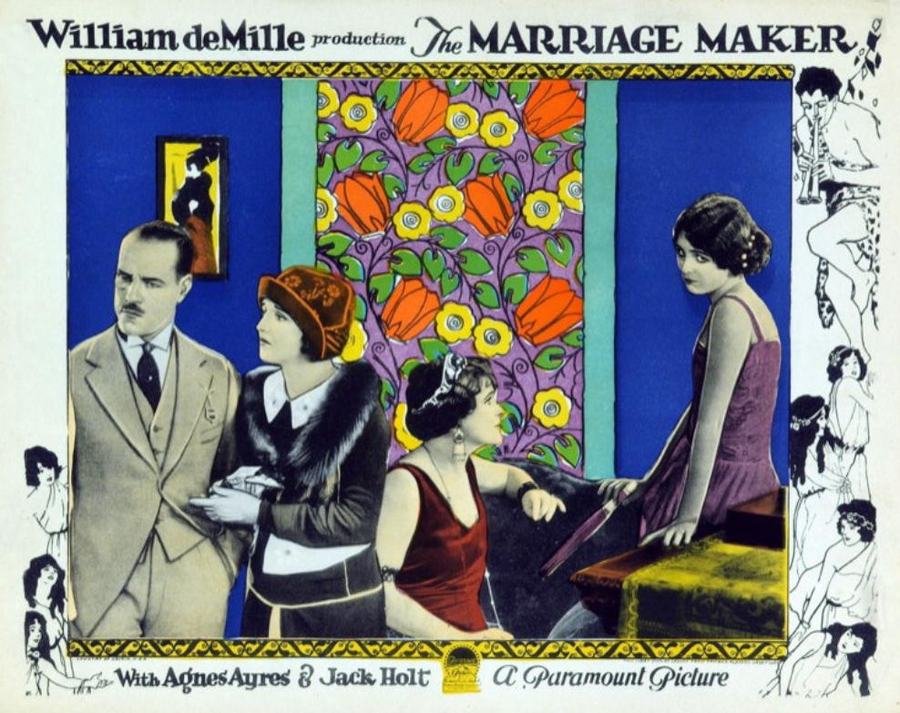
A definitive 6.7/10 rating for a film that redefined the boundaries of cult cinema. The Marriage Maker remains a cornerstone of transgressive art.
There is a peculiar, almost intoxicating quality to the cinema of 1923, a year when the silent medium was reaching its zenith of expressive capability before the looming shadow of synchronized sound altered the grammar of storytelling forever. William C. deMille, often overshadowed by the grandiosity of his brother Cecil, possessed a far more delicate touch—a penchant for psychological nuance and social satire that finds its most eccentric expression in The Marriage Maker. This is not your standard romantic fluff; it is a celluloid fever dream that dares to drop a literal mythological entity into the middle of a stuffy Edwardian manor.
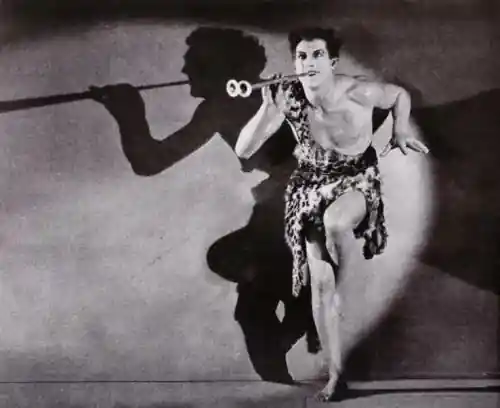
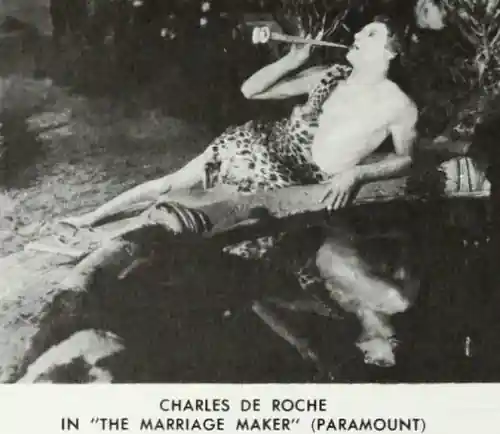
The premise, adapted from Edward Knoblock’s play The Faun, centers on the arrival of a creature from the wild (played with an almost feral charisma by Charles de Rochefort) who enters the orbit of the British elite. Unlike the gritty realism found in Sahara, this film leans into the surreal. The Faun is the ultimate disruptor. He doesn't understand the complex financial negotiations that underpin 'love' in this social strata. He only understands the heartbeat, the scent of desire, and the intrinsic pull of the soul. De Rochefort’s performance is a masterclass in silent physicality; he moves with a lithe, animalistic grace that makes the tuxedo-clad men around him look like stiff, wooden mannequins.
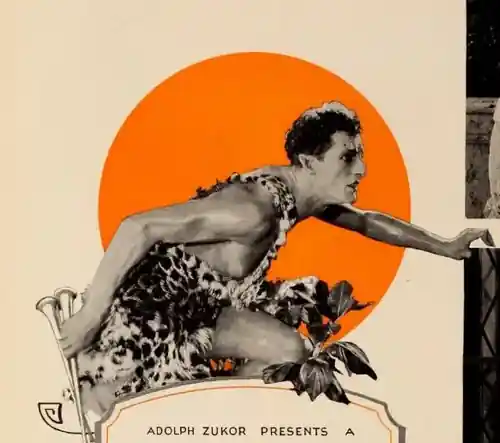
Agnes Ayres, who many remember primarily for her role in The Sheik, delivers a performance here that is markedly more sophisticated. As the wealthy woman caught between duty and desire, she navigates the emotional landscape with a subtlety that rivals her work in The Island of Intrigue. There is a specific scene in the garden where the Faun whispers to her, and the play of light across her face—the transition from confusion to a primal awakening—is nothing short of luminous. It’s the kind of acting that doesn't need intertitles to explain the seismic shift occurring in her psyche.
The film’s thematic core is the deconstruction of the 'marriage market.' In the 1920s, films like Men, Women, and Money explored the transactional nature of relationships, but The Marriage Maker adds a layer of cosmic irony. We see a poverty-stricken nobleman, played with a weary dignity by Robert Agnew, who is pressured to marry for solvency rather than affection. The Faun, acting as a sort of puckish catalyst, refuses to let this economic tragedy unfold. He pushes the nobleman toward a commoner, played by Mary Astor in one of her early, radiant appearances. Astor, even at this nascent stage of her career, possessed a screen presence that felt both grounded and ethereal.
The juxtaposition of the 'common' and the 'noble' is handled with a deftness that avoids the heavy-handedness of contemporary morality plays like Young America. Instead of lecturing the audience, deMille uses the Faun’s bewilderment at human customs to highlight their absurdity. Why do we care about titles when the sun is shining and the blood is warm? It’s a Dionysian philosophy injected into a Victorian setting, and the friction between these two worlds creates a wonderful, buzzing energy throughout the film’s runtime.
Technically, the film is a marvel of its era. The cinematography by L. Guy Wilky utilizes soft-focus filters and intricate lighting schemes to differentiate between the 'real' world of the mansion and the 'enchanted' influence of the Faun. When the Faun is on screen, the environment seems to shimmer, as if the very air is vibrating with his presence. This visual language is far more advanced than the flat, stagier presentations found in Betty Sets the Pace or the rugged, unadorned landscapes of Outlawed.
The set design deserves its own accolade. The mansion is a labyrinth of opulence, designed to feel both grand and claustrophobic. It represents the cage that the characters have built for themselves. In contrast, the outdoor sequences—where the Faun is most at home—are shot with a sense of depth and liberation. The inclusion of Pal the Dog (yes, the famous canine actor!) adds a layer of domestic warmth and a touch of the 'natural' world that bridges the gap between the mythological Faun and the human household. It’s a small detail, but one that grounds the fantasy in a way that feels tangibly human.
When we look at The Marriage Maker alongside other films of the period, such as the German production Zigeunerblut, we see a global fascination with the 'outsider' coming into a rigid society to reveal its flaws. However, while European cinema often leaned into the macabre or the tragic, deMille maintains a light, almost transcendent tone. Even when compared to the crime-focused narratives of Gar el Hama V or the social dramas like Die Sklavenhalter von Kansas-City, this film stands out for its sheer imaginative audacity. It isn't trying to be a document of reality; it’s trying to be a poem about the human condition.
The writing by Clara Beranger and Edward Knoblock is sharp, avoiding the cloying sentimentality that often plagued silent romances like The Amazing Woman. There is a wit to the intertitles that suggests a knowing wink to the audience. They understand that the premise is ridiculous, and they lean into that absurdity to find a deeper truth. It reminds me of the narrative complexity in The Key to Yesterday, where the past and present collide to force a character’s evolution.
Why does The Marriage Maker matter today? In an age of algorithmically generated rom-coms and sterile blockbusters, there is something profoundly refreshing about a film that is this weird and this sincere. It’s a reminder that cinema was once a place of radical experimentation, where a director could use a mythological goat-man to talk about the British class system and have it be a commercial success. It doesn't have the cynicism of Stuffed Lions or the bleakness of Tramps and Traitors. Instead, it offers a vision of life that is exuberant, messy, and fundamentally driven by love.
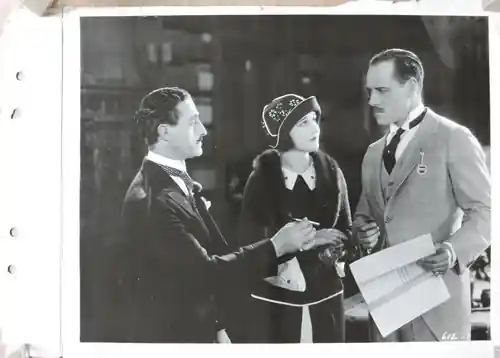
The performances of Jack Holt and Ethel Wales provide a necessary grounding. Holt, usually known for more rugged roles, shows a surprising amount of comedic timing here. His interactions with the Faun are some of the highlights of the film, as his character’s world-weary skepticism slowly dissolves in the face of the creature’s infectious joy. It’s a far cry from the more somber tones of Old Brandis' Eyes or the eccentricities of No Darn Yeast.
In the end, The Marriage Maker is a celebration of the 'other.' It suggests that we all need a bit of the wild in our lives to shake us out of our societal ruts. It’s a film that demands to be seen not just as a historical curiosity, but as a vibrant, living piece of art. The final sequence, where the Faun returns to the shadows from whence he came, leaving behind a trail of broken engagements and newly formed, genuine bonds, is one of the most poignant endings in silent cinema. It leaves the viewer with a sense of longing—not for the Faun himself, but for the freedom he represents.
If you have the chance to see a restored print of this gem, do not hesitate. It is a masterclass in tone, a triumph of visual storytelling, and a testament to the enduring power of the mythological imagination in a world that is all too often obsessed with the bottom line. William C. deMille created something truly unique here, a film that dances on the edge of reality and invites us to join in the revelry.
IMDb 6.5
1920
Community
Log in to comment.