DbcultAccessing Vault...
Cult Review
Senior Film Conservator
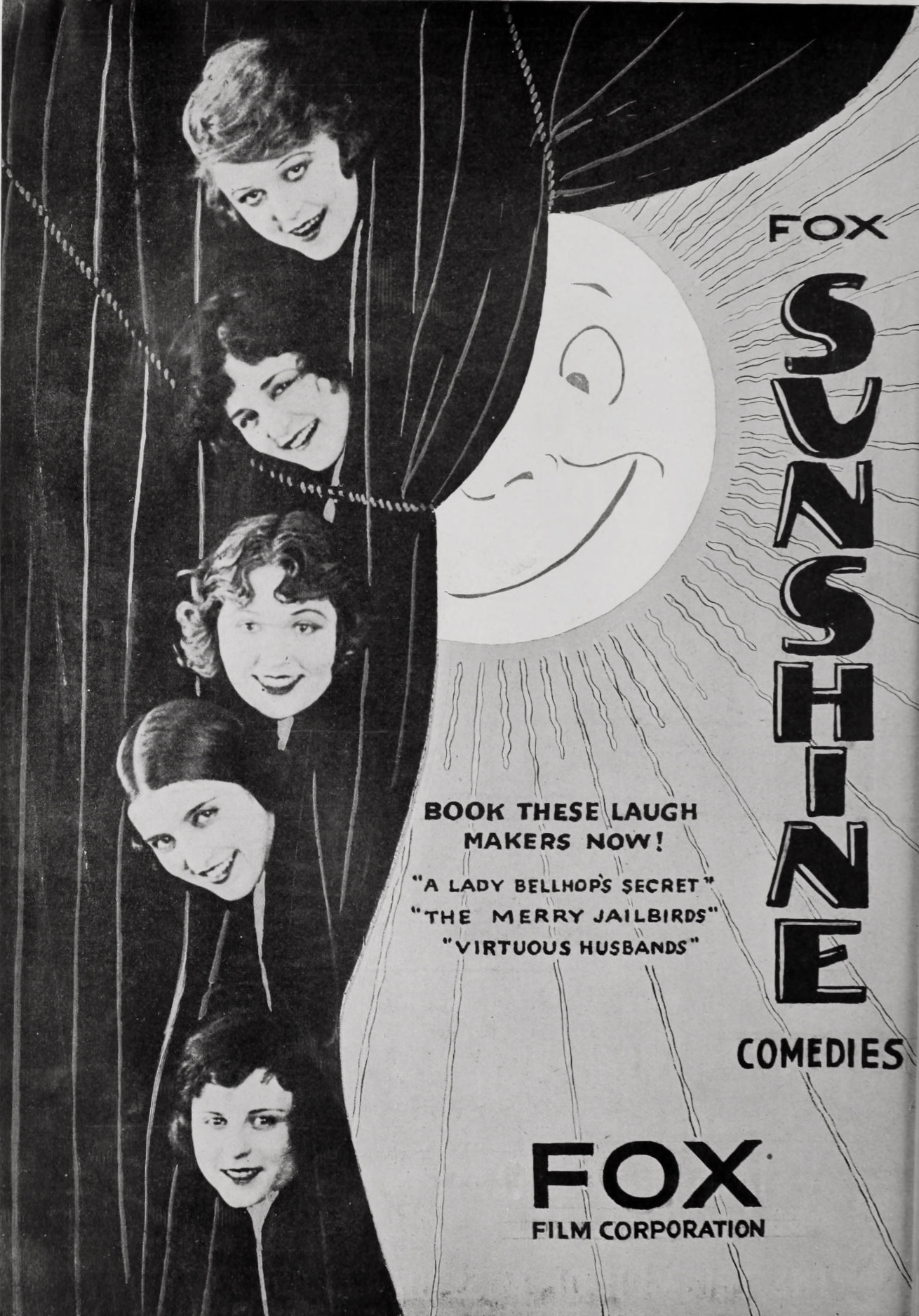
Ah, the silent era! A time of grand gestures, exaggerated expressions, and cinematic storytelling that often spoke volumes without uttering a single word. Among the myriad of films that graced the silver screen, one title, "The Merry Jailbirds," emerges as a peculiar, delightful curio, a film that, if unearthed today, would undoubtedly spark considerable discussion among cinephiles. It’s a work that seems to defy easy categorization, blending slapstick comedy with an almost poignant social commentary, all wrapped in a package of infectious, albeit chaotic, optimism.
At its heart, "The Merry Jailbirds" is a testament to the indomitable human spirit, a narrative tapestry woven with threads of resilience, camaraderie, and the transformative power of laughter. Our protagonists, "Slick" Sid, portrayed with an endearing roguish charm by Glen Cavender, and "Jolly" Jack, brought to life with boundless energy by Jack Cooper, are not your typical cinematic heroes. They are vaudeville performers, men of the stage whose lives revolve around eliciting chuckles and gasps from an appreciative audience. Their arrest, a farcical misunderstanding involving a prop cannon and a particularly stiff-backed city official, is the catalyst that propels them from the footlights into the stark, unforgiving confines of Blackwood Penitentiary. This initial premise alone hints at the film's audacious spirit, daring to find humor and humanity in the most unlikely of places.
The performances of Cavender and Cooper are, without question, the pulsating heart of this film. Cavender, known for his versatility, imbues Sid with a sly wit and an underlying warmth, making him more than just a trickster. There's a genuine empathy in his eyes, a silent understanding of the plight of his fellow inmates. Cooper, on the other hand, is a whirlwind of kinetic energy, his "Jolly" Jack living up to his moniker with every exaggerated gesture and boisterous grin. Their chemistry is nothing short of electric, a perfectly synchronized dance of comedic timing and heartfelt connection. One can almost imagine the audience of the era roaring with laughter at their antics, yet also feeling a pang of sympathy for their unjust predicament. Their ability to convey such a range of emotions without dialogue is a masterclass in silent film acting, reminiscent of the nuanced portrayals found in works like The Spirit of '17, which also relied heavily on visual storytelling to evoke strong sentiments.
The genius of "The Merry Jailbirds" lies in its subversion of expectations. Instead of succumbing to despair, Sid and Jack become architects of joy within the prison walls. Their initial observations of the pervasive despondency among the inmates and the oppressive monotony enforced by the rigid Warden Grumbles serve as their call to action. They don't simply wish for escape; they yearn to inject life, laughter, and a sense of collective purpose into an environment designed to strip away individuality. This audacious goal sets the stage for a series of increasingly elaborate and hilariously executed schemes.
The film truly shines in its depiction of how art, even in its most rudimentary form, can become a potent tool of rebellion and transformation. The duo's ingenious repurposing of mundane chores into elaborate musical routines is a stroke of comedic brilliance. Imagine the drudgery of rock-breaking transformed into a percussive symphony, or the monotony of laundry duty becoming a whimsical ballet. These scenes are not merely played for laughs; they underscore the film's deeper message about finding beauty and meaning even in the most desolate circumstances. The clandestine variety shows, staged with makeshift costumes and props scavenged from the prison's forgotten corners, are particularly memorable. They are a testament to human ingenuity and the innate desire for expression, echoing the resilience seen in characters facing adversity in films like The Barrier, where protagonists strive to overcome formidable obstacles.
Beyond the surface-level humor, "The Merry Jailbirds" delves into surprisingly profound themes. It subtly critiques the rigid, often dehumanizing nature of the penal system, suggesting that true reform might come not from punishment, but from fostering dignity and connection. The transformation of Warden Grumbles, initially a caricature of stern authority, into a figure capable of grudging appreciation, is a pivotal arc. His journey from skepticism to a reluctant understanding of the transformative power of joy is handled with a delicate touch, avoiding heavy-handed sermonizing. This exploration of justice, or the lack thereof, and the potential for redemption, even for those seemingly beyond it, aligns with the more serious undertones found in films such as The Third Degree, albeit through a vastly different lens.
The climax of the film is a masterstroke of comedic plotting. The grand musical exposé, meticulously planned to clear Sid and Jack's names by revealing the corruption of the alderman who framed them, spirals into an even larger revelation. The accidental unearthing of a widespread embezzlement scheme within the prison administration itself, implicating the warden's own lieutenant, is a brilliant narrative twist. It elevates the stakes and provides a satisfying resolution that goes beyond personal vindication, touching upon systemic corruption. This unexpected turn, where small-time performers inadvertently expose larger truths, showcases the film's clever writing and its ability to weave intricate plotting into a seemingly simple comedic framework. It's a 'big idea' indeed, perhaps even grander than the titular The Big Idea.
One cannot discuss "The Merry Jailbirds" without acknowledging its place within the broader cinematic landscape of its time. While many films of the era, such as Even As You and I or A Modern Magdalen, often grappled with heavy dramatic themes or moralistic narratives, "The Merry Jailbirds" offered a refreshing counterpoint. It demonstrated that social commentary could be delivered with a light touch, that profound messages could be embedded within the fabric of pure entertainment. It stands as a testament to the versatility of silent cinema, proving that it was far from a monolithic entity.
The film's exploration of collective action and the power of a shared spirit, even in adversity, finds echoes in more overtly political works like Strejken, though "The Merry Jailbirds" approaches these themes with a decidedly more whimsical sensibility. It reminds us that even within systems designed to break the individual, the human capacity for joy, creativity, and solidarity can flourish. The subtle portrayal of the inmates' transformation from apathetic individuals to a cohesive, spirited community is one of the film's most enduring triumphs.
The visual gags are meticulously choreographed, showcasing the physical comedy prowess of Cavender and Cooper. From their attempts to smuggle props past vigilant guards to their synchronized dances during mess hall performances, every movement is precise and purposeful, delivering maximum comedic impact. These moments are often punctuated by quick cuts, a technique that, while rudimentary by today's standards, was revolutionary in its ability to heighten the sense of dynamism and chaos. The film's aesthetic, though simple, is effective, creating a distinct world within the prison walls. The drab, utilitarian sets of the prison are starkly contrasted by the vibrant, if makeshift, costumes and props used in the inmates' performances, visually emphasizing the triumph of spirit over circumstance.
In comparing it to other character-driven narratives, one might draw parallels to the spirited resilience of characters in Toby's Bow or the strong female leads of The Greater Woman or Christa Hartungen, though "The Merry Jailbirds" offers a distinctly male-centric, albeit equally compelling, portrayal of agency and determination. The film's musicality, even without sound, is palpable; one can almost hear the jaunty tunes accompanying the inmates' antics, making it a distant cousin to films where music plays a central role, such as The Blues. It's a narrative that, despite its specific setting, taps into universal themes of freedom, confinement, and the enduring human need for connection and self-expression. The desire to break free, not just physically but spiritually, resonates deeply, much like the untamed spirit depicted in Untamed.
The final moments, with the true villains exposed and Sid and Jack exonerated, provide a deeply satisfying conclusion. It's not just a happy ending; it's a triumph of wit, resilience, and the sheer power of a good performance. The reformed Warden Grumbles, now with a newfound, albeit reluctant, appreciation for the transformative power of merriment, symbolizes the film's ultimate message: that even in the most rigid of institutions, humanity, humor, and hope can find a way to flourish. "The Merry Jailbirds" stands as a captivating example of early cinema's capacity for both entertainment and subtle social commentary, a true heir to the ages, much like the profound explorations in Heir of the Ages, leaving an indelible mark on those fortunate enough to witness its delightful chaos.
IMDb 6.6
1918
Community
Log in to comment.