DbcultAccessing Vault...
5.8/10
Senior Film Conservator
A definitive 5.8/10 rating for a film that redefined the boundaries of cult cinema. The Silent Command remains a cornerstone of transgressive art.
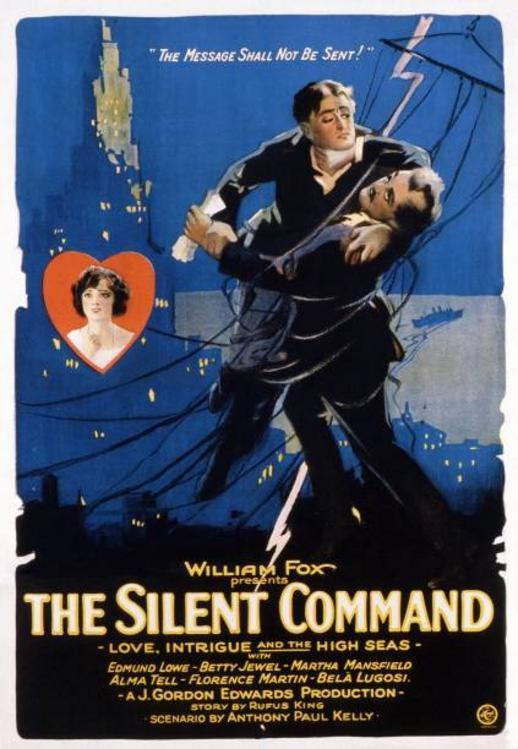
In the annals of silent cinema, few films capture the intersection of burgeoning American globalism and the paranoia of the interwar period quite like The Silent Command (1923). Directed by J. Gordon Edwards—a man whose legacy is often overshadowed by his grandson Blake Edwards, but whose own work at Fox Film Corporation was instrumental in defining the visual language of the 1920s—this picture is a sprawling, ambitious maritime thriller. It functions simultaneously as a recruitment tool for the U.S. Navy and a precursor to the psychological espionage tropes that would later dominate the Cold War era. Unlike the more whimsical adventures of the time, such as A Game of Wits, this film possesses a grit and a commitment to the 'high-stakes' narrative that feels remarkably modern.
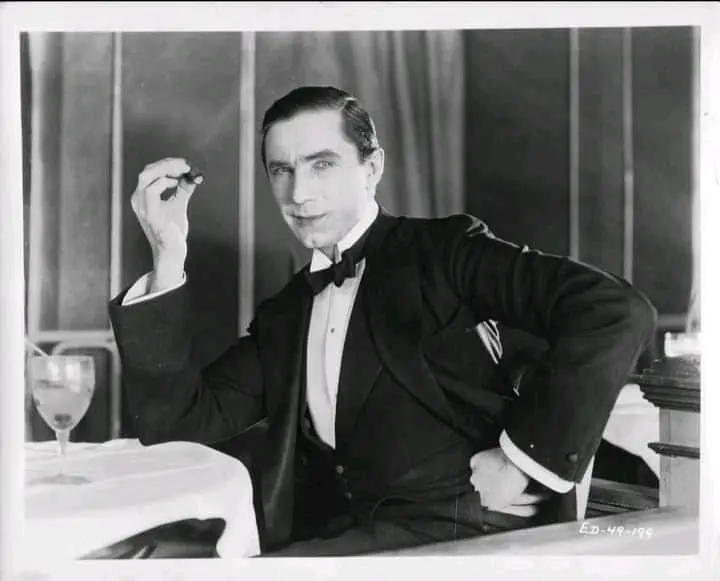
While many modern audiences associate Bela Lugosi exclusively with the aristocratic bloodlust of Dracula, his performance here as Benedict Hisston serves as a fascinating glimpse into his early American career. Lugosi brings a continental sophistication to his villainy, a sharp contrast to the more histrionic antagonists found in films like The Bells. As Hisston, Lugosi is not merely a mustache-twirling rogue; he is a manifestation of the 'foreign threat'—a calculated, intellectual menace who understands that the strongest fortresses are breached from within. His presence on screen is magnetic, utilizing subtle shifts in posture and gaze that hint at the iconic persona he would eventually cement in the horror genre.
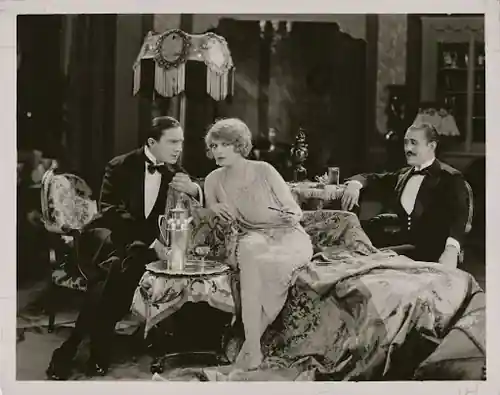
Hisston’s machinations are the catalyst for the film's primary conflict. The plot to destroy the Panama Canal was not merely a convenient MacGuffin; in 1923, the Canal was the crown jewel of American engineering and a vital artery for national security. By centering the plot on this specific location, Edwards taps into a contemporary zeitgeist of vulnerability. The film’s tension is built upon the terrifying possibility that a single well-placed mine could sever the connection between the Atlantic and Pacific, a theme of structural sabotage that echoes the industrial anxieties found in The Eleventh Hour.
Edmund Lowe, portraying Captain Richard Decatur, delivers a performance characterized by an agonizing restraint. The central conceit of the 'silent command'—the order to remain undercover even at the cost of one's reputation and relationships—is a heavy thematic burden. Lowe portrays this internal fracturing with a quiet dignity. When he is court-martialed and stripped of his rank after striking an admiral, the audience feels the weight of his isolation. This isn't the raucous heroism found in The Rebel; it is a lonely, misunderstood martyrdom. The cinematic choice to have Decatur suffer in silence, unable to explain his actions to his wife or his peers, adds a layer of domestic tragedy to the international intrigue.
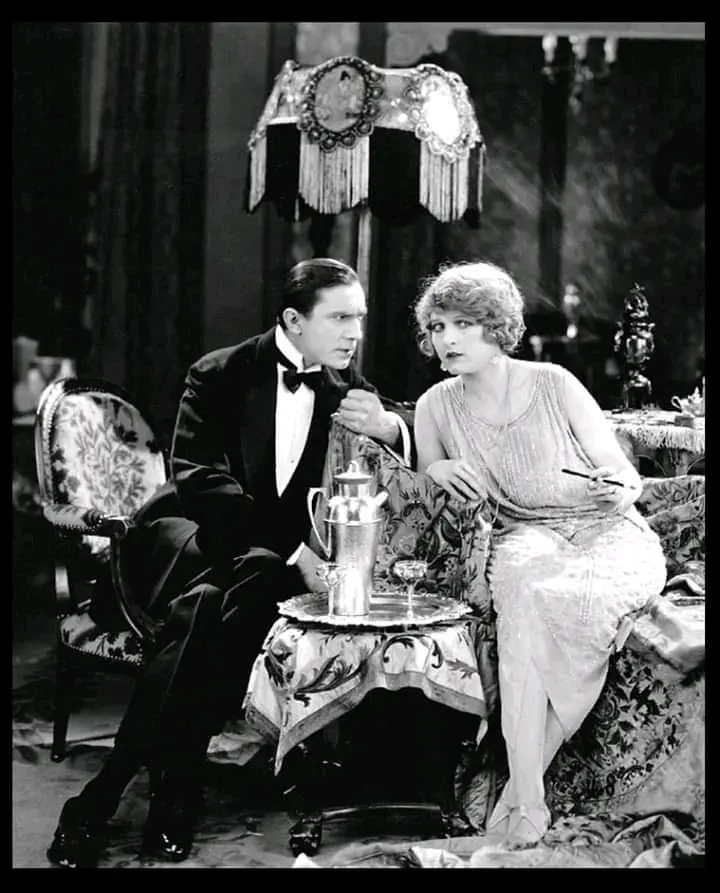
The estrangement from his wife, played with a delicate vulnerability, provides the emotional stakes that ground the film's larger-than-life plot. It raises the question: what is the cost of patriotism? While films like A Temporary Vagabond might treat the loss of status with a degree of levity or picaresque charm, The Silent Command treats it as a funeral for the soul. Decatur’s descent into the underworld of spies and vamps is a descent into a purgatory where his only redemption is a success he may never be allowed to claim.
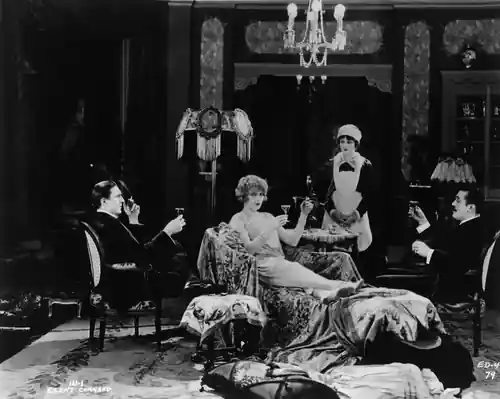
The introduction of Martha Mansfield as Peg Williams brings the 'vamp' archetype to the forefront. In the 1920s, the vamp was a staple of the silver screen—a woman who used her sexuality to undermine the moral foundations of men and nations. Mansfield’s performance is layered; she is a weapon of Hisston’s conspiracy, yet there is a tragic quality to her character that mirrors the doomed figures in Madonnas and Men. Her attempts to seduce Decatur are filmed with a shimmering, soft-focus allure that contrasts sharply with the rigid, geometric lines of the naval vessels and the Canal’s locks.
The cinematography in these sequences is noteworthy. The play of light and shadow—chiaroscuro before the term was popularized in American noir—emphasizes the moral ambiguity of Decatur’s situation. He must appear to succumb to her charms while maintaining his inner resolve. This duality is a testament to the sophistication of silent-era acting, where a single glance can communicate both desire and disgust. The film’s use of location shooting, particularly the scenes involving actual naval fleets, lends a verisimilitude that was rare for the time, far surpassing the theatrical constraints of El drama del 15 de Octubre.
Fox Film Corporation spared no expense in collaborating with the Navy. The sequences featuring the Atlantic Fleet are breathtaking, capturing the sheer scale of early 20th-century naval power. These are not miniatures or clever camera tricks; they are the real steel leviathans of the era. The way Edwards frames these ships—often from a low angle to emphasize their imposing stature—creates a sense of awe that is essential for the film’s propaganda elements. It makes the threat of their destruction feel all the more visceral. This focus on maritime detail puts the film in the same league as Yachts and Hearts, or The Opium Smugglers, though with a much more significant geopolitical focus.
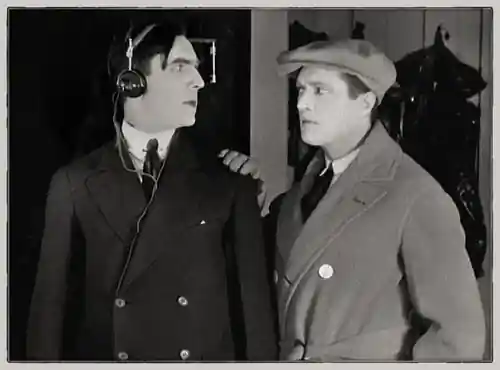
The climax in Panama is a masterclass in silent action choreography. The pacing accelerates as the conspirators prepare to strike. The editing becomes more rhythmic, moving between the saboteurs’ preparations and Decatur’s desperate efforts to thwart them. The visual storytelling here is so clear that intertitles are barely necessary. We see the fuses, the tension in the actors' faces, and the looming threat of the canal’s destruction. When Decatur finally erupts into action, it is a release of all the suppressed energy he has carried throughout the film. It is a catharsis not just for the character, but for the audience who has watched him endure humiliation for nearly ninety minutes.
It is impossible to discuss The Silent Command without acknowledging the tragic fate of Martha Mansfield, who died shortly after filming following a freak accident on another set. This reality casts a somber shadow over her performance as Peg Williams. Her presence in this film remains one of her most enduring contributions to cinema, capturing a talent that was cut short just as the medium was reaching its artistic maturity. Furthermore, the film serves as a precursor to the career of J. Gordon Edwards, who would continue to push the boundaries of epic storytelling until his death in 1925.
When compared to other films of the same year, such as the comedic Roughest Africa or the fantastical Die Insel der Seligen, The Silent Command stands out for its earnestness. It is a film that believes in the sanctity of the institution and the necessity of the individual’s sacrifice for the collective good. It avoids the cynicism that would later define the espionage genre, opting instead for a narrative of total restoration. Decatur’s reinstatement and reunion with his wife provide a sense of closure that is both satisfying and emblematic of the era’s storytelling conventions.
Ultimately, The Silent Command is more than just a relic of naval history or a footnote in Bela Lugosi’s filmography. It is a sophisticated piece of narrative cinema that manages to balance character-driven drama with large-scale spectacle. Its themes of hidden duty and the burden of secrecy resonate even today, reminding us that the most significant battles are often fought in the shadows, away from the eyes of those we love. While it may not have the avant-garde experimentation of The Fugitive or the playful subversion of Raffles, the Amateur Cracksman, it possesses a structural integrity and emotional weight that make it a cornerstone of 1920s American film.
For those interested in the evolution of the thriller, this film is essential viewing. It bridges the gap between the melodrama of the early silent era and the sophisticated spy craft of the 1930s and 40s. It is a testament to the power of silent film to convey complex moral dilemmas and high-stakes geopolitical tension through visual storytelling alone. Whether you are drawn by the early performance of Lugosi, the naval history, or the compelling story of Richard Decatur’s silent sacrifice, The Silent Command remains a powerful, evocative experience that deserves its place in the pantheon of cinematic history, standing tall alongside other classics of the era like Leap to Fame and Torchy Comes Through.

IMDb —
1927
Community
Log in to comment.