DbcultAccessing Vault...
Cult Review
Senior Film Conservator
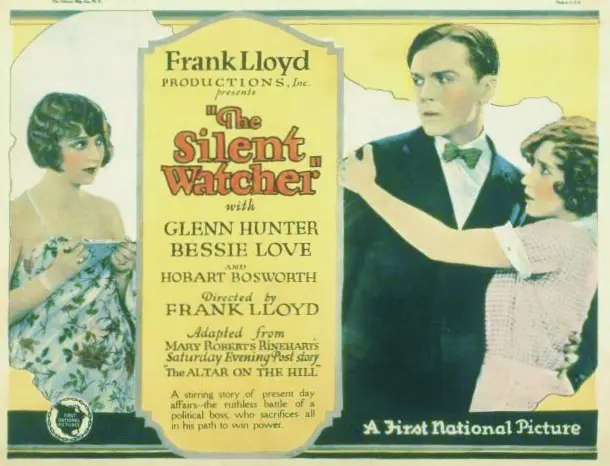
In the silent film era, The Silent Watcher (1927) emerges as a thought-provoking drama that masterfully weaves a complex narrative of loyalty, love, and deception. Directed by J.G. Hawks and written by Mary Roberts Rinehart, this film tells the story of Joe Roberts, a devoted husband and secretary to United States Senate candidate John Steele.
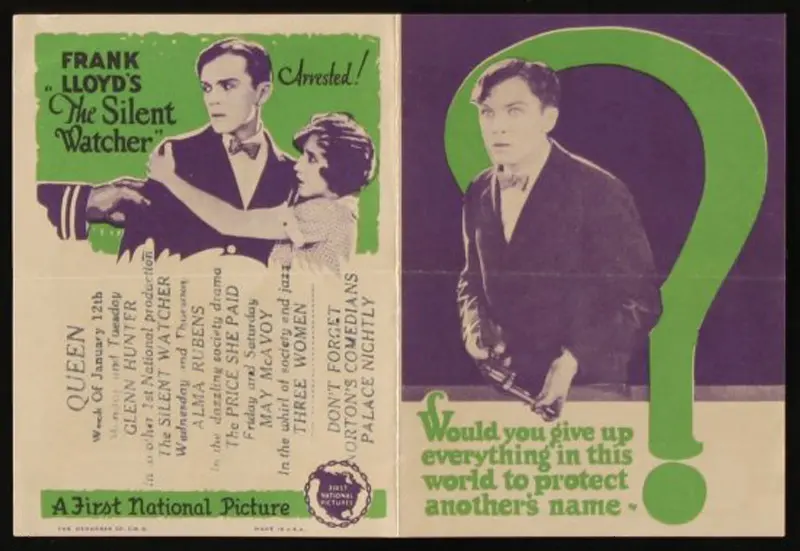
The film's central plot revolves around Joe's unwavering commitment to his wife, Mary, and his employer, Steele. When actress Lily Elliott dies in an apartment rented under Joe's name, he becomes the prime suspect in her murder. Despite being subjected to a grueling police interrogation, Joe refuses to reveal Steele's involvement in the affair, driven by a misguided conviction that Steele's campaign manager, Barnes, has informed Mary of the truth.
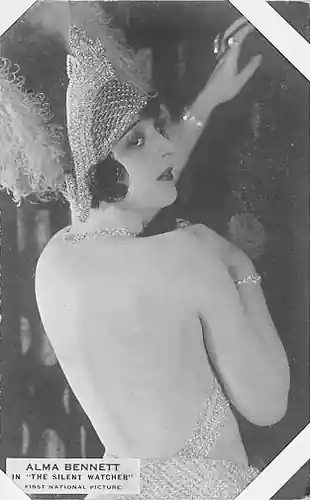
As Joe navigates the treacherous landscape of accusations and suspicion, his marriage teeters on the brink of collapse. Mary, played by Alma Bennett, is a complex character whose emotions swing between suspicion and despair. Her character arc serves as a poignant counterpoint to Joe's unwavering loyalty, highlighting the devastating consequences of his silence.
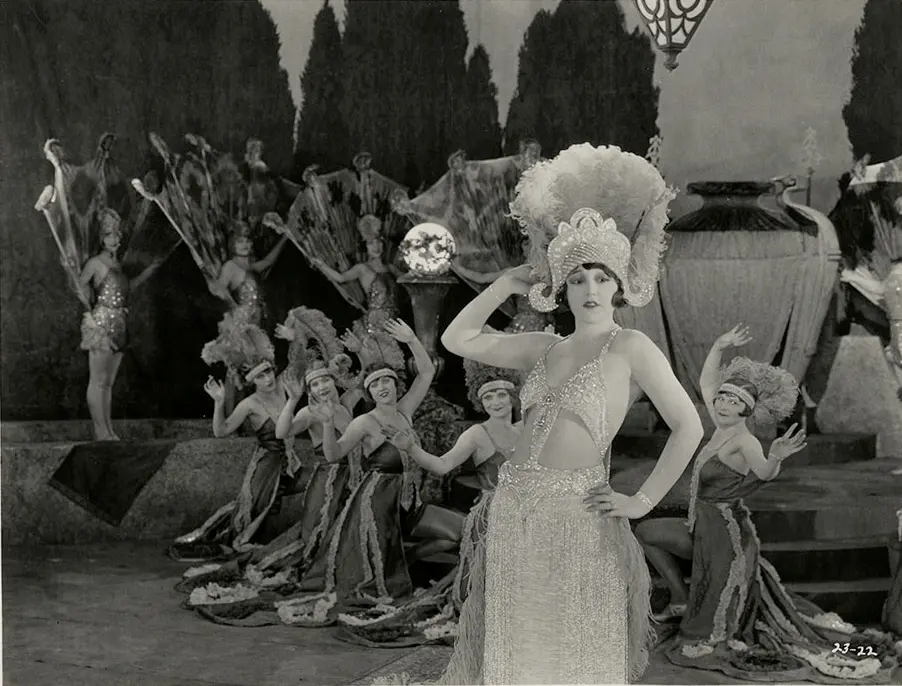
The performances in The Silent Watcher are noteworthy, with DeWitt Jennings delivering a nuanced portrayal of Joe Roberts. His character's stoicism is expertly contrasted with the desperation and anxiety that seep into his actions as the investigation unfolds. The supporting cast, including Lionel Belmore and Glenn Hunter, add depth to the narrative, their characters' motivations and actions expertly woven into the intricate plot.
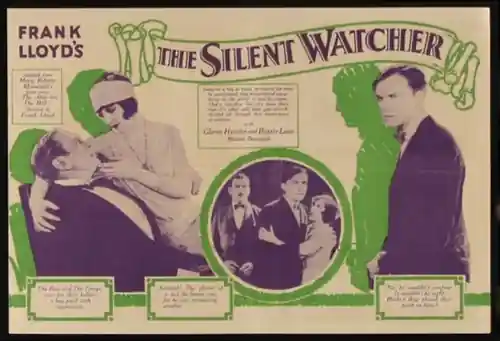
One of the most striking aspects of The Silent Watcher is its thematic resonance with other films of the era. Soldiers of Fortune (1923), Flying Colors (1927), and The Undercurrent (1924) all explore similar themes of loyalty, deception, and the blurred lines between truth and fiction. However, The Silent Watcher stands out for its masterful use of visual storytelling, with the cinematography and editing working in tandem to create a sense of tension and foreboding.
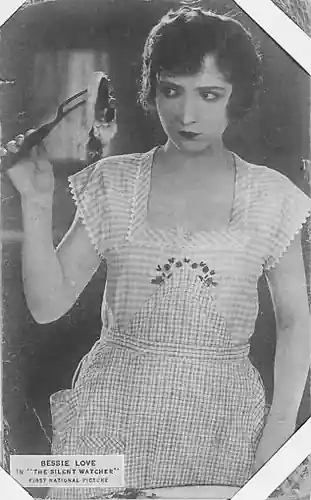
In comparison to other films of the silent era, The Silent Watcher shares some similarities with Blessée au coeur (1925) and Die Benefiz-Vorstellung der vier Teufel (1924), which also explore themes of love, loyalty, and deception. However, The Silent Watcher is unique in its use of a complex, layered narrative that keeps the viewer engaged and invested in the characters' fates.
The film's climax, which reunites the fractured couple, is both satisfying and thought-provoking. As Steele's election to office sets in motion a chain of events that ultimately reveals the truth about Lily's final days, the audience is left to ponder the consequences of Joe's silence and the devastating impact it had on his marriage.
In conclusion, The Silent Watcher is a masterful silent film drama that expertly explores the complexities of loyalty, love, and deception. With its intricate plot, nuanced performances, and thematic resonance, this 1927 classic is a must-see for film enthusiasts and historians alike. He Who Gets Slapped (1922) and Other People's Money (1922) are also recommended for fans of silent film dramas.
The film's use of visual storytelling and cinematography adds to its overall impact, creating a sense of tension and foreboding that draws the viewer in. The performances of the cast, particularly DeWitt Jennings and Alma Bennett, are noteworthy and add depth to the narrative.
Overall, The Silent Watcher is a thought-provoking and engaging film that is sure to leave viewers with a lasting impression. Its exploration of loyalty, love, and deception is both nuanced and complex, making it a standout in the silent film era.
IMDb 2.2
1928
Community
Log in to comment.