DbcultAccessing Vault...
Cult Review
Senior Film Conservator
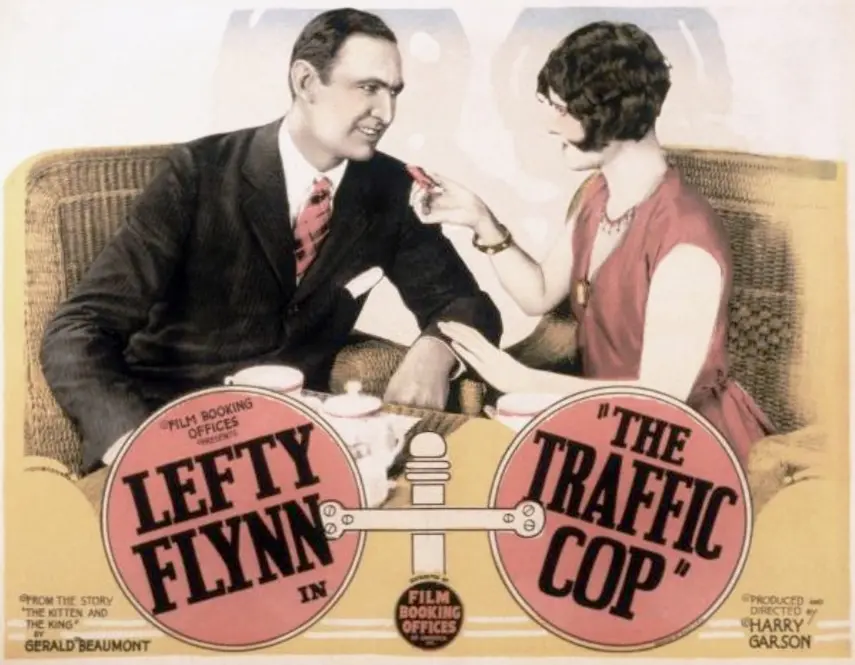
Is The Traffic Cop (1926) worth watching today? Short answer: yes, if you are a devotee of silent-era physicality and early action choreography. This film is specifically for those who enjoy the transition of the silent melodrama into the high-stakes stunt work of the late 20s, but it is certainly not for viewers who require modern pacing or nuanced, non-binary character motivations.
The opening of The Traffic Cop presents a fascinating look at the burgeoning chaos of the American city. In 1926, the car was still a relatively new predator on the streets, and the film captures the anxiety of this transition with surprising clarity. When Joe Regan comes home with presents for Jerry, only to find the boy has been hit, the film strikes a chord of urban dread that feels remarkably contemporary. It is a visceral reminder that the dangers of the road are not a modern invention.
The direction by Rob Wagner and James Gruen avoids the floaty, ethereal quality of some contemporary silents like The Song of the Soul. Instead, they opt for a grounded, almost industrial aesthetic in the early scenes. The contrast between the heavy shadows of the city and the blown-out, over-exposed brightness of the seaside resort serves as a visual metaphor for the 'sea cure' Jerry is prescribed. It is a simple but effective use of cinematography to signal a shift in the film's emotional temperature.
Maurice 'Lefty' Flynn was not a subtle actor, but in 1926, he didn't need to be. He possessed a physical gravity that made his role as a traffic cop believable. In the scene where he first encounters Alicia Davidson, played with a delicate but firm resolve by Kathleen Myers, Flynn manages to convey a sense of 'otherness.' He is a man out of his element, a creature of the asphalt trying to navigate the soft sand of the elite. It works. But it’s flawed.
Flynn’s performance is anchored in his physicality. Unlike the more theatrical performances found in The Third Degree (1926), Flynn stays restrained until the action demands otherwise. This restraint makes the final mountain road sequence even more impactful. When the brakes fail on the Davidson family car, Flynn’s transition from a rejected suitor to a kinetic force of nature is the film's strongest asset. He doesn't just save the family; he reclaims his dignity through raw effort.
The middle portion of the film explores the 'sea cure' trope, a common narrative device in the 1920s that suggested nature was the only antidote to the corrupting influence of the city. While this leads to some beautiful location shooting, it also introduces the film’s most tedious element: Adele Farrington as the disapproving mother. Her performance is a collection of sneers and pointed glances that feel recycled from films like Blue Jeans.
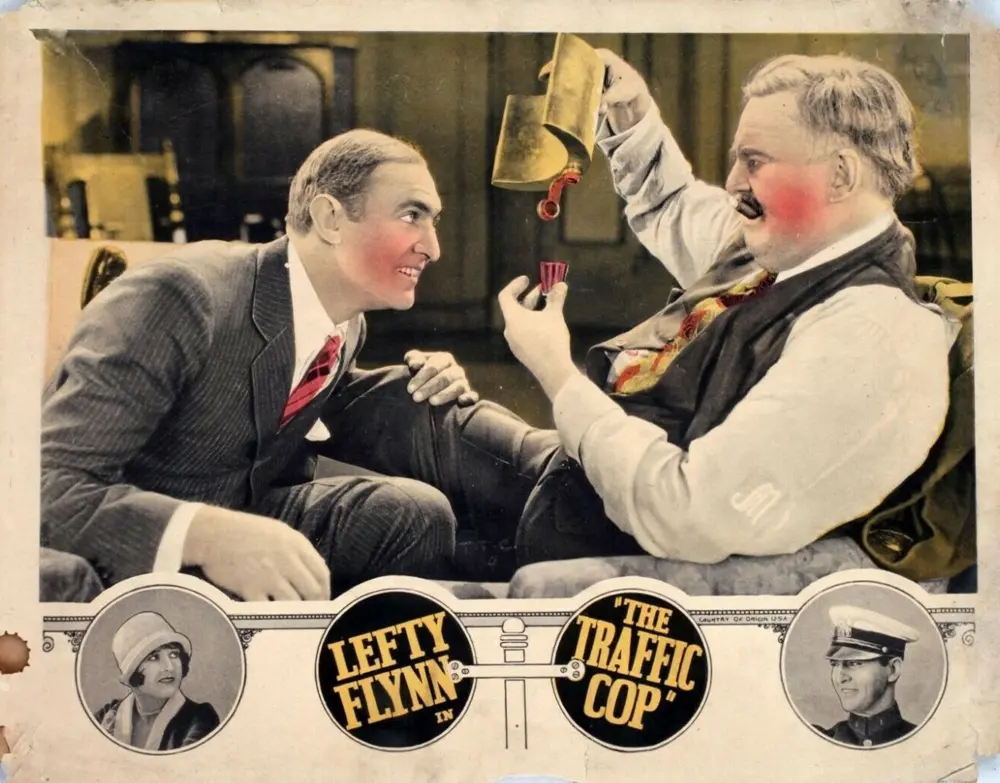
However, I would argue that the mother isn't just a villain; she is a representation of the systemic barriers of the time. The film takes a hard stance: Joe’s 'low social station' is a barrier that only a life-threatening crisis can dissolve. This is a cynical take on romance, suggesting that a working-class man must literally risk his life to be considered an equal to a wealthy woman. It’s a debatable point, but the film seems to embrace this transactional view of heroism.
The Traffic Cop (1926) is worth watching for anyone interested in the evolution of the American action-melodrama. While the social politics are dated, the film’s commitment to its stunts and its earnest portrayal of a man’s devotion to his ward provide a solid emotional core. It lacks the psychological depth of Mad Love, but it compensates with a straightforward, muscular narrative that doesn't waste time on unnecessary subplots.
The pacing of The Traffic Cop is surprisingly brisk for a 1926 release. The film clocks in at a length that refuses to overstay its welcome. The transition from the tragedy of the accident to the recovery at the resort happens with a quickness that avoids the melodramatic wallowing common in Plain Jane. This efficiency is likely due to the collaborative writing team, which included Rob Wagner, who understood the need for visual momentum.
"The car in this film is more than a vehicle; it is a monster that Joe must tame, first with his whistle and finally with his bare hands."
The tone shifts dramatically in the final act. We move from a quiet, seaside romance into a high-octane thriller. The editing during the mountain descent is sharp, cutting between the panicked faces inside the car and the mechanical failure of the brakes. This sequence is a masterclass in building tension without the aid of sound. You can almost hear the screech of the tires and the roar of the wind, a testament to the film's visual power.
The Traffic Cop (1926) is a sturdy piece of silent cinema that serves as a bridge between the moralistic dramas of the early 1910s and the action-packed spectacles of the late 1920s. It is not a masterpiece of psychological depth, but it is a highly effective piece of genre filmmaking. The film is a reminder that the basic elements of cinema—heroism, tragedy, and a well-timed stunt—are universal and timeless.
While it may not have the lasting cultural impact of some of its contemporaries, it remains a fascinating artifact of its time. It is a film about the anxiety of a changing world and the enduring power of a simple, honest man. If you can look past the cartoonish snobbery of the upper class, you will find a film that is surprisingly visceral and deeply human. It works. It’s flawed. But it drives home its message with undeniable force.
IMDb —
1929
Community
Log in to comment.