DbcultAccessing Vault...
Cult Review
Senior Film Conservator
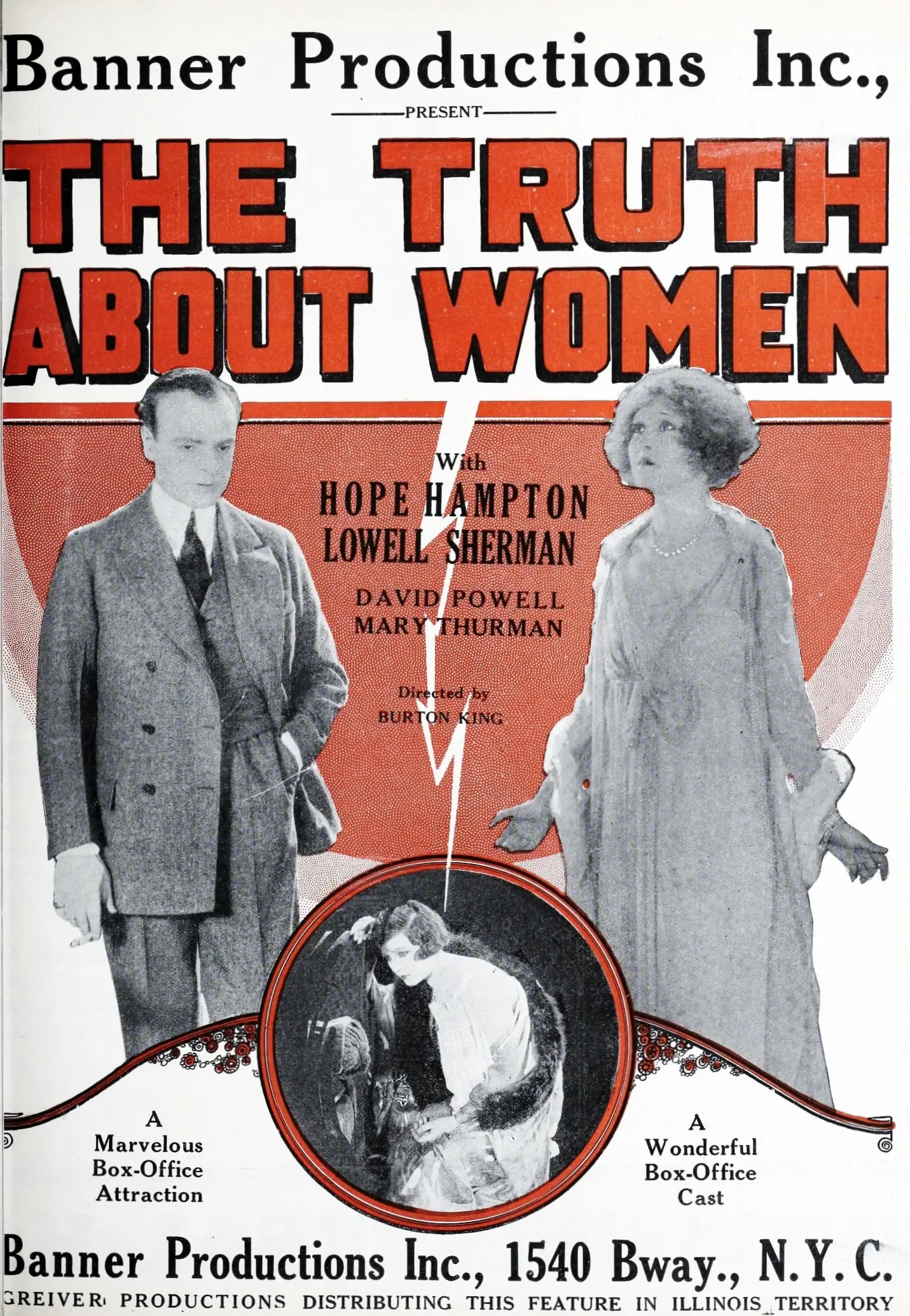
The narrative of 'The Truth About Women' is a poignant exploration of the intricate human drama that unfolds when the fabric of a family is torn apart by betrayal and the relentless pursuit of personal fulfillment. Artist Warren Carr's decision to abandon his wife, Hilda, and their child for the worldly Nona Boyd sets the stage for a narrative that is both haunting and deeply resonant.
Warren's exit from his family is not the end of the story, but rather a catalyst for Hilda's transformation. Under the tutelage of the enigmatic novelist, Howard Bronson, Hilda reinvents herself as a cabaret sensation, a transformative journey that reflects her inner strength and resilience in the face of adversity. This period of Hilda's life, marked by her newfound fame and the nurturing presence of Bronson, forms a stark contrast to the void left by Warren.
The film's exploration of Hilda's journey is both captivating and unsettling. Her transformation from a wife and mother to a cabaret star is a reflection of her evolving identity and the societal pressures she faces. The character of Bronson, with his guiding hand and mysterious charm, serves as a figure of mentorship and perhaps romantic entanglement, complicating the narrative further. This layering of emotions and motivations makes for a deeply engaging and thought-provoking viewing experience.
Warren's attempt to reconcile with Hilda, following the tragic loss of their child, is a poignant moment in the film. It is a testament to the enduring nature of love and regret, but also to the challenges that come with trying to reclaim a past that has irreparably changed. Hilda's decision to remain with Bronson, however, underscores her newfound independence and the choice to prioritize her personal growth over the remnants of a failed marriage.
The film's visual and thematic elements are masterfully crafted. The cinematography, with its emphasis on the stark contrasts between light and shadow, effectively conveys the emotional weight of the narrative. The use of close-ups during pivotal moments, such as Warren's attempts to reconcile and Hilda's reflections on her past, adds a layer of intimacy and emotional depth to the story. These visual choices serve to heighten the audience's engagement and emotional investment in the characters' journeys.
The performances by the cast, particularly Augusta Carey as Hilda and Mary Thurman as Nona Boyd, are compelling. Carey's portrayal of Hilda's transformation from grief-stricken wife to confident cabaret artist is nuanced and convincing. Thurman's character, Nona Boyd, is a complex figure who represents the allure of the outside world, tempting Warren away from his responsibilities. Their interactions, both tense and tender, bring a sense of realism and authenticity to the narrative.
Compared to other films of the era, 'The Truth About Women' stands out for its sophisticated exploration of emotional complexity and societal expectations. It shares thematic similarities with films like 'Snobs', which also delves into the dynamics of class and personal morality, and 'The Wood Nymph', which explores themes of transformation and identity. However, the depth of character development and the emotional resonance of 'The Truth About Women' set it apart.
While the film is a silent drama, the creative use of intertitles and the visual storytelling are impressive. The narrative is well-paced, with moments of intense emotion balanced by quieter, more introspective scenes. The film's ability to convey the weight of its narrative through visual and auditory means is a testament to the skill of its directors and writers.
One of the film's strengths lies in its exploration of the female characters. Hilda's journey is a central focus, and her transformation is both a triumph and a tragedy. The character of Bronson, while less developed, adds a layer of complexity to the narrative, serving as a foil to Warren's more straightforward character. This balance between the characters allows for a nuanced exploration of the themes at play.
Technically, the film is a remarkable achievement for its time. The use of close-ups, the intricate stage settings for the cabaret scenes, and the careful staging of emotional moments contribute to a rich visual narrative. The film's use of sound, in the form of intertitles and the occasional musical interlude, enhances the storytelling, making it a more immersive experience for the audience.
In conclusion, 'The Truth About Women' is a film that resonates deeply with its audience, offering a poignant exploration of love, loss, and the complexities of personal growth. Its performances, narrative, and technical aspects combine to create a work of art that stands the test of time. It is a film that invites viewers to reflect on the nature of relationships and the choices that shape our lives.
Rating: ★★★★☆
Themes: Betrayal, Redemption, Transformation, Love, Loss
Key Cast: Augusta Carey, Mary Thurman, David Powell, Charles Michael Edwards, Warren Cook, Charles Craig, Rosella Ray, Lowell Sherman, Louise Carter, Hope Hampton, Dainty Lee
Writers: Leota Morgan, William B. Laub
Other Films for Comparison: Snobs, The Wood Nymph, The Garden of Weeds, The Arrival of Perpetua, A Girl of Yesterday, After the Bawl, The Son-of-a-Gun, Checkers, La voix d'or, The Captive, The Silent Voice, Beloved Jim, Oranges and Lemons, The High Horse, Sentenced for Life
IMDb —
1913
Community
Log in to comment.