DbcultAccessing Vault...
Cult Review
Senior Film Conservator
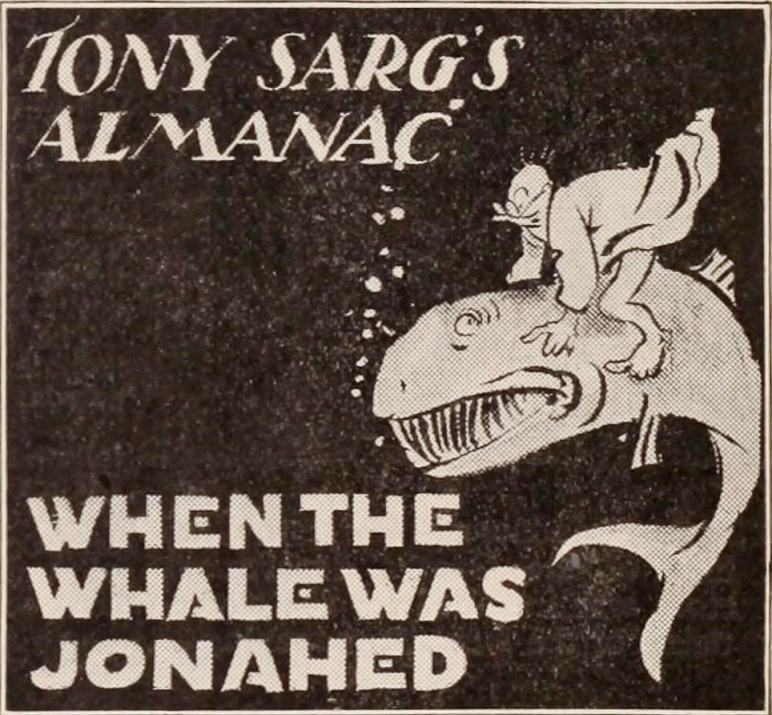
The cinematic landscape of When the Whale Was Jonahed is a rich and varied terrain, replete with symbolism, metaphor, and a deep sense of existential inquiry. As we navigate the film's narrative, we find ourselves immersed in a world of moral complexity, where the boundaries between right and wrong are continually blurred and redefined. The character development is nuanced and multi-layered, with each protagonist embodying a unique facet of the human experience. The film's use of dark orange hues and yellow tones creates a visually stunning palette, perfectly capturing the mood and atmosphere of each scene. In contrast to other silent films of the era, such as Das Modell and The Man Hunter, When the Whale Was Jonahed presents a more introspective and contemplative approach to storytelling, one that eschews action and spectacle in favor of a more cerebral and emotionally resonant experience.
One of the most striking aspects of the film is its use of sea blue to convey a sense of melancholy and longing. This motif is woven throughout the narrative, often in conjunction with the dark orange and yellow hues, to create a visually stunning and emotionally powerful cinematic experience. The film's writers, Herbert M. Dawley and Tony Sarg, demonstrate a profound understanding of the human condition, crafting a narrative that is both deeply personal and universally relatable. In comparison to other films of the period, such as Out of the Snows and Break the News to Mother, When the Whale Was Jonahed stands out for its innovative storytelling and technical expertise.
The film's technical achievements are equally impressive, with a masterful use of lighting and composition that creates a sense of depth and texture. The cinematography is crisp and evocative, capturing the subtleties of the human face and the nuances of the natural world. In contrast to the more overtly melodramatic films of the era, such as The Dragon Painter and Home, Sweet Home, When the Whale Was Jonahed presents a more restrained and understated approach to storytelling, one that relies on suggestion and implication rather than overt statement. This approach creates a sense of intimacy and immediacy, drawing the viewer into the world of the film and inviting them to participate in the narrative.
The themes of redemption and forgiveness are central to the film, and are explored through the characters' experiences and interactions. The narrative is structured around a series of vignettes, each of which presents a unique perspective on the human condition. In comparison to other films that explore similar themes, such as Forgiven; or, The Jack of Diamonds and Die Insel der Seligen, When the Whale Was Jonahed presents a more nuanced and multifaceted approach to the subject matter. The film's use of yellow and dark orange hues creates a sense of warmth and optimism, underscoring the possibility of redemption and forgiveness.
The character development in the film is also noteworthy, with each protagonist embodying a unique facet of the human experience. The actors bring a depth and nuance to their performances, capturing the subtleties of emotion and the complexities of human relationships. In comparison to other films of the era, such as Madame Jealousy and A Crooked Romance, When the Whale Was Jonahed presents a more realistic and unsentimental approach to character development, one that eschews melodrama and cliché in favor of a more understated and naturalistic approach.
The film's exploration of the human condition is both deeply personal and universally relatable, inviting the viewer to reflect on their own experiences and emotions. The narrative is structured around a series of paradoxes and contradictions, highlighting the complexities and ambiguities of human existence. In comparison to other films that explore similar themes, such as The Crime of the Camora and Running Wild, When the Whale Was Jonahed presents a more introspective and contemplative approach to storytelling, one that encourages the viewer to engage with the narrative on a deeper level. The film's use of sea blue and dark orange hues creates a sense of balance and harmony, underscoring the possibility of redemption and forgiveness.
The cinematography in the film is equally impressive, with a masterful use of lighting and composition that creates a sense of depth and texture. The camera work is crisp and evocative, capturing the subtleties of the human face and the nuances of the natural world. In comparison to other films of the era, such as Shame and Kinkaid, Gambler, When the Whale Was Jonahed presents a more innovative and experimental approach to cinematography, one that pushes the boundaries of the medium and creates a unique visual aesthetic. The film's use of yellow and dark orange hues creates a sense of warmth and optimism, underscoring the possibility of redemption and forgiveness.
The themes of identity and community are also central to the film, and are explored through the characters' experiences and interactions. The narrative is structured around a series of vignettes, each of which presents a unique perspective on the human condition. In comparison to other films that explore similar themes, such as The Little Church Around the Corner, When the Whale Was Jonahed presents a more nuanced and multifaceted approach to the subject matter. The film's use of sea blue and dark orange hues creates a sense of balance and harmony, underscoring the possibility of redemption and forgiveness. The cinematography is crisp and evocative, capturing the subtleties of the human face and the nuances of the natural world, and inviting the viewer to participate in the narrative.
IMDb 6
1925
Community
Log in to comment.