DbcultAccessing Vault...
Cult Review
Senior Film Conservator
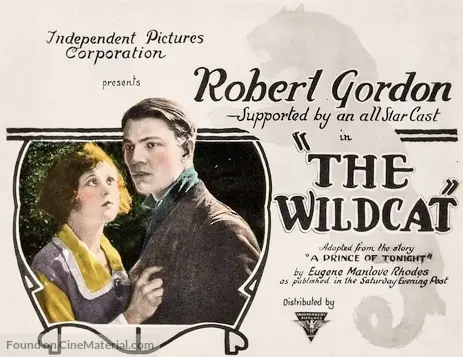
The year 1924 occupied a peculiar temporal space in the history of cinema. It was a time when the visual language of the silent film had reached a pinnacle of sophistication, yet the industry remained blissfully unaware of the seismic shift that sound would soon impose. In this fertile soil, The Wildcat emerged not merely as a genre piece, but as a fascinating synthesis of sports drama, western topography, and the burgeoning tropes of the crime noir. Directed with a keen eye for the kinetic energy of the human body, the film explores the reclamation of a soul through the harsh discipline of the desert.
Bud Osborne, a figure who would later become synonymous with the rugged textures of the B-western, delivers a performance here that is surprisingly nuanced. He portrays a professional fighter whose descent into the bacchanalian whirlpool of city life has rendered him a ghost of his former self. His manager, played with a gruff, paternalistic authority, recognizes that the boxing ring is no longer the primary battlefield; the struggle is now internal. The decision to relocate to an isolated ranch is presented not as a vacation, but as a tactical retreat into a space where the distractions of the modern world are replaced by the silence of the sagebrush.
What distinguishes The Wildcat from contemporary efforts like A Regiment of Two is its profound relationship with the landscape. Eugene Manlove Rhodes, the writer behind the story, was a man who understood the West not as a backdrop for pulp fiction, but as a character in its own right. The ranch is depicted as a crucible. The cinematography captures the vastness of the horizon, juxtaposing the protagonist's initial claustrophobic anxiety with the expansive freedom of the plains. This is a visual motif we see echoed in other works of the era, such as The Seekers, where the environment serves as both antagonist and healer.
The arrival of Nola Luxford’s character introduces a romantic tension that avoids the saccharine pitfalls of many silent-era romances. She represents the grounded reality of the West—a stark contrast to the hollow, champagne-fueled flirtations the fighter left behind in the city. Her presence acts as a mirror, reflecting the protagonist's slow return to his primal, disciplined self. However, the film cleverly subverts the simple 'city boy meets country girl' narrative by weaving in a subplot involving a cache of stolen jewels. This infusion of criminality elevates the stakes, transforming a story of personal growth into a high-stakes thriller that rivals the tension found in Tainted Money.
The pacing of the film is deliberate, mirroring the slow build-up of a fighter’s training camp. We see the protagonist shedding the layers of urban lethargy, his muscles hardening and his eyes regaining their focus. This physical transformation is essential to the film's thematic core: the idea that moral clarity is inextricably linked to physical discipline. Unlike the comedic sensibilities often found in Pop Tuttle's Movie Queen, The Wildcat maintains a gravity that borders on the existential.
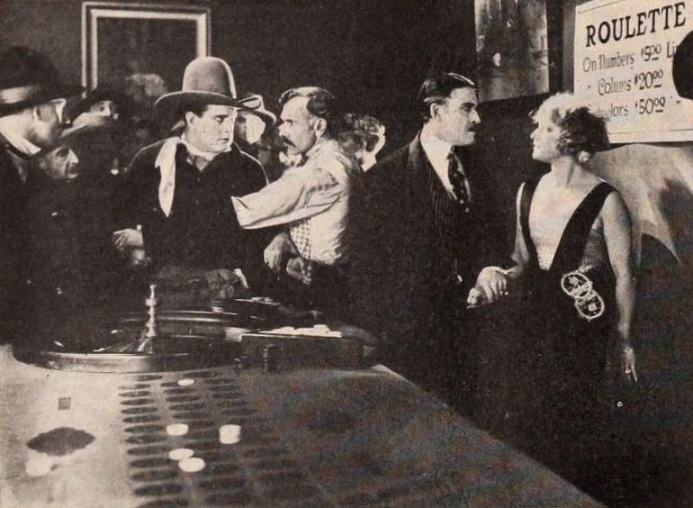
When the stolen jewels finally enter the foreground, the film shifts gears with surprising fluidity. The mystery is not merely a plot device; it is a test of the protagonist's newly rediscovered integrity. Will he revert to the opportunistic greed of his city days, or will he stand firm in the moral landscape he has begun to inhabit? This dilemma reminds one of the psychological complexity found in The Devil's Double, where the duality of man is explored through the lens of external conflict. The jewels are a siren song, a remnant of the material world he supposedly left behind, challenging his resolve at the very moment he feels most secure.
From a technical standpoint, the film utilizes lighting in a way that prefigures the noir aesthetic of the 1940s. The use of shadows in the ranch house, particularly during the scenes involving the hidden treasure, creates a sense of dread and uncertainty. The director manages to convey complex emotional states without the crutch of excessive title cards, relying instead on the expressive physicality of the cast. While it may lack the experimental daring of The Last Moment, it possesses a sturdy, reliable craft that ensures every frame serves the story.
The supporting cast, including Robert Gordon and Harry Lorraine, provide a solid foundation for the leads. Lorraine, in particular, brings a menacing presence that heightens the stakes of the jewel subplot. The chemistry between the actors feels authentic, a rarity in an era where performances often leaned toward the theatrical. In comparison to the melodramatic flourishes of The Right to Happiness, The Wildcat feels remarkably modern, prioritizing atmosphere and character interiority over grand gestures.
One cannot discuss this film without acknowledging the literary weight of Eugene Manlove Rhodes. Known for his authentic depictions of the cowboy lifestyle, Rhodes brought a level of realism to the script that was often missing from the 'Hollywood' version of the West. His influence is felt in the dialogue (conveyed via title cards) and the specific cultural markers of the ranch life. This authenticity provides a grounded contrast to the more sensational elements of the jewel heist. It creates a world that feels lived-in, much like the domestic settings in Ma Hoggan's New Boarder, yet on a much grander, more atmospheric scale.
The film also touches upon the theme of the 'fallen hero,' a common trope in 1920s cinema. The idea that a man must lose everything in the city to find himself in the wilderness was a powerful narrative during a time of rapid urbanization. We see similar themes explored in The Girl with the Champagne Eyes, though The Wildcat approaches it with a more masculine, grit-under-the-fingernails sensibility. It is a story of redemption that feels earned, rather than granted by divine or narrative providence.
In the final act, the disparate threads of the boxing comeback and the jewel mystery are woven together in a climax that is both physically satisfying and emotionally resonant. The protagonist must use the very skills he regained through discipline to defend the ranch and the woman he loves. It is a classic resolution, yet executed with such sincerity that it avoids feeling cliché. The film stands as a testament to the power of silent storytelling, proving that a well-crafted narrative can transcend the limitations of its medium.
For those interested in the evolution of the Western or the history of sports on film, The Wildcat is an essential watch. It occupies a space between the rugged simplicity of early silents and the complex psychological dramas that would define the 1930s. It is as much a precursor to the modern action thriller as The West-Bound Limited was to the disaster genre. Ultimately, it is a film about the weight of the past and the grueling work required to build a future. In the flickering light of the projector, Bud Osborne’s journey from the gutter to the high desert remains a compelling piece of cinematic history, a rough-hewn gem that shines as brightly as the stolen jewels at the heart of its plot.
IMDb —
1921
Community
Log in to comment.