DbcultAccessing Vault...
Cult Review
Senior Film Conservator
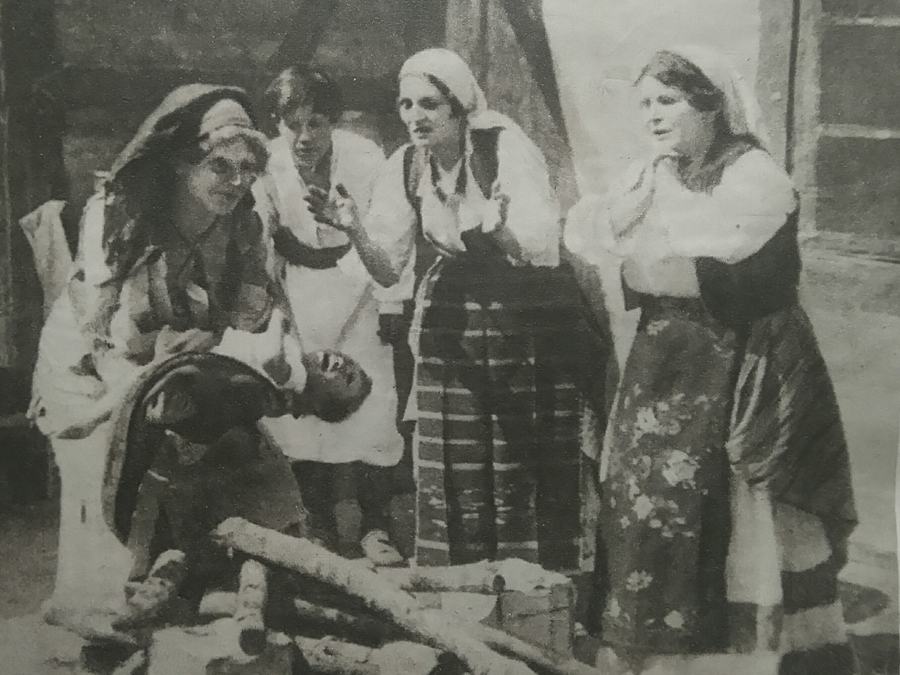
Lazar Markovic didn’t make a cautionary film—he carved a wound and invited us to pour salt in it.
From the first frame, Tragedija nase dece announces its lineage: the sooty neorealism of Rossellini grafted onto Slavic fatalism, flirting with the didactic clarity of Damaged Goods yet courting something far more folkloric. Black-and-white celluloid quivers like heat mirage above the Drina; every cut feels like a cracked bottle spilling memory. Markovic’s camera, often handheld at child height, turns domestic spaces into confessionals where sunlight drips through reed curtains like guilty verdicts.
Anka Paranos, as the matriarch whose lullabies curdle into howls, wields silence like a switchblade. Watch her eyes during the harvest feast: pride, terror, resignation rotate faster than dancers’ skirts. When she finally slaps the bottle from her son’s grip, the sound editor kills the music—only clinking glass and her ragged inhale remain. It’s a jolt harsher than any horror sting.
Unlike The Sultan of Djazz where hooch oils the plot’s gears, here drink is the plot. Narrative peaks aren’t marriages or murders but the moment fermented fruit graduates from table staple to household tyrant. Markovic refuses cathartic shoot-outs; instead, the final tragedy arrives via bureaucratic apathy—no ambulance for the delirious boy, only a wheelbarrow and a funeral levy the village can’t pay.
Compare that to the kinetic bravado of A Motorcycle Adventure. Both films chronicle youth disillusionment, yet where the latter escapes forward, Markovic’s protagonists implode inward, their pupils dilated not by speed but by methyl blindness.
Cinematographer Milenko Ugrinović reportedly submerged lenses in local rakija to achieve swirling aberrations at frame edges. Whether myth or method, the imagery intoxicates: faces smear into frescoes of anguish, candle flames smudge into comet tails.
Non-pros pepper the cast—actual vintners, apiarists, even the village drunk, ironically sober during production. Their stammering line delivery meshes with Paranos’s conservatory precision, birthing a choral texture reminiscent of Marizza but without that film’s operatic inflation.
As the teenage son, Jovan Nikolic embodies withdrawal’s kinetic paradox: limbs jitter while eyes sink into cavernous stillness. His most shattering moment arrives wordlessly—he tries to mount the family horse, palms trembling, and the animal shies away. Cut to a low-angle shot: boy and beast silhouetted against a blanched sky, two creatures separated by the same instinct of self-preservation.
There is no score in the Hollywood sense. Instead, cicadas, distant church bells, and the gurgle of plum mash ferment in copper vats form a sonic triad. When tragedy strikes, Markovic drowns every diegetic noise under a rising wine-vat hiss—an aural hallucination any recovering addict would recognize. The effect is so visceral that festival audiences reportedly walked out clutching their ears, not eyes.
Editor Radmila Jovancicevic cuts on percussive clinks—glasses, farm tools, communion chimes—creating a metronome of impending doom. It’s the antithesis of the jazzy riffs ornamenting The Song of the Soul, proving that silence, too, can swing.
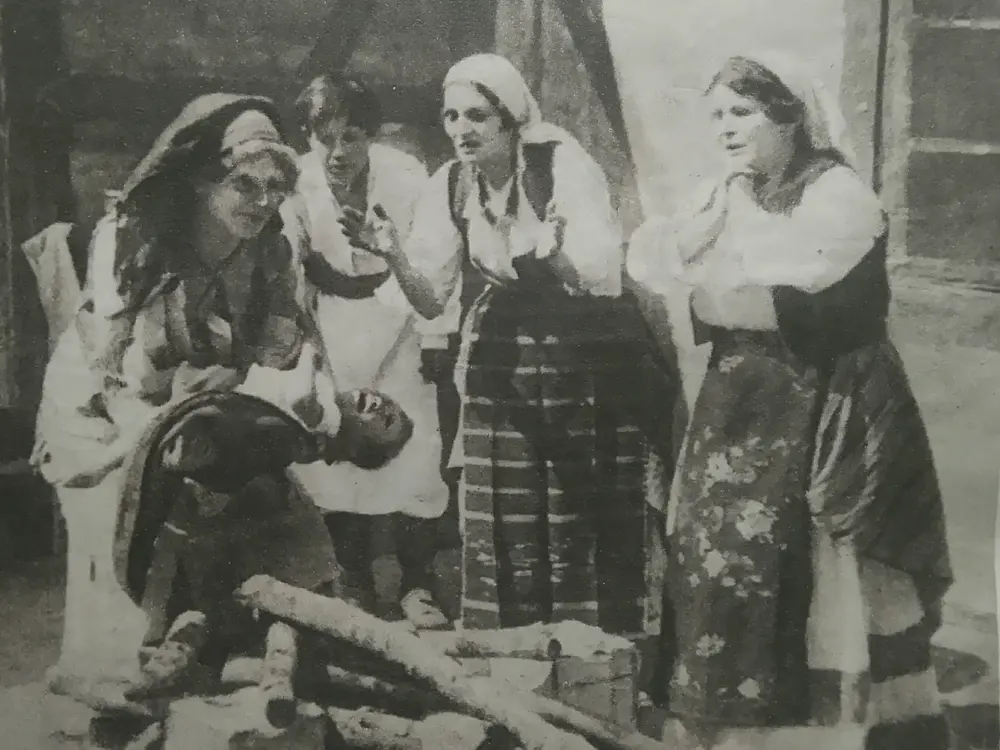
Markovic’s screenplay, allegedly based on a 1948 social-worker report, refuses moral binaries. The local priest, who in lesser films would sermonize, instead pockets a flask before eulogizing. The schoolteacher, ostensibly the moral center, steals communion wine for classroom demonstrations. Even children trade shot glasses like marbles, inheriting rituals they never questioned.
Dialogue is terse, epigrammatic. A drunk mutters, "Bread soaks up wine; shame soaks up soul," then collapses. The aphorism lands heavier than any PSA slogan because the film has shown us both bread and shame in extremis.
Female characters rarely drink on screen; rather, they absorb ricochets of male inebriation. Ljubica Jovanovic, playing the elder sister, navigates patriarchal rubble with proto-feminist resolve, forging alliances with widows and tax collectors to keep hearth alive. Her final act—refusing to wash the dead boy’s body, forcing the father to confront bloat and bruise—reclaims agency in a society that expects women to launder away consequences.
This gendered dynamic distinguishes the film from At the Mercy of Men, where victimhood is largely feminized. Here, men become victims of their own appetite, while women strategize survival.
Communist censors initially shelved the movie for portraying rural misery too starkly; prints languished in humid archives until a 2019 4K restoration by the Yugoslav Film Foundation. The new scan reveals textures previously smothered: bristle of hemp shirts, crystal beads of condensation on ceramic, the opalescent sheen of a dying boy’s saliva. Streaming on niche platforms, it now finds second life among audiences grappling with opioid headlines, proving addiction merely shifts containers.
At retrospectives, critics invoke Herzog’s Even Dwarfs Started Small for its savage tableaux, yet Markovic’s universe lacks that film’s absurdist glee. There is no liberation in chaos, only entropy measured in empty barrels.
Where Striking Models aestheticizes excess into pop-art giddiness, Tragedija nase dece desiccates glamour until nothing remains but bone. Conversely, Anime buie treats despair as cosmic joke; Markovic insists it is communal homework, overdue and unforgiving.
Yet the film is not devoid of lyricism. In one stunning sequence, moonlight refracts through a broken bottle, scattering amber constellations across the farmhouse floor. For three seconds, alcohol becomes cosmos, hinting at transcendence before feet crush the glass back to detritus.
To watch Tragedija nase dece is to swallow rotgut that burns going down yet leaves a strange clarity once knees hit the cold ground. It warns, yes—but more importantly, it witnesses. Long after credits fade, you’ll hear the phantom glug of a demijohn, the rusted hinge of a gate never again opened by hands that once could steady a plough or cradle a child. And in that echo lingers the film’s harshest critique: societies which treat addiction as private sin must eventually inventory public graves.
Available on select arthouse streamers; catch the restored 4K version with Balkan subtitles for maximum authenticity.
IMDb —
1920
Community
Log in to comment.