DbcultAccessing Vault...
6.5/10
Senior Film Conservator
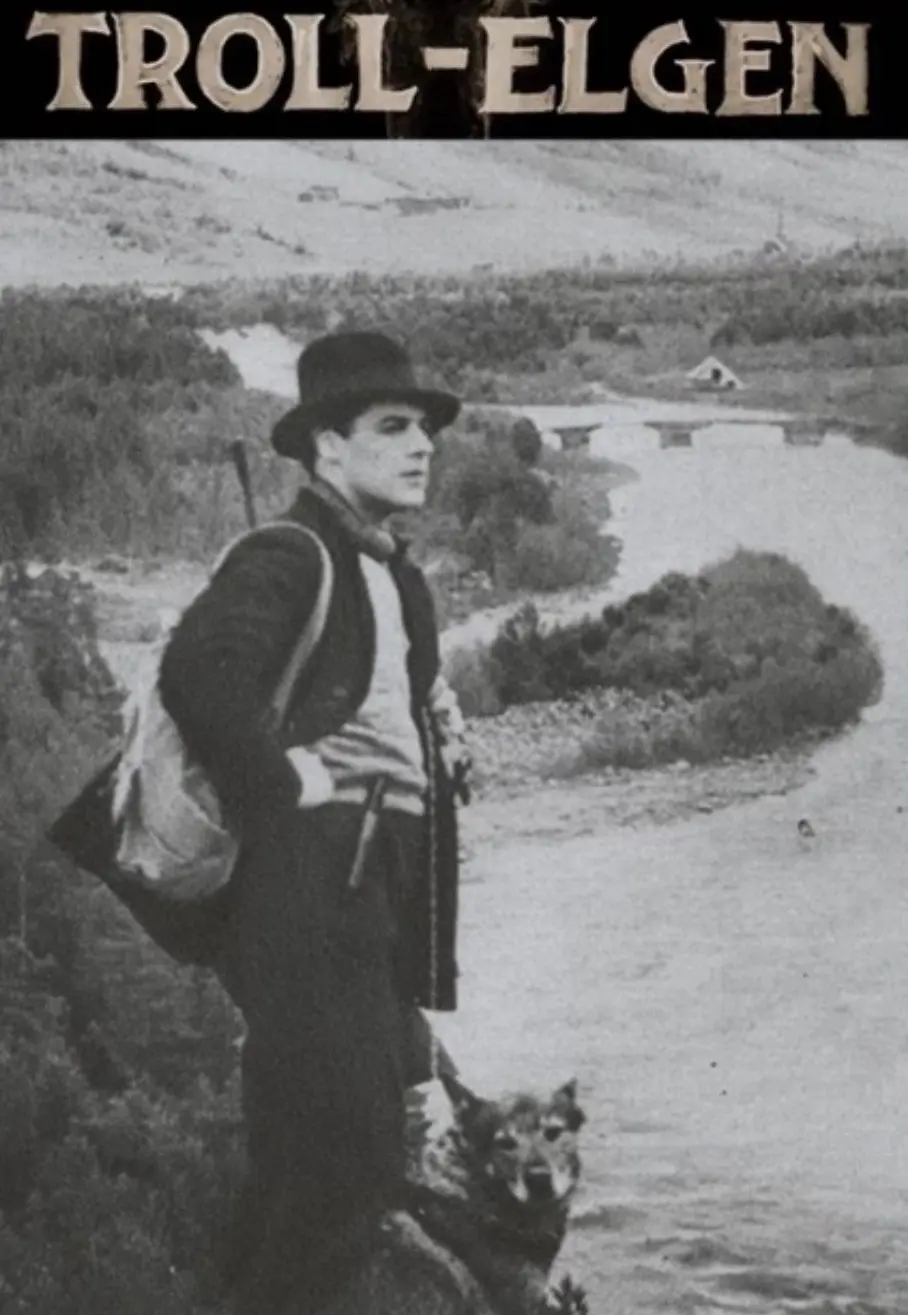
A definitive 6.5/10 rating for a film that redefined the boundaries of cult cinema. Troll-Elgen remains a cornerstone of transgressive art.
Short answer: Yes, but only if you have a high tolerance for the slow, rhythmic pacing of 1920s naturalism. This is a film for those who find beauty in the grain of old celluloid and the stark silence of a mountain peak.
This film is for the patient cinephile and the folklore enthusiast. It is absolutely not for anyone looking for a high-octane creature feature or modern jump scares.
1) This film works because it transforms a simple animal story into a haunting meditation on the 'otherness' of nature.
2) This film fails because it leans too heavily on domestic subplots that lack the raw power of the mountain sequences.
3) You should watch it if you want to see how early Scandinavian cinema used landscape as a primary psychological tool.
Troll-Elgen is not your standard hunting drama. It begins with a subversion of the natural order: a moose calf that acts like a cow. This premise sounds almost whimsical, but under the direction of the era, it takes on a surreal, almost unsettling quality.
The creature is an anomaly. In a world where every element of nature has its place, the Troll-Moose is a glitch in the system. The villagers see it as a bad omen, a 'troll' in animal skin. This elevates the film from a simple outdoor adventure to something bordering on folk-horror.
The moose itself is a god. The man who hunts it is a fool. This power dynamic is established early on and never wavers, making the eventual hunt feel less like a sport and more like a sacrilege.
The protagonist, played with a simmering intensity by Bengt Djurberg, isn't a hero in the traditional sense. He is a man consumed. His need to kill the Troll-Moose isn't about food or survival; it's about the human need to conquer what we don't understand.
Compare this to the animal-centric tension found in The Night Cry. While that film uses animals for melodrama, Troll-Elgen uses them as a mirror for human rot. The hunter’s descent into the wild is a descent into his own psychological instability.
There is a specific scene where the hunter stands on a ridge, silhouetted against a pale sky. He is tiny. The world around him is vast and indifferent. It’s a moment that captures the futility of his quest better than any dialogue could.
Troll-Elgen is worth watching for its historical significance and its atmospheric mastery. It provides a window into a time when Norwegian cinema was finding its voice through its own geography. If you appreciate films that treat the environment as a character, this is a mandatory viewing.
However, be prepared for the technical limitations of 1927. The editing is deliberate, and some of the supporting performances, like those of the villagers, can feel overly theatrical. If you can look past the age, the core story remains surprisingly modern.
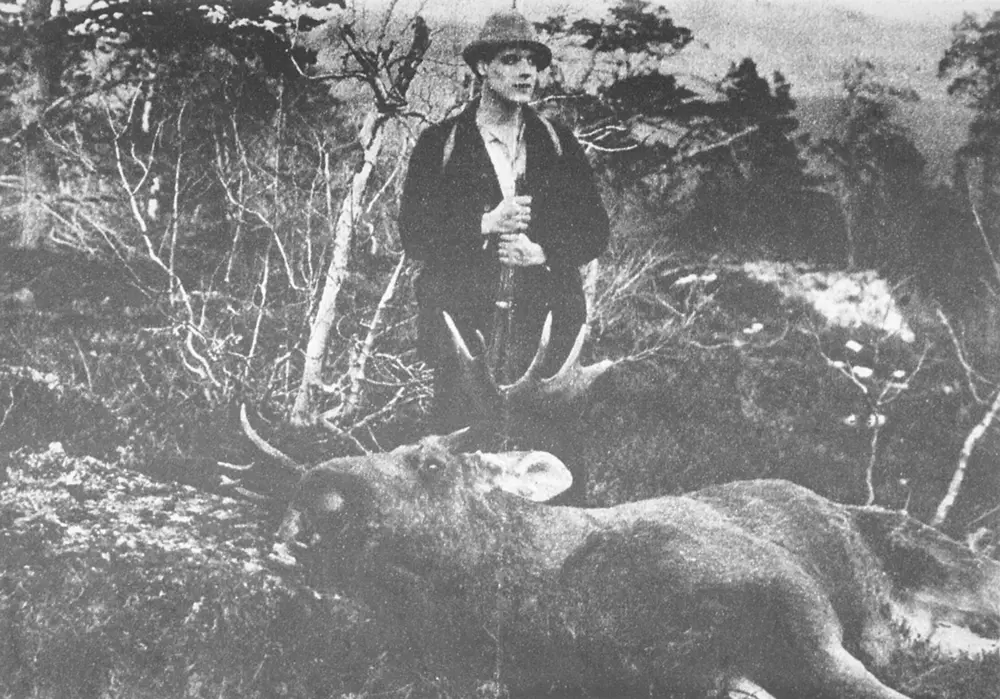
The cast is a who's-who of early Nordic talent. Tryggve Larssen and Egil Hjorth-Jenssen ground the film in a gritty reality. They don't play to the back of the room; they play to the camera, which was a developing skill in the late 20s.
The direction focuses heavily on the textures of the wild. You can almost feel the cold coming off the screen. The way the light hits the snow in the final act is genuinely impressive given the equipment of the time.
It lacks the manic energy of something like The Hick, opting instead for a somber, grounded tone. This choice makes the moments of action feel more earned and visceral.
The pacing is the film's biggest hurdle. The first act spends a significant amount of time establishing the moose's domestic life. While necessary for the 'troll' mythos, it drags. The middle section, involving the village politics and romances, feels like a different film entirely.
It reminds me of the tonal shifts in Waifs, where the central heart of the story is occasionally lost in subplots. But when Troll-Elgen returns to the mountains, it regains its footing instantly.
The tone is consistently bleak. Even in the 'lighter' moments, there is a sense of impending doom. The mountains are always watching. The moose is always lurking just out of sight.
The cinematography is the star here. The use of deep focus in the forest scenes creates a sense of claustrophobia despite being outdoors. You never know if something is hiding behind the next pine tree.
In contrast to the urban settings of Gossip, Troll-Elgen thrives in the absence of civilization. The camera lingers on the swaying branches and the tracks in the mud, building a tactile world that feels lived-in and ancient.
One surprising observation: the film uses very few intertitles during the hunt. It trusts the visual storytelling to convey the hunter's exhaustion and the moose's cunning. This is silent cinema at its most confident.
When placed alongside other 1920s films like Shame or The Last Chance, Troll-Elgen feels more primal. It doesn't care about social mores or urban anxieties. It cares about the dirt, the blood, and the myth.
It shares some DNA with Beauty and the Beast in its exploration of the monstrous and the misunderstood, but it strips away the fairy-tale magic in favor of a cold, hard realism.
The film is a bridge between the romanticism of the 19th century and the cynical realism of the 20th. It’s a fascinating, if occasionally frustrating, transition to witness.
Troll-Elgen is a flawed but essential piece of Norwegian cinematic history. It’s a film that understands the power of silence and the weight of a gaze. It works. But it’s flawed.
"The hunter is not chasing an animal; he is chasing his own ghost in the form of a moose."
If you are looking for a film that stays with you long after the final frame—not because of its plot twists, but because of its sheer atmosphere—then Troll-Elgen is your next watch. It is a testament to the power of early cinema to find the supernatural in the natural world.
IMDb —
1927
Community
Log in to comment.