DbcultAccessing Vault...
Cult Review
Senior Film Conservator
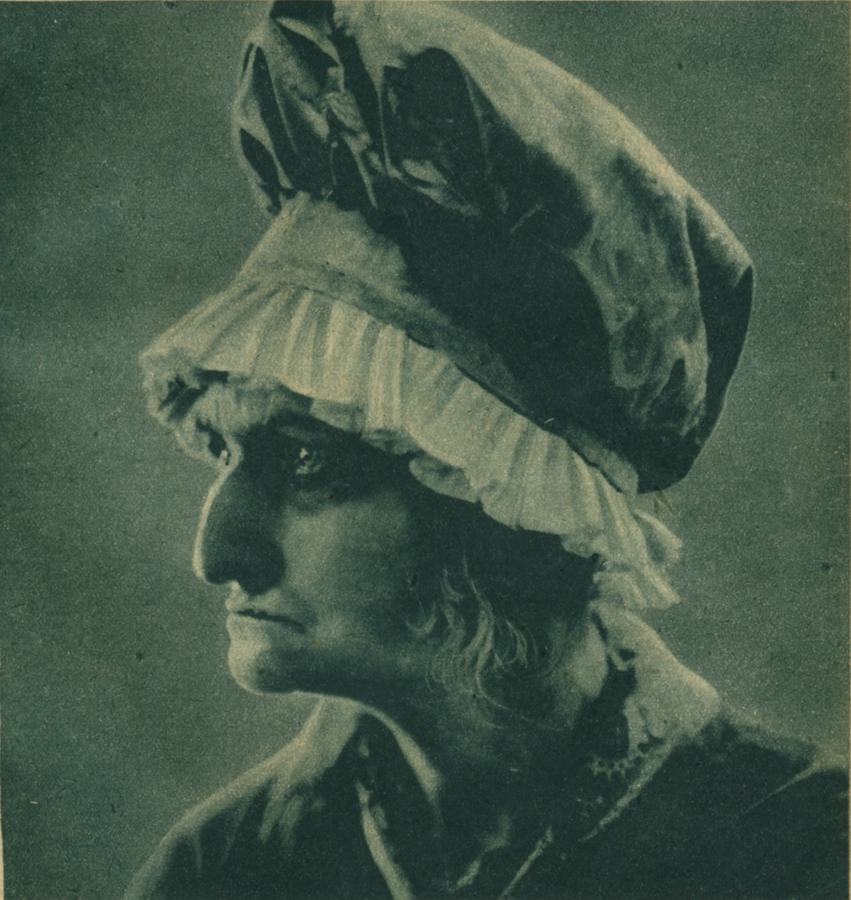
The 1920s represented a pivotal juncture for French cinema, a period where the primitive slapstick of the pre-war era began to coalesce into a more sophisticated, narrative-driven art form. René Leprince, a director often overshadowed by the avant-garde luminaries of the Impressionist movement, demonstrates in Un bon petit diable a remarkable command over the emotional geography of childhood. Based on the beloved novel by the Comtesse de Ségur, this 1923 production is far from a sanitized nursery tale. Instead, it is a textured, often jarring exploration of resilience in the face of systemic cruelty. Much like the tonal shifts found in The Child of Paris, Leprince’s work navigates the perilous waters between Dickensian despair and the luminous hope of youth.
At the heart of the film’s initial tension is the formidable presence of Madame Mac’Miche, portrayed with terrifying, grotesque physicality by Jeanne Bérangère. Her performance is a masterclass in silent film villainy, avoiding the caricatured mustache-twirling of her contemporaries to instead embody a calcified, soul-crushing parsimony. The domestic space she inhabits is a labyrinth of restriction, where every shadow seems to conspire against the vitality of young Charles. This claustrophobic atmosphere serves as a stark contrast to the sprawling, social-realist vistas found in films like Within Our Gates, though both share an obsession with how environment dictates the limits of the human spirit.
Jean Rauzena, in the role of Charles, is a revelation of kinetic energy. He does not merely walk through the frame; he vibrates within it. His pranks and rebellions are not the products of innate malice but are the desperate flailings of a trapped bird. There is a specific scene, involving a mock funeral for a cat, that captures the macabre humor inherent in Ségur’s writing—a humor that Leprince translates with a sharp, almost cynical edge. This is not the idealized childhood of Nina, the Flower Girl; this is childhood as a battlefield.
If Mac’Miche represents the gravity of the earth, Juliette—the blind girl played with ethereal restraint by Jeanne Helbling—represents the lightness of the ether. The relationship between Charles and Juliette is the film’s moral compass. It is through her that the "petit diable" finds his path to redemption. The visual language Leprince employs during their scenes together shifts from the harsh, high-contrast lighting of the Mac’Miche household to a soft, diffused glow that anticipates the pastoral romanticism of later French sound cinema. This thematic use of blindness as a conduit for true sight is a recurring motif in the era, reminiscent of the emotional stakes in The Beggar Maid.
"The cinematic lens here does not merely record events; it interrogates the very nature of virtue, asking whether goodness can survive when it is systematically starved of affection."
The sequences in the garden, where Charles attempts to describe the world to Juliette, are among the most poignant in silent cinema. Here, the film sheds its comedic skin and reveals its beating heart. The technical proficiency of the cinematography, with its subtle use of masking and iris shots, focuses the viewer’s attention on the minute gestures of the hands—a shorthand for intimacy that transcends the need for intertitles. We see a similar focus on the performative power of the body in The Idol of the Stage, though Leprince applies it to a more intimate, domestic scale.
From a technical standpoint, Un bon petit diable is a testament to the sophistication of the Pathé-Consortium-Cinéma. The set design is meticulously detailed, creating a sense of lived-in reality that was often missing from the more theatrical productions of the time. The contrast between the dusty, cobwebbed interiors of the Mac’Miche residence and the opulent, albeit cold, interiors of the later inheritance sequences highlights the film's preoccupation with class and wealth. This visual storytelling is as potent as the narrative shifts in Monna Vanna, where the environment serves as a psychological mirror for the characters.
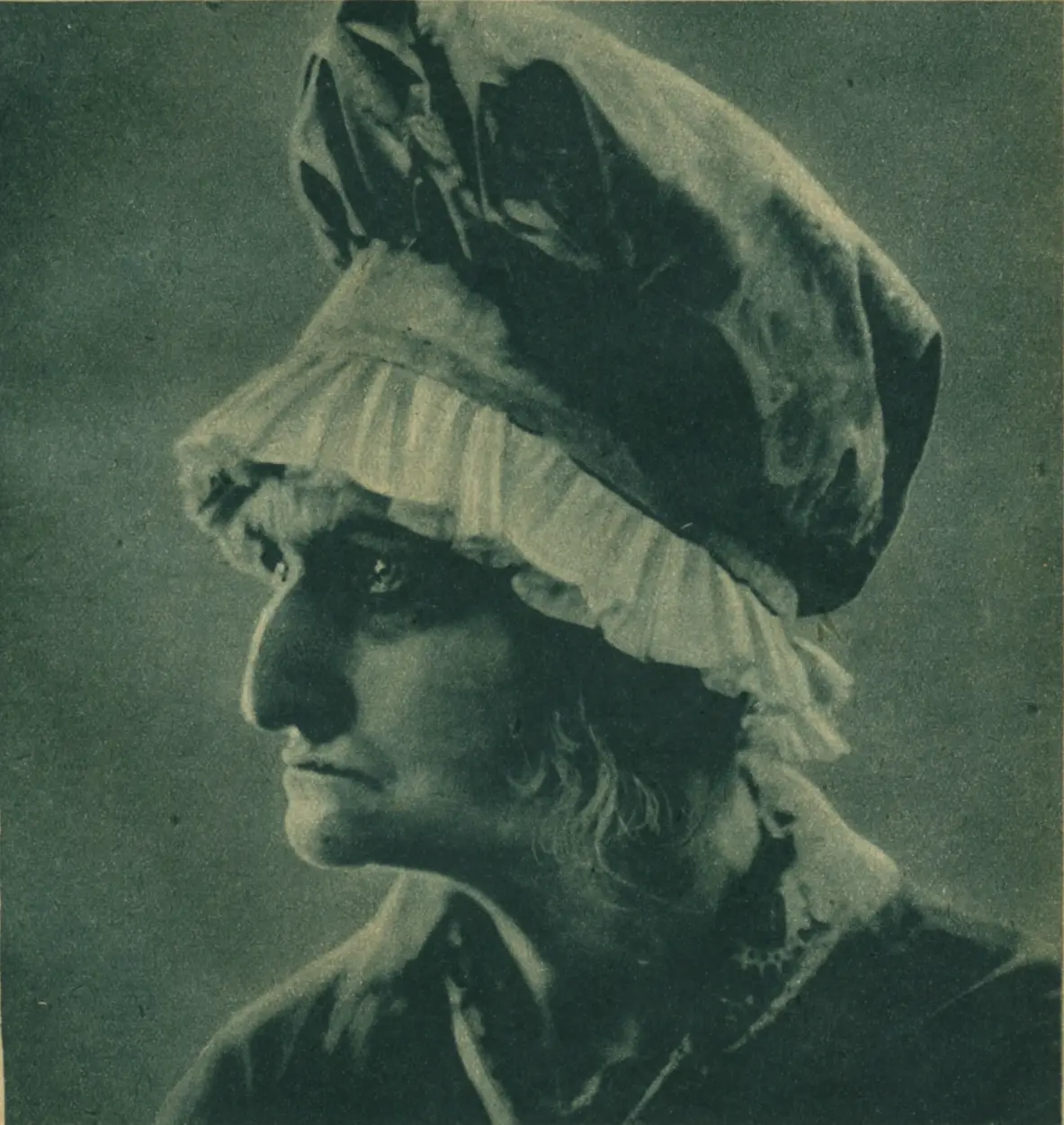
The editing pace is remarkably modern. Leprince understands the rhythm of comedy, allowing the physical gags to breathe without overstaying their welcome. Yet, he is equally adept at slowing the tempo for the film’s more contemplative moments. The transition from the frenetic energy of the first act to the somber, more reflective second act is handled with a grace that prevents the film from feeling disjointed. It avoids the narrative pitfalls of contemporary works like The Fear Woman, which sometimes struggled to balance its disparate tonal elements.
The final movement of the film deals with the weight of inheritance—both financial and moral. When Charles comes into his fortune, the film might have easily devolved into a simple revenge fantasy. Indeed, there is a palpable sense of satisfaction when the tables are turned on the oppressive figures of his youth. However, Leprince, following Ségur’s lead, complicates this trajectory. The corrupting influence of sudden wealth is a theme explored in The Man Who Couldn't Beat God, and here, Charles must navigate the temptation to become the very thing he once hated.
The resolution is not found in the accumulation of gold, but in the restoration of Juliette’s sight—a metaphorical and literal return to clarity. The film argues that the true inheritance is the ability to see the world with compassion rather than through the distorted lens of past trauma. This redemptive arc is handled with a sincerity that avoids the saccharine, largely due to the grounded performances of the supporting cast, including Jules Mondos and Madyne Coquelet. It carries the same thematic weight as the struggles for integrity seen in For Valour.
In the broader context of 1920s cinema, Un bon petit diable stands as a bridge between the old world and the new. It retains the moral didacticism of the 19th-century novel while embracing the visual experimentation of the 20th-century screen. While it may not possess the experimental fervor of Het geheim van Delft or the dark, hallucinatory qualities of Hop - The Devil's Brew, its strength lies in its humanism. It is a film that respects the complexity of the child’s interior life, recognizing that even a "good little devil" is shaped by the hands that hold him.
The film also serves as an interesting counterpoint to the more rugged, frontier-style narratives like Lahoma or the intense melodrama of The Love Call. Where those films look outward toward the horizon, Leprince looks inward toward the hearth. He finds the epic within the domestic, the heroic within the mischievous. Even when compared to the grander scales of Triumph, the emotional stakes of Charles’s journey feel equally monumental.
As we look back on this work a century later, its power remains undimmed. The themes of abuse, resilience, and the transformative power of love are universal. The "devil" in the title is a misnomer; Charles is merely a mirror reflecting a world that has forgotten how to be kind. Through Leprince’s lens, we are reminded that even in the darkest corners of a Mac’Miche household, the light of a Juliette can still find its way. The film is a vital piece of the silent era’s mosaic, a narrative that, much like The Cloven Tongue, explores the dualities of human nature with unflinching honesty.
IMDb —
1918
Community
Log in to comment.