DbcultAccessing Vault...
Cult Review
Senior Film Conservator
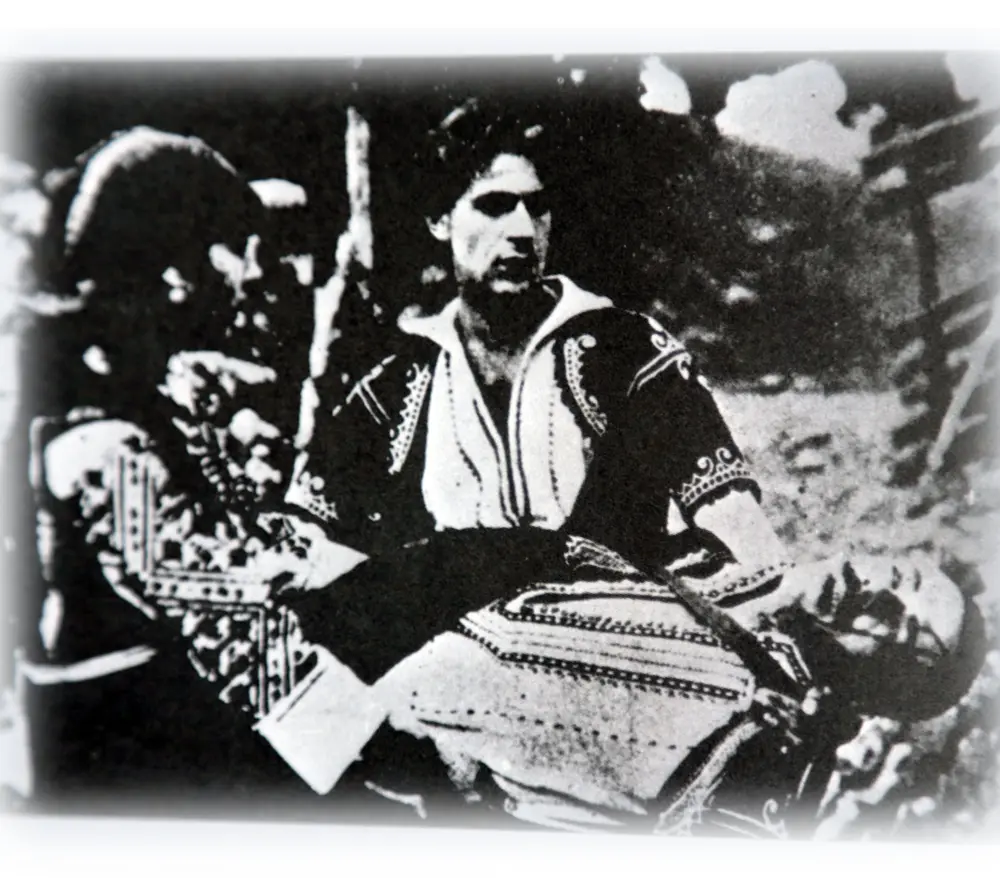
Should you invest your time in the grim, mountain-set tragedy of V noktite na poroka? Short answer: yes, but only if you are prepared for a film that refuses to offer easy comfort or cinematic escapism. This is a production designed for those who appreciate the raw, unvarnished realism of early European cinema, specifically those who find beauty in the bleakness of films like The Confession. It is emphatically not for viewers seeking a lighthearted evening or a fast-paced thriller.
This film works because it treats its central tragedy not as a plot point, but as a permanent atmospheric shift that alters the gravity of the entire world. It fails because its relentless commitment to misery can occasionally feel like a narrative bludgeon rather than a surgical exploration of character. You should watch it if you want to see how early Bulgarian filmmakers utilized the natural landscape to mirror the internal collapse of the human psyche.
Director and writer Yohan Rozenblat understands that in a village isolated by peaks, there is nowhere for sound or sin to escape. The cinematography captures the mountains not as a scenic backdrop, but as a prison wall. There is a specific shot early in the film where the camera lingers on the rocky terrain just before the buffalo incident; the silence is heavy, suggesting that the environment itself is indifferent to the human lives it sustains. This use of space reminds me of the psychological isolation seen in Zigeunerblut, where the setting dictates the destiny of the characters.
The pacing is deliberate, almost agonizingly so. We are forced to sit with Kalina and Stoyko in their initial happiness, which makes the subsequent violence feel like a personal betrayal. Unlike the more adventurous pacing of Across the Pacific, V noktite na poroka moves with the slow, inevitable crawl of a glacier. It is a film that demands patience and rewards it with a profound sense of dread.
Ivan Kasabov’s performance as Stoyko is the dark heart of the film. He doesn't play a villain; he plays a man who is fundamentally ill-equipped to handle the weight of existence. When his son is killed, his grief doesn't manifest as tears, but as a toxic hardening. The scenes of his drinking are filmed with a gritty lack of glamour. There is a moment where he stares at his neglected farm—the tools rusting, the land going to seed—that perfectly encapsulates his internal rot. It’s a performance that rivals the intensity found in The Devil in the Heart.
The violence he inflicts on Kalina is handled with a bluntness that remains shocking today. It isn't stylized. It’s ugly. The film takes a hard stance: Stoyko’s vice is not just the alcohol, but his refusal to remain human in the face of suffering. When he pushes Kalina’s brother from the cliff, the camera doesn't follow the fall. Instead, it stays on Stoyko’s face. In that moment, we see a man who has completely detached from reality. It works. But it’s flawed. The transition from grieving father to attempted murderer happens with a speed that borders on the melodramatic.
Is this film worth watching? If only for the technical execution of the buffalo stampede, the answer is a resounding yes. In an era without digital effects, the sheer physicality of the animals on screen creates a level of tension that modern films often lack. It’s a sequence that carries more weight than the cattle-driven action of The Calgary Stampede because the stakes are so intimately horrific. The sound of the hooves—even in the context of a silent-era aesthetic—is felt in the chest of the viewer.
This scene serves as the film's philosophical anchor. It posits that nature is not a benevolent force, but a chaotic one. The child’s death is random and senseless, which is exactly why Stoyko cannot process it. He needs someone to blame, and when he cannot blame the buffaloes, he blames his wife, his brother, and eventually, God. This thematic depth elevates the film above standard rural dramas like Arizona.
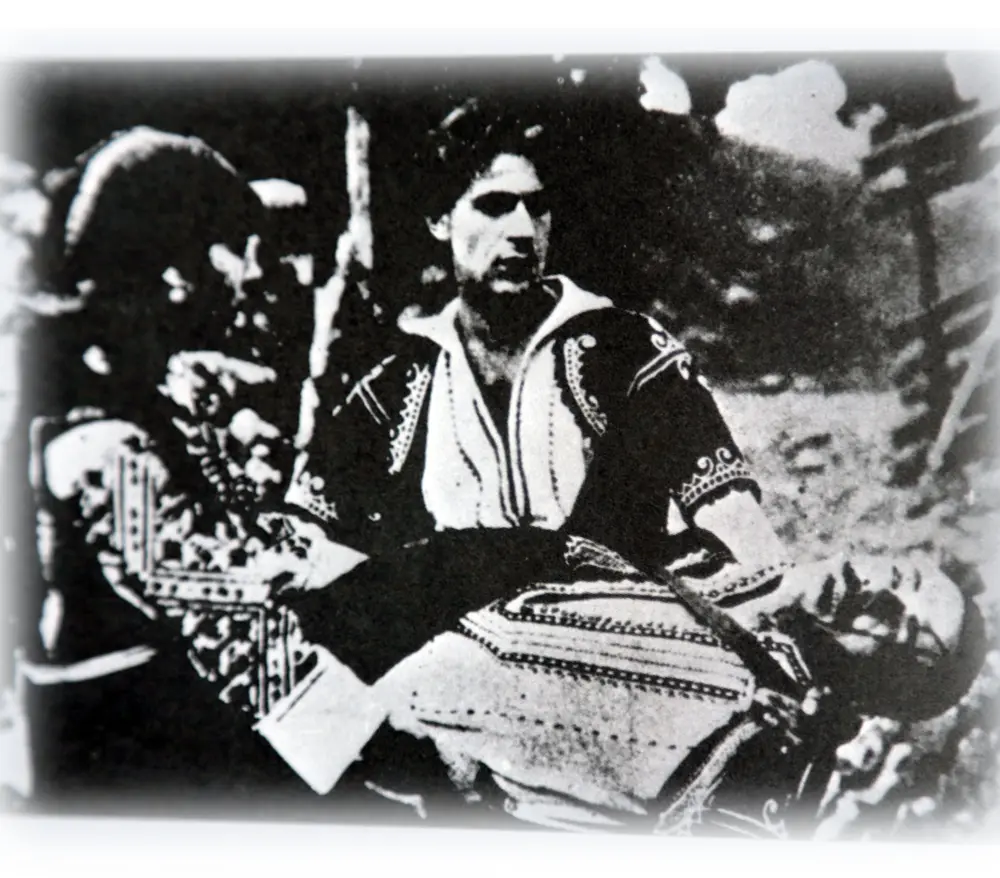
Nadya Zaharieva provides the film’s only source of light, though it is a flickering one. Her portrayal of Kalina is a masterclass in internalised suffering. While Stoyko is loud and destructive, Kalina is quiet and enduring. The scene where she learns she is pregnant again is one of the most complex moments in the film. You can see the terror in her eyes—the fear that this child will suffer the same fate, or that she will not survive the birth. It’s a haunting echo of the domestic stakes in Lydia Gilmore.
The decision to have Kalina die in childbirth is a bold, if devastating, choice. It robs the audience of a happy ending and forces Stoyko into a solitary existence where he must finally face the consequences of his actions without the buffer of her presence. It is a brutal sentence. The final image of Stoyko alone with the infant is not one of hope, but of a heavy, uncertain responsibility. It’s a surprising observation, but the film suggests that his survival is his ultimate punishment.
The lighting in the indoor scenes is remarkably sophisticated for its time. Use of deep shadows emphasizes the claustrophobia of the mountain hut. When Stoyko returns home drunk, his shadow looms over Kalina like a physical weight. This visual storytelling is far more effective than the dialogue-heavy approach of The Politicians. The film understands that in a world of vice, light is a rare commodity.
The editing, particularly during the brother’s fall and the subsequent descent into madness, utilizes quick cuts that mirror the fracturing of the mind. It’s a technique that feels ahead of its time, reminiscent of the psychological editing in Ikeru Shikabane. Every frame is used to reinforce the theme of entrapment—whether it's the entrapment of the mountains or the entrapment of one's own guilt.
V noktite na poroka is a vital piece of cinema for anyone interested in the history of the Balkan film industry or the evolution of the social drama. It offers a window into a specific cultural mindset of the 1920s, where the struggle between tradition, nature, and the self was at its most volatile. While it lacks the polish of contemporary cinema, it possesses a raw power that is often lost in modern productions.
It is a difficult watch, and it does not apologize for its bleakness. However, the performances and the atmospheric direction make it a rewarding experience for those who value substance over spectacle. It is a film that lingers in the mind long after the final frame, much like the haunting moral questions raised in Behold the Man.
Pros: Powerful lead performances; exceptional use of natural locations; visceral and practical stunt work; uncompromising narrative tone.
Cons: Extremely bleak subject matter; slow pacing that may deter casual viewers; some narrative beats feel repetitive.
V noktite na poroka is a punishing but essential entry in the canon of early Bulgarian film. It is a movie that understands the crushing weight of the earth and the even heavier weight of human failure. By refusing to give its characters a simple out, Yohan Rozenblat creates a story that feels honest, even in its most extreme moments. It is a film about the clutches of vice, but more importantly, it’s about the difficulty of letting go once those clutches have taken hold. A somber, powerful experience that demands to be seen by the serious cinephile.

IMDb 4.8
1926
Community
Log in to comment.