DbcultAccessing Vault...
Cult Review
Senior Film Conservator
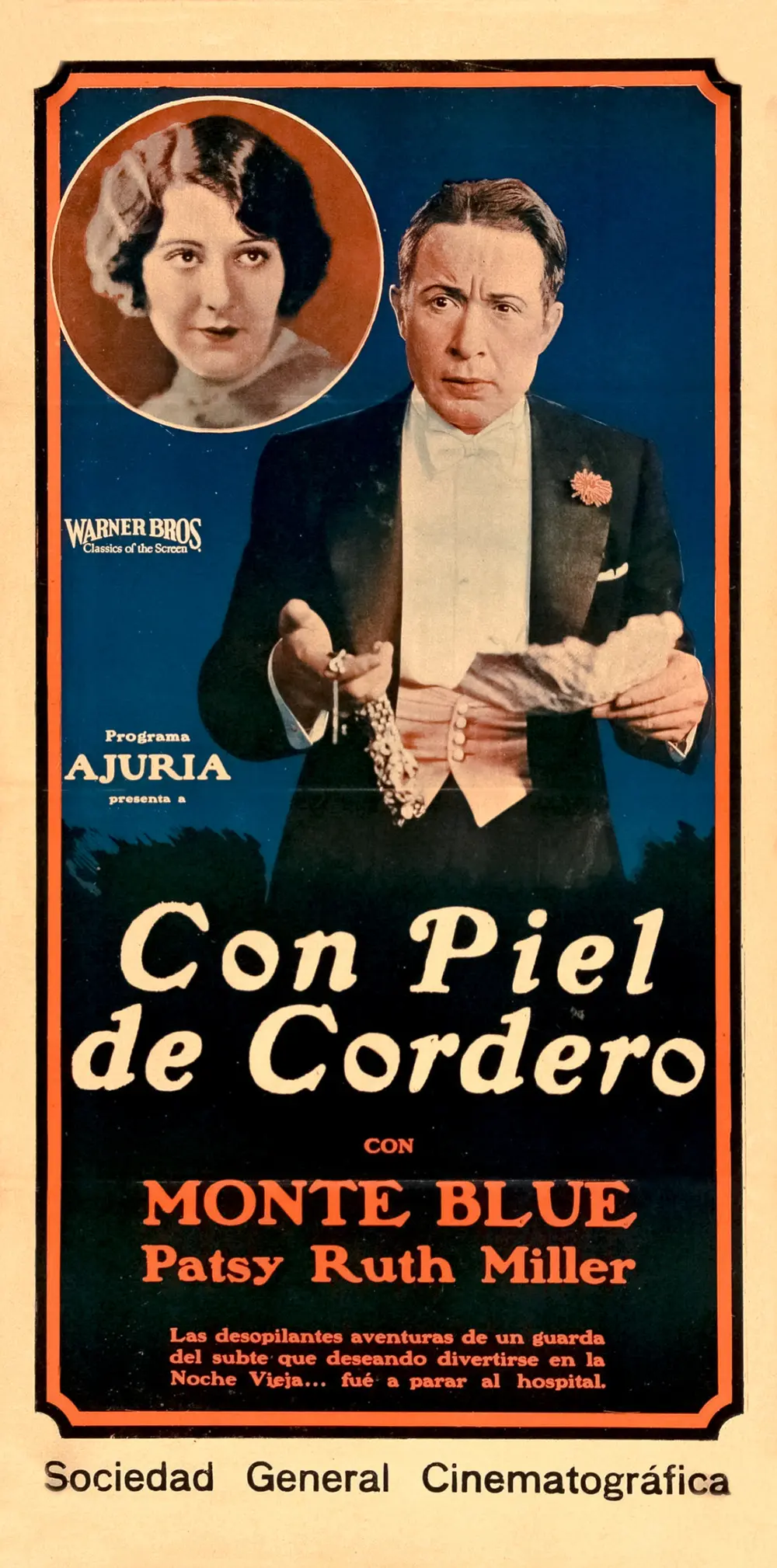
Does Wolf's Clothing deserve a spot in your weekend watchlist? Short answer: yes, but only if you have a high tolerance for the frenetic, sometimes nonsensical logic of late-silent era comedies.
This film is a treasure for those who enjoy the kinetic energy of 1920s urban thrillers and the specific charm of Monte Blue, but it will likely frustrate viewers who demand airtight plotting or modern sensibilities. It is a film of moments rather than a cohesive whole, making it a perfect specimen for students of silent cinema history rather than casual popcorn-munching.
Before we dive into the grime and glamour of Barry Baline’s night out, let’s establish the baseline for this 1927 curiosity. This film works because it captures the literal and metaphorical 'ascent' of the working class with a physical intensity that feels visceral even a century later. This film fails because its second-act complications rely on a series of coincidences so improbable they threaten to derail the tension entirely. You should watch it if you are fascinated by the transition of silent film into the more structured narratives that Darryl F. Zanuck would eventually perfect at 20th Century Fox.
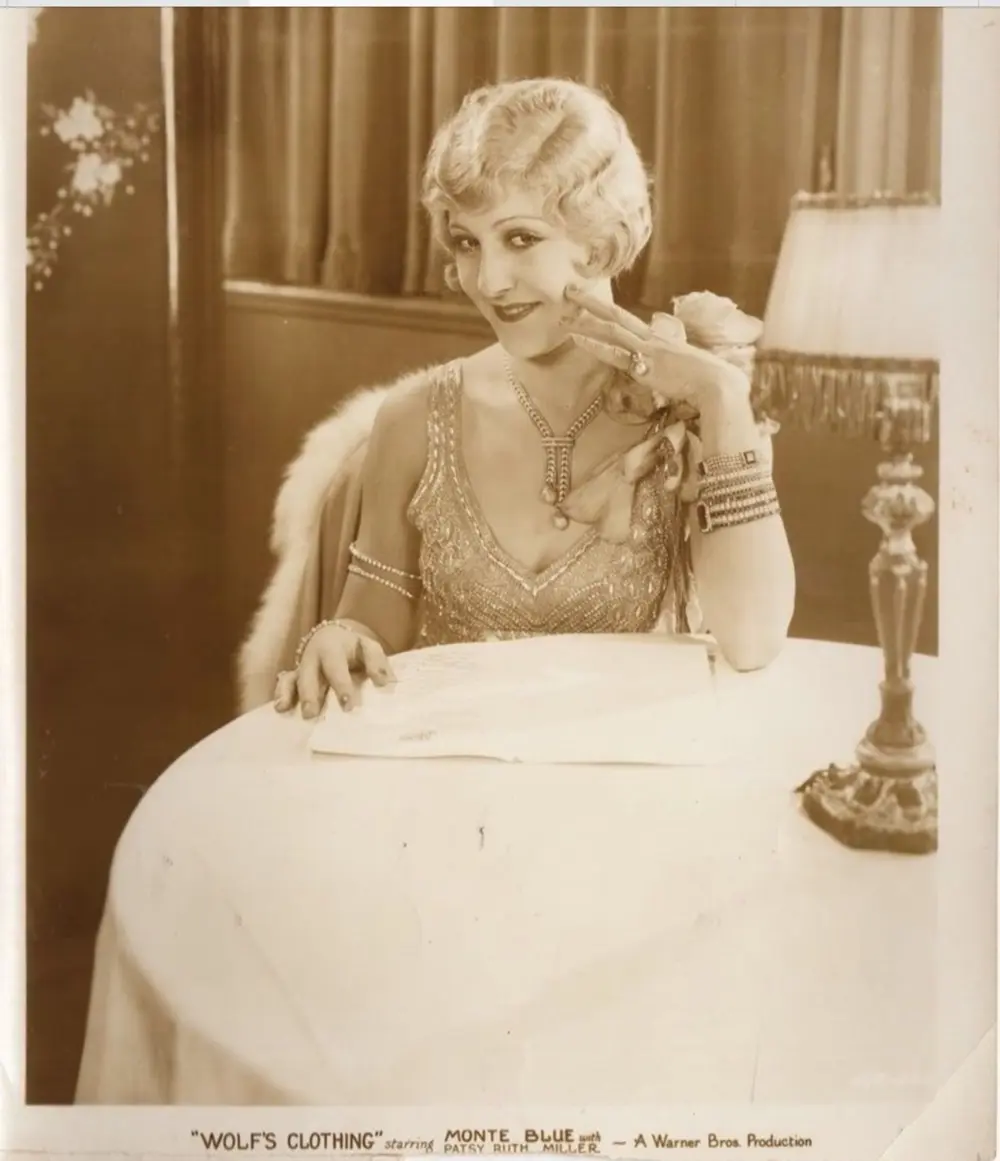
Yes, Wolf's Clothing is worth watching because it serves as a bridge between the slapstick era and the sophisticated urban noir that would follow. It provides a rare look at the 'common man' archetype during the height of the Roaring Twenties. The film’s pacing is relentless, ensuring that even when the plot thins, the visual momentum keeps the audience engaged. It is a fascinating historical document of how the industry viewed class mobility just years before the Great Depression changed the narrative forever.
The opening sequences of Wolf's Clothing are some of the most effective in 1920s cinema. We see Barry Baline, played with a weary, wide-eyed sincerity by Monte Blue, as a man who has become part of the subway station's architecture. The cinematography by the uncredited but clearly talented crew captures the oppressive, metallic nature of the underground. It’s a stark contrast to the light-hearted tone of films like Cleaning Up, which treats labor with a much lighter touch. Here, the work feels heavy. The six-year streak of never missing a day isn't just a plot point; it's a prison sentence.
When Barry finally steps onto the street on New Year's Eve, the camera work changes. The frames become busier, the lighting more erratic. It’s a sensory overload that mirrors Barry’s own experience. He is a man out of time and out of place. The film excels in these early moments of fish-out-of-water observation. When he looks at the luxury cars, he isn't looking with envy, but with a quiet, confused curiosity. This grounded performance by Blue is what anchors the film before it descends into the 'wolf's clothing' gimmickry of the later acts.
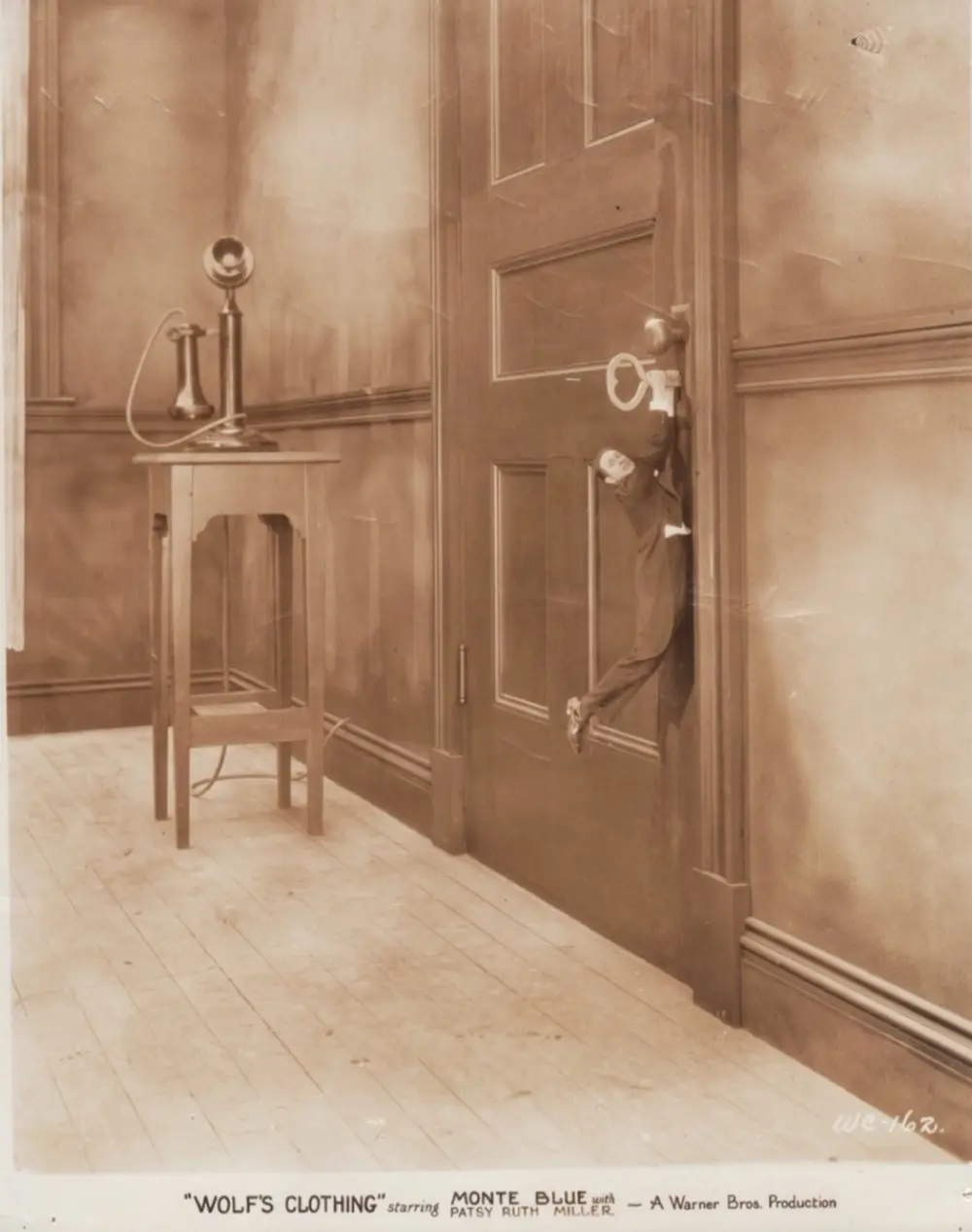
One cannot discuss Wolf's Clothing without acknowledging the writing team, particularly a young Darryl F. Zanuck. Even at this early stage, Zanuck’s fingerprints are all over the script. There is a preoccupation with the 'big break' and the 'masquerade' that would become staples of his later productions. The way Barry is hit by the car is a masterclass in silent-era stunt work and narrative efficiency. One moment he is a guard; the next, he is an accidental aristocrat. It’s fast. It’s brutal. It’s effective.
The script utilizes the New Year's Eve setting to justify the chaos. In a city where everyone is wearing a mask or a tuxedo, identity becomes fluid. This theme of social fluidity is explored far more darkly here than in contemporary pieces like The Apple-Tree Girl. In that film, social climbing is a romantic aspiration; in Wolf's Clothing, it’s a survival tactic. The complications that ensue after the accident involve a level of mistaken identity that borders on the farcical, yet the film maintains a gritty, almost noir-like edge that keeps it from becoming a pure comedy.
Monte Blue was a versatile actor, and here he is required to play three distinct roles: the exhausted guard, the bewildered victim, and the accidental socialite. His physical comedy is restrained, which works in the film's favor. In the scene where he first tries on the 'expensive evening clothes' of his benefactor, his discomfort is palpable. He doesn't just wear the suit; he fights it. This is a subtle bit of acting that conveys the class divide more effectively than any title card could. It reminds me of the nuanced performances in Infatuation, where internal conflict is externalized through small gestures.
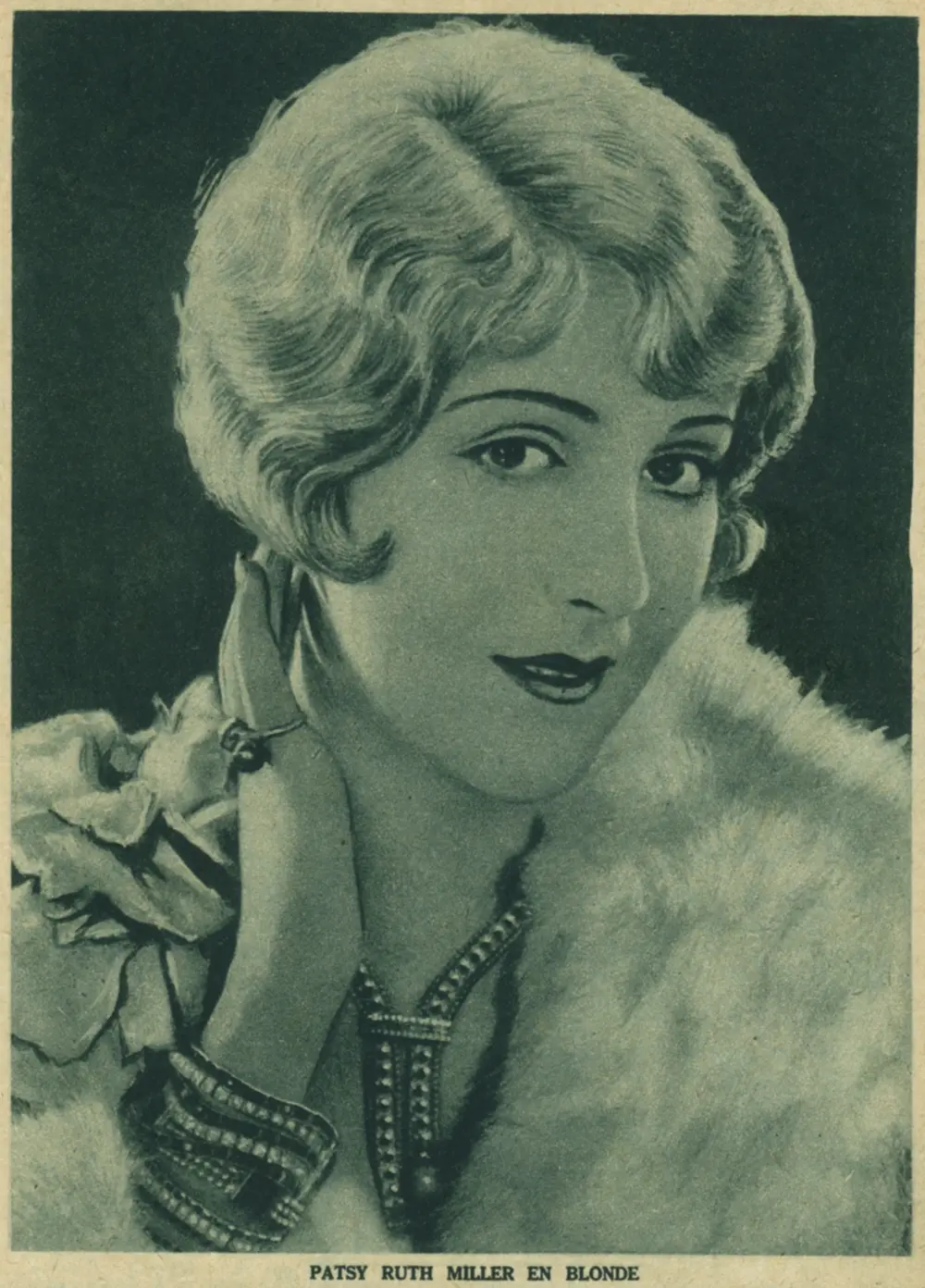
Patsy Ruth Miller provides the necessary spark as the female lead. While the role of the 'catalyst woman' is a trope we've seen in everything from A Lickpenny Lover to The Princess's Dilemma, Miller brings a level of intelligence to her character. She isn't just a prize to be won; she is an active participant in the night’s deceptions. The chemistry between Blue and Miller is genuine, providing a warm center to an otherwise cold and chaotic urban landscape.
Visually, Wolf's Clothing is a tale of two cities. The underground is shot with hard shadows and sharp angles, reminiscent of the German Expressionism seen in Vanina or Das Todesgeheimnis. The subway station feels like a tomb. In contrast, the 'night on the town' sequences are flooded with light, glitter, and movement. The use of double exposures and fast cutting during the New Year's celebration scenes creates a sense of vertigo that perfectly captures Barry’s headspace.
There is a specific shot where Barry looks at his reflection in a shop window after the accident. For a split second, the film stops being an adventure and becomes a psychological study. Who is he now? The guard or the wolf? This visual storytelling is where the film shines. It doesn't need dialogue to explain the existential crisis of being 'dressed up' in someone else's life. The pacing, however, is where the film occasionally stumbles. After the initial thrill of the accident, the middle section drags as it sets up a series of underworld connections that feel less inspired than the character-driven opening.
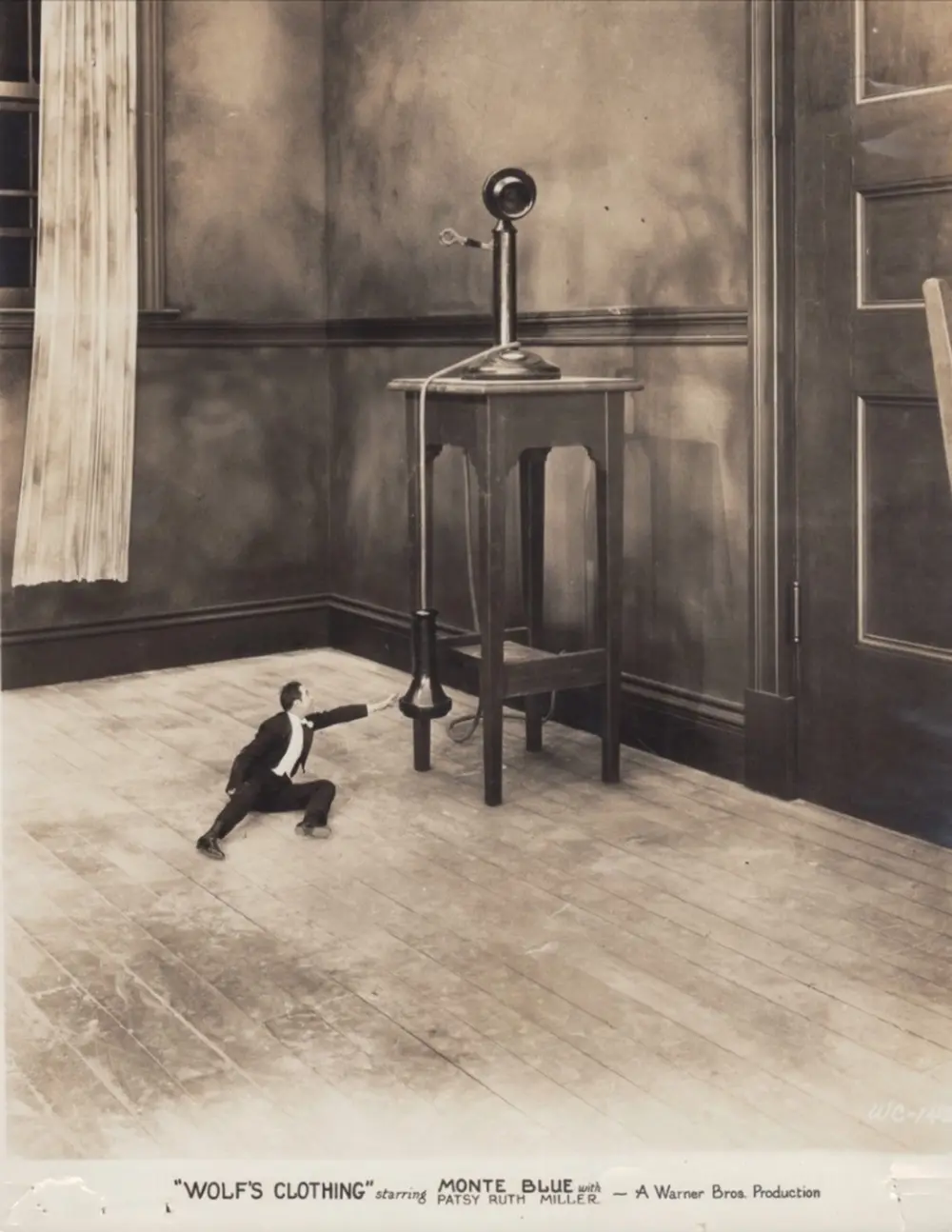
The film features incredible location shooting that captures the essence of a bygone New York. The stunts, particularly the car accident, are executed with a realism that puts modern CGI to shame. The central theme of class masquerade is handled with a cynical wit that feels surprisingly modern. It avoids the saccharine sentimentality of many other films from the period, such as Honesty - The Best Policy.
The supporting cast is so large that many characters feel like caricatures rather than people. The 'complications' mentioned in the plot summary eventually become so dense that the emotional stakes of Barry’s journey are momentarily lost. It lacks the tight, focused narrative found in other short features of the era like Not So Long Ago or A Young Tenderfoot.
The title Wolf's Clothing suggests a predatory nature, but the film subverts this. Barry is not the wolf; the city is. The luxury car, the expensive clothes, and the high-society parties are the 'clothing' that the predatory urban environment uses to lure in the unsuspecting. In many ways, this is a darker companion to the lighter fare of the time. While a film like Paradise Lost deals with the fall from grace, Wolf's Clothing deals with the danger of the rise.
There is a brutal simplicity to the film’s central conceit. It works. But it’s flawed. The flaw lies in its ambition; it tries to be a comedy, a thriller, and a social commentary all at once. Sometimes it succeeds wildly, and other times it feels as confused as Barry himself. But isn't that the point of a New Year's Eve story? It’s a night of transition, of mistakes, and of the hope that when the sun rises, we might be someone else entirely.
"Wolf's Clothing is a frantic, often brilliant look at the porous nature of class in the 1920s, anchored by a physical performance from Monte Blue that deserves to be remembered."
When compared to the lighthearted antics of Felix Minds His Business or the domestic drama of Home, Sweet Home, Wolf's Clothing feels dangerous. It suggests that the only thing separating a subway guard from a millionaire is a well-tailored suit and a bit of bad luck. This was a radical idea in 1927, and it remains a potent one today. The film doesn't offer the easy moral lessons of Little Miss Mischief or the broad humor of The Infant at Snakeville. Instead, it offers a mirror to our own obsessions with status and appearance.
Wolf's Clothing is a messy, high-energy, and deeply fascinating piece of silent cinema. It captures a specific moment in American history where the lines between the 'haves' and 'have-nots' were being blurred by the sheer speed of urban life. While the plot eventually buckles under the weight of its own coincidences, the central performance and the atmospheric directing make it a must-watch for any serious cinephile. It’s a film that understands that sometimes, to find yourself, you have to spend a night being someone else entirely. It’s not a masterpiece, but it’s a hell of a ride.

IMDb —
1932
Community
Log in to comment.