DbcultAccessing Vault...
4/10
Senior Film Conservator
A definitive 4/10 rating for a film that redefined the boundaries of cult cinema. Young Lady remains a cornerstone of transgressive art.
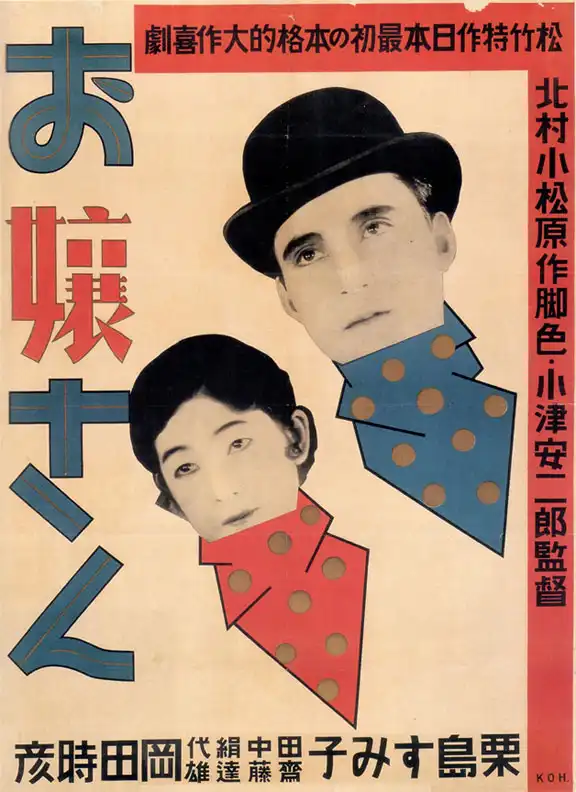
Alright, so we're talking about Young Lady from 1930. This one isn't for everyone, let's be super clear. If you're hoping for explosions or snappy dialogue, you'll probably hate it. This is a silent Ozu film, meaning it's a slow burn, full of quiet moments, and *a lot* of looking at people just existing. But if you’re an Ozu devotee, or you genuinely love diving into early cinema, then yeah, this is absolutely worth watching. It's a peek into a different world, but with feelings that somehow still connect.
The film centers on Chieko, played by Sumiko Kurishima. She's a typist, which was a pretty modern job for a woman back then, and her family is, well, *traditional*. They want her married off, and there’s this whole thing with an older brother, also looking for a spouse. The setup feels very Ozu, even this early on. It's about family, about duty, and that subtle tension between old ways and new.
What really struck me was the way Kurishima carries herself. She has this particular posture, almost like she’s always bracing herself for something. You see it in her shoulders. Her face is often a bit neutral, but her eyes… they tell a story. There’s a scene where she’s just sitting, listening to her family talk about her future, and *nothing* really happens, but you can feel her internal sigh. It's a masterclass in understated acting.
Tokihiko Okada plays the brother's friend, and honestly, he's just effortlessly cool. Every time he walks into a room, there's this quiet charisma. He's not doing much, but his presence fills the frame. It makes you understand why he was such a popular star back then. He makes The General Store General look like an action flick with his sheer nonchalance. 😉
The intertitles are really important here. Sometimes they just state facts, but other times, they deliver a joke or a poignant thought. There’s one about how 'a woman's heart is a strange thing' that pops up, and it made me chuckle a bit, but also think about how much things haven't changed in some ways. Ozu has this knack for making you feel a bit of amusement alongside something heavier.
The pacing, for sure, is different. There are these long, static shots where the camera just *observes*. A room, people sitting, a street corner. You get used to it, though. You start noticing little details, like the patterns on the kimonos or how people adjust their posture. It's not about quick cuts; it's about soaking in the moment.
I kept noticing the domestic spaces. Ozu always had a thing for interiors. The way the light comes through the windows, the arrangement of furniture. It’s all very deliberate, very composed. You almost feel like you could walk into that house, pull up a cushion, and join them. 🏡
There's a moment, not really a big plot point, where Chieko is just walking home after work. The way the city looks, the way she moves through it – it feels a bit lonely, but also determined. It’s those small, quiet instances that stick with you, more than any grand gesture.
The film isn't trying to give you a big, dramatic message. It's more like a window into a specific time and place, through the eyes of a young woman trying to figure things out. It's about the little compromises, the unspoken expectations. It's a reminder that even in a silent film from nearly a century ago, the human stuff is always there, waiting to be seen.
If you've never watched a silent film by Ozu, this is a pretty gentle entry point. It's not as emotionally devastating as some of his later work, but it has that signature *humanity*. Give it a shot, but go in knowing you need to adjust your speed limit. It’s a slow drive, but with some really interesting scenery. 🌳
IMDb 4.5
1925
Community
Log in to comment.