
Cult Cinema Deep Dive
The Alchemical Fringe: Unveiling the Proto-Cult Shadows of Cinema’s First Century
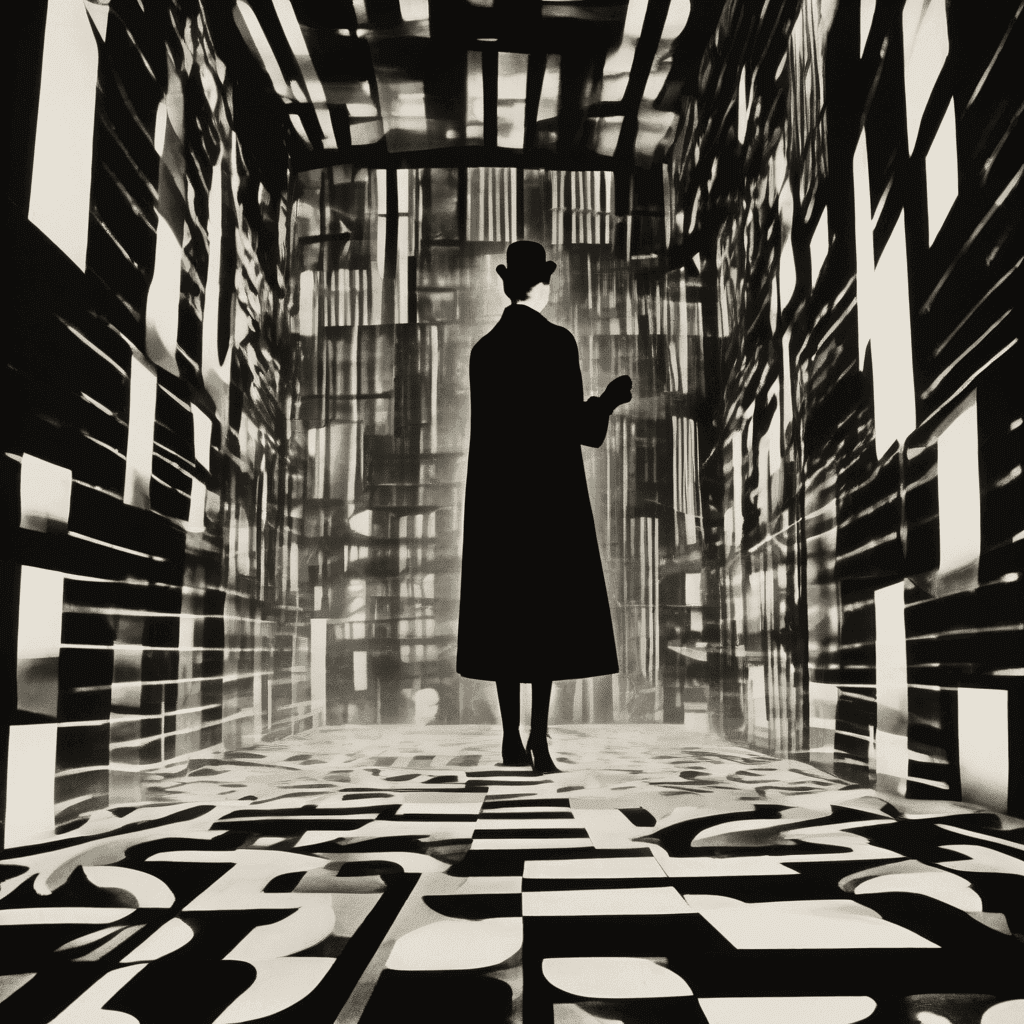
“A deep-dive exploration into how the silent era's most obscure and transgressive films laid the foundational DNA for modern cult worship and niche cinematic devotion.”
To understand the modern phenomenon of cult cinema, one must look past the neon-soaked midnight screenings of the 1970s and 1980s. The true genetic markers of the cult aesthetic—the transgressive, the weird, the misunderstood, and the fiercely independent—were forged in the flickering nitrate of the early 20th century. Long before audiences threw toast at the screen, they were gathering in the shadows of the silent era to witness narratives that defied the moral and structural conventions of their time. This was the birth of the Alchemical Fringe, a space where films like The Last Days of Pompeii (1913) or the abstract experiments of Opus II provided the blueprint for what we now recognize as niche devotion.

The Abstract Rebellion: When Visuals Became the Cult
Cult cinema is often defined by its rejection of traditional narrative logic. In the early days of film, this rebellion was frequently visual. Consider the pioneering work of Walter Ruttmann. His Opus II was not merely a short film; it was a manifesto of 'painting in time.' By exploring the artistic properties of film as a medium of light and rhythm rather than just a vessel for theater, Ruttmann tapped into an early form of 'absolute film.' This experimental spirit is the grandfather of the avant-garde cult, appealing to an audience that values sensory experience over linear storytelling. These abstract flashes of light were the first 'midnight movies,' challenging the viewer to see the screen not as a window to reality, but as a canvas for the subconscious.
Transgressive Melodrama: The Outcast’s Anthem
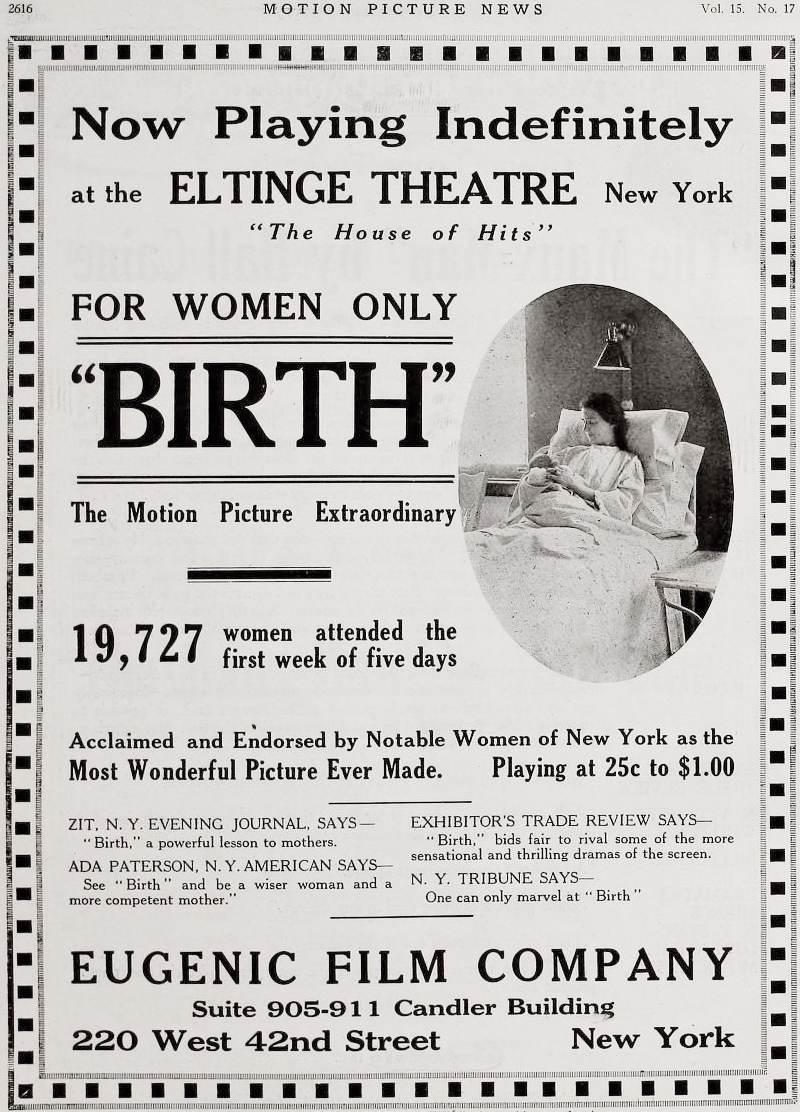
The heart of any cult following is the identification with the 'Other.' Early cinema is rife with characters who existed on the margins of society, often portrayed with a tragic intensity that resonated with those who felt similarly displaced. In The Wax Model, we see Julie Davenant, the neglected daughter of a Parisian dancer, who begins her 'battle with life' after being warned never to trust men. This narrative of survival and cynicism is a precursor to the 'femme fatale' and the 'rebel without a cause' tropes that dominate cult iconography. Similarly, La falena presents Thea, a sculptor diagnosed with tuberculosis who chooses to live her final days in a whirlwind of decadent parties and estranged reconciliation. These films weren't just stories; they were emotional provocations that spoke to the disenfranchised, the sickly, and the artistic misfits of the 1910s.
The Architecture of Madness and Isolation
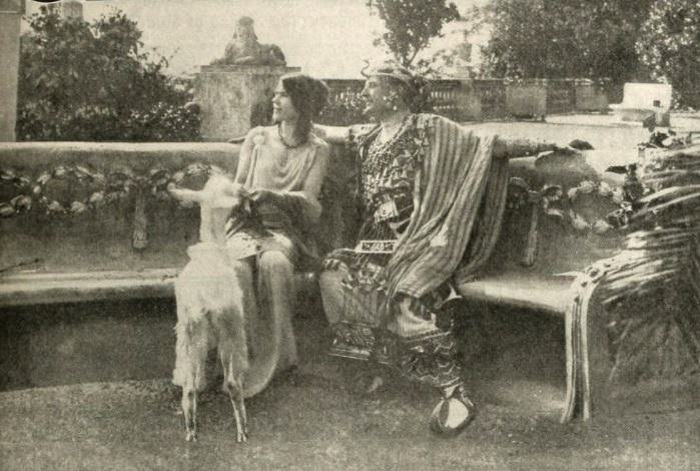
Cult films often inhabit a specific, localized geography—a haunted house, a distant planet, or a desolate landscape. Early silent shorts like The Spirit of the Lake pioneered the psychological weight of isolation. The legend that 'anyone who lives in solitude near the lake goes mad' is a quintessential cult premise. When Tom encounters a girl who has fainted in the desert, the boundary between reality and hallucination begins to blur. This thematic exploration of the 'madness of the wild' is mirrored in The Wrath of the Gods, where an American sailor’s love for a fisherman's daughter clashes with the ancient curses of a volcanic island. These films used the environment as a character, creating an atmospheric dread that would later define the horror and folk-horror cult movements.
The Serialized Obsession: Building a Tribe
Before the digital age, cult devotion was built through the recurring ritual of the serial. The New Adventures of J. Rufus Wallingford, a series of 14 two-reel episodes, fostered a specific kind of audience loyalty. Viewers would return week after week to follow the exploits of con men J. Rufus and Blackie Daw. This episodic engagement is the ancestor of the modern fandom, where the characters become more important than any individual plot. The 'con man' archetype itself is a staple of cult cinema—the charming rogue who operates outside the law, much like the 'gay dog' in His Matrimonial Moans or the title character in The Gay Lord Waring. These films allowed audiences to live vicariously through the subversion of social norms, a key ingredient in the cult cocktail.
Moral Mutiny and the 'Little Rebellion'
Perhaps the most potent element of cult cinema is its willingness to mock the status quo. Little Miss Rebellion features the Grand Duchess Marie Louise, a ruler who secretly hopes the revolutionaries will succeed so she can escape the boredom of her palace. This subversion of authority, wrapped in the guise of a comedy-drama, provided a safe space for audiences to contemplate political and social upheaval. Similarly, The Little Gypsy and Stormfågeln (The Storm Bird) dealt with characters caught between their revolutionary ideals and their personal desires. Olga, the agitator in Stormfågeln, is a proto-cult icon: a woman leading a movement in 'Ryska Polen,' forced to flee after a fiery speech. These films didn't just entertain; they reflected the radical energy of a world in flux, attracting viewers who were hungry for something more daring than the standard romantic fare.
The Cinema of the 'Lost' and 'Found'
Many of the films we now consider 'cult' were once lost or forgotten, only to be rediscovered by archivists and enthusiasts decades later. The mystery surrounding films like Die Jagd nach dem Tode (The Hunt for Death) or the obscure New Zealand short Auckland: The Metropolis of New Zealand adds to their allure. There is a specific thrill in unearthing a 'lost' masterpiece, a feeling that you are seeing something you weren't supposed to see. This 'forbidden' quality is central to the cult experience. When we watch The Isle of Conquest, where a misanthropic man and a jilted woman are shipwrecked together, we are witnessing a raw, human drama that feels strangely modern in its cynicism. It is this timelessness—the ability of a 100-year-old film to speak to contemporary anxieties—that ensures its place in the cult pantheon.
Conclusion: The Eternal Flicker
Cult cinema is not a genre; it is a relationship between a film and its audience. It is a bond forged in the fires of shared obsession and the recognition of something unique. From the abstract beauty of Opus II to the social defiance of Little Miss Rebellion, the silent era was a laboratory of transgressive ideas. These early filmmakers were the original mavericks, experimenting with narrative, form, and morality in ways that continue to influence the fringe cinema of today. As we look back at these forgotten reels, we realize that the 'midnight movie' didn't start in a theater in Manhattan in the 1970s—it started in the hearts of the dreamers and outcasts who first looked at the flickering screen and saw a reflection of their own restless souls. The Alchemical Fringe remains as vibrant as ever, proving that as long as there are stories that challenge the mainstream, there will always be a devoted tribe waiting in the dark to worship them.
Whether it is the historical tragedy of The Last Days of Pompeii or the satirical bite of The Chicken in the Case, these films remind us that cinema's power lies in its ability to be both a mirror and a hammer. It reflects our world, but it also has the power to break it apart and show us something entirely new. That is the true legacy of cult cinema, and it is a legacy that began with the very first flicker of light on a silent screen.
Community
Comments
Log in to comment.
Loading comments…