
Film History
The Alchemical Pivot: How 1910s Moral Fantasies and Supernatural Melodramas Forged the Ritualistic Soul of Cult Cinema
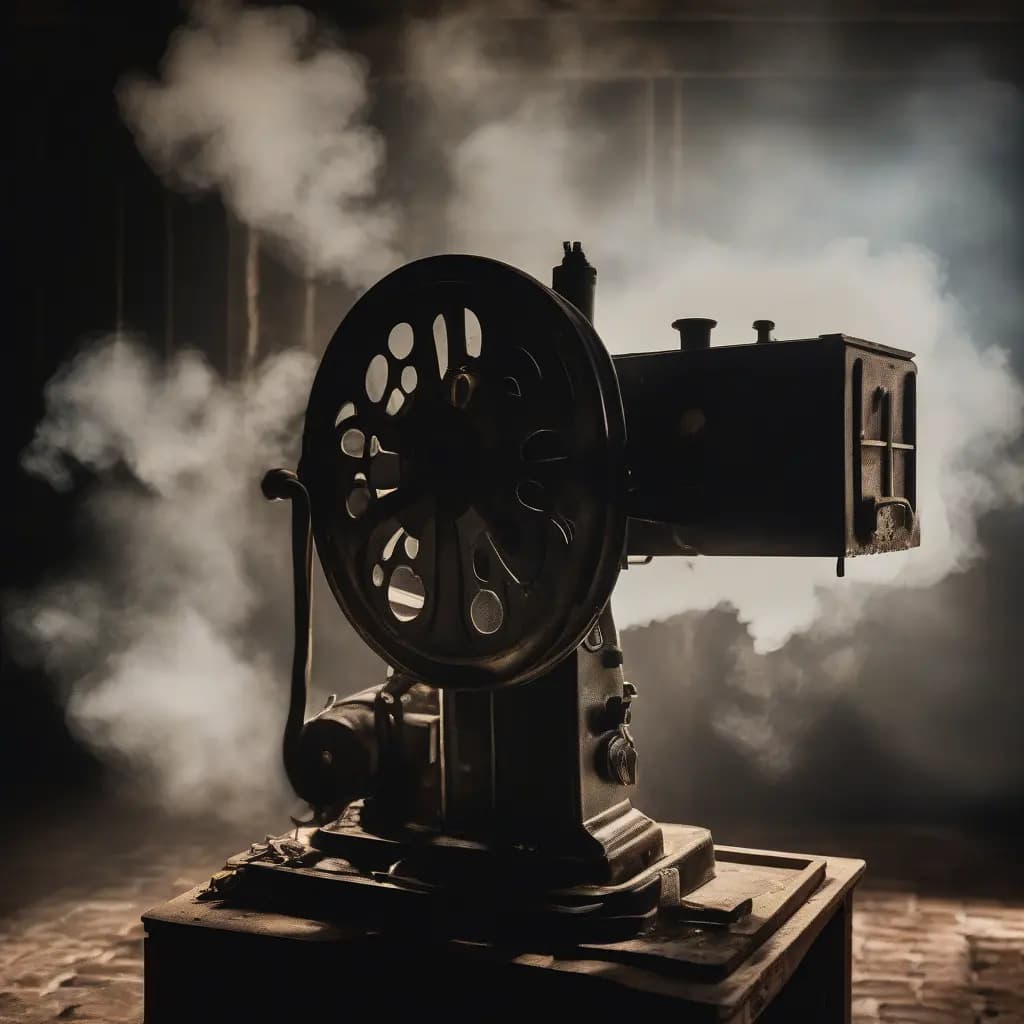
“Long before midnight movies became a subculture, the silent era’s collision of religious mysticism and mechanical dread created a blueprint for the obsessive, ritualistic devotion of modern cult fandom.”
We often speak of cult cinema as a post-war phenomenon—a product of the 1970s midnight movie circuit or the grainy VHS basements of the 1980s. But to understand the true DNA of the cinematic obsession, one must look further back, into the flickering, nitrate-soaked shadows of the 1910s and early 1920s. This was an era where the medium was still discovering its own capacity for the uncanny, a time when directors were not just telling stories but conducting alchemical experiments on the collective psyche. The 'cult' element of these films doesn't reside in their popularity, but in their capacity to demand a specific, almost religious devotion from the viewer. It is in the collision of moral extremity, supernatural intervention, and the first stutters of science fiction that the modern cult mindset was truly born.
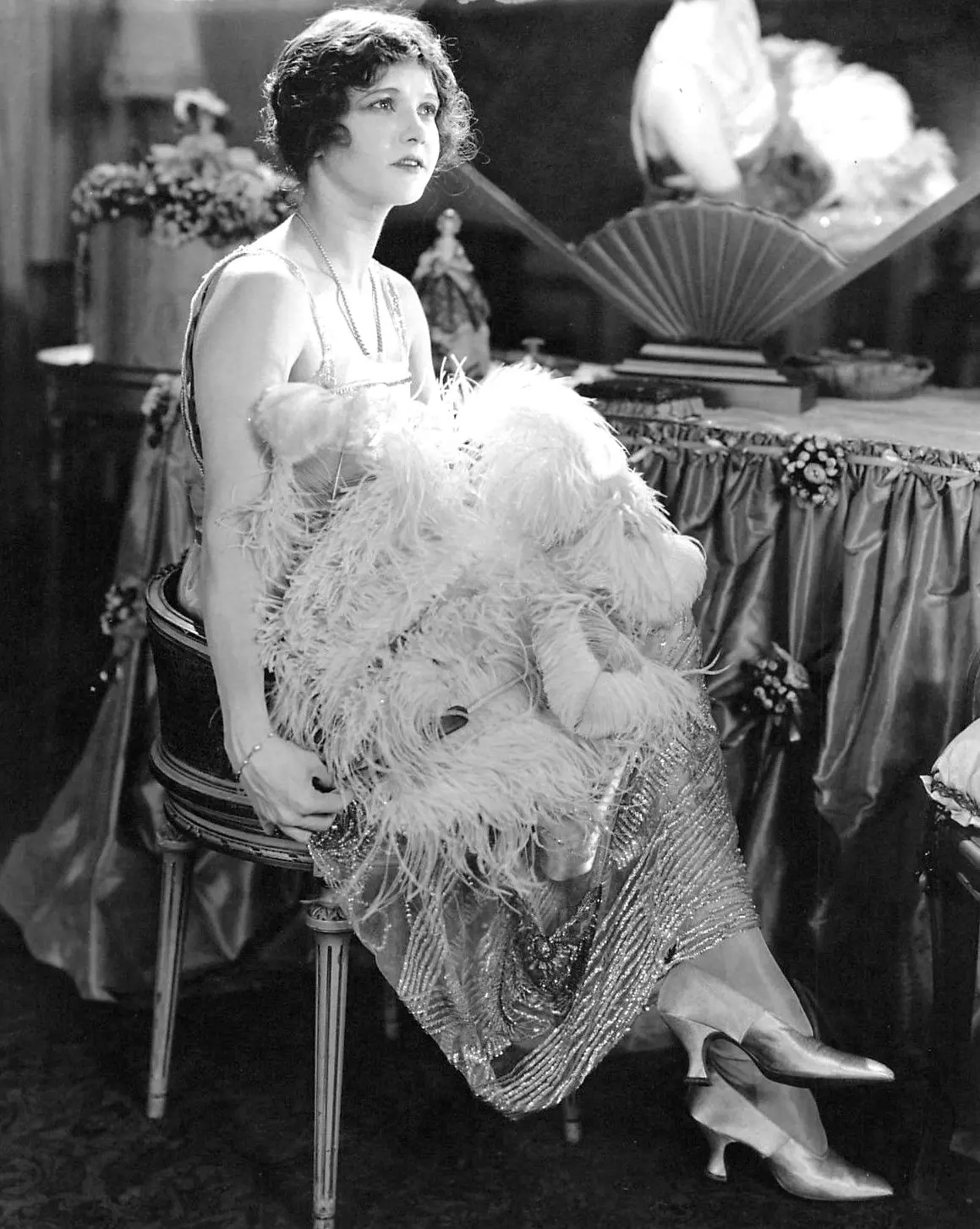
The Sacred Graffiti: Miracles and the Devotional Gaze
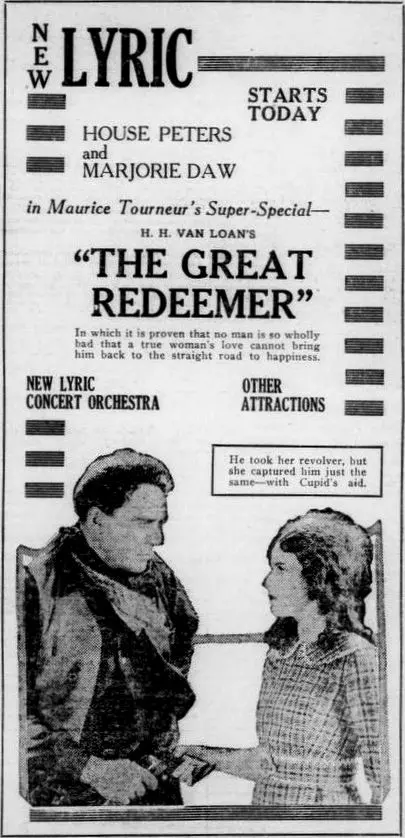
At the heart of any cult following lies a sense of revelation—the idea that the film contains a truth hidden from the mainstream. This devotional quality finds its most literal ancestor in Clarence Brown’s 1920 curiosity, The Great Redeemer. On its surface, it is a drama of crime and salvation, but its core image is purely cultic: a thief in a jail cell draws a figure of Christ on the wall, and that drawing—through the primitive magic of the camera—comes to life. This is more than a narrative beat; it is a metaphor for the cult experience itself. The 'thief' (the outsider, the marginalized viewer) creates an image that the world sees as static or worthless, yet through intense focus and belief, that image becomes a living, breathing entity.

Cult cinema operates on this exact frequency. We take the 'trash' or the 'forgotten' and, through our collective gaze, imbue it with a soul. The 1910s were rife with these moments of metaphysical transgression. These films weren't just entertainment; they were secular icons. When we watch a film like The Great Redeemer today, we aren't just looking at a story; we are looking at the birth of the 'transcendent image'—the moment cinema realized it could bridge the gap between the mundane and the miraculous, a bridge that fans of underground cinema have been crossing for decades.
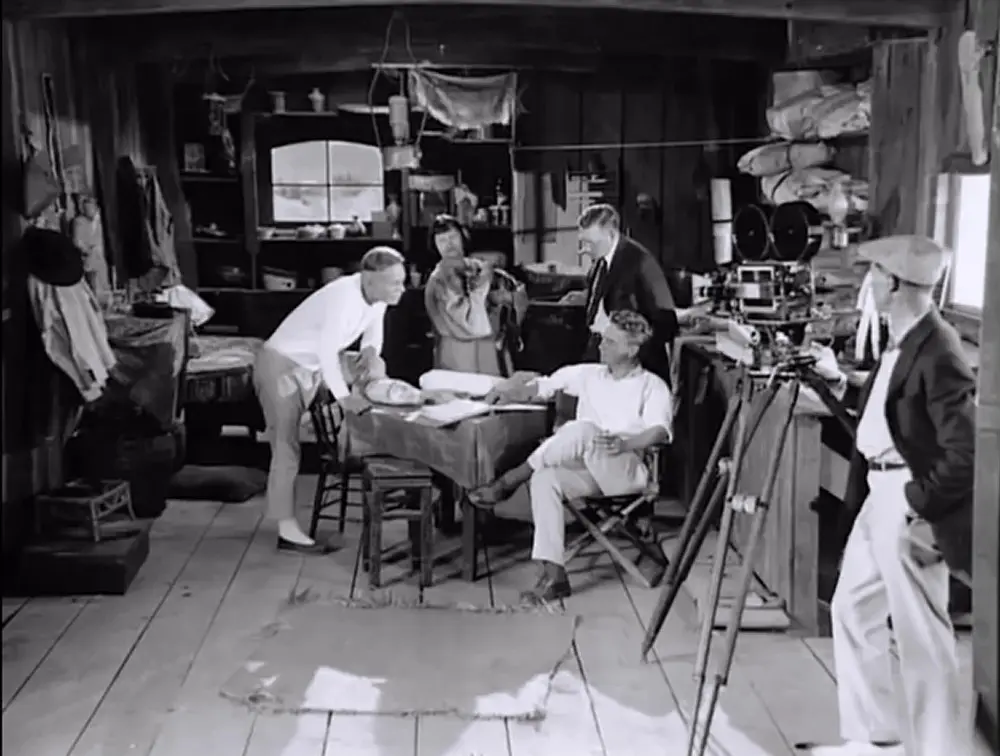
The Naked Truth: Lois Weber and the Aesthetic of the Forbidden
If The Great Redeemer provided the spiritual blueprint, Lois Weber’s 1915 masterpiece Hypocrites provided the transgressive one. Weber, a director of immense intellectual ferocity, used the figure of a naked woman to represent 'The Truth.' It was a scandalous choice for the time, but it serves as a foundational pillar for what we now call 'elevated' cult cinema. The film juxtaposes a modern preacher with a medieval monk, Gabriel the Ascetic, who is murdered by a mob for creating a statue of Truth that is 'too real' for the public to handle.
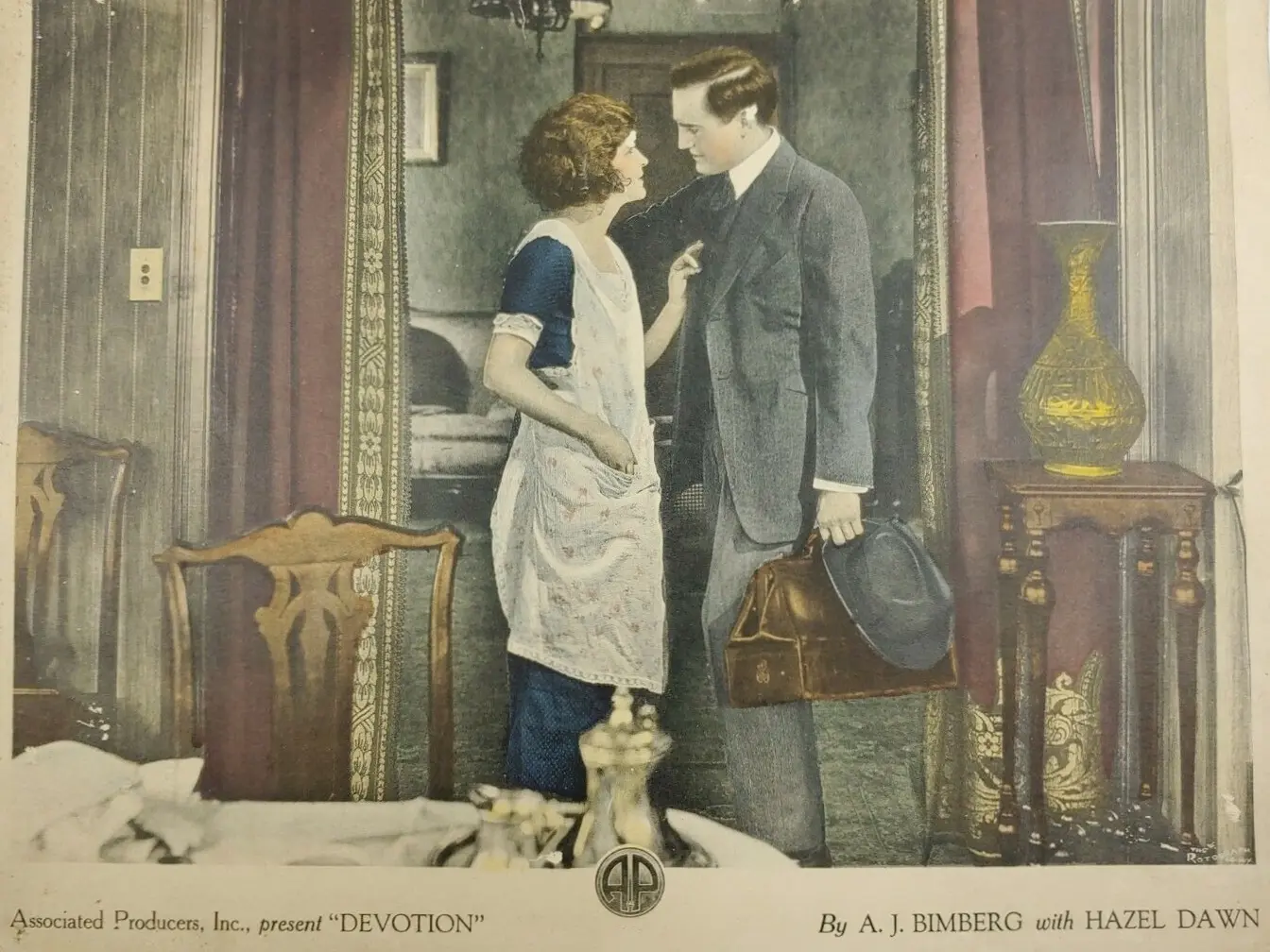
"The cult film is rarely about the lie that comforts; it is almost always about the truth that scars. In the silent era, this meant stripping away the artifice of Victorian morality to reveal the raw, often uncomfortable reality of the human condition."
This theme of the 'mob vs. the visionary' is the central conflict of the cult auteur. Like Gabriel in Hypocrites, the cult filmmaker is often punished by the contemporary 'mob' (the critics, the box office) only to be resurrected by a small, dedicated priesthood of fans years later. Weber’s use of double exposure and surrealist imagery to depict the ghostly figure of Truth created a visual vocabulary for the uncanny that would later be refined by the likes of Alejandro Jodorowsky or David Lynch. It is a cinema of the 'unveiling,' where the act of watching becomes an act of complicity in a forbidden secret.
The Mechanical Man and the Birth of Synthetic Dread
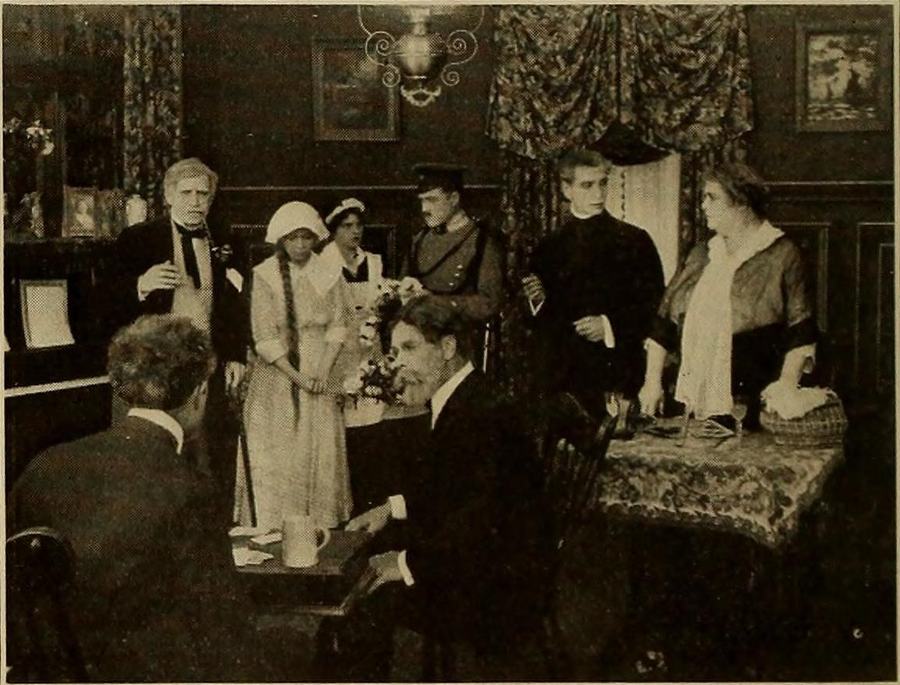
While some films sought the divine, others looked toward the cold, clanking future. Andre Deed’s 1921 Italian production The Mechanical Man (Il uomo meccanico) is a vital, yet frequently overlooked, ancestor of the sci-fi cult subgenre. Though much of it is lost, the surviving footage reveals a hulking, remote-controlled iron giant that predates the robot in Metropolis by years. This is the origin of the 'synthetic soul'—the fear that our creations will eventually outpace our morality.
What makes The Mechanical Man so resonant for the cult enthusiast is its jarring tonal shifts. It moves from slapstick comedy to genuine horror with a lawlessness that would later define the 'genre-bending' cult hits of the 70s. The sight of the mechanical man smashing through a ballroom is a primal image of industrial anxiety. It taps into the same 'techno-fear' that drives films like Tetsuo: The Iron Man or RoboCop. It is the aesthetic of the 'clunky' and the 'monstrous'—a celebration of the practical effect and the bizarre silhouette that remains a hallmark of the midnight movie circuit.
The Reformatory and the Outcast: Gender and Social Rebellion
Cult cinema has always been a sanctuary for the social pariah, the individual who cannot—or will not—fit into the prescribed boxes of society. We see the early iterations of this in films like The Crucible (1914). The story of Jean, a girl raised as a boy by her father, who finds herself thrown into a reformatory after her father's death, is a proto-feminist, gender-fluid narrative that feels shockingly modern. The 'reformatory' setting itself is a classic cult trope—the institution as a site of oppression and eventual escape.
In The Crucible, the protagonist’s 'boyishness' is treated as a problem to be cured, a 'stain' to be washed away by the system. This narrative of the 'misfit' fighting against the homogenizing force of the state is the engine that drives everything from A Clockwork Orange to Pink Flamingos. The cult hero is, by definition, un-reformable. By highlighting these early stories of social friction, we can see that the 'rebel' archetype wasn't invented by James Dean or Marlon Brando; it was forged in the silent era by characters who defied the rigid moral binary of their time.
The Silent Era’s Subversive Tropes
- The Double Life: Films like The Last Hour (1923), featuring a forger on the run, established the 'hidden identity' motif that would dominate film noir and later psychological cult thrillers.
- The Supernatural as Metaphor: In Fate and Fortune, the use of destiny and chance mirrors the 'cosmic indifference' found in modern horror.
- The Industrial Nightmare: The documentary-like dread of The Log of the U-35, showing the cold efficiency of war machinery, prefigures the 'found footage' obsession with mechanical death.
- The Fallen Woman as Saint: Films like Thelma (1922) take the 'persecuted heroine' and turn her into a figure of mythic endurance, a staple of the 'hagiographic' cult film.
The Ritual of the Nitrate Ghost
There is a physical reason why silent cinema feels so 'cult.' The medium itself is decaying. Nitrate film is volatile, prone to spontaneous combustion, and as it ages, it develops 'nitrate bloom'—a psychedelic swirling of chemicals that obscures the image. To watch a film from the 1910s is to watch a ghost that is slowly fading away. This ephemeral quality creates a sense of urgency and exclusivity. You aren't just watching a movie; you are participating in a rescue mission.
This 'aesthetic of decay' is something that modern cult filmmakers often try to replicate through digital filters or artificial grain, but in the silent era, it was a literal, terrifying reality. When we view the surviving fragments of The Mechanical Man, the damage to the film stock becomes part of the experience. The scratches and pops become a rhythmic, industrial soundtrack of their own. It transforms the film into a 'found object,' a piece of forbidden technology from a lost civilization. This is the ultimate cult experience: the feeling that you have discovered something that the universe tried to erase.
Why the 1910s Still Matter to the Modern Cultist
As we move further into the digital age, the 'cleanliness' of modern cinema can often feel sterile. There is a hunger for the jagged, the weird, and the sincere. The 1910s offer a corrective to the polish of the contemporary blockbuster. These early films were made with a sense of 'first-time' wonder. There were no rules, no established genres, and no 'correct' way to tell a story. A film could be a religious tract, a slapstick comedy, and a horror movie all in the span of twenty minutes.
This lawlessness is exactly what the cult fan craves. We look to the past not for nostalgia, but for inspiration. We see in the 'boyish' rebellion of The Crucible or the mechanical anarchy of Andre Deed the same spirit that would later animate the punk-rock cinema of the 70s. The silent era wasn't just a precursor to the 'real' movies; it was a wild frontier where the most radical ideas were first planted. To be a cult cinema historian is to be an archaeologist of these strange, beautiful, and often frightening seeds.
Ultimately, the 'Alchemical Pivot' of the 1910s was the moment cinema realized it didn't just have to reflect reality—it could distort it, worship it, or destroy it. Whether it was the miraculous drawing in The Great Redeemer or the ghostly nudity of Hypocrites, these films proved that the camera was a tool of the occult. And as long as there are viewers who seek the 'other' in the dark, the shadows of the silent era will continue to flicker, inviting us back into the ritual.
Community
Comments
Log in to comment.
Loading comments…