
Cult Cinema Deep Dive
The Arcane Ripple: Uncovering the Silent Era’s Genre-Defying Rebels and the Birth of Cult Devotion
“Dive deep into the nitrate shadows of the 1910s to discover how early cinema's transgressive outliers and misfit narratives engineered the DNA of modern cult obsession.”
The Genesis of the Cinematic Deviant
Long before the term cult cinema was codified in the smoky backrooms of 1970s midnight screenings, the seeds of cinematic obsession were being sown in the nitrate soil of the silent era. The 1910s and early 1920s were a period of lawless experimentation, where the lack of a rigid studio system allowed for genre-bending narratives that would today be classified as truly transgressive. These films didn't just tell stories; they challenged the social fabric of their time, creating a rebel legacy that continues to resonate with modern audiences who seek the unconventional. To understand the modern cult gaze, one must look back at the arcane rebels who first dared to flicker against the grain of the mainstream.
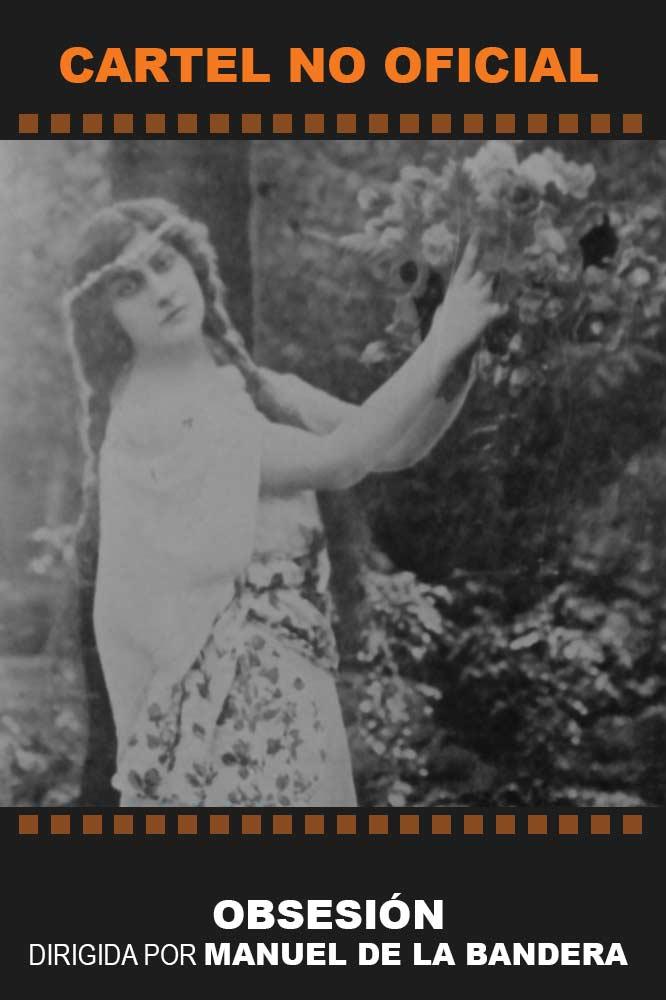
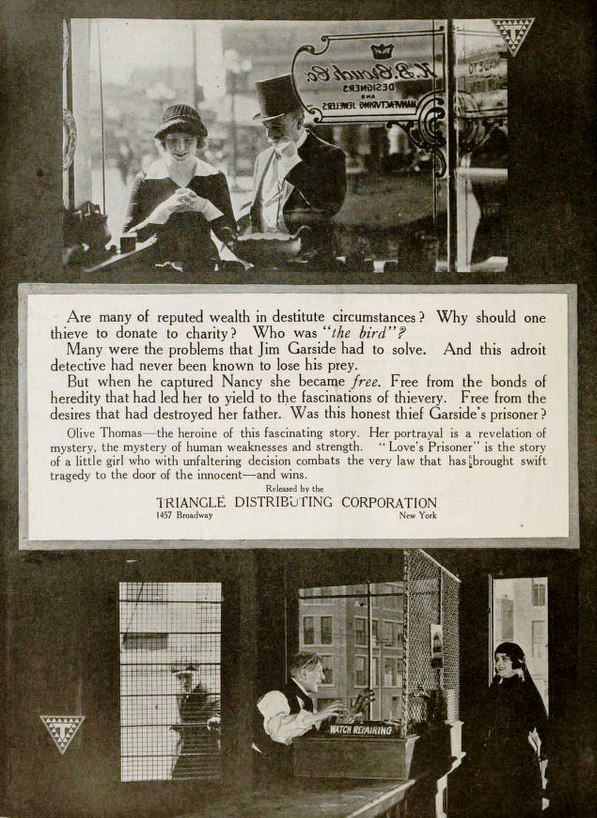
The allure of the fringe often begins with the archetype of the outlaw. In the 1910s, this was not merely a character choice but a thematic declaration. Consider the narrative of Love's Prisoner, where a young lady who openly "hates the law" rises from the tenements to become a high-society burglar known as "The Bird." This subversion of the feminine ideal—transforming a victim of poverty into a calculated criminal—mirrors the same maverick spirit found in the later works of John Waters or the French New Wave. The tension between her and the detective investigating her crimes creates a prototype for the noir aesthetic that would later define the cult experience. Similarly, The Life and Adventures of John Vane, the Australian Bushranger and Trooper 44 explored the rugged, often violent boundaries of the frontier, where the line between hero and desperado was as thin as the celluloid itself.
Domestic Dissent and the Subversion of the Marital Shackle
Cult cinema has always thrived on the deconstruction of the "nuclear" ideal. In the silent era, this manifested as a fascination with marital strife and social hypocrisy. Films like Lillis Ehe and The Charming Mrs. Chase delved into the monotony of domesticity, with characters like Jimmie Wickett seeking infatuation outside the home to escape the boredom of the status quo. This underground ethos is further exemplified in The Merry Jail, where a neglected wife must disguise herself to lure her wastrel husband into a compromising position—a narrative of deception and role-play that predates the psychological complexity of modern cult dramas.
The Radical Shift: From Comedy to Social Critique
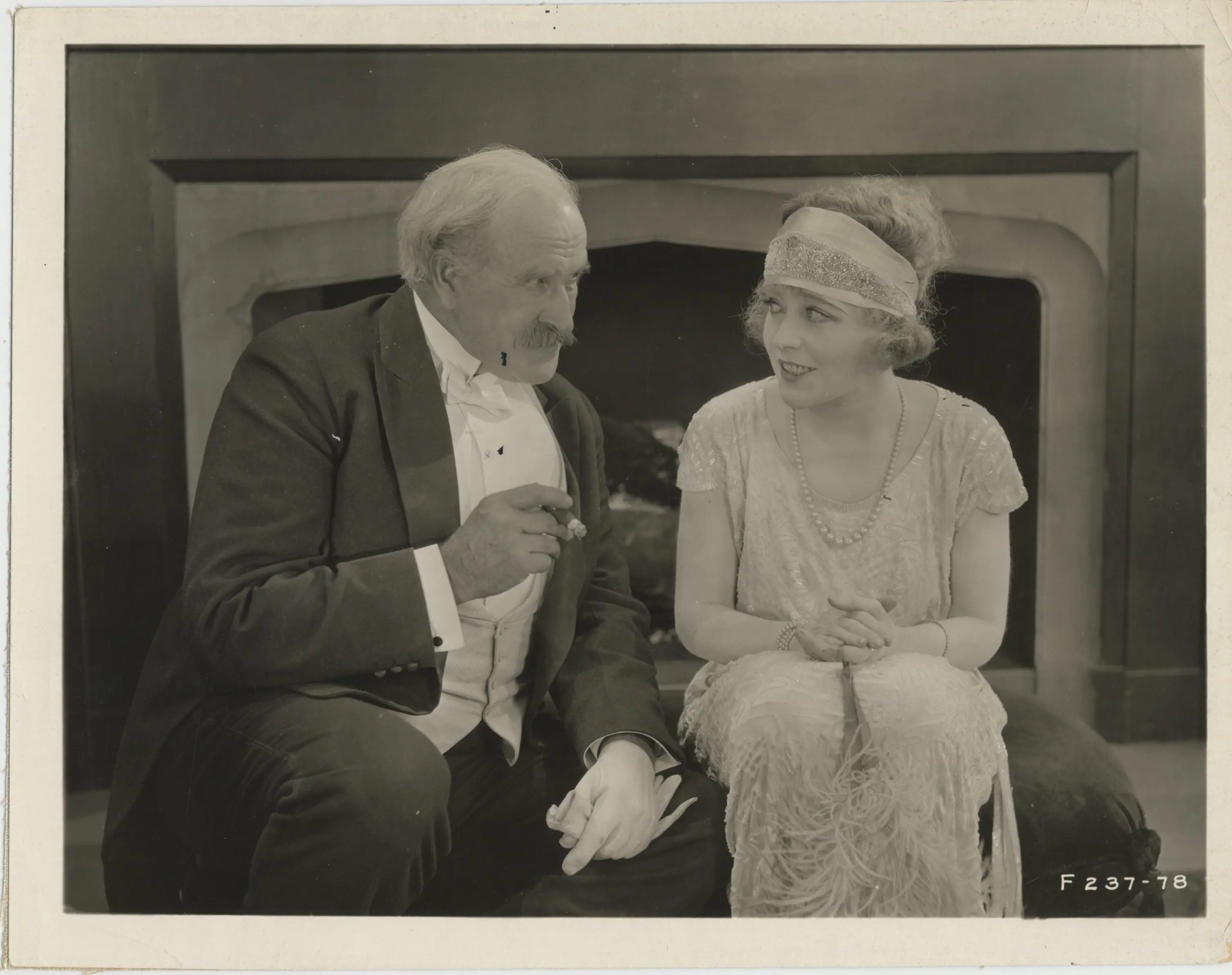
While some films played these themes for laughs, others, like All Wrong, introduced radical theories of "unending courtship," suggesting that couples should live separately to maintain the spark. This unconventional narrative structure challenged the audience's perception of romance, much like the genre-defying cult hits of the 21st century. The era's obsession with social standing and its eventual collapse is perfectly captured in Ehre, where Ralph O'Donell’s brewery empire and his wife Helene’s sudden inheritance create a backdrop for a study in class and moral mutation. These films provided a blueprint for obsession, proving that the most enduring stories are those that refuse to play by the rules of polite society.
The Science of the Unreal: Visual Alchemy and Spectacle
One cannot discuss cult cinema without addressing the visual experimentation that defines it. The silent era was a laboratory for the strange. Our Heavenly Bodies, a documentary on physics and astronomy, transformed scientific fact into a psychedelic spectacle, using the camera to explore the cosmos in a way that felt like a cinematic fever dream. This same sense of wonder and "otherness" is found in Under the Crescent, a six-episode series involving an American actress in Old Egypt. From "The Purple Iris" to "In the Shadow of the Pyramids," these episodes utilized exoticism and episodic adventure to hook viewers into a state of niche devotion.
The documentary-adjacent The Isle of Desire and the theatrical experimentation of The Crippled Hand—where a producer seeks a woman who can fit into a tiny slipper for a new version of Cinderella—showed that the era was obsessed with the transformative power of the screen. In The Crippled Hand, the dream of the "poor little girl" becomes a meta-narrative about the industry itself, a theme that remains a staple of the cult film psyche. This fascination with the "other" extended to the portrayal of marginalized groups, as seen in The Call of Her People, which explored the clash between Gypsy traditions and social expectations through the characters of Faro Black and Egypt.
The Sacred and the Profane: Religious Rebellion
Perhaps the most potent ingredient in the cult cinema cauldron is the exploration of religious and moral boundaries. The Gates of Eden presented a Shaker community where Evelyn and William Bard dared to announce their desire for marriage and children in direct opposition to the community's strict rules. This rebel heart of the story—the individual versus the collective—is the very essence of the cult manifesto. Similarly, The Crimson Dove featured a young minister, Brand Cameron, becoming entangled with a stage star, Adrienne Durant, who was recovering from a suicide attempt. The collision of the pulpit and the stage offered a transgressive thrill to audiences of 1917, much as it does to those who seek out the forbidden reels of the underground today.
Sin, Redemption, and the Fallen Woman
The "fallen woman" trope was frequently subverted to create complex, maverick icons. In Forbidden Fruit, Mary Maddock’s journey from seamstress to escort and her husband Steve’s subsequent blackmail plot against the millionaire Mallory creates a noir-inflected romance that refuses simple moral categorization. The Innocent Sinner followed Mary Ellen Ellis as she navigated the city's underworld, while A Mother's Sin dealt with the hereditary weight of past mistakes, as Patrick Yardley is shunned for his resemblance to his disgraced mother. These stories of moral outcasts and social pariahs provided the primordial pulse for the cult genre's enduring fascination with the misunderstood.
The Hereditary Shadow: Roots of the Macabre
Cult cinema often finds its home in the dark, and Die Bestie im Menschen (The Human Beast) is a cornerstone of this obsessive lineage. Jacques Lantier’s struggle with "hereditary madness" and his primal urge to murder women is a chilling precursor to the psychological horror and slasher genres. This exploration of the internal monster—the beast within—is a recurring motif in cult works that seek to peel back the layers of the human condition. The violence and struggle in The Devil's Wheel, where De Guise kills a marquis for a roulette system, further emphasizes the era's willingness to gaze into the obsidian lens of human greed and depravity.
Even the more whimsical films of the era carried a cryptic edge. The Texan saw Tex Benton modeling his life after the fable of the tortoise and the hare, a choice that feels like a proto-cult quirk. Should Tailors Trifle? utilized a dog named Brownie to tear the pants of unsuspecting victims, a bit of slapstick subversion that highlights the era's penchant for the absurd. Whether through the lens of Bismarck's historical weight or the romantic longing of Addio giovinezza!, the silent era was a mosaic of unconventional narratives that refused to be forgotten.
The Eternal Flame of the Underworld
As we look at the rebel reels of the 1910s, from the lumber pirates of A Lass of the Lumberlands to the Latin Quarter exiles of The Last Payment, we see a clear through-line to the modern midnight movie. These films were not just products of their time; they were alchemical experiments that transformed the mundane into the mythical. They taught us that the most powerful stories are often found in the shadows of the marquee, in the tales of the misfit, the outlaw, and the dreamer.
The enduring resonance of films like Rose o' the River—where city slickers and lumbermen clash over a young girl's heart—or The Despoiler—where the Emir of Balkania threatens an enemy town—lies in their ability to evoke a world that is both familiar and dangerously "other." This is the magnetic core of cult cinema. It is a shared secret between the screen and the viewer, a ritual of devotion that began over a century ago in the flickering light of a silent projector. By unearthing these forgotten fragments, we don't just learn about film history; we reconnect with the primal anarchy that makes cinema worth obsessing over.
In conclusion, the silent fringe was never truly silent. It was screaming with subversive energy, daring the world to look away from the polished mainstream and into the glorious weirdness of the human experience. From the nine-fingered man of Danish thrillers to the Cinderella twins of American comedy, the 1910s provided the spectral blueprint for everything we love about cult cinema today. The arcane ripple started then, and it continues to wash over us, a neon afterlife of nitrate dreams that will never truly fade to black.
Community
Comments
Log in to comment.
Loading comments…