
Film History
The Architecture of Absence: Why the Silent Era’s Lost Masterpieces Are the True Guardians of the Cult Soul

“Exploring the haunting legacy of cinema's missing reels and how the 'aesthetic of the void' defined the modern cult obsession.”
There is a specific, feverish kind of madness that takes hold of a film historian when they realize that the vast majority of our cinematic heritage has been reduced to nothing more than toothbrushes and smoke. In the early 20th century, the ephemeral nature of nitrate film wasn't just a technical hazard; it was a death sentence for the avant-garde. When we discuss the foundations of cult cinema, we often point to the transgressive 1970s or the neon-soaked 1980s, but the true DNA of our obsession lies in the celluloid purgatory of the silent era. It is here, in the gaps between surviving frames, that the 'cult of the unseen' was born.
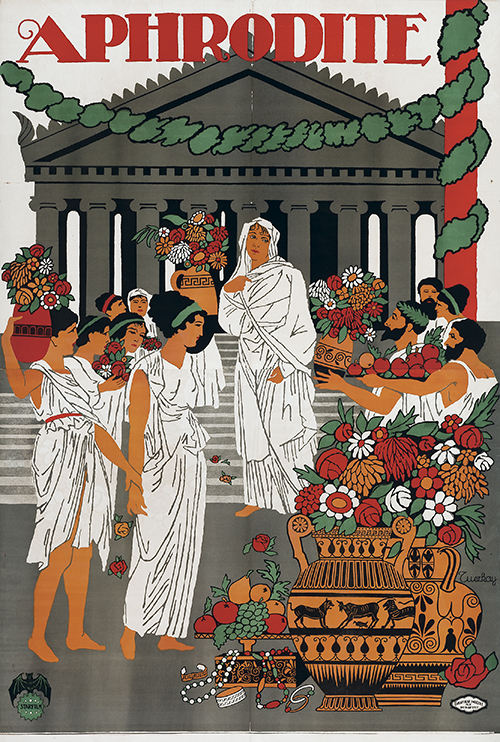
To understand the modern devotee, one must first understand the tragedy of Aphrodite (1918). A film that once stood as a testament to Hungarian cinematic ambition, it is now a ghost story told in footnotes. Legend has it that the physical reels were literally recycled—melted down to manufacture toothbrush handles or lost to the depths of rivers. This isn't just a loss of data; it is the creation of a myth. Cult cinema thrives on the unattainable. When a film like Martha—a lost Disney short based on a simple song—vanishes from the archives, it ceases to be a mere animation and becomes a relic. The void where the film once existed allows the imagination of the viewer to project a masterpiece far more potent than the reality likely was.
The Nitrate Grimoire: Physical Fragility as Aesthetic Choice
The physical instability of nitrate film created a unique visual language that modern cult directors spend millions trying to replicate. The 'burn' of a decaying reel, the silver-nitrate shimmer, and the erratic frame rates of the 1910s and 20s provided a sensory experience that felt dangerously alive. Consider the atmospheric weight of Der Graf von Cagliostro. This wasn't just a story about secret societies and Luis XVI-era magic; it was an exercise in shadows that felt as though they might bleed off the screen. For the contemporary cultist, this 'shadow-play' is the primordial soup from which the midnight movie emerged.
The danger of the medium itself—the fact that these films could literally spontaneously combust—imbued the act of watching them with a ritualistic tension. This is the root of the 'secret screening' culture. When we look at the surviving fragments of a film like The Golden Gift, we aren't just seeing a drama about a singer who loses her voice; we are witnessing a survivor of a global extinction event. The scarcity of these reels transforms the viewer from a passive consumer into a witness to a miracle.
The true power of cult cinema lies not in what is projected, but in the collective memory of what we were never allowed to see.
The Misfit Archetype: From Hash-Houses to High Stakes
Long before the anti-heroes of the 1970s, the silent era was perfecting the 'misfit' protagonist. These were characters who existed on the social and narrative fringes, often in films that were themselves fringe experiments. Take Nugget Nell (1919), featuring Dorothy Gish. Nell isn't your typical Victorian heroine; she’s a tomboy running a hash house in a mining camp, rejecting the sheriff's advances in favor of her own rugged independence. This is the prototype for the 'cult rebel'—the character who refuses to fit into the moral binary of the time.
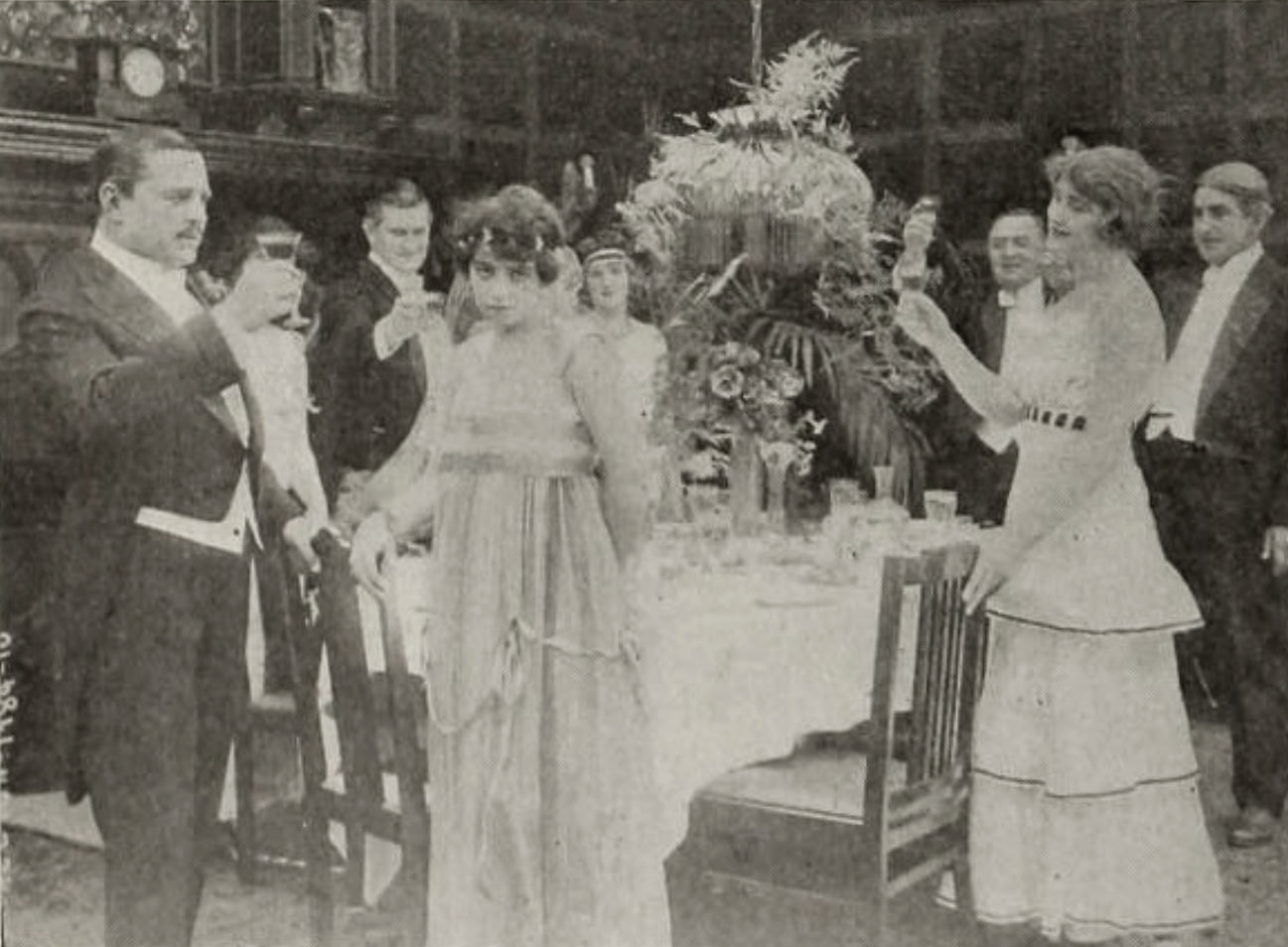
Similarly, The Man Life Passed By offers a haunting look at the 'derelict' as a central figure. The protagonist, an inventor whose plans are stolen by an industrialist, descends into poverty and vengeance before finding a strange, spiritual redemption. This narrative of the 'forgotten man' resonates deeply with cult audiences who often feel like social outliers themselves. The film’s focus on the psychological toll of disappointment and the 'derelict' lifestyle prefigures the gritty, character-driven studies that would later define the underground cinema of the New Hollywood era.
The Surrealism of the Domestic Void
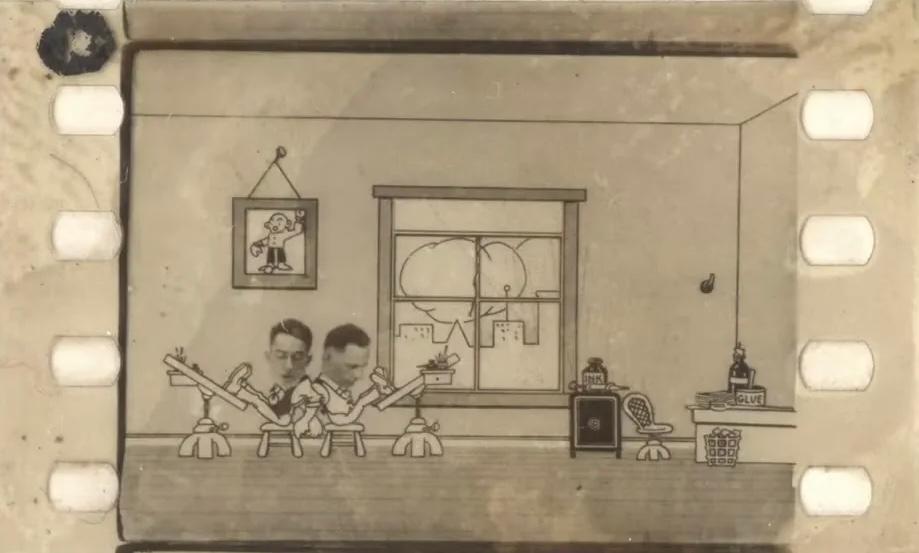
Cult cinema is often defined by its 'weirdness,' but in the silent era, this weirdness was frequently found in the subversion of domestic spaces. A prime example is the bizarre logic of Why Divorce?, where a quarreling couple decides to literally divide their house in two with a white tape. This visual gag is more than just slapstick; it is a surrealist deconstruction of the 'home' that feels closer to the work of Luis Buñuel than to a standard melodrama. It is this willingness to push a simple concept to its logical, absurd extreme that earns a film its cult stripes.
- The use of physical barriers to represent psychological fractures.
- The transformation of a mundane setting into a stage for the absurd.
- The reliance on visual metaphors over dialogue-heavy exposition.
The Occult and the Underground: Secrets of the Silent Screen
The fascination with secret societies and the occult that permeates modern cult classics like 'Eyes Wide Shut' or 'The Wicker Man' has its roots in the early 1920s. Films like Der Graf von Cagliostro and Saffo e Priapo delved into themes of arcane knowledge and forbidden rituals. These films weren't just entertainment; they were explorations of the hidden corners of the human psyche. The 'occult' in silent cinema served as a bridge between the gothic literature of the 19th century and the psychological horror of the 20th.
The 'cult' aspect of these films often stems from their censorship history. Many were seen as too transgressive or scandalous for general audiences, leading to limited runs or outright bans. A Sainted Devil, starring Rudolph Valentino, dealt with kidnapping, bandits, and vengeful former lovers—themes that pushed the boundaries of acceptable drama. When a film is 'forbidden,' it gains a secondary life in the underground. The knowledge of its existence becomes a secret handshake among those 'in the know,' a fundamental pillar of cult fandom.
The Aesthetic of the Unfinished: Why We Crave the Fragment
There is a profound beauty in the incomplete. In the world of cult cinema, a 'lost' film is a perfect film because it cannot fail us. It exists only in its most idealized form within our minds. The tragedy of Treasure Bound or the lost reels of The White Mouse is that they represent a 'missing link' in the evolution of genre. We see the influence of these early crime and adventure films in everything from film noir to the modern heist movie, yet the originals remain tantalizingly out of reach.
This 'aesthetic of the void' has led to a modern movement of 'phantom cinema'—where artists create posters, soundtracks, and even trailers for films that never existed, or films that were lost. We are obsessed with the 'ghosts' of the silent era because they remind us that cinema is a fragile, breathing medium. When we watch a surviving silent comedy like Buster Keaton’s The Boat, we aren't just laughing at the disasters that befall his homemade vessel; we are marveling at the fact that this specific piece of celluloid survived the fires, the floods, and the chemical decay that claimed so many of its contemporaries.
Preservation as an Act of Rebellion
Today, the act of hunting down a rare print of The Road Called Straight or advocating for the restoration of After the Show is a radical act. It is a refusal to let the 'void' win. Cult cinema enthusiasts are the self-appointed curators of this disappearing history. We recognize that the 'mainstream' will always prioritize the new and the shiny, but the 'cult' will always find its home in the shadows of the past.
The legacy of the silent era is not just one of innovation, but of survival. Every time we watch a film that was once 'lost' or 'forgotten,' we are participating in a ritual of resurrection. We are reclaiming a piece of the human experience that was nearly erased. This is the true soul of the cult movie: the belief that some stories are too strange, too beautiful, or too dangerous to ever truly die, even if they have to wait a hundred years in the dark to be found again.
As we move further into the digital age, where everything is seemingly permanent yet strangely ephemeral, the silent era’s 'aesthetic of the void' serves as a warning and an inspiration. It reminds us to cherish the fragments, to worship the mysteries, and to never stop looking for the ghosts in the projector. For in the end, it is the films we *can't* see that define the ones we can.
Community
Comments
Log in to comment.
Loading comments…