
Film History
The Nitrate Damned: How the Early Cinema of Moral Insolvency Scripted the Modern Cult of Transgression

“Discover how the forgotten 'vice films' and social nightmares of the 1910s and 20s provided the raw, transgressive blueprint for modern cult cinema's obsession with the forbidden.”
Long before the midnight movie became a sanctuary for the weird and the wired, and decades before the term 'cult cinema' was ever whispered in a smoke-filled screening room, there was a darker, more volatile alchemy at work in the nickelodeons and grand palaces of the silent era. We often look back at early film through a sepia-toned lens of innocence, but that is a historical lie. The true roots of the cult mindset—the obsession with the forbidden, the celebration of the pariah, and the voyeuristic thrill of social collapse—were forged in the nitrate fires of the 1910s and 20s. These were films that didn't just tell stories; they weaponized moral insolvency to challenge a rapidly industrializing world.
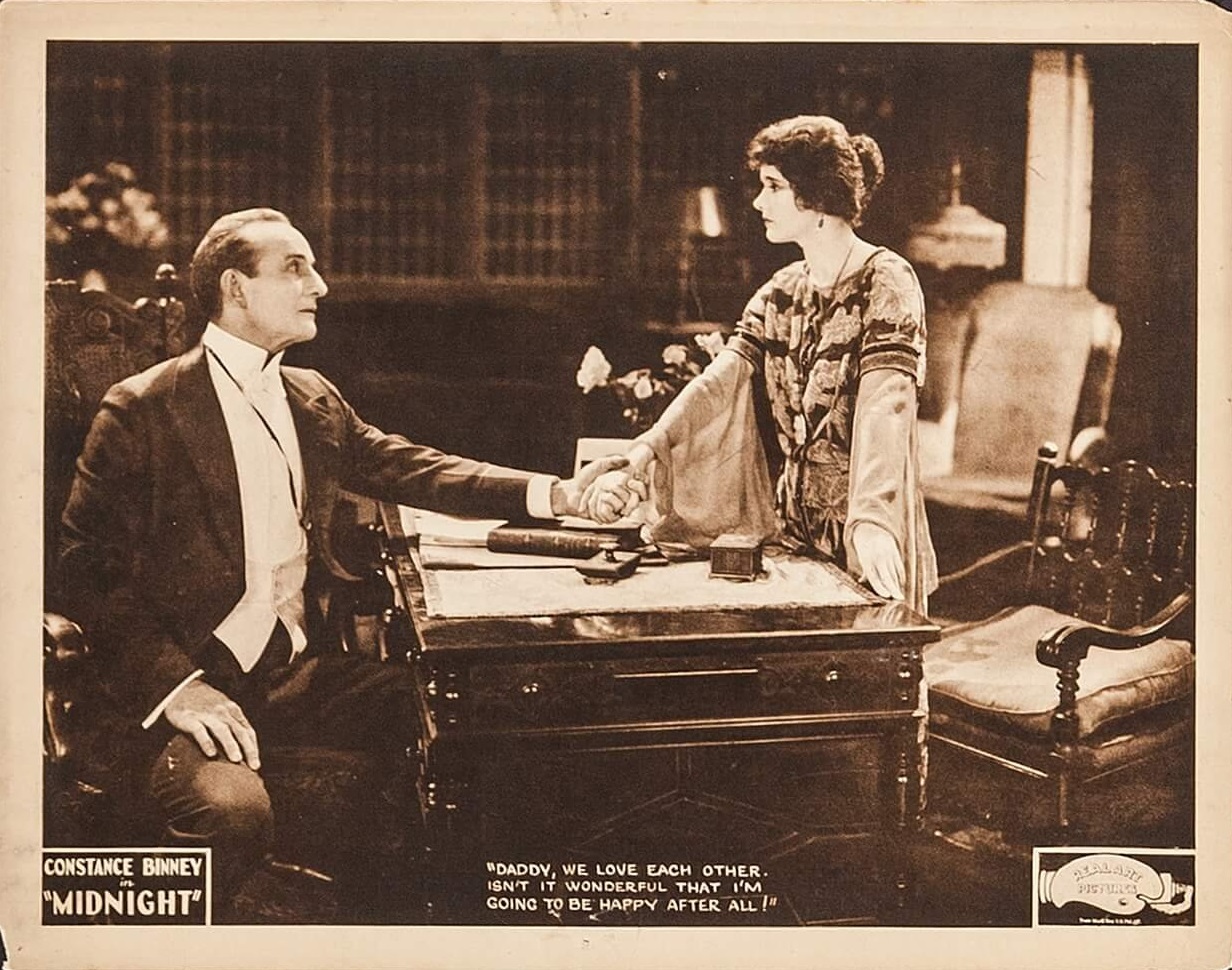
The Auction of the Spirit: Commodity and Cruelty
At the heart of what we now recognize as 'transgressive' cinema is the idea that the human soul is a negotiable asset. This theme, which fuels everything from 1970s exploitation to modern psychological horror, found its most brutal expression in films like A Soul for Sale (1918). In this searing drama, we witness the avaricious Mrs. Pendleton attempting to hawk her daughter, Neila, to the highest bidder following the family's financial ruin. It is a narrative of cold, calculated dehumanization that feels startlingly modern in its cynicism.

This isn't merely a Victorian melodrama; it is the prototype for the 'high-society rot' subgenre. The film posits that beneath the silk and lace of the upper class lies a predatory hunger that rivals any monster. When Neila’s reputation is sacrificed for a paycheck, the film enters a space of moral vacuum that would later be occupied by the likes of Pasolini or Waters. The 'cult' appeal here lies in the exposure of the hypocritical elite—a recurring trope that allows the audience to feel like co-conspirators in a grand unveiling of social filth.

- The commodification of innocence as a precursor to modern 'exploitation' tropes.
- The maternal figure as a villainous architect of ruin, subverting traditional family values.
- The use of financial desperation to justify extreme moral compromise.
The Clinical Gaze: Corruption and the Forbidden Procedure
If the auctioning of souls provided the emotional framework for cult cinema, the 'social hygiene' films of the era provided the visceral shock. Corruption (1917) is a landmark of this unsettling tradition. By tackling the taboo of abortion through the character of Grace and the ethically compromised Dr. Robert Lynn, the film walked a razor-thin line between moral instruction and prurient spectacle. This is the 'forbidden' reel in its most literal sense—content so fraught with social danger that its very existence felt like an act of rebellion.
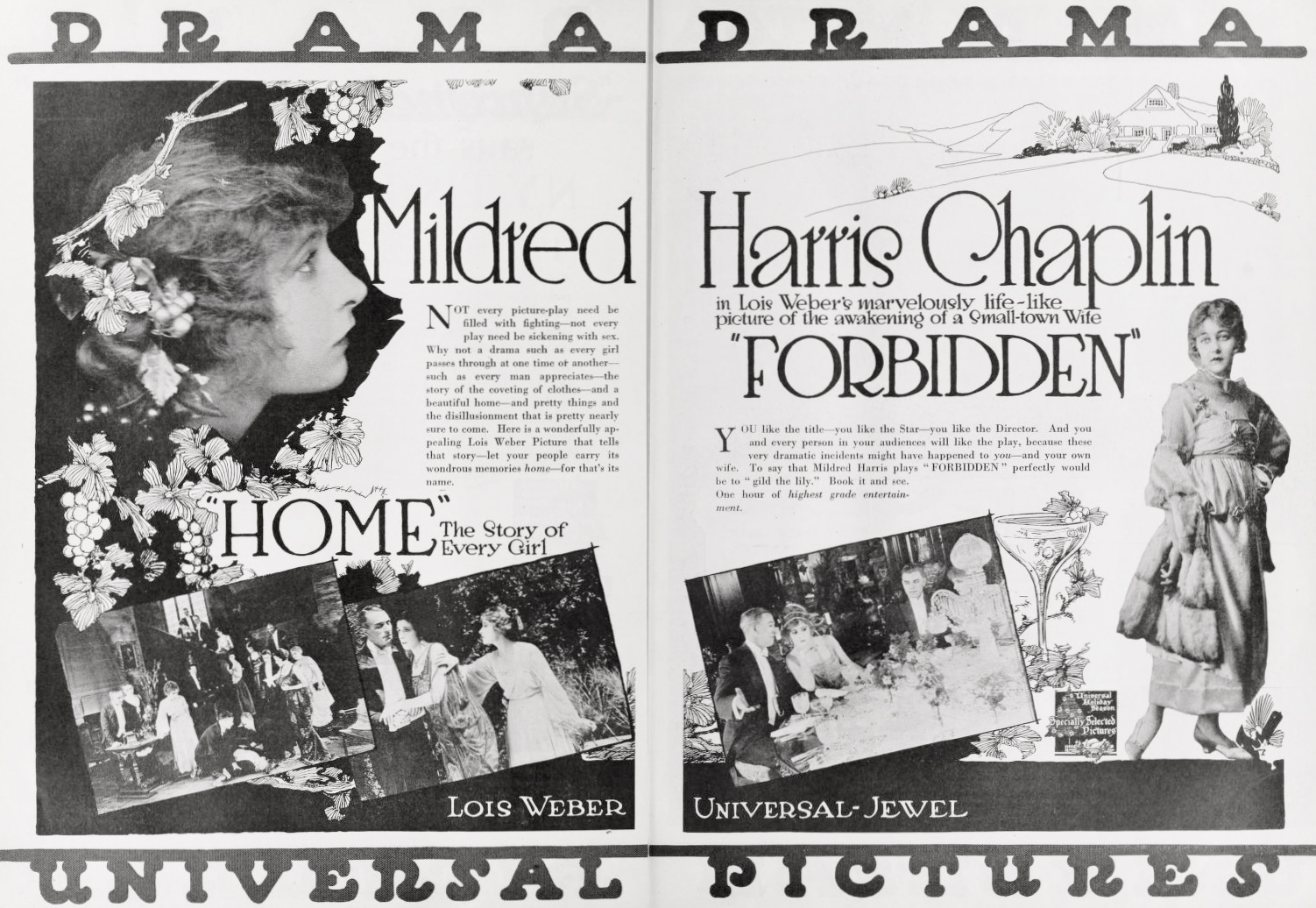
The true power of the early transgressive film lay in its ability to make the audience feel like they were witnessing something they weren't supposed to see, turning the cinema into a confessional for the collective id.
The twist in Corruption—where the doctor's wife discovers the patient is her own abandoned child—adds a layer of Greek tragedy to the gritty realism. This intersection of the clinical and the coincidental is a hallmark of cult storytelling. It suggests a universe that is not only cruel but ironically so. This 'clinical gaze' would eventually evolve into the body horror of David Cronenberg or the transgressive medical dramas of the 1970s, where the body is a site of both sin and scientific curiosity.
Metaphysical Assaults and the Birth of the Occult Obsessive
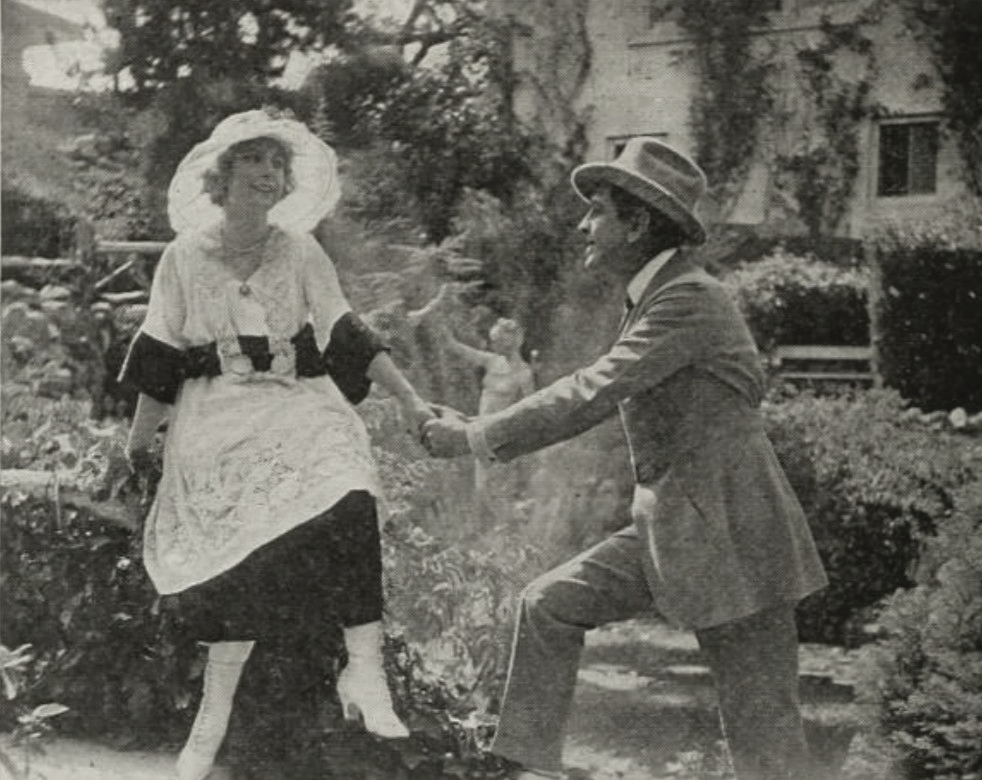
While some films focused on the rot of the flesh, others turned toward the infection of the mind. The 1916 serial The Mysteries of Myra introduced audiences to the 'Black Order,' a secret organization using magic and supernatural curses to achieve their ends. This wasn't just a spooky story; it was a sophisticated exploration of metaphysical dread that predates the Satanic Panic and the occult-heavy horror of the 1960s.
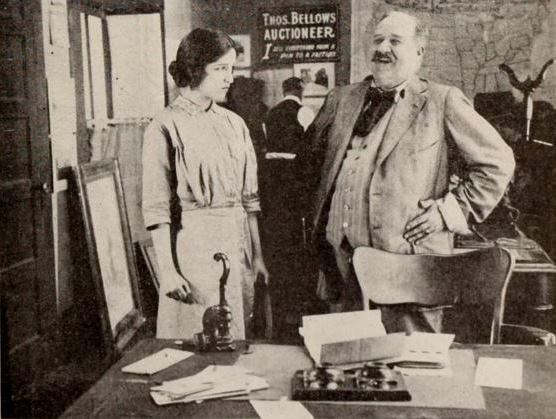
Myra Maynard’s struggle against these unseen forces established the 'victim of the void' archetype—a protagonist besieged by forces that the rational world refuses to acknowledge. Similarly, in the 7th episode of The Knocking on the Door, we see the legendary Dr. Fu-Manchu navigating a landscape of waxworks and haunting groans. These films utilized a 'logic of the nightmare' that bypassed traditional narrative structure in favor of atmospheric intensity. For the cult viewer, this atmosphere is the primary draw; the plot is merely a delivery system for a specific, unsettling frequency of dread.
The Visual Language of the Uncanny
We cannot discuss the 'nitrate damned' without acknowledging the aesthetic of the silhouette. In Die Silhouette des Teufels (1922), the visual becomes a psychological weapon. The spellbinding influence of the violin virtuoso Carlos Valdez over Mia Hauer is rendered through a high-contrast, almost hallucinatory style. This focus on the 'hypnotic' power of the artist—and the subsequent ruin of the domestic sphere—is a foundational theme in cult cinema. It celebrates the dangerous charisma of the outsider over the boring safety of the status quo.
The Urban Meat Grinder: Class Warfare as Horror
The early 20th century was defined by the crushing weight of the city, and cinema was quick to document the human cost. The Jungle (1914), based on Upton Sinclair’s novel, took the immigrant experience and turned it into a visceral survival horror. The story of a Lithuanian immigrant losing everything to the industrial machine of Chicago is the direct ancestor of the 'urban nightmare' films of the late 70s. It portrays the city not as a land of opportunity, but as a digestive system that consumes the poor and excretes them as waste.
This theme of systemic cruelty is echoed in The Streets of New York (1922), where the legacy of a robbery cripples a family across generations. These are films of 'social wreckage,' where the protagonist is not a hero in the traditional sense, but a survivor of an ongoing catastrophe. The cult fascination with these stories stems from their honesty; they refuse the easy comforts of the Hollywood ending, choosing instead to dwell in the gritty, unvarnished reality of the struggle. It is the same impulse that draws audiences to the nihilistic masterworks of the New Hollywood era.
The Legacy of the Pariah: Why We Still Watch
Why does the 'nitrate damned' continue to haunt our cinematic imagination? Because these films were the first to understand that the most compelling stories are often the most uncomfortable. Whether it’s the 'fallen woman' of Madame X (1916) sinking into degradation, or the subhuman depictions in the problematic but historically significant Eine weisse unter Kannibalen (1921), these works pushed the boundaries of what was permissible on screen. They were the original 'video nasties,' the first 'banned' films, and the blueprint for every director who ever wanted to make the audience squirm.
Cult cinema is, at its core, a celebration of the fringe. It is a home for the stories that don't fit into the polite boxes of mainstream entertainment. By looking back at the early 20th century, we see that the 'fringe' has always been there, lurking in the shadows of the frame, waiting for a viewer brave enough to look. The transgressive spirit of the 1910s didn't die with the arrival of sound or the implementation of the Hays Code; it simply went underground, waiting for the midnight hour to rise again. These early experiments in moral insolvency are the true ancestors of our modern cinematic obsessions, proving that the urge to witness the 'forbidden' is as old as the projector itself.
As we continue to dig through the archives of Dbcult, we find that the 'new' transgressions of today are often just echoes of the 'old' nightmares of yesterday. The nitrate may be brittle, and the images may be flickering, but the raw, unadulterated power of the transgressive soul remains as vibrant and dangerous as the day it was first captured on film.
Community
Comments
Log in to comment.
Loading comments…