
DbcultAccessing Vault...
Recommendations
Senior Film Conservator
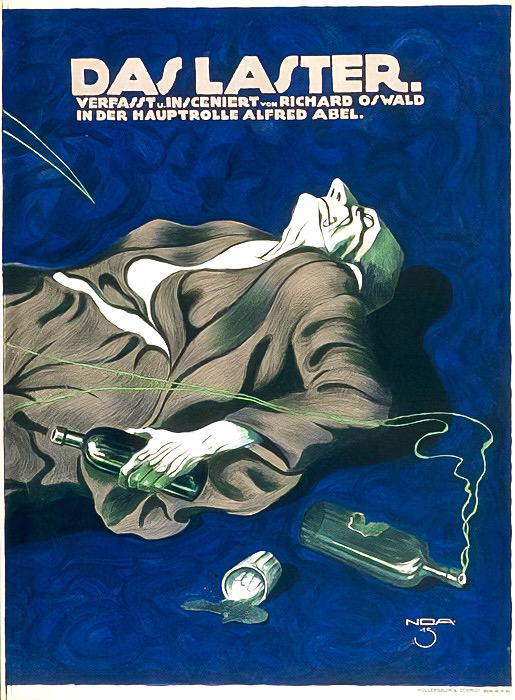
The cinematic DNA of Das Laster (1915) is truly one of a kind, finding other movies that capture that same lightning in a bottle is a top priority. We have meticulously scanned our vault to find hidden gems that resonate with this work.
As a pivotal work in Germany cinema, Das Laster to challenge the status quo through its avant-garde structure.
About alcoholism, which can develop into a terrible family tradition. Paul is the son of a drinker. One day his father is killed in an inn. Despite the bad example set by his father, Paul is also unable to give up alcohol.
Critics widely regard Das Laster as a cult-favorite piece of cult cinema. Its artistic bravery is frequently cited as its strongest asset, solidifying its place in Germany's film legacy.

Based on the unique artistic bravery of Das Laster, our vault has identified these titles as the most compelling follow-up experiences for fans of cult cinema:

Dir: Richard Oswald
Characteristic for Hoffmann's work is his life-long fight against rationalism and for the revelation of nature morte, culminating mostly in carnival-like scenes anticipating literary techniques
View Details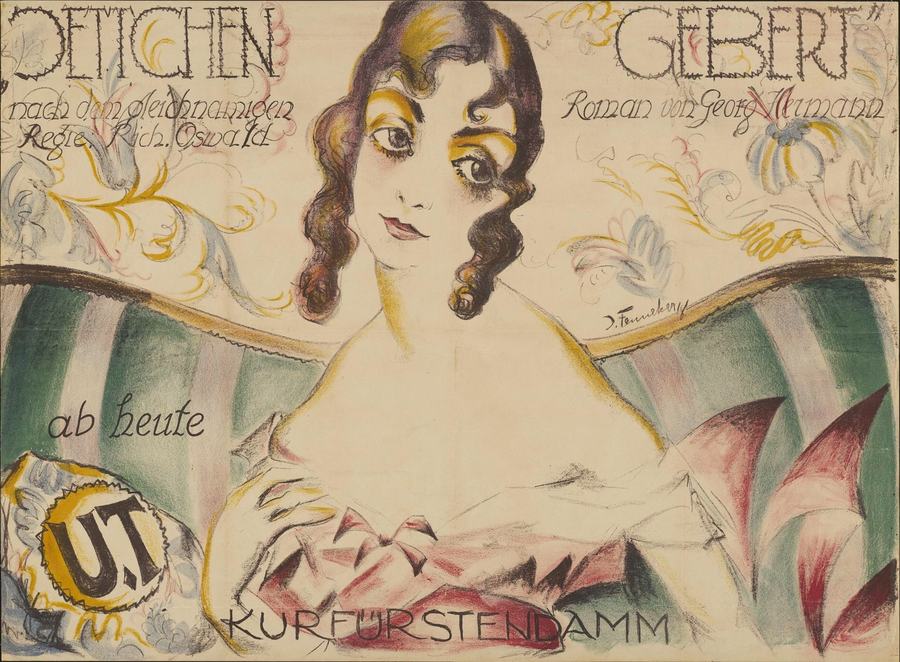
Dir: Richard Oswald
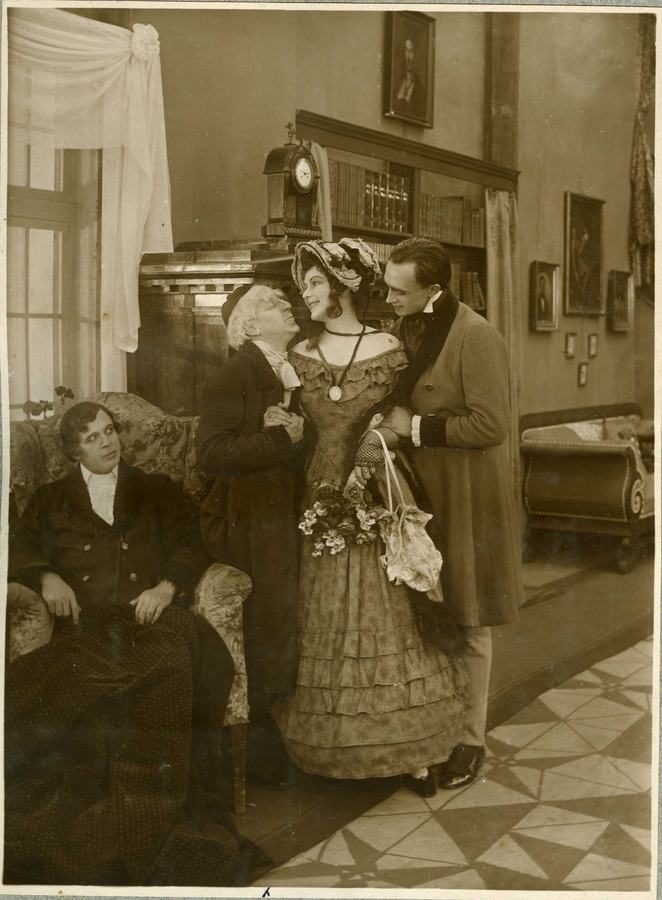
A fascinating piece of cinema that shares thematic elements.
View Details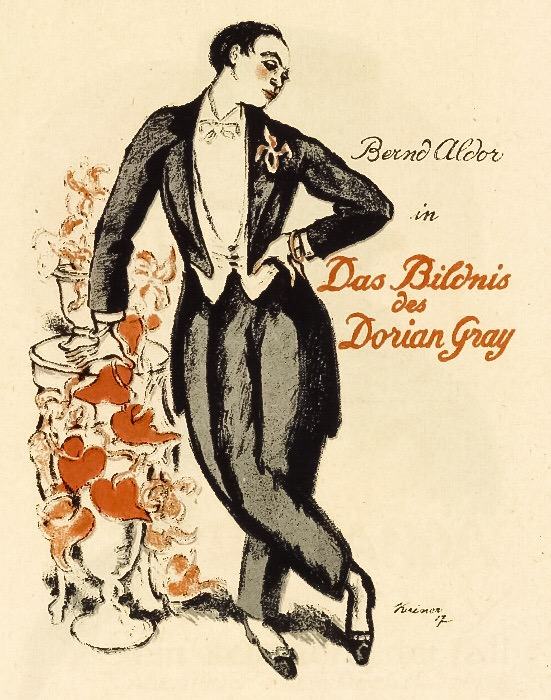
Dir: Richard Oswald
A variation of the famous Oscar Wilde tale in which Dorian Gray's soul is manifested in a painting instead of his own body.
View Details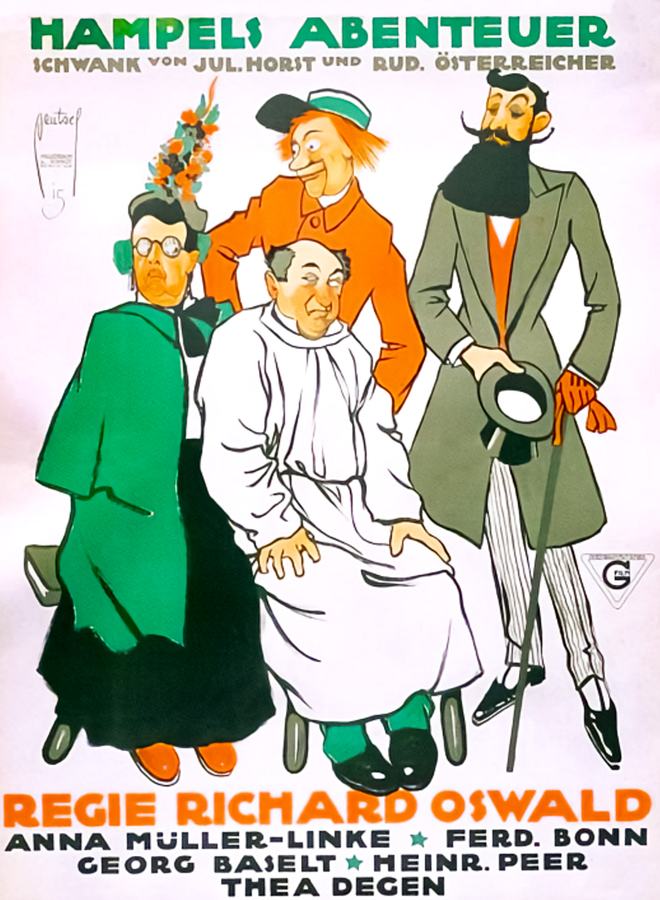
Dir: Richard Oswald
A fascinating piece of cinema that shares thematic elements.
View Details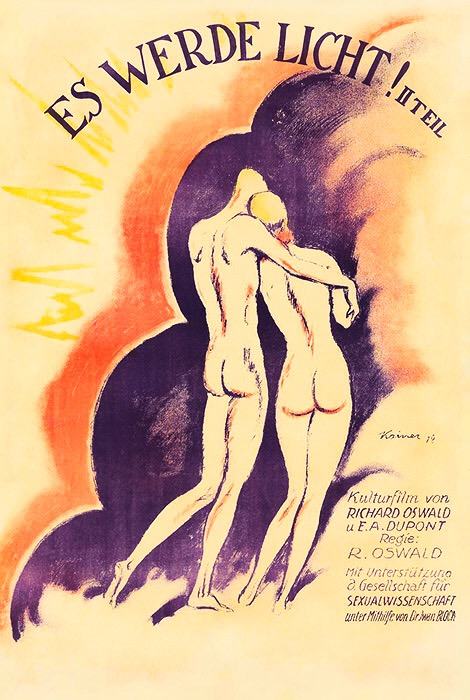
Dir: Richard Oswald
The second syphilis film poses the moral question: namely how far an illness should be considered a human disgrace. The protagonist of this story, a young doctor, believes that only characterless people can contract the disease through reprehensible actions. At a meeting in honor of a venereologist, a violent dispute erupts between the doctor who applies moral categories and a colleague who argues more objectively. Two events make the dogmatic young doctor think: his sister marries a syphilitic who has not yet been completely healed, and he himself falls ill as a result of a kiss from a young woman who also suffers from syphilis. But the doctor is healed and reconsiders his previous attitude.
View Details
Dir: Richard Oswald
A fascinating piece of cinema that shares thematic elements.
View Details
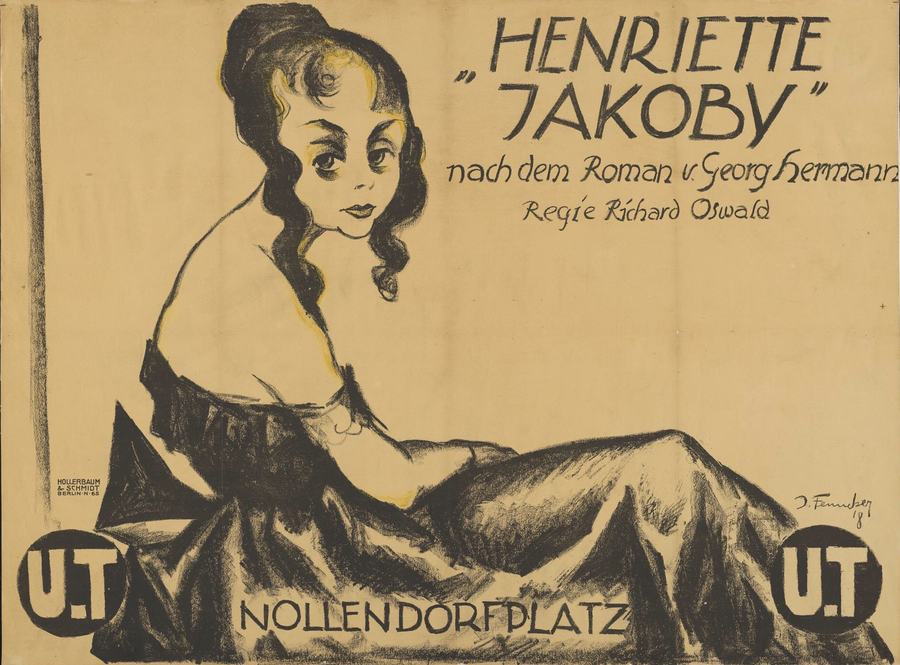
Dir: Richard Oswald
A fascinating piece of cinema that shares thematic elements.
View Details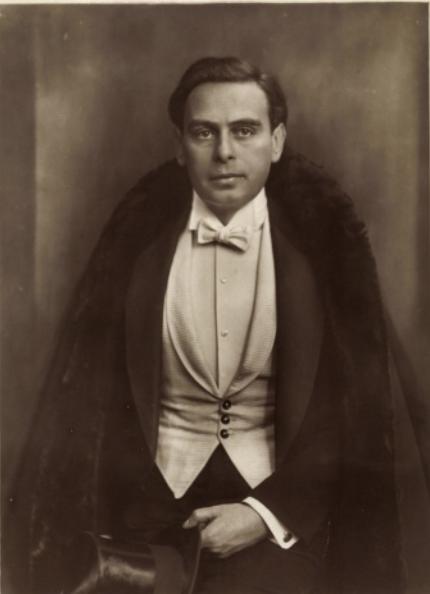
Dir: Richard Oswald
In ancient, Tsarist Russia. Fyodor Protasov's marriage to his wife Lisa is over. However, the Russian Orthodox Church does not approve of a divorce, and so Protasov fakes his own suicide, before Lisa move in with her lover Viktor Karenin. Fyodor himself becomes a "living corpse".
View Details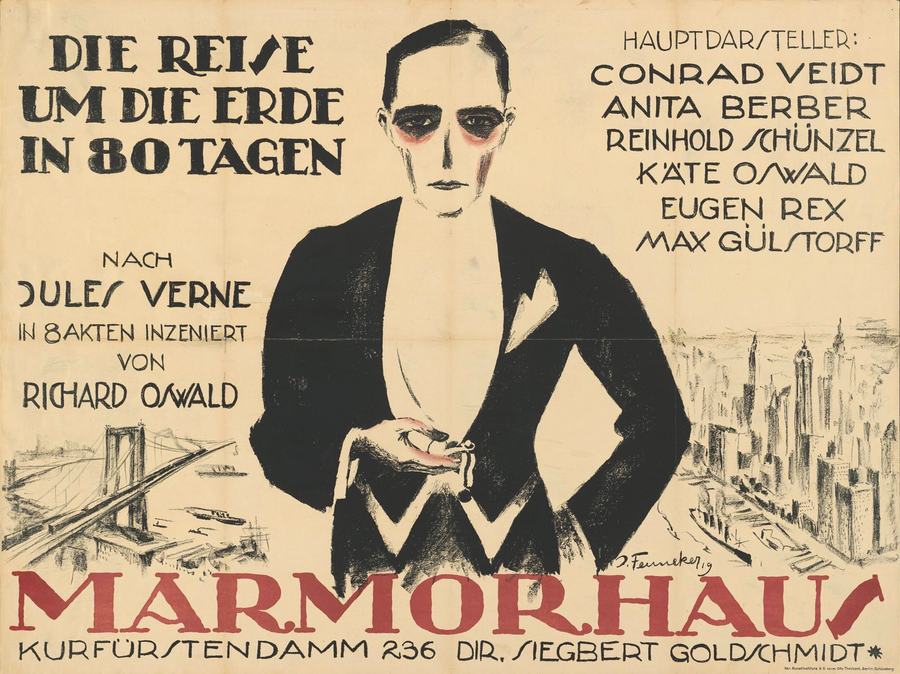
Dir: Richard Oswald
In order to win a bet, British gentleman Phileas Fogg attempts to circle the globe in eighty days, along with his French servant, Passepartout. Fogg is wrongly suspected of having robbed the Bank of England and faces the risk of arrest.
View DetailsAnalysis relative to Das Laster
| Film Title | Atmosphere | Complexity | Similarity |
|---|---|---|---|
| Hoffmanns Erzählungen | Surreal | High | 90% Match |
| Jettchen Gebert's Story | Ethereal | Layered | 92% Match |
| Das Bildnis des Dorian Gray | Tense | High | 87% Match |
| Hampels Abenteuer | Surreal | Abstract | 94% Match |
| Es werde Licht! 2. Teil | Surreal | Dense | 97% Match |
This guide was algorithmically generated using the cinematic metadata of Richard Oswald's archive. Last updated: 6/21/2026.
Back to Das Laster Details →