
DbcultAccessing Vault...
Recommendations
Senior Film Conservator
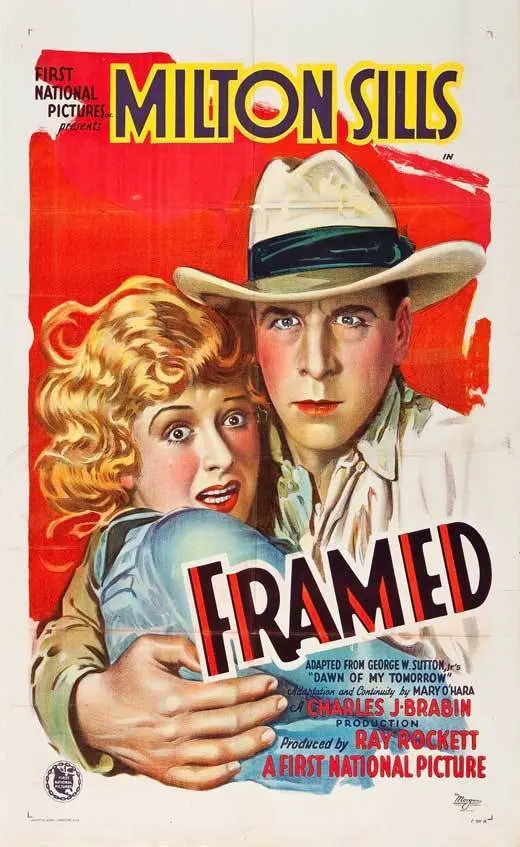
As a cultural touchstone of United States, Framed resonates with its nuanced performance, audiences who connected with its message often look for similar thematic gravity. We've assembled a sequence of films that complement the tone of Framed perfectly.
For many, the first encounter with Framed is to establish Charles Brabin as a true visionary of the 1927s.
Captain Hilaire is wrongfully court martialed by the French Army. He Goes to Brazil where he is hired as a foreman in a Diamond mine. There, he falls in love with Diane, the boss's daughter, but when they are away, Hilaire is framed for stealing from the company by his rival, Remsen, and is sent to a Devil's Island-like prison camp. Eventually, Remson, too is sent there, where he confesses on his death bed, freeing Hilaire.
Based on the unique nuanced performance of Framed, our vault has identified these titles as the most compelling follow-up experiences for fans of Drama cinema:
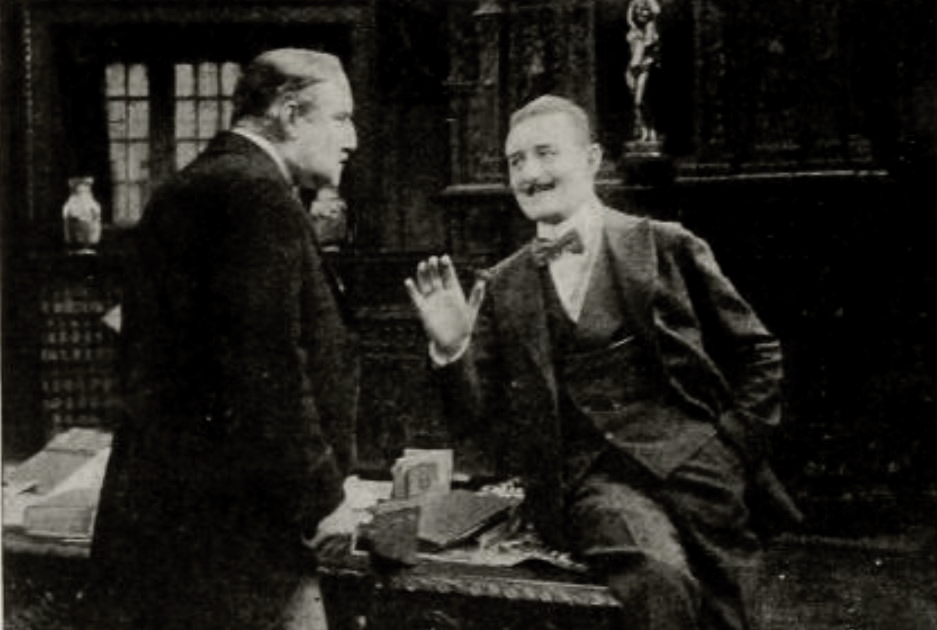
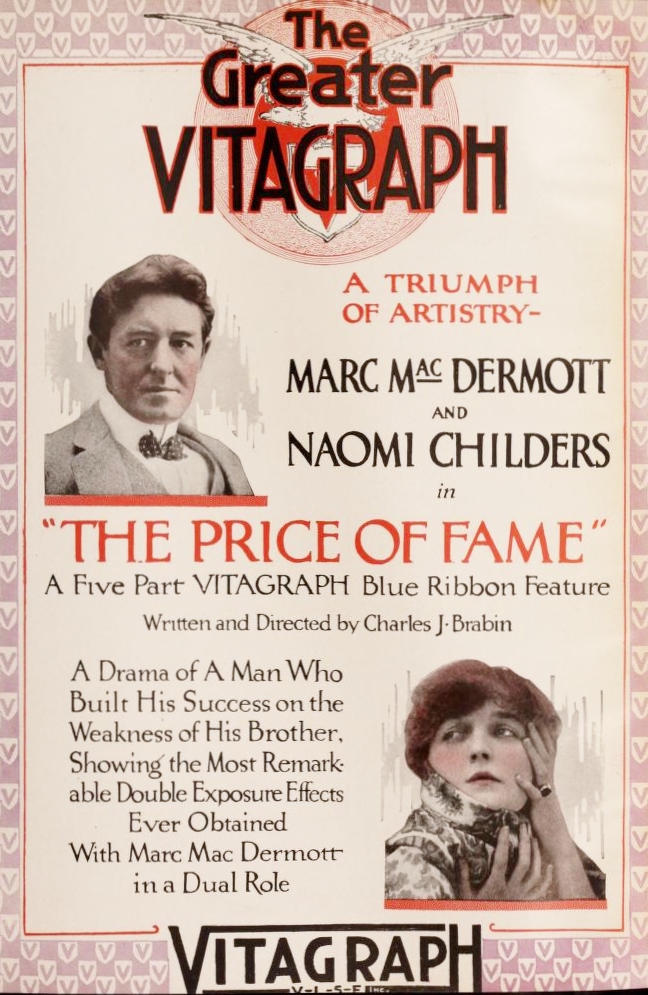
Dir: Charles Brabin
They were twins, and the passing years had in the sifting melting-pot of life. William looms brilliantly, a success, while John is deep in the discouraging shadows, a failure. Another span of fleeting years, and William attains the summit of a meteoric career; he is a candidate for the United States Senate. John (under an assumed name so that his brother is spared the relationship of the black sheep) holds a modest newspaper position in the same city where William's campaign is centered. William falls sick and John, taking advantage of their resemblance, addresses an important meeting and sweeps the audience into frenzied enthusiasm. Sensing in John that which she has always missed in William, the latter's sweetheart confesses her love, thinking, of course, that she is speaking to William. Soon John finds himself facing the fact that he loves his brother's sweetheart. Fate's law is Heaven's justice; William is found dead by John, and what would have been his brother's now becomes John's, as a reward to his genius.
View Details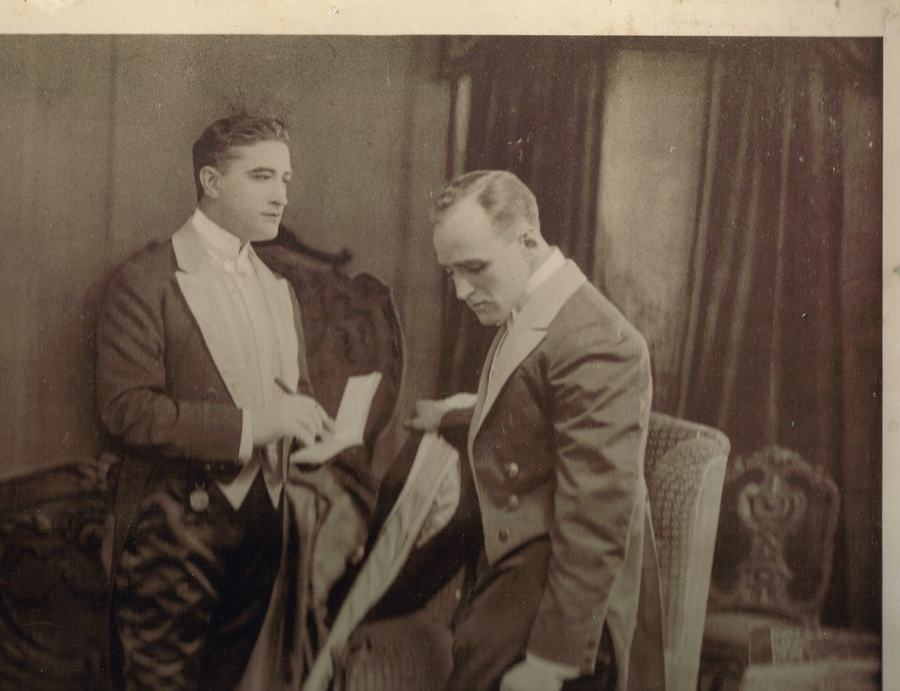
Dir: Charles Brabin
John Spaulding saves Helen Molloy-Smythe and her mother, who has recently acquired great wealth, from a train robbery while they are on vacation out West. Some time later, John returns to his father's country estate on Long Island and again saves Helen when she almost drowns. The two fall in love, but when John learns that Helen has a reputation as a society coquette, he plans to teach her a lesson in humility. Learning of his plan, Helen retaliates by accepting the proposal of the fortune-hunting Count Berratti. All ends happily, however, when John saves Helen for a third time and she trades the count's proposal for his.
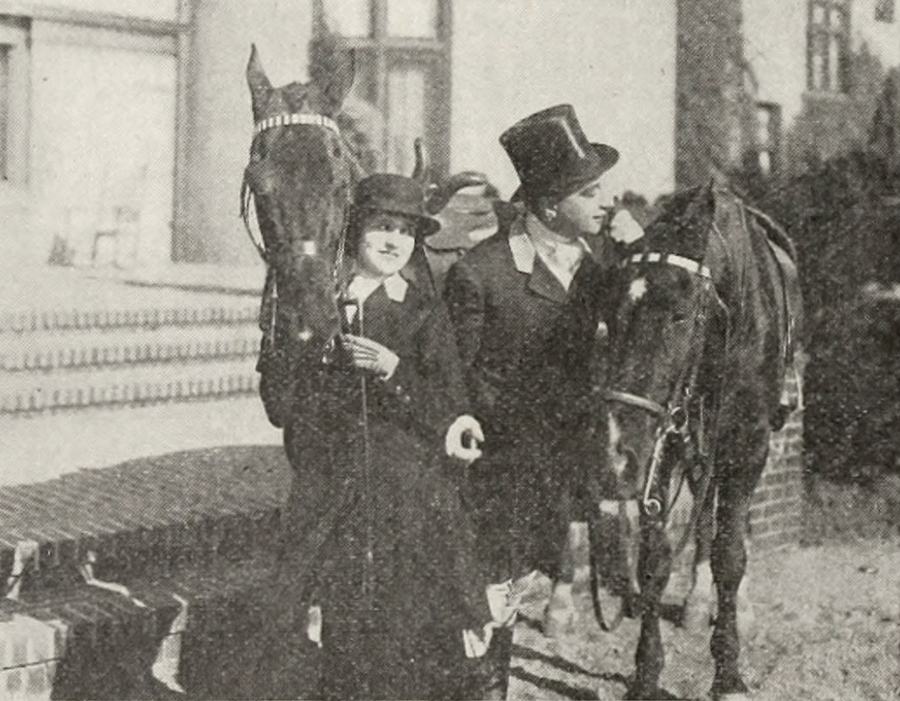
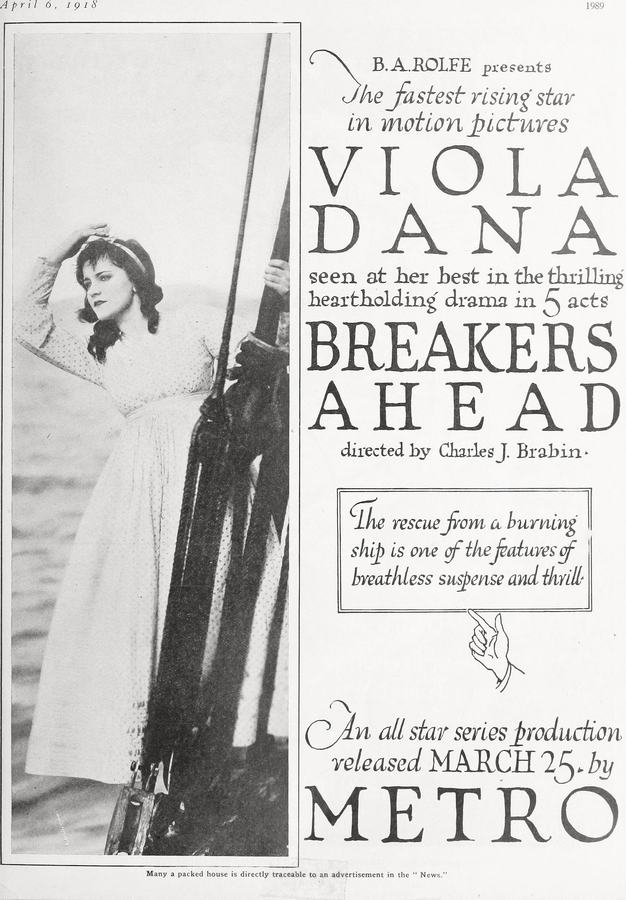
Dir: Charles Brabin
After young Ruth Bowman's mother dies, the child is raised by Agatha Pixley, and in time, the girl falls in love with Agatha's son, Eric. While Eric is at sea with Captain Scudder on a boat owned by Jim and Hiram Hawley, a jealous villager spreads the tale that Ruth is illegitimate, and the townspeople inevitably snub her. Jim Hiram sets his boat on fire after its arrival in port so that he can collect insurance money, and Ruth, believing that Eric is on board, tries to rescue him. When Ruth and Eric escape safely, Captain Scudder reveals that he, Ruth's long-lost father, was legally married to her mother, which re-establishes Ruth's good name and enables her to marry Eric.
View Details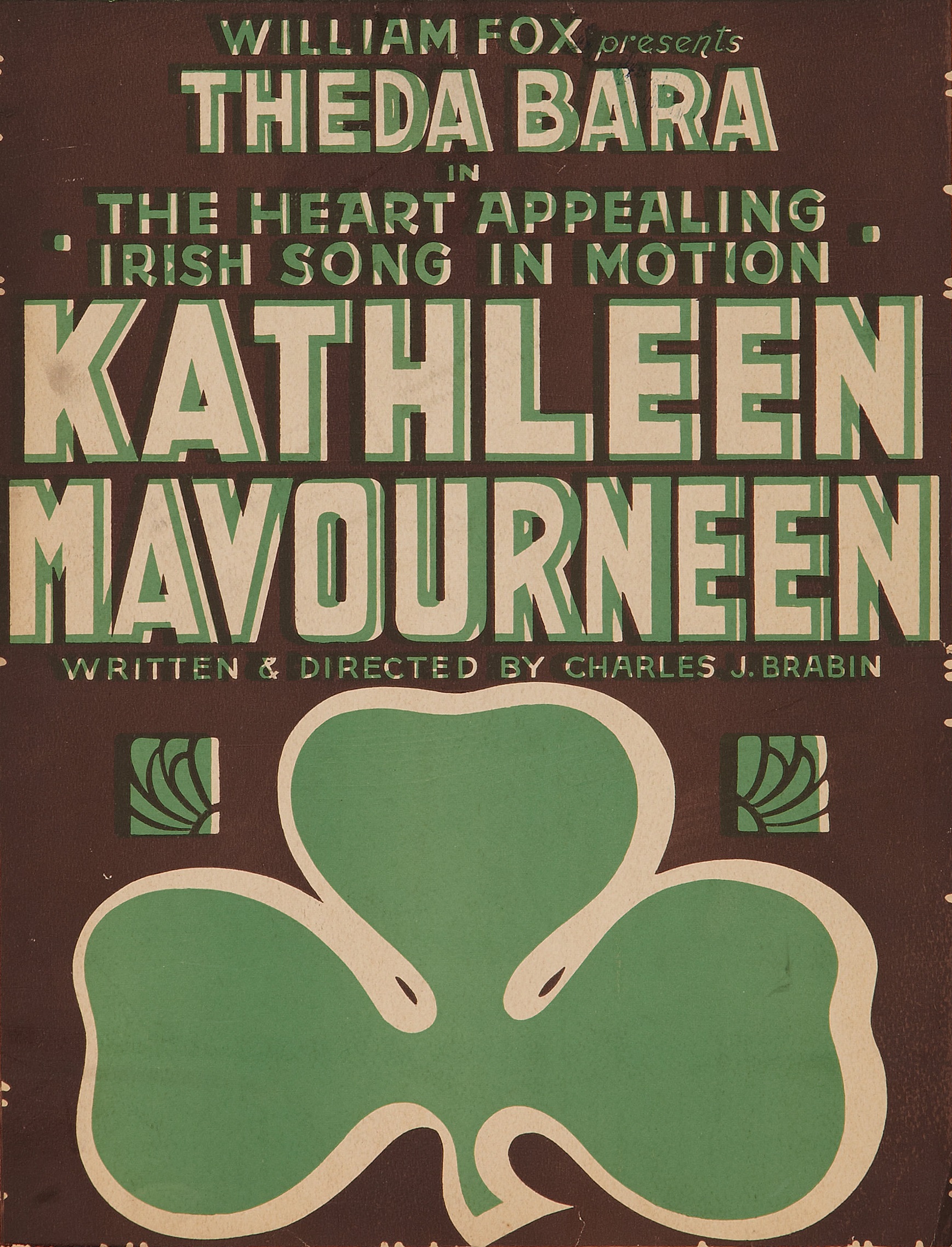
Dir: Charles Brabin
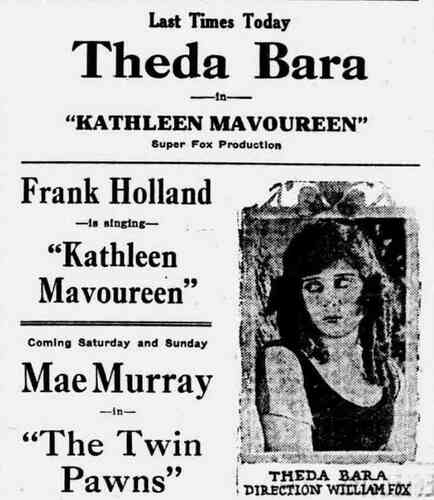
Kathleen, the daughter of a poor tenant farmer, dreams of her wedding with her beloved Terrence. The dream is interrupted when the Squire of the estate takes an interest in Kathleen and forces her father to allow him to marry her to forgive the father's debt. Unfortunately the Squire loses interest in Kathleen once a potential gravy train arrives in the person of the exceedingly wealthy Lady Clancarthy. To be rid of Kathleen the Squire abandons her in the forest where she is beset upon by ruffians, but is rescued by Terrence, who is framed for murder for his troubles.
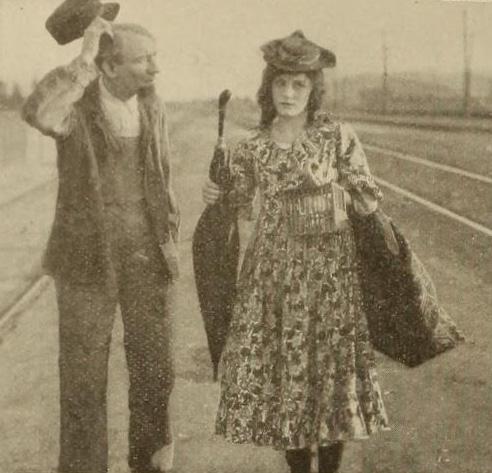
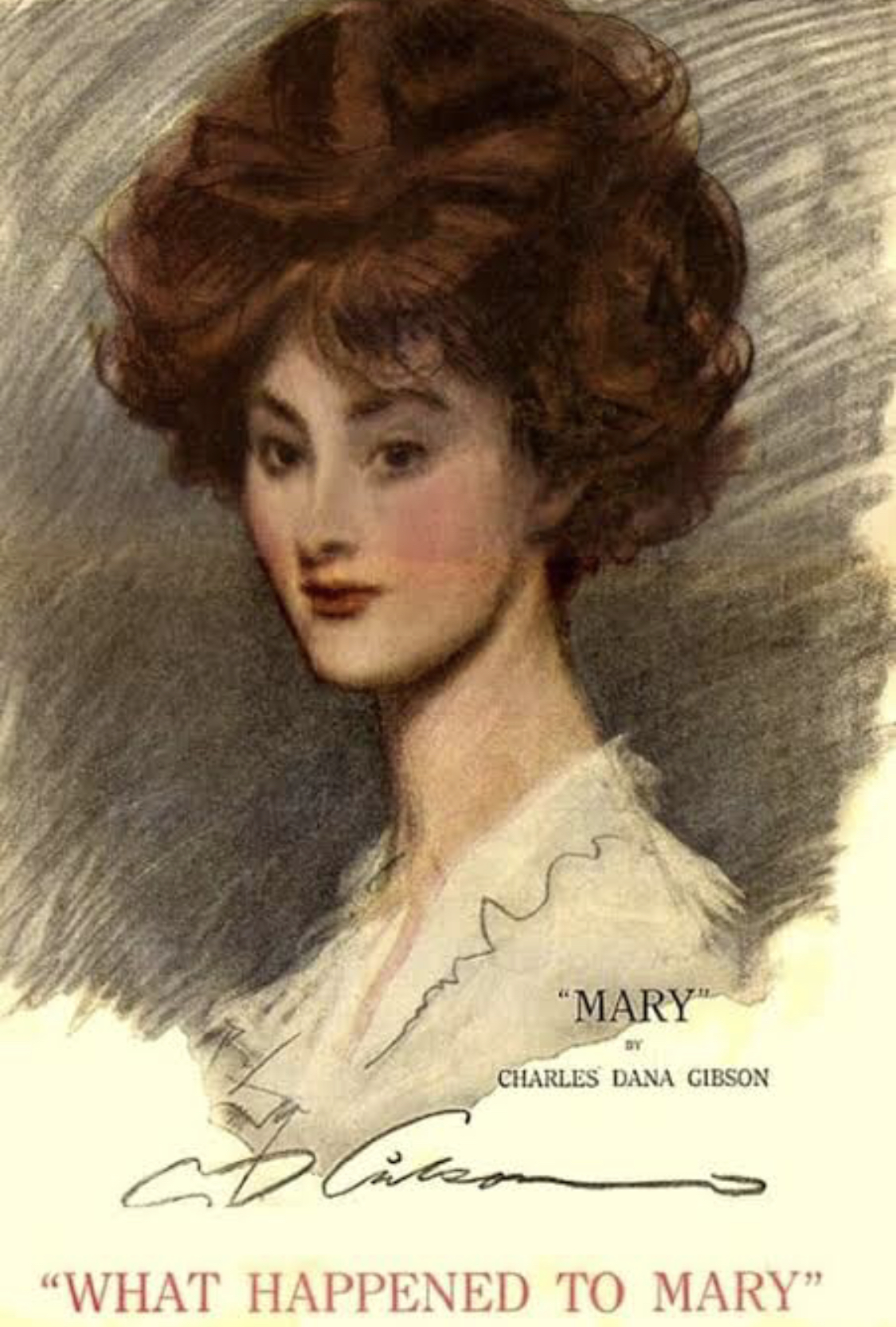
Dir: Charles Brabin
The forerunner of all serials, "What Happened to Mary" was a series of 12 monthly one-reel episodes, each a complete entity in itself, revolving its immediate dramatic and melodramatic problems within the framework of a single episode and designed more for story and suspense situations than action. Episode Titles (q.v.): #1: "The Escape from Bondage"; #2: "Alone in New York"; #3: "Mary in Stage Land"; #4: "The Affair at Raynor's"; #5: "A Letter to the Princess"; #6: "A Clue to Her Parentage"; #7: "False to Their Trust"; #8: "A Will and a Way"; #9: "A Way to the Underworld"; #10: "The High Tide of Misfortune"; #11: "A Race to New York"; #12: "Fortune Smiles."
View Details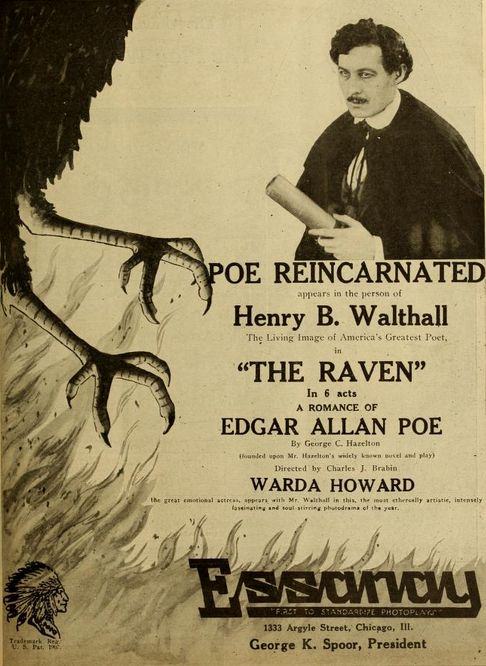
Dir: Charles Brabin
Edgar Allan Poe, while at college, incurs many debts and is sent home in disgrace. He is ordered from the house by his father. Shortly after, he marries, and tries to make a living by writing, but is a failure financially. His wife dies because he is unable to furnish her with even the bare necessities of life. He is plunged into great grief and despair. All night he sits brooding over his loss. Through his distorted imagination he sees the ominous raven enter his chamber and croak gloomy forebodings. The spirit of his wife also appears and finally he himself dies, and is wafted to heights supernal, where he is united with his "Lenore."
Dir: Charles Brabin
Beatrix marries Herbert Buchanan while under his hypnotic trance, although she really loves Harry Faring. When Herbert learns of his wife's love for Harry, he disappears with Kansas, a tramp. Soon after, Beatrix falsely identifies a body at the morgue as her husband's and marries Harry, but when Herbert, still alive though ill and demented, appears at her door with Kansas, she confesses her lie to her new husband. Kansas' plans to blackmail Beatrix are ruined when Harry visits the two tramps, and Herbert, now dying of tuberculosis, pleads with Kansas to leave the couple in peace. Kansas agrees, and after Herbert's death, Beatrix and Harry return to a normal life.
View Details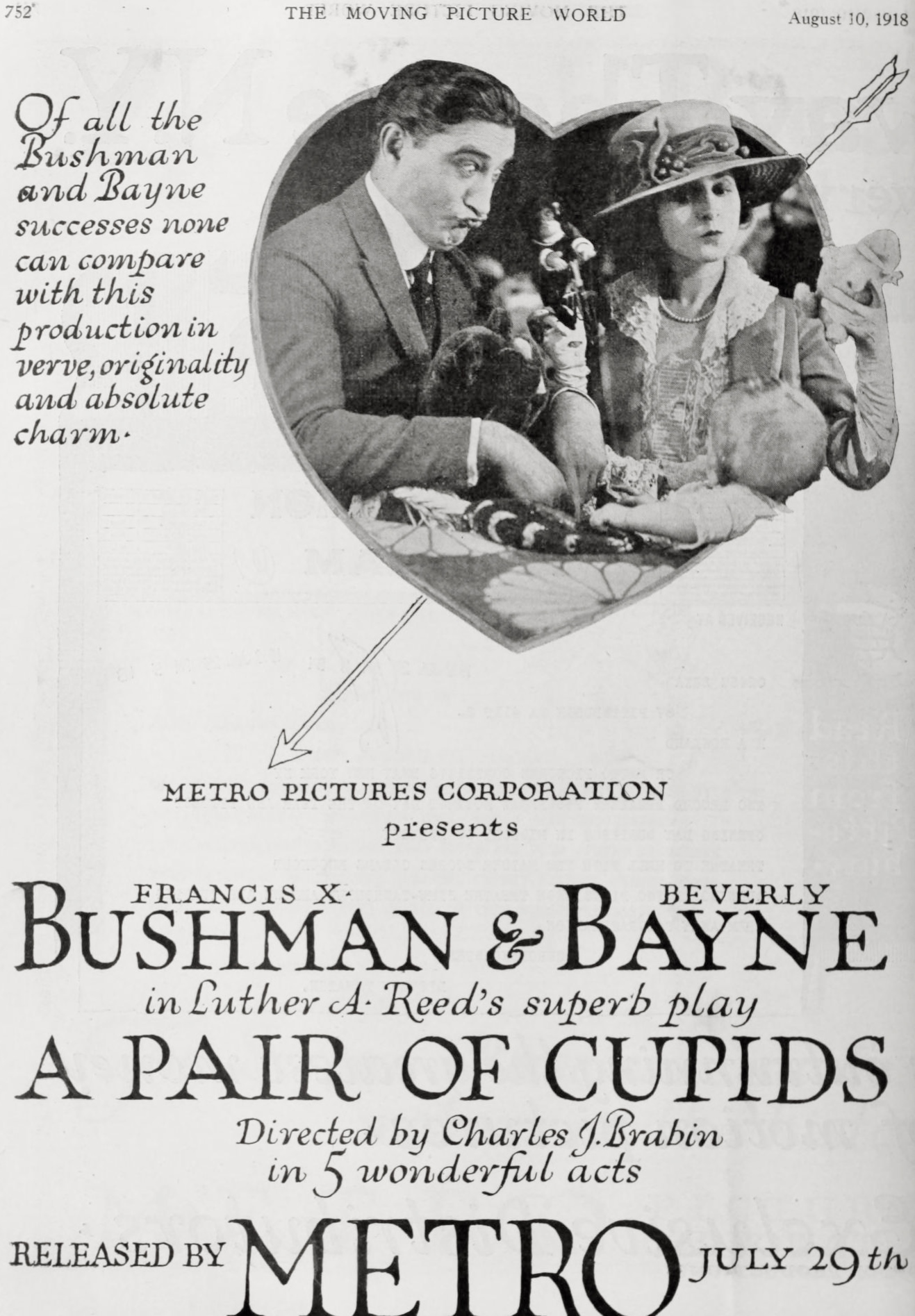
Dir: Charles Brabin
Henry Burgess favors a match between his ward, Virginia Parke, and his nephew, Peter Warburton, but she is only interested in her poodle, Frou Frou, and Peter devotes all of his attention to his business. To bring them together, Uncle Henry rents twin babies of the laundrywoman, Bridget McGroghan, placing one on Peter's doorstep and the other on Virginia's. Each discovering that the other has a baby, Peter and Virginia soon begin to share their views on child rearing and matrimony, and are about to become engaged when the babies disappear. Michael McGroghan, the twins' father, hires a pair of crooks to kidnap the babies so that he may collect the $25,000 bond that has been put up by Henry for their safe return. Peter, however, tracks down the kidnappers, and after the infants are returned to their grateful mother, he and Virginia look forward to having their own babies.
Dir: Charles Brabin
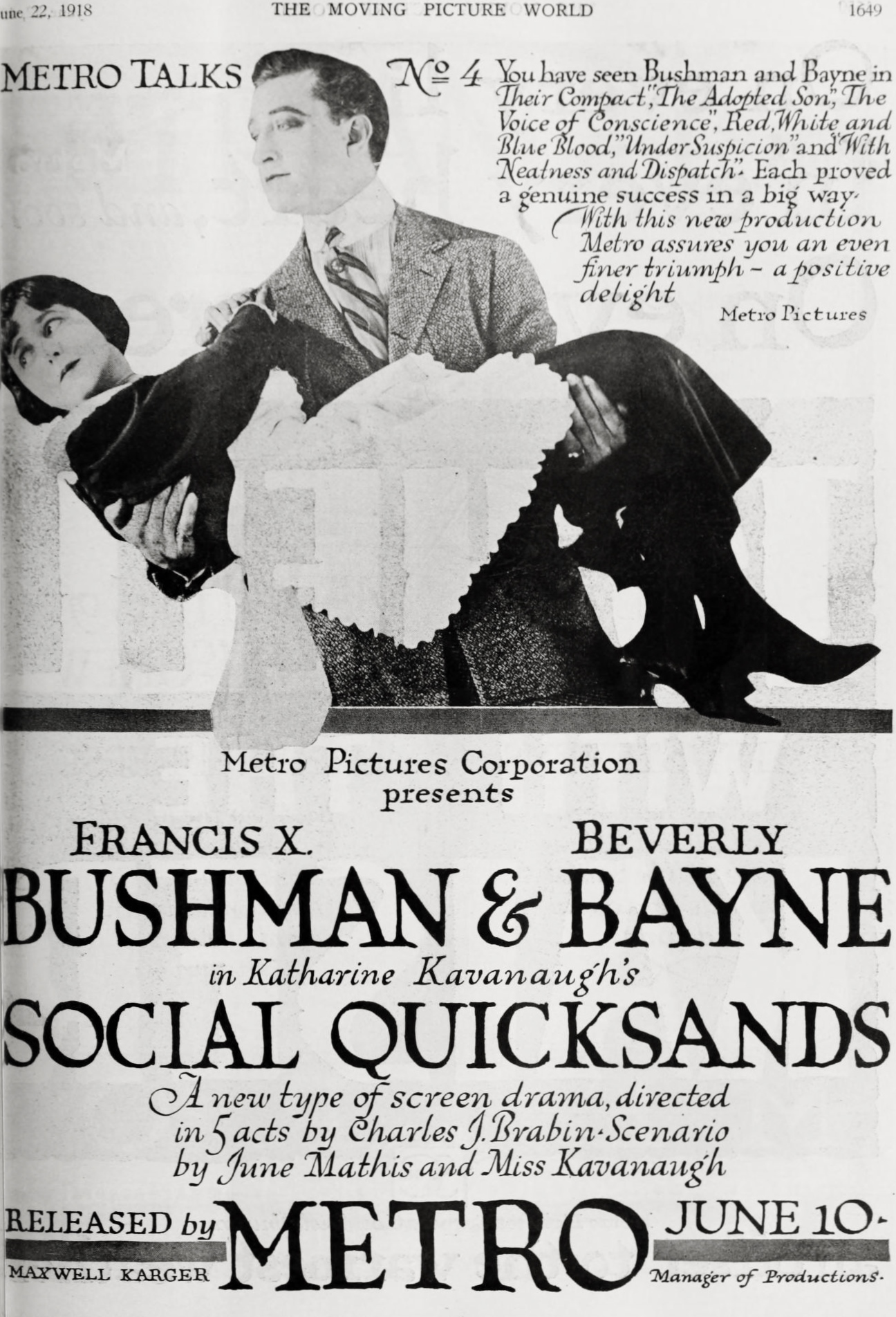
Claiming that he has no need for social butterflies, Warren Dexter refuses to attend a reception at which he was to meet debutante Phyllis Lane. Humiliated, Phyllis makes a wager that she will lead Warren to the altar within the month. To gain his attention, she faints on his doorstep and then realizes that he is not at home. Peering through the window, Phyllis spies a woman stealing the silver, whereupon she enters the house and forces Mollie, the burglar, to exchange clothing with her. When Warren arrives, Phyllis feigns a guilty look and explains that her father and brother force her to steal. Hoping to reform the attractive "crook," Warren offers her a position as his maid and soon falls in love with her. Later the crooks again try to rob him, and after Phyllis helps him to foil their plan, he proposes. Upon learning her true identity, Warren is greatly offended, but Phyllis easily convinces him that her love is genuine.
View Details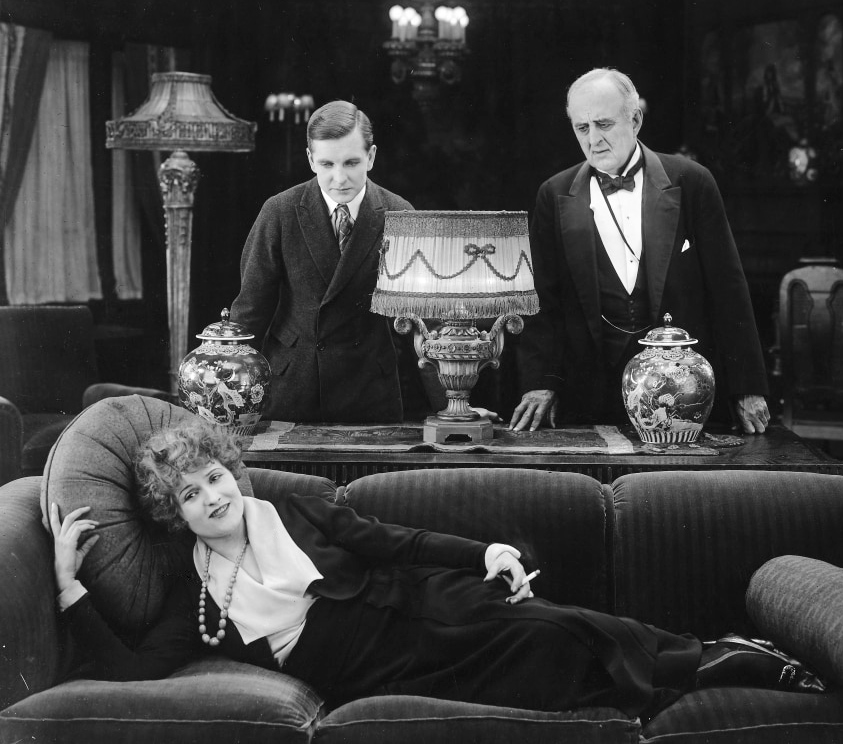
Dir: Charles Brabin
Doris Morse, the daughter of wealthy copper magnate Digby Morse, is eager to escape the unwelcome attentions of the many fortune hunters who pursue her, so she steals away to Atlantic City for a vacation. There she falls in love with Philip Hazard, an earnest and hard working young man, but because his income is so meager, she poses as a Macy's counter girl to avoid wounding his pride. When, by accident, he finally learns of her wealth, the two quarrel. In order to save the romance, her father pretends to disown her, but at the wedding, he secretly gives her a large sum of money in bonds. Doris soon wearies of her modest home and begins to spend the money on furniture and servants, which so piques her husband that he decides to steal the bonds from her safe. Doris is awakened by the noise and fires a shot, wounding Philip. The shock of injuring her husband brings Doris to her senses, and she agrees to live solely on his income.
View DetailsAnalysis relative to Framed
| Film Title | Atmosphere | Complexity | Similarity |
|---|---|---|---|
| The Price of Fame | Ethereal | Layered | 89% Match |
| Red, White and Blue Blood | Surreal | High | 87% Match |
| Breakers Ahead | Gritty | Layered | 97% Match |
| Kathleen Mavourneen | Tense | Dense | 85% Match |
| What Happened to Mary | Ethereal | Linear | 94% Match |
This guide was algorithmically generated using the cinematic metadata of Charles Brabin's archive. Last updated: 8/16/2026.
Back to Framed Details →