
DbcultAccessing Vault...
Recommendations
Senior Film Conservator
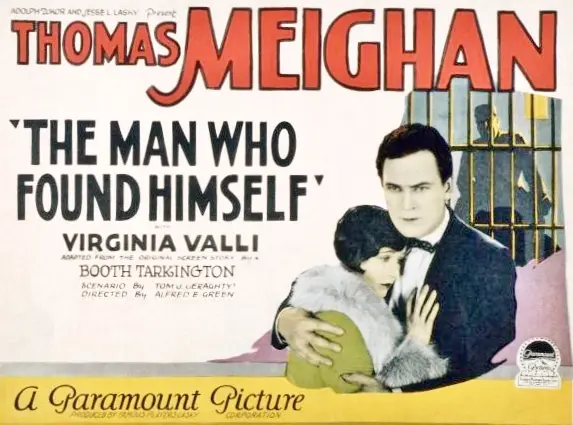
As a cultural touchstone of United States, The Man Who Found Himself resonates with its nuanced performance, audiences who connected with its message often look for similar thematic gravity. We've assembled a sequence of films that complement the tone of The Man Who Found Himself perfectly.
For many, the first encounter with The Man Who Found Himself is to establish Alfred E. Green as a true visionary of the 1925s.
Tom Macauley and his younger brother, Edwin, are directors in their father's bank. Edwin speculates with the bank's funds, but banker Lon Morris, a supposed friend, plots successfully to have Tom shoulder the blame. In prison, Tom becomes a trusty, but he breaks out when he learns that Morris is to marry Nora Brooks, his fiancee. He confronts Morris and Nora with the truth, beats up Morris for good luck, and returns to prison. His father dies heartbroken, and Tom is scorned by Edwin's wife when he is released. With the aid of two prison buddies (The Optimist and The Pessimist), Tom breaks into the Macauley bank (now controlled by Morris), steals funds, plants them in Morris' house, and notifies the bank examiners. Morris, who actually has been embezzling funds, goes to the bank to obtain more money before making a getaway. He is shot by a watchman; Tom learns that Nora has been a wife in name only; and he marries her.
The Man Who Found Himself was a significant production in United States, showcasing the immense talent of Russell Griffin, Hugh Cameron, Lynn Fontanne. It continues to be a top recommendation for anyone studying Drama history.
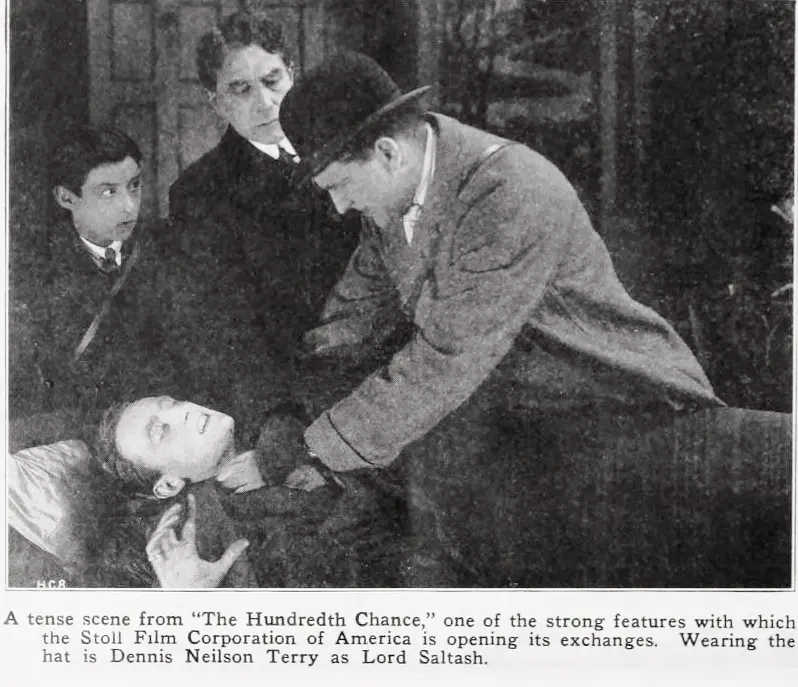
Based on the unique nuanced performance of The Man Who Found Himself, our vault has identified these titles as the most compelling follow-up experiences for fans of Drama cinema:
Dir: Maurice Elvey
A lady marries a horse trainer but withholds herself until her crippled brother is cured.
View Details
Dir: Tod Browning
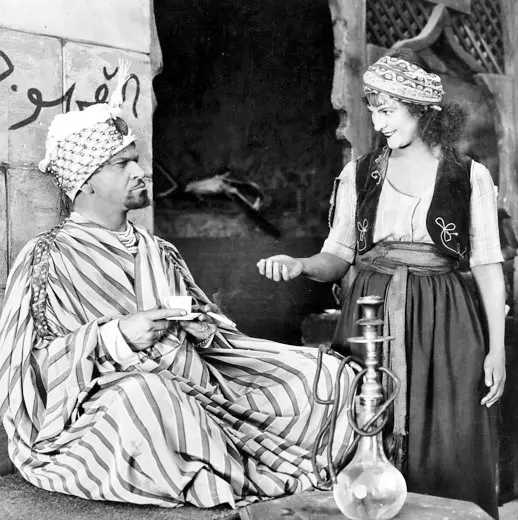
Achmet Bey, a Turkish chieftain, catches one of his many wives in adultery and murders her lover. Throwing aside the cuckolding wife, he abducts his harem an innocent girl. However, a brave American who loves her comes to her rescue.
View Details
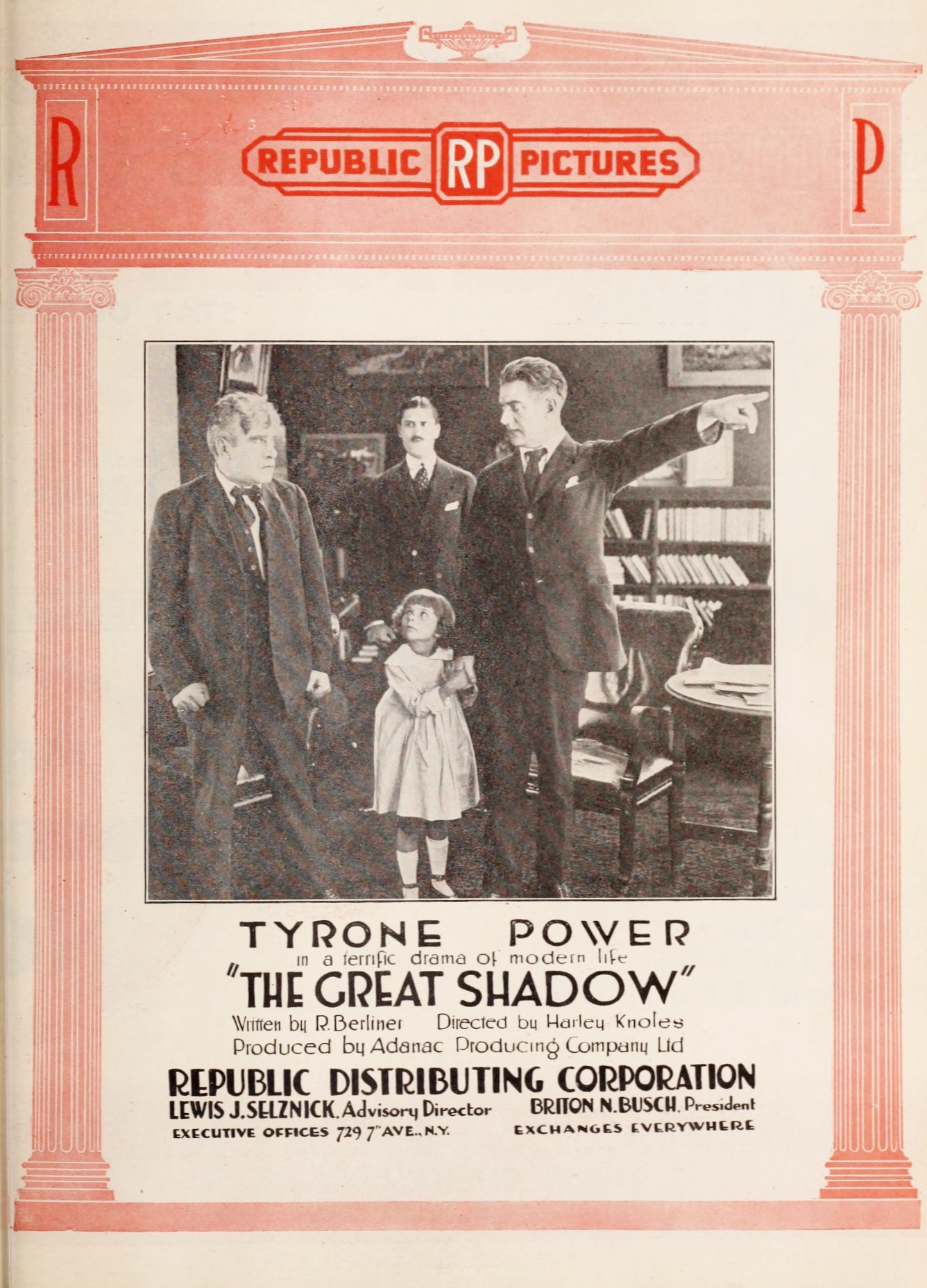
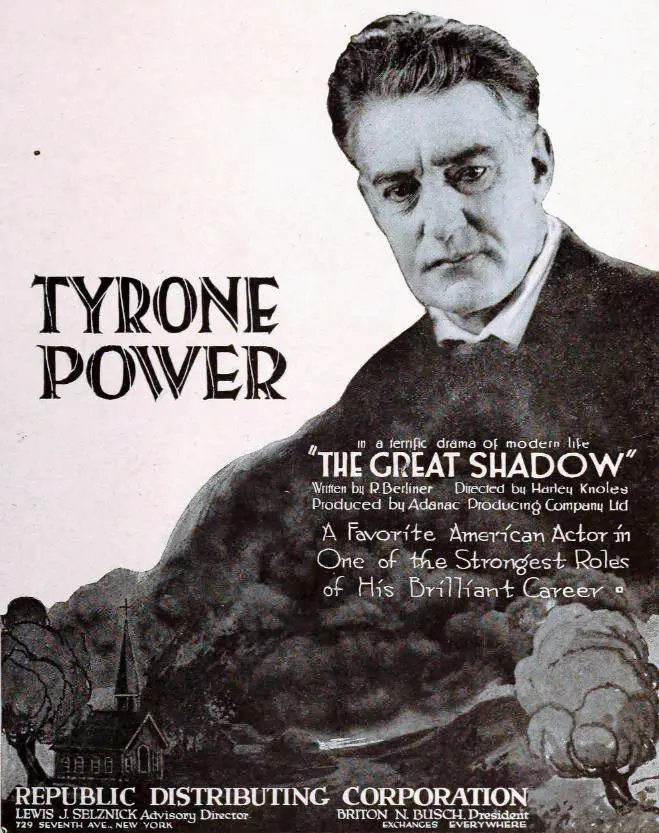
Dir: Harley Knoles
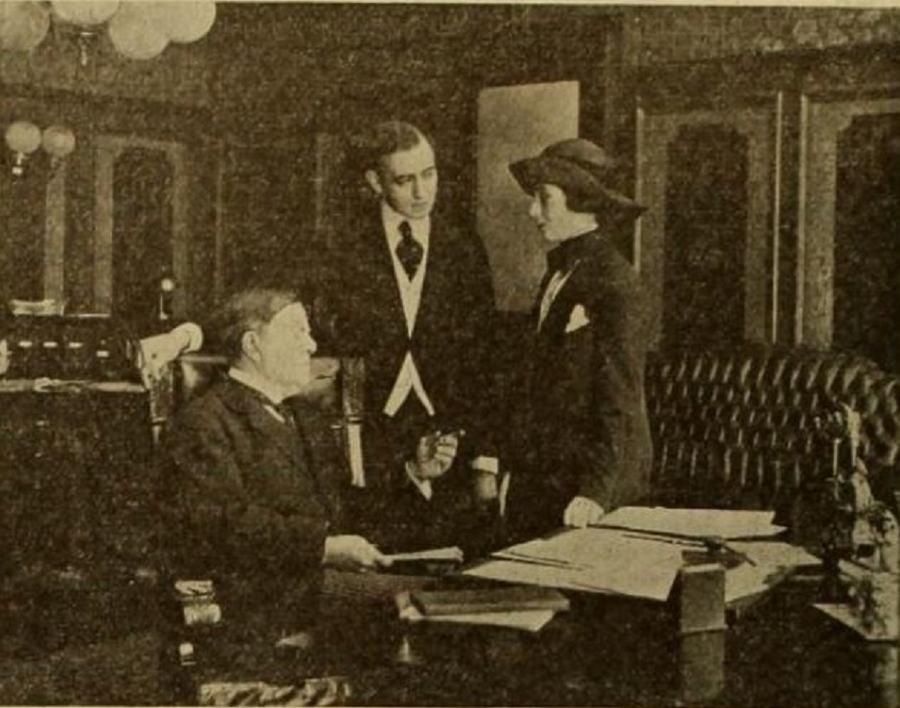
Jim McDonald, the foreman of a shipbuilding plant and head of the labor union, strives to combat the anarchistic propaganda being put forth by Klimoff, the leader of a Bolshevik gang whose goal is to disrupt the country with strikes and anarchy. Despite McDonald's efforts, a strike is called, resulting in chaos. McDonald's child is knocked down by runaway horses abandoned by their striking driver, and dies. Mob scenes take place in America, as well as in Russia. Eventually, the unrest is quelled with an armistice called between Capital and Labor for a year, during which time wages are to be increased to reflect the cost of living, and leaders are to work out a common plan for their mutual advantage. The strikers now realize that they have been pawns of the Bolsheviks and call off the strike, agreeing to the plan.
View Details
Dir: Robert N. Bradbury
A simple country girl, brutally mistreated by her stepfather, awakens first the sympathy, then the love, of The Boy. The Spider, who lusts after The Girl, makes a bargain with the stepfather and takes her to the city where, kept prisoner, she is soon broken in health and spirit. Cast out and near death, she is taken in by The Boy. Following the demise of The Spider, The Boy takes her to church, where he prays, and after many hours she is restored to health.
View Details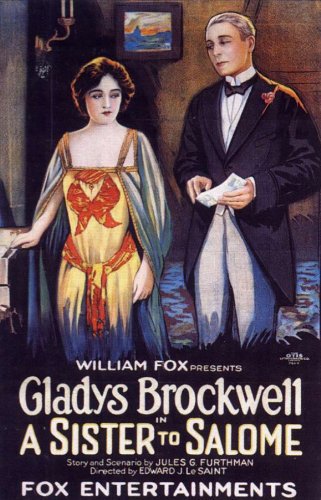
Dir: Edward LeSaint
When famous opera singer Elinore Duane undergoes an operation on her throat, she has a series of ether-induced visions. In one, she is transported to ancient Rome where she appears as a much-admired woman in love with Paul, a young heretic, and at odds with Lutor, the high priest. To save her love, she poisons Lutor with her ring. After several other visions which involve variations on this love triangle, Elinore awakens to discover that Lutor is actually her doctor, Sascha Jaccard, and that Paul is the son of a friend who has come to visit the recovering prima donna.
View Details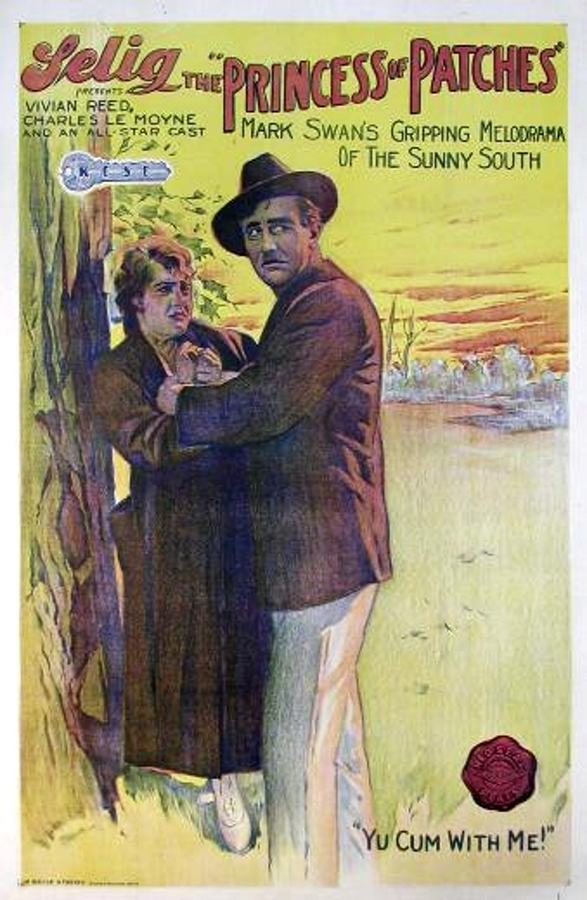
Dir: Alfred E. Green
Patches, a beautiful girl, lives with her foster-mother Liza Biggs, who dresses her in rags. She is surprised to see Judas, the overseer, give Liza a locket. Jack Merry arrives to purchase cotton from Colonel Silverthorne, a Southern gentleman of the old school, who looks after his dead brother's estate for his niece and nephew, Juliet and Lee. Col. Silverthorne tells Merry that years ago his brother chastised a field hand named Judas, and that little Selma disappeared. Her mother died of grief, while her father had not been seen since, on one occasion, he rowed to a houseboat, and was supposed to have been murdered; and that according to his will, the entire estate was to go to his missing daughter Selma if found within 20 years; if not, the estate was to be divided between Juliet and Lee. That night Judas demands money from Lee on penalty of disclosing the whereabouts of Selma. In the meantime, Merry meets Patches and kisses her hand, exclaiming "May the Princess of Patches have a happy reign." He leaves with Col. Silverthorne, the money for the cotton, and Lee steals it. Lee claims that Waggles, a tramp friend of Patches, is the thief, but Patches believes Judas has the money and he is captured with part of it in his possession. Col. Silverthorne, despite the protests of Juliet and Lee, invites Patches to become one of the family. Years pass. Patches returns from a fashionable school and again meets Merry Judas, who has escaped from prison, also returns, as does Waggles the tramp. Waggles asks Lee where he can find the "Princess of Patches," as he wishes to return a locket which she lost. Lee recognizes the locket as the one proving the identity of Selma, and upon his promise to deliver it to Patches, Waggles surrenders it. This is the locket Judas gave to Liza, and which Patches afterwards secured. Patches, among the daisies, plucks the petals and murmurs "He loves me, he loves me not." "He loves you dearly," exclaims Jack Merry behind her, as he takes her in his arms. Lee is dumbfounded to see Judas, who tells him unless he helps to keep him out of jail, he will produce proofs that Patches is Selma Silverthorne. Lee gives money to Judas and tells Juliet what he has learned; she tells him he must marry Patches. Waggles overhears Judas and Lee and informs Patches. At midnight they secrete themselves on the houseboat and hear Judas tell Lee that he stole Selma, and that the baby clothes he produces are proofs of her identity. The money Lee offers Judas is not satisfactory, and as the two fight, Waggles secures the proofs. They discover the loss, and suspecting someone else is on the boat, light the fuse connected with a box of gunpowder. Lee springs overboard, and Patches confronts Judas, exclaiming: "I know everything and you shall be punished." Judas overpowers the girl and Waggles, binds them, and swims ashore. Patches finally frees herself and releases Waggles. They spring into the water just as the explosion demolishes the houseboat. On reaching the shore, Waggles overpowers Judas, who confesses Patches is the real heiress; and repeats the confession to Colonel Silverthorne a few minutes before Lee and Juliet would have come into possession of the property. Lee, implicated by Judas, disappears and Patches is happy in the love of Jack Merry.
View Details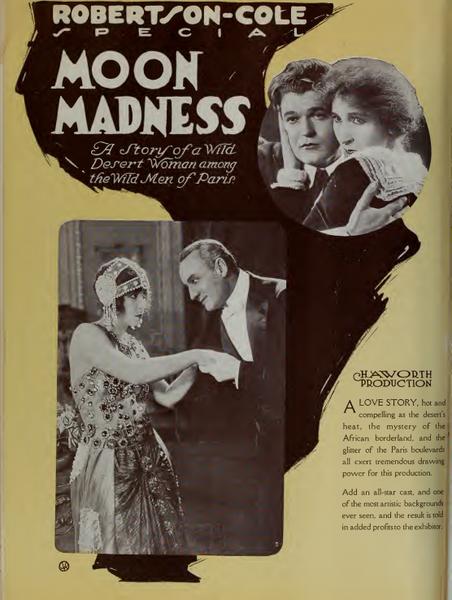
Dir: Colin Campbell
Zora, a girl of French origin, is raised by a wealthy Bedouin family after her mother Valerie dies while eloping with another man. Zora feels such great longing for the French artist Adrien that she accepts the offer of another artist, Raoul, to take her to Paris with the stipulation that if Adrien rejects her, she must give herself to him. Jan, the chieftain's son who is in love with Zora, follows the two to Paris. There Zora realizes that Adrien does not love her and discovers her real love for Jan. However, she feels bound to honor her pact with Raoul and is about to succumb to his advances when her father appears and recognizes Raoul as the man who destroyed his home years earlier. In the ensuing fight between the two men, Raoul is killed, thus freeing Zora to accept Jan's love.
View Details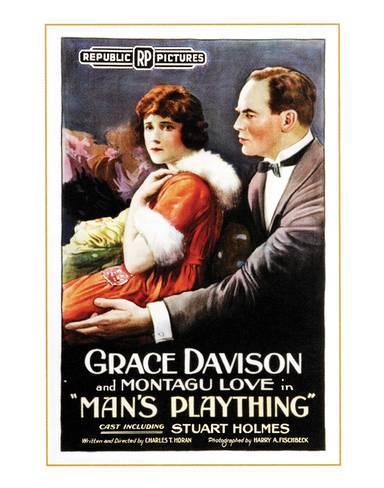
Dir: Charles Horan
While working as a flower girl in Devlin Maddox's nightclub, Nellie Vaughan meets wealthy young Pelton Van Teel and falls in love. Maddox, desirous of using Nellie to blackmail Van Teel, spreads a rumor that she is his mistress. This makes Nellie uncomfortable, and she demands that Van Teel marry her immediately, to which he agrees. Meanwhile, Van Teel has been losing money gambling to Maddox, who threatens to break up the marriage by producing a worthless check that the young husband has written. Venturing to Maddox's apartment for a showdown, Nellie pulls a gun and demands the check, accidentally shooting Maddox when he throws a lamp at her. Maddox plans to charge Nellie with assault, but when the police arrive, his butler, actually a detective employed by the elder Van Teel, exposes Maddox, who is then arrested, clearing the path for the couple's happiness.
View Details
Dir: Bruno Ziener
A fascinating piece of cinema that shares thematic elements.
View DetailsAnalysis relative to The Man Who Found Himself
| Film Title | Atmosphere | Complexity | Similarity |
|---|---|---|---|
| The Hundredth Chance | Gritty | Dense | 87% Match |
| The Virgin of Stamboul | Gothic | Layered | 97% Match |
| Little Lost Sister | Tense | High | 96% Match |
| The Great Shadow | Gothic | High | 94% Match |
| Into the Light | Gothic | Abstract | 89% Match |
This guide was algorithmically generated using the cinematic metadata of Alfred E. Green's archive. Last updated: 8/16/2026.
Back to The Man Who Found Himself Details →