
DbcultAccessing Vault...
Recommendations
Senior Film Conservator
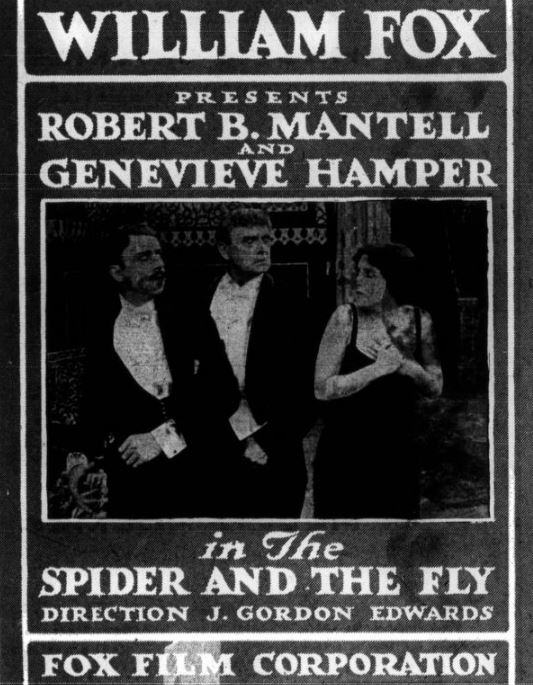
The United States-born brilliance of The Spider and the Fly offers a unique artistic bravery, the profound questions raised in 1916 still require cinematic answers today. Our curated selection of recommendations echoes the very essence of The Spider and the Fly.
In the Pantheon of cult cinema, The Spider and the Fly to provide a definitive example of J. Gordon Edwards's stylistic genius.
A young Frenchman kills his best friend in a drunken fight. He vows to never touch another drop of liquor, but he goes back to the bottle when he hooks up with seductive Blanche Le Noir, and is soon an alcoholic. Blanche, however, prefers the sinister Lantier, and tries to use Lantier's daughter to get to him. However, the daughter is saved by the efforts of young American RIchard Lee, who marries her. Unfortunately, Lee's sister is seduced by Lantier. Complications ensue.
Based on the unique artistic bravery of The Spider and the Fly, our vault has identified these titles as the most compelling follow-up experiences for fans of cult cinema:
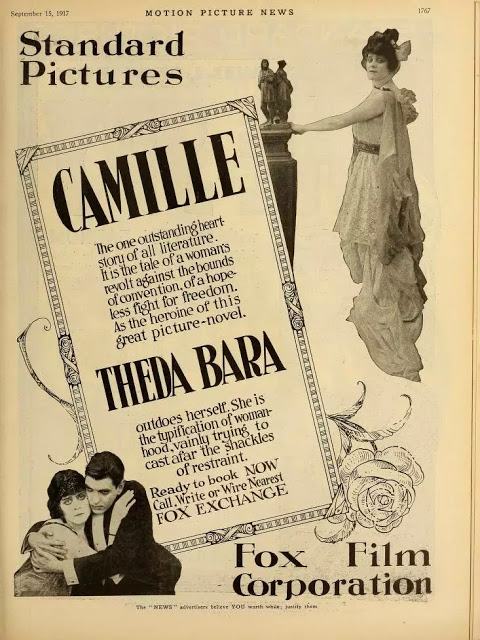
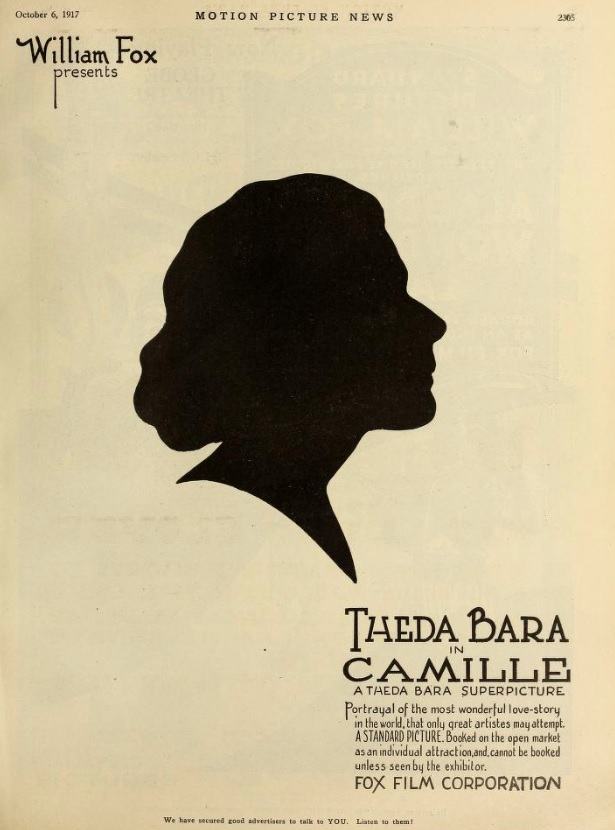
Dir: J. Gordon Edwards
Camille is a courtesan in Paris. She falls deeply in love with a young man of promise, Armand Duval. When Armand's father begs her not to ruin his hopes of a career and position by marrying Armand, she acquiesces and leaves her lover. However, when poverty and terminal illness overwhelm her, Camille discovers that Armand has not lost his love for her.
View Details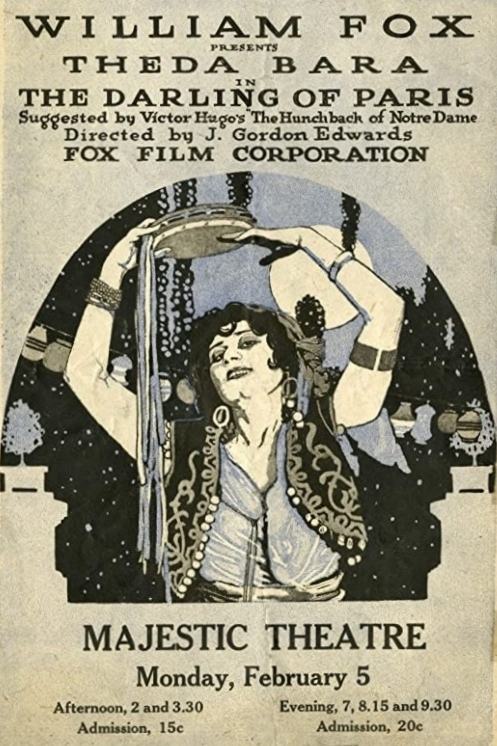
Dir: J. Gordon Edwards
A gypsy girl with her foster-mother arrive in the French Capital where her beauty attracts the attention of the Apaches, and she becomes a member of their band. Her beauty attracts Claude Frallo, a scientist of note. She repulses him, as she has already fallen in love with Captain Phoebus. During a visit of the gypsy girl in the apartment of the handsome captain, Frallo kills the captain and makes his escape. Upon the arrival of the Gendarmes, Esmaralda is placed under arrest charged with the murder. Esmaralda is subjected to torture to make her confess, but is defiant, knowing that she is innocent. The bell ringer of the cathedral, Quasimodo, who secretly worships the Gypsy girl, becomes her protector. When Frallo visits the prisoner the bell ringer interferes. There is a struggle and the former is hurled from a parapet and killed. Again the girl appears before the tribunal. Put on the rack, she admits the murder of the captain. Just as Esmaralda is to be guillotined, the bell ringer gives the true version of the murder, implicating Frallo whom he killed. Quasimodo, the plucky bell ringer, who was Esmaralda's protector, and her liberator, becomes her husband.
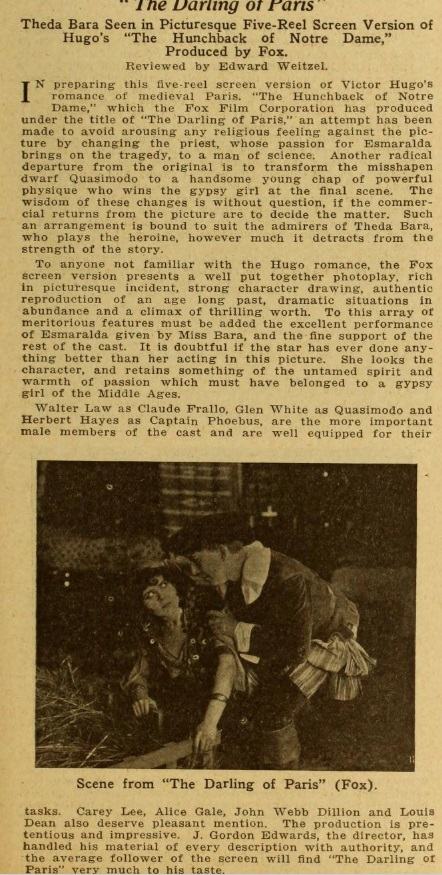
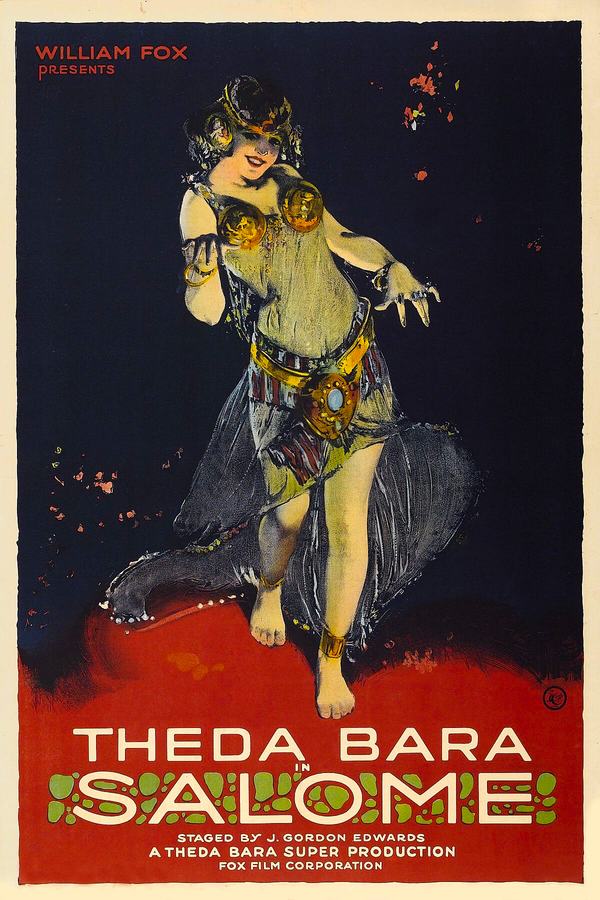
Dir: J. Gordon Edwards
When Herodias divorces her husband and marries his brother Herod Antipas, governor of Judea, the prophet John the Baptist protests and is imprisoned. Salome, daughter of Herodias and both niece and stepdaughter to Herod, dances seductively and wins the prize of anything she asks of Herod. The prize she asks is the head of John the Baptist.
View Details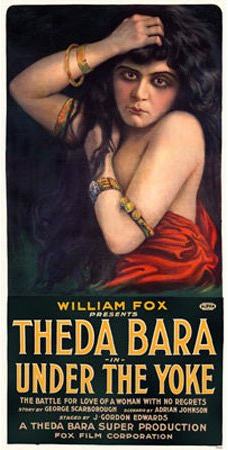
Dir: J. Gordon Edwards
Maria Valverde, a young Spanish woman whose father has settled in the Philippines, arrives home from the convent where she received her education and is soon approached by Diablo Ramirez, a local plantation overseer who hopes to win her heart. Having met the handsome American army captain, Paul Winter, in Manila, Maria scorns Diablo's advances, and later, he is forcefully escorted from the house. Furious, Diablo organizes a group of rebels, who kill Maria's father and hold her a prisoner in her own home. When Captain Winter hears of the revolt, he rushes to Maria's aid but is himself captured. Reinforcements soon arrive from the American army post, and in the fighting, the house is set ablaze. Diablo is about to grab Maria when Captain Winter enters and shoots the rebel down. The Americans finally emerge victorious, and Maria wins her dashing captain.
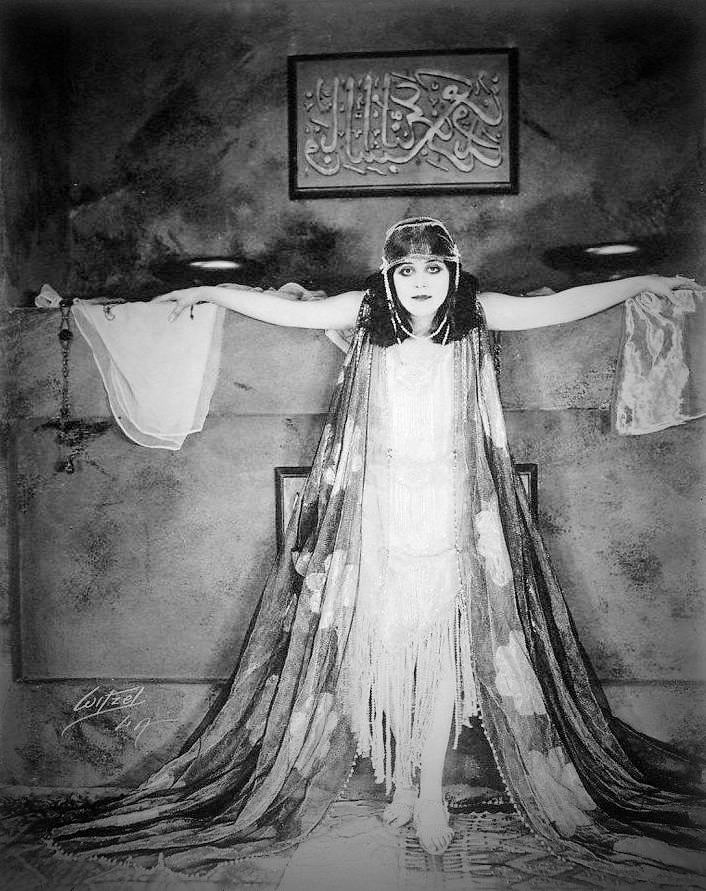
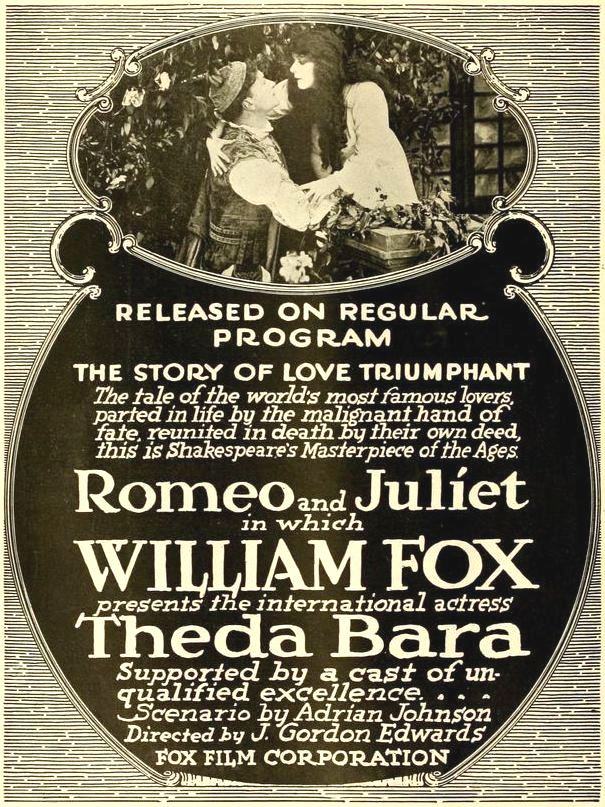
Dir: J. Gordon Edwards
Shakespeare's classic tale of ill-fated lovers whose deaths bring peace to their warring families.
View Details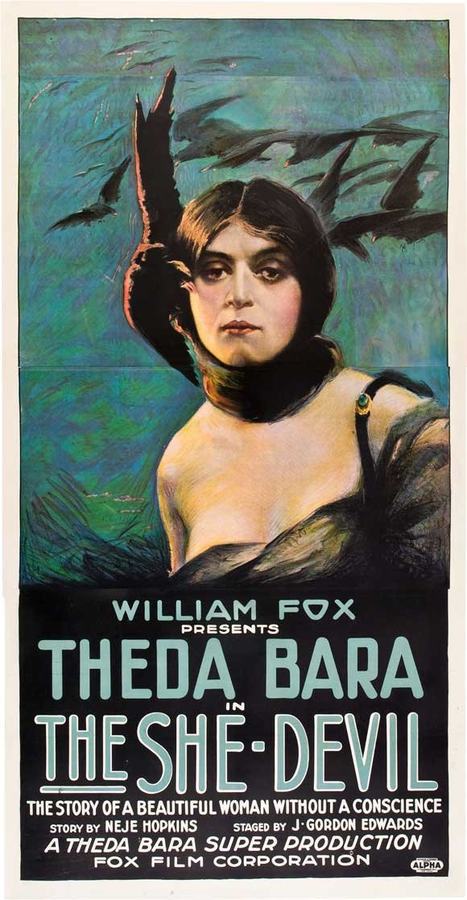
Dir: J. Gordon Edwards
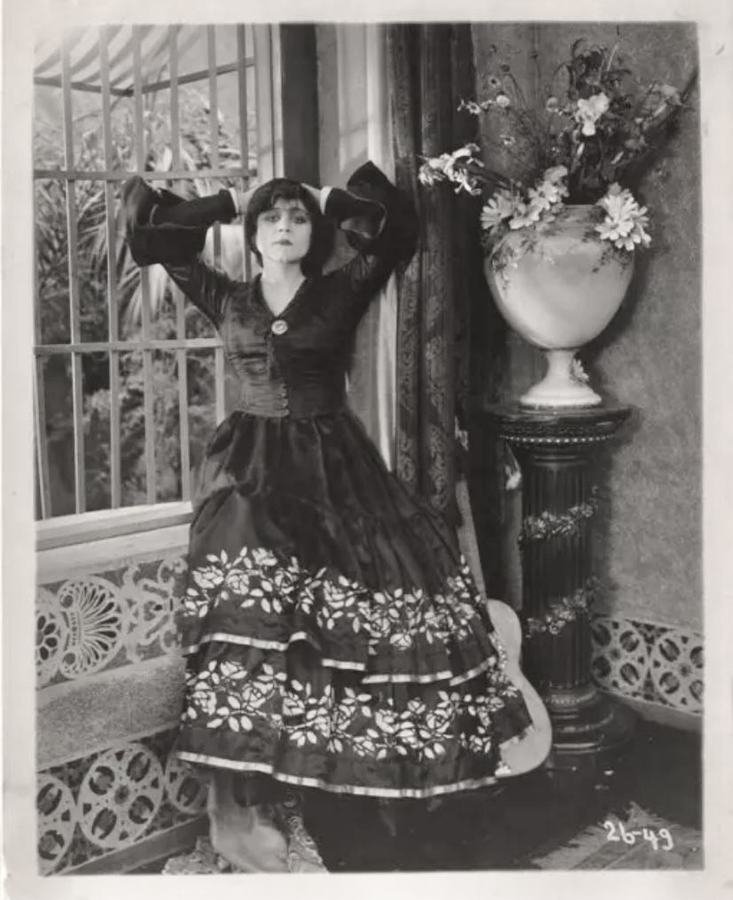
Lolette (Theda Bara), an exotic and spirited peasant girl lives In the small Spanish village of Juanguera. Although ardently courted by the native swains, and particularly a bandit called The Tiger, Lolette prefers Maurice Tabor, a French artist who has come to Juanguera to paint. Because he refuses to take her to Paris, Lolette accepts a gift of stolen jewels from The Tiger and follows Maurice to France. With Lolette as his model, Maurice paints brilliantly, and soon she becomes a Paris sensation. One evening, Lolette performs a Spanish dance on stage, and the next day, she signs contracts with a number of impresarios, accepting advance payment from all of them. Fearing her arrest, Maurice urges her to accompany him back to Spain, but The Tiger attacks their coach and imprisons them. At a feast held in her honor, however, Lolette urges The Tiger to drink, and when he is unconscious, she and Maurice escape.
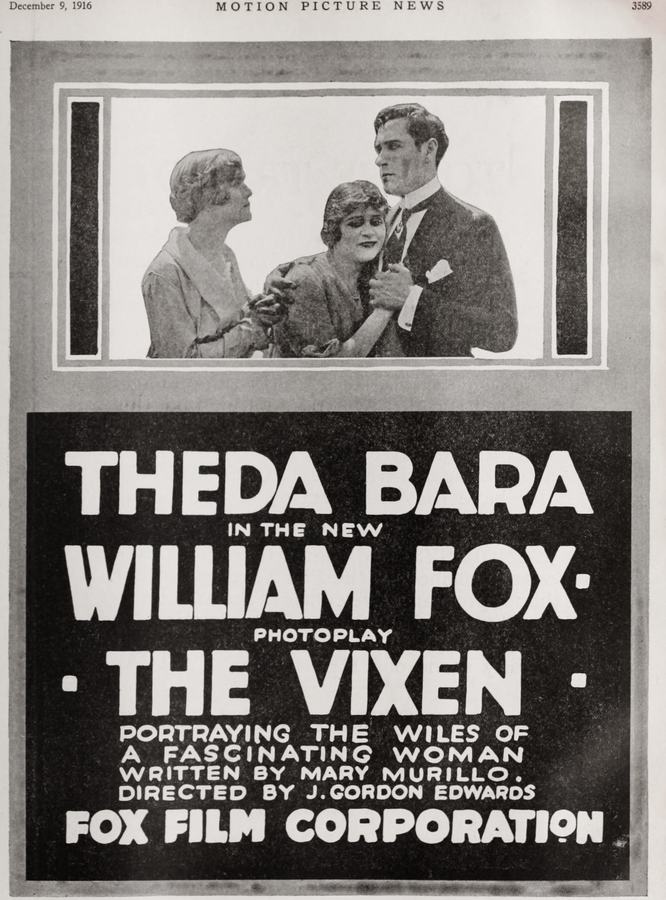
Dir: J. Gordon Edwards
Elsie Drummond, the "Vixen," a spoiled nymphomaniac, takes pleasure in wreaking havoc on her sweet sister Helen. When Helen becomes enamored of Martin Stevens, a Wall Street businessman, Elsie turns on her considerable charms and woos him away. After Charlie Drummond, Elsie's shiftless brother, steals from Stevens and causes a scandal, Stevens is ruined financially and Elsie promptly leaves him. Through deliberate manipulation, Elsie then steals Knowles Murray, a young statesman, from Helen and succeeds in marrying him. Elsie and Murray move to Paris, forcing Helen to care for their alcoholic father. Six years later, Murray is called to Washington, D.C. and Elsie, now the mother of two children, renews her acquaintance with Martin Stevens, who has regained his wealth and position. As Murray is about to catch Elsie in Stevens' arms, Helen, to protect the children, supplies Elsie with an escape and an alibi. While Elsie continues in her deceptive ways, Stevens, finally wise to the Vixen, marries Helen.
View Details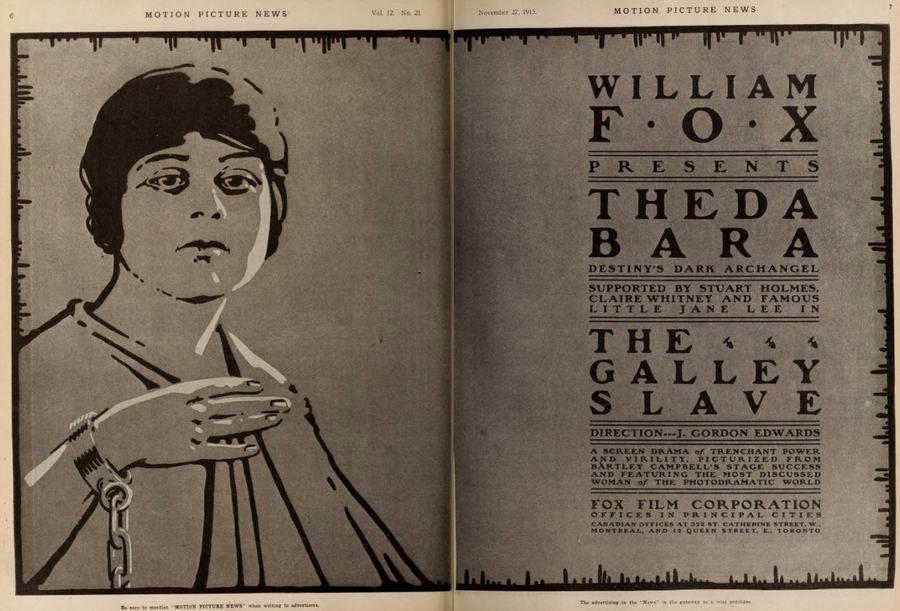
Dir: J. Gordon Edwards
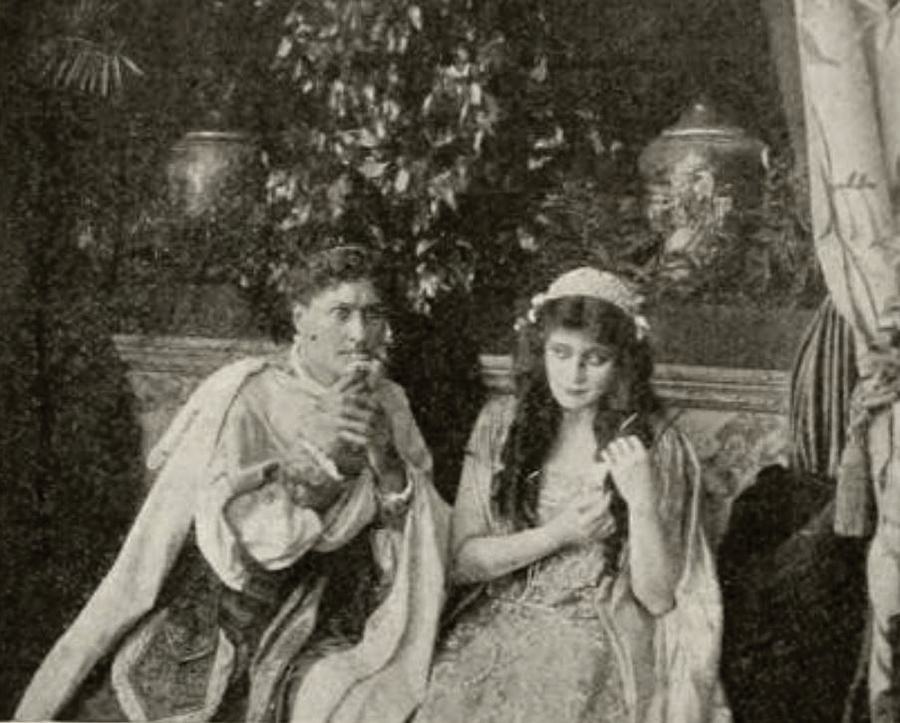
Francesca Brabaut, who married an artist against her father's advice, regrets her decision when her husband Antoine, in debt, sends her to his misanthropic uncle to plead for money. After Francesca refuses the uncle's offer to change his will if she will have sex with him, the uncle, declaring that he has misjudged women, decides to leave money to provide for Francesca and her child but dies of heart failure first. Antoine inherits a castle and title and deserts Francesca. Later, while posing in Florence for an American artist, Francesca meets the artist's sweetheart, American heiress Cecily Blaine, whose mother wants her to marry someone with a title. When Francesca learns that Antoine plans to marry Cecily, she threatens to expose him, but he convinces Cecily that Francesca and the artist are married. Cecily then consents to marry Antoine. After Francesca and the artist are sent to the galleys unjustly for theft, Antoine is exposed. When he tries to kidnap their child, Francesca shoots him, whereupon Cecily marries the artist.
Dir: J. Gordon Edwards
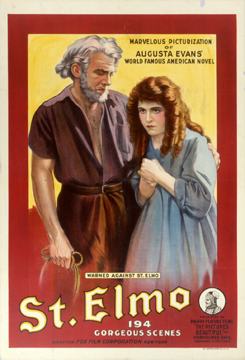
After a love triangle results death, St. Elmo falls from grace and is eventually redeemed in this now lost silent film based on the best selling novel by Augusta Jane Wilson.
View Details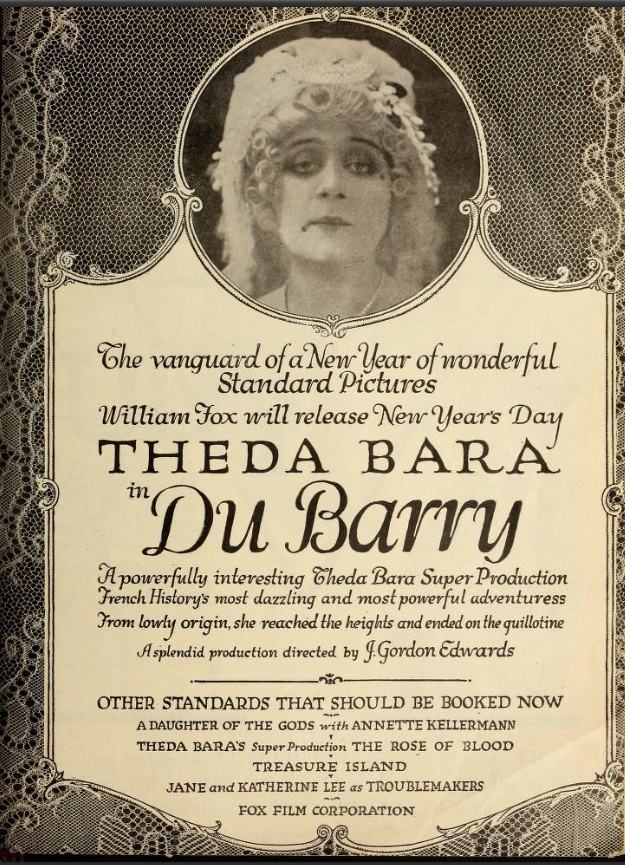
Dir: J. Gordon Edwards
Du Barry attracts the attention of the King of France as he rides through the streets. A meeting follows, she losing her garter and the King his heart. Installed at court, Du Barry holds the King's favor in spite of her love for a soldier. The King dies and Du Barry plans to wed her soldier sweetheart, but she falls a victim of the Revolution.
View DetailsAnalysis relative to The Spider and the Fly
| Film Title | Atmosphere | Complexity | Similarity |
|---|---|---|---|
| Camille | Gothic | Linear | 88% Match |
| The Darling of Paris | Gritty | Abstract | 85% Match |
| Salome | Gritty | High | 87% Match |
| Under the Yoke | Ethereal | Dense | 87% Match |
| Romeo and Juliet | Gritty | Linear | 98% Match |
This guide was algorithmically generated using the cinematic metadata of J. Gordon Edwards's archive. Last updated: 8/16/2026.
Back to The Spider and the Fly Details →