
DbcultAccessing Vault...
Recommendations
Senior Film Conservator
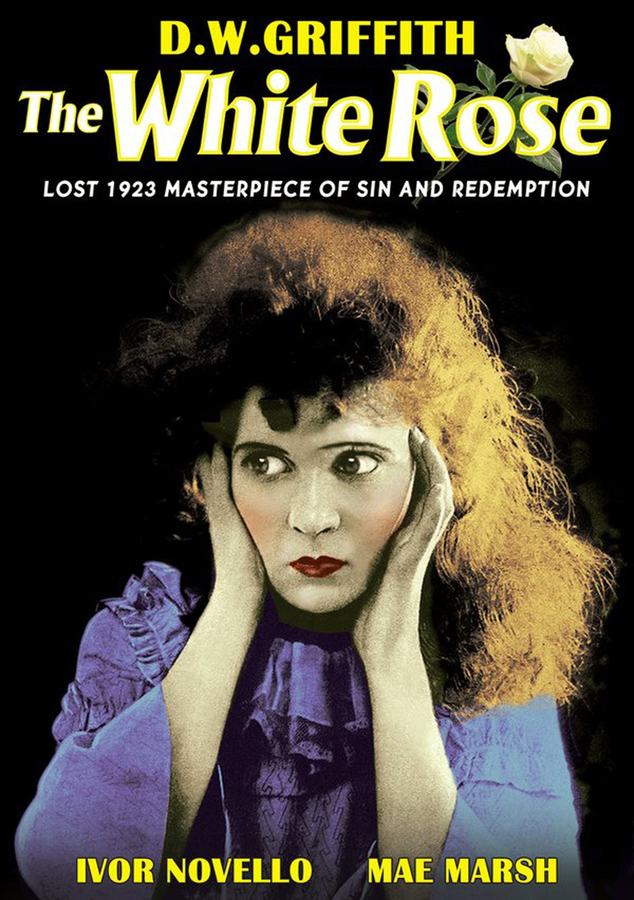
If you found yourself captivated by the emotional resonance of The White Rose (1923), the quest for comparable cinema becomes a journey through the fringes of film history. Below, we've gathered a list of films that every fan of D.W. Griffith's work should explore.
The White Rose remains a monumental achievement to create a hauntingly beautiful cinematic landscape.
Joseph, a wealthy young Southern aristocrat, graduates from a seminary; before he takes charge of his assigned parish, he decides to go out and see what "the real world" is all about. He winds up in New Orleans and becomes attracted to Bessie, a poor, unsophisticated orphan girl. One thing leads to another, and before long Bessie discovers that she is pregnant by Joseph.
The White Rose was a significant production in United States, showcasing the immense talent of Mae Marsh, Charles Emmett Mack, Mary Foy. It continues to be a top recommendation for anyone studying Drama history.
Based on the unique emotional resonance of The White Rose, our vault has identified these titles as the most compelling follow-up experiences for fans of Drama cinema:
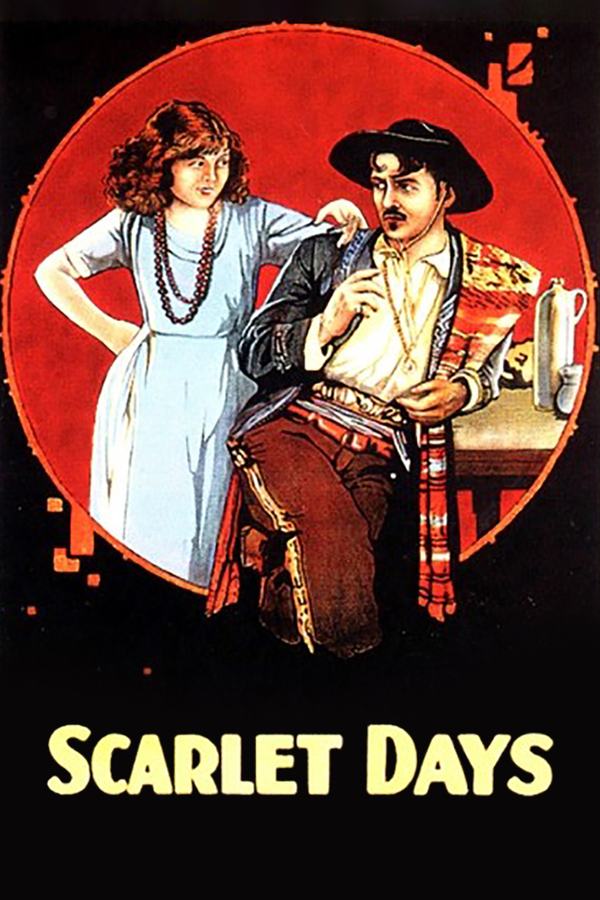
Dir: D.W. Griffith
A romantic bandit named Alvarez, wanted for raids on the mining camps of the California gold rush in 1849, is reformed by the love of a good woman.
View Details
Dir: D.W. Griffith
Four historical tales depict the ongoing human struggle against prejudice and inhumanity.
View Details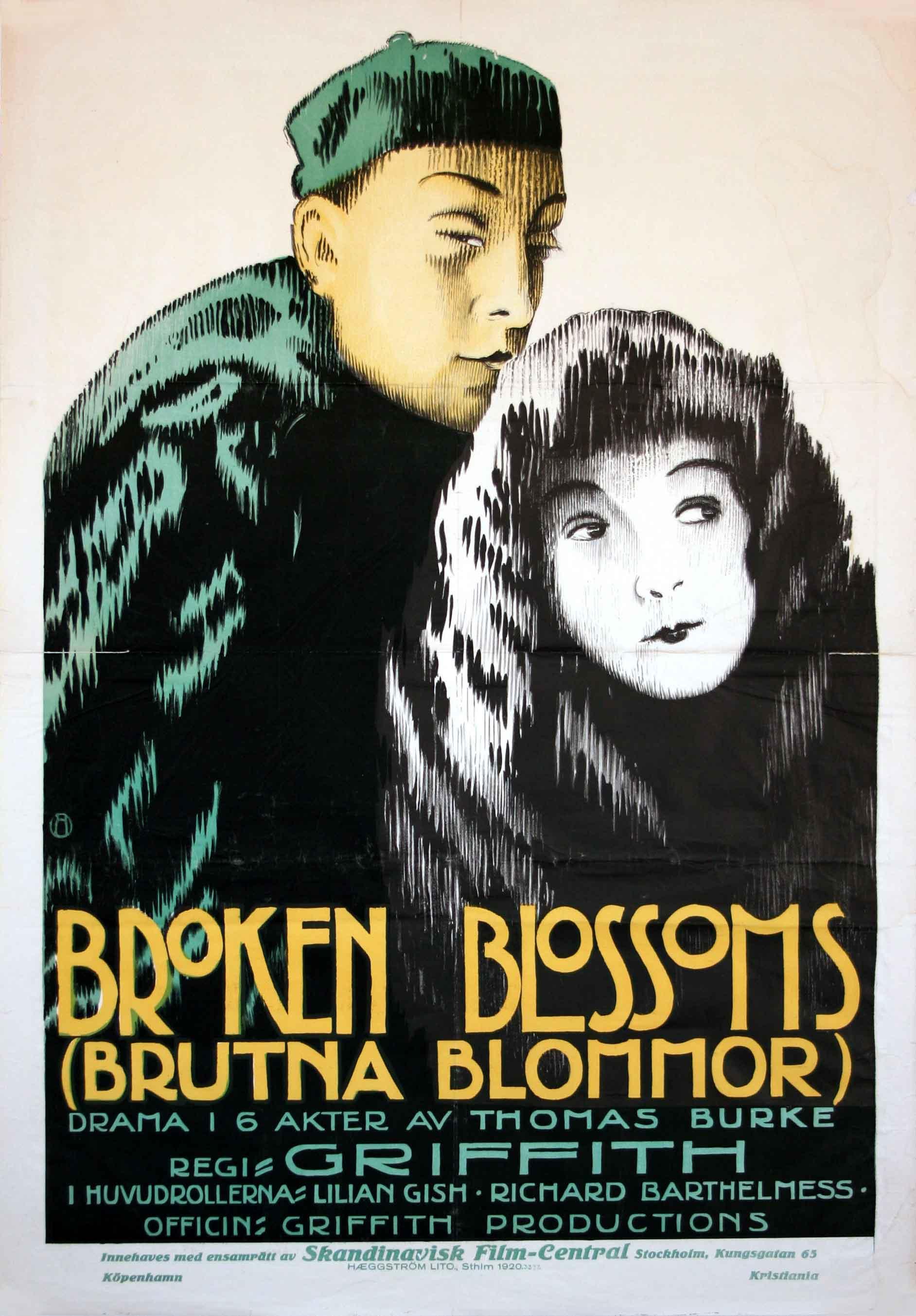
Dir: D.W. Griffith
A frail waif, abused by her brutal boxer father in London's seedy Limehouse District, is befriended by a sensitive Chinese immigrant with tragic consequences.
View Details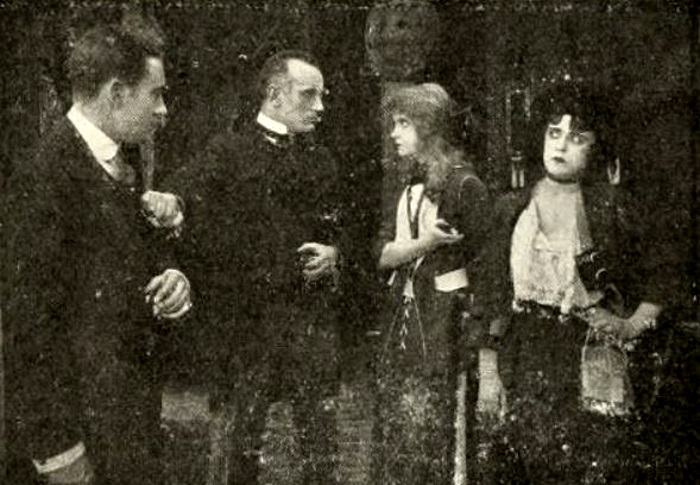
Dir: D.W. Griffith
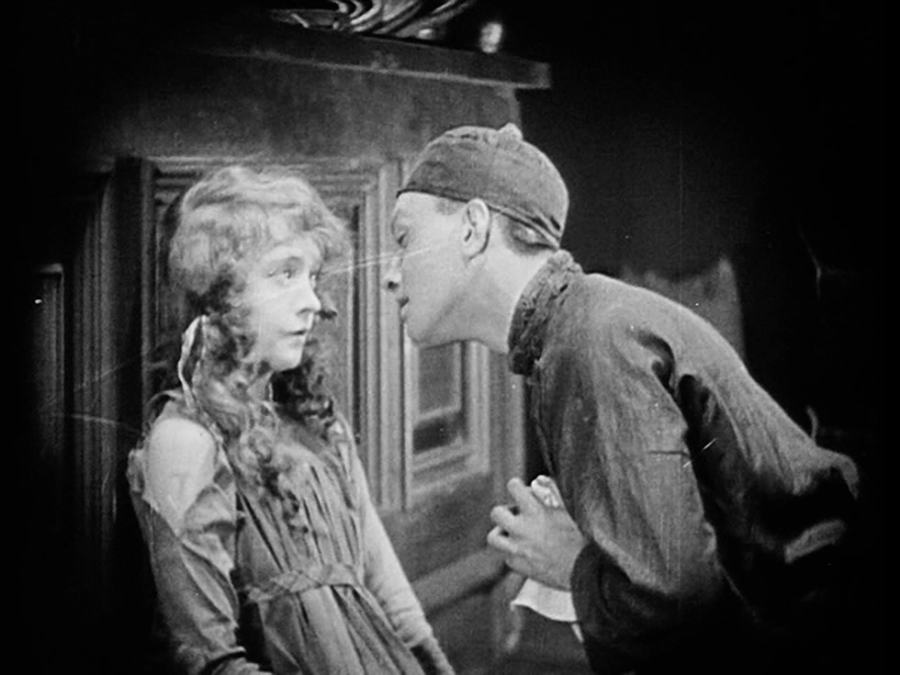
Frank Andrews is a successful businessman. He has always found pride and joy in the company of his wife, son and daughter. He suddenly finds himself enthralled by the advances of a gay young woman siren, who lives in the same apartment house as he does. So marked an influence does she have over him as time progresses that at last he quite forgets his home ties, neglects his family, and goes the way of many other men who have forgotten the meaning of paternity and blood ties. The story is advanced through many scenes enacted with the accompanying notes of New York's night life, and the denouement comes when the faithful wife discovers her husband's infidelity. At this time the mother's mind nearly loses balance, while Jane, the beautiful daughter, crazed by the grief of her mother, determines to take part in the tragedy. With revolver in hand she steals up to the apartment of the woman, but her frail nature is overcome by the temperamental anger of the woman and her mission fails. However, the errand is not fraught with failure for the father, coming in at this moment, finds his daughter being made love to by the sweetheart of the young woman, and realizes the road upon which he has traveled. When he confronts his daughter and says, "You, my daughter, what are you doing here?" The daughter answers, "My father, what are you doing here?" The realization is brought home to the father's mind that the law of moral ethics that governs a woman's life necessarily governs that of wan as well. Reformation comes in his character. He takes his daughter away with him and together they go back to their home of happiness and content.
View Details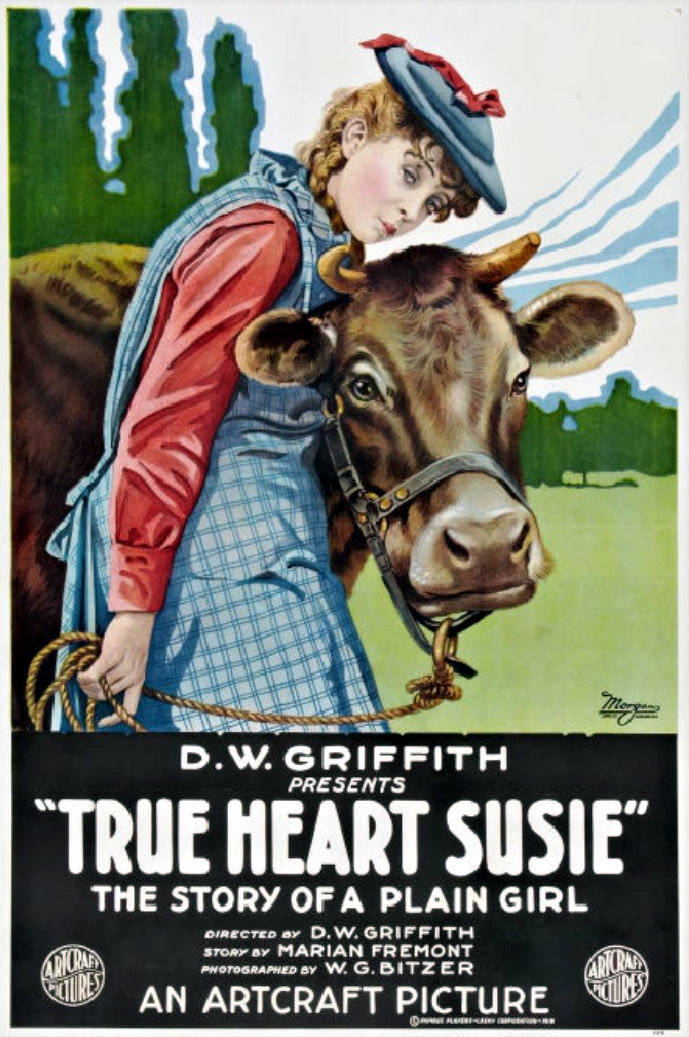
Dir: D.W. Griffith
Susie, a plain young country girl, secretly loves a neighbor boy, William. She believes in him and sacrifices much of her own happiness to promote his own ambitions, all without his knowledge. Eventually he rises to a position of success and sophistication, and Susie realizes that she has through her own efforts raised him to a level where he is inaccessible to her.
View Details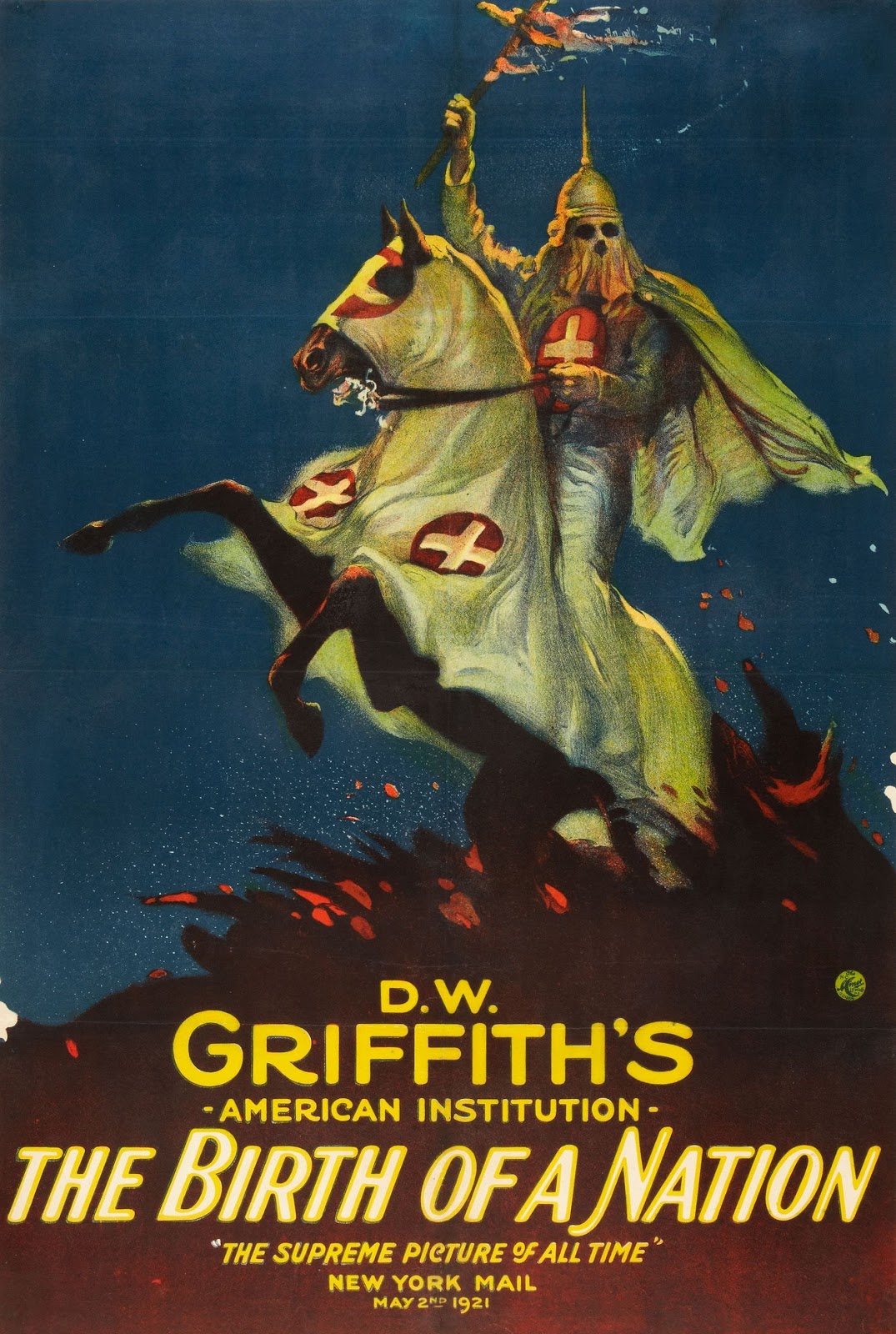
Dir: D.W. Griffith
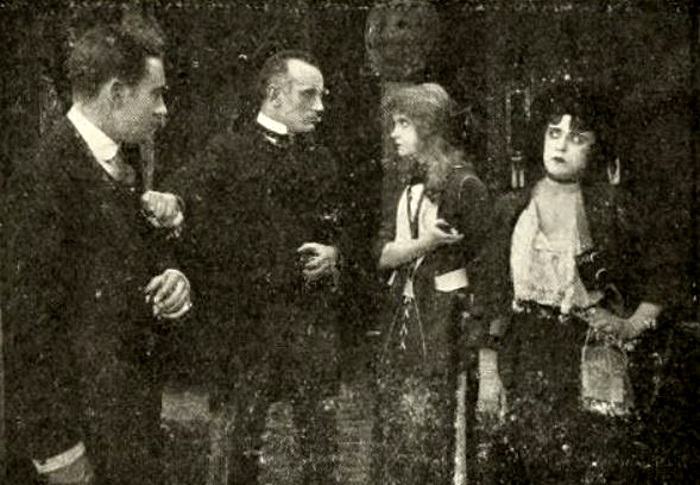
The Stoneman family finds its friendship with the Camerons affected by the Civil War, both fighting in opposite armies. The development of the war in their lives plays through to Lincoln's assassination and the birth of the Ku Klux Klan.
View Details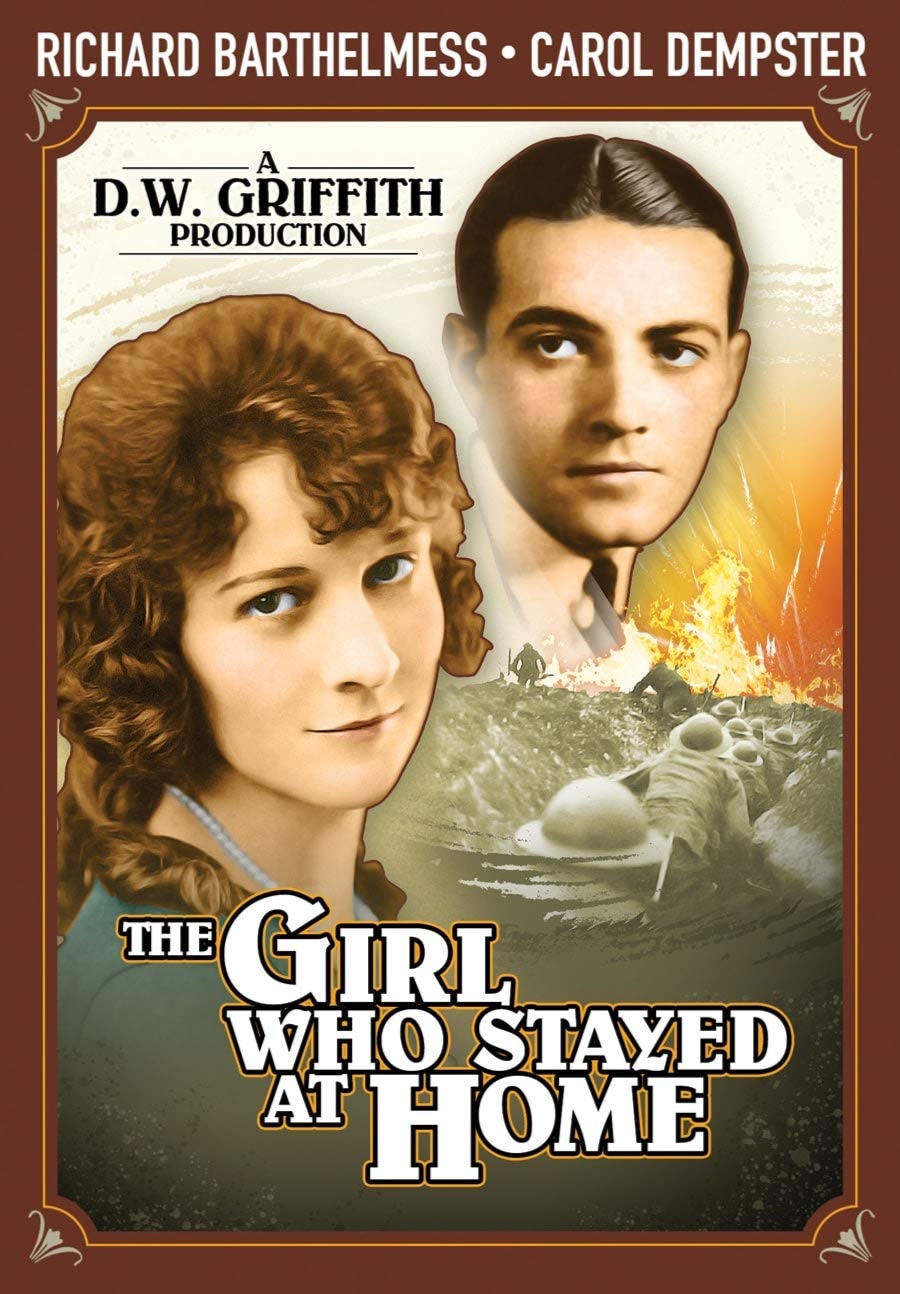
Dir: D.W. Griffith
Story of two brothers who go off to France to fight in World War I, the women who love them and an American expatriate living in France who rallies behind his former country.
View Details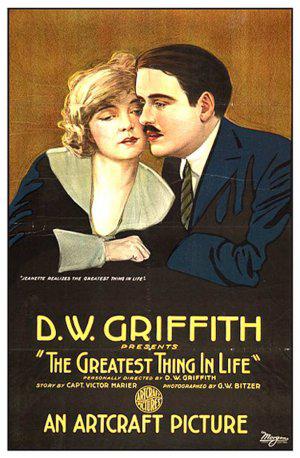
Dir: D.W. Griffith
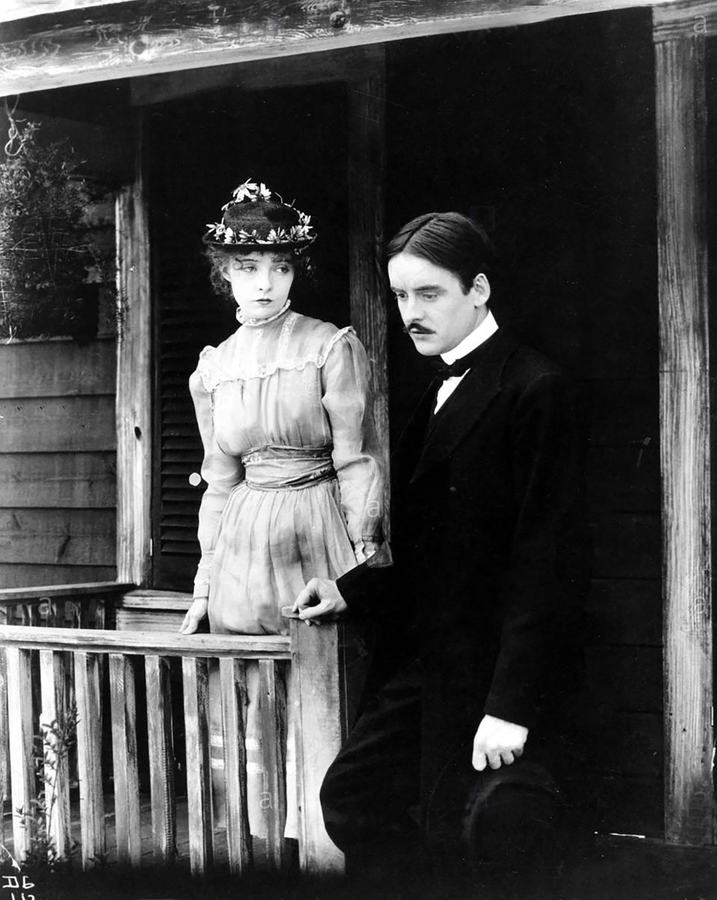
Jeannette Peret, daughter of a cigar-store owner, leaves her Greenwich Village home for France in hopes of finding there the love which eludes her at home. She becomes enamored of le Bebe, a giant of a vegetable peddler, but his unsophisticated ways disillusion her. Edward Livingston, a wealthy young man from home who had spurned Jeannette, now turns up and realizes the error of his ways. But he, too, has a great flaw, and only the outbreak of war , ironically, is able to lead Jeannette to a peaceful conclusion to her quest.
View Details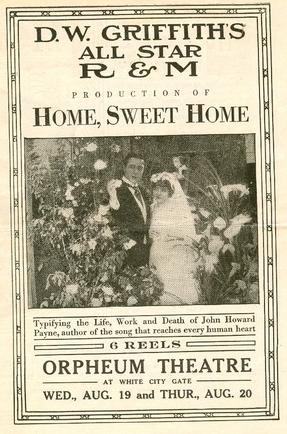
Dir: D.W. Griffith
John Howard Payne at his most miserable point in life, writes a song which becomes popular and inspires other people at some point in their lives.
View Details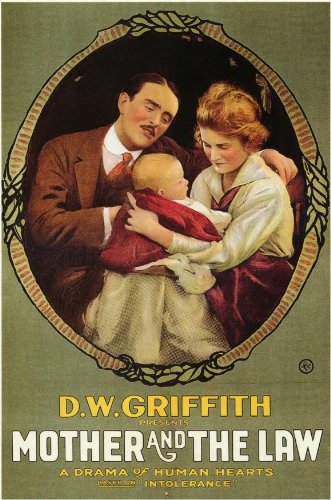
Analysis relative to The White Rose
| Film Title | Atmosphere | Complexity | Similarity |
|---|---|---|---|
| Scarlet Days | Surreal | Linear | 96% Match |
| Intolerance | Surreal | Linear | 90% Match |
| Broken Blossoms | Tense | High | 94% Match |
| The Battle of the Sexes | Ethereal | High | 93% Match |
| True Heart Susie | Surreal | High | 95% Match |
This guide was algorithmically generated using the cinematic metadata of D.W. Griffith's archive. Last updated: 8/17/2026.
Back to The White Rose Details →