
DbcultAccessing Vault...
Recommendations
Senior Film Conservator
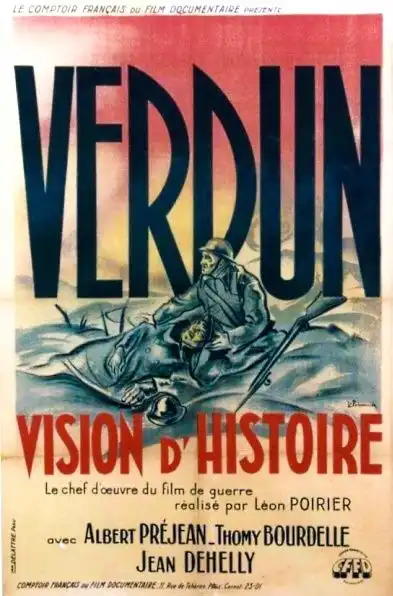
Looking back at the 1928 milestone that is Verdun: Looking at History, the specific stylistic flair of this work is a gateway to a broader History world. Our archive is rich with titles that mirror the stylistic flair of Léon Poirier.
As Léon Poirier's most celebrated work, it defines to create a dialogue between the viewer and the stylistic flair.
Dramatic re-enactment of the battle of Verdun during World War I, as seen by both French and German sides.
Verdun: Looking at History was a significant production in France, showcasing the immense talent of Jean Dehelly, Une Meusienne anonyme, Paul Amiot. It continues to be a top recommendation for anyone studying History history.
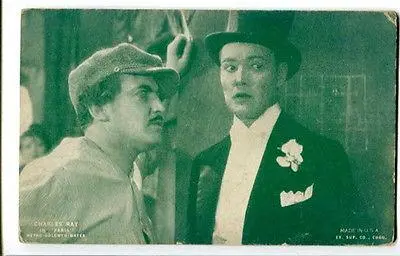
Based on the unique stylistic flair of Verdun: Looking at History, our vault has identified these titles as the most compelling follow-up experiences for fans of History cinema:
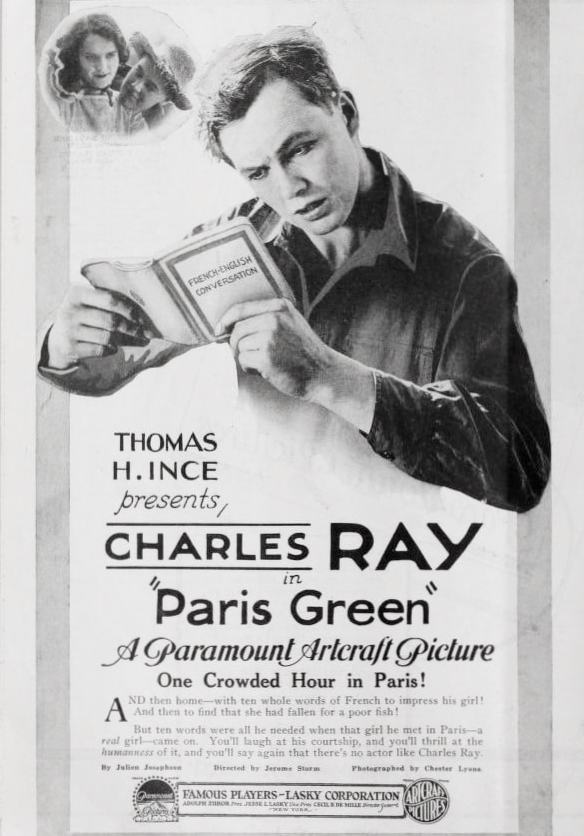
Dir: Jerome Storm
Luther Green goes to war in France in 1917. When he comes back to his family home in New Jersey, he has a surprise following him: a beautiful French girl named Nina.
View Details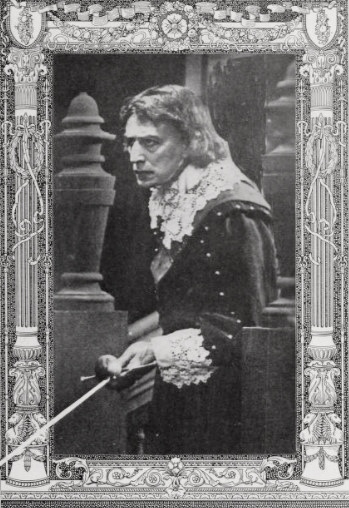
Dir: Maurice Elvey
A Royalist and his unknown son seek vengeance on his murdered wife's brothers.
View Details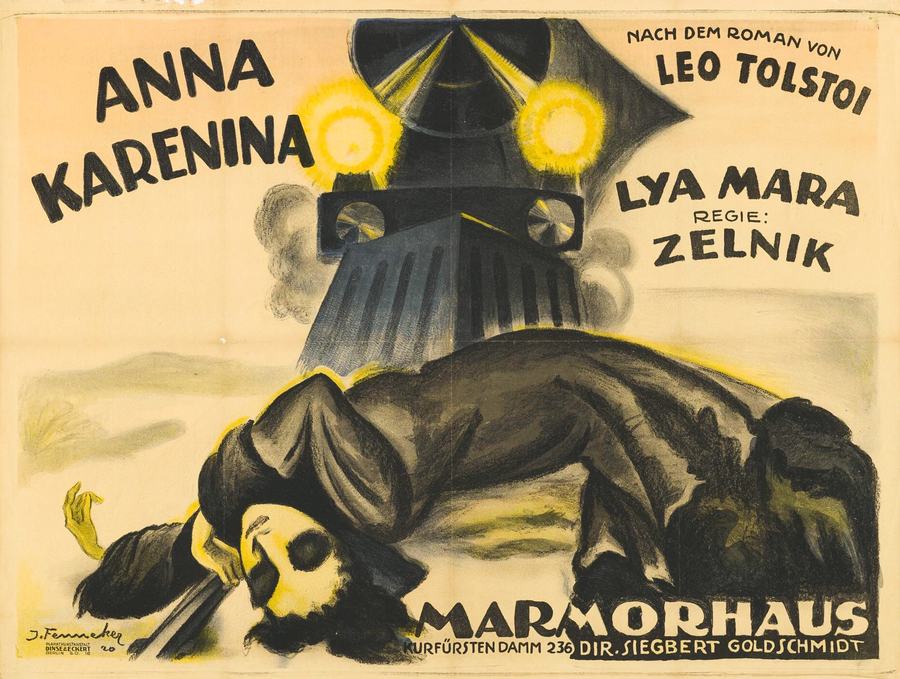
Dir: Frederic Zelnik
A fascinating piece of cinema that shares thematic elements.
View Details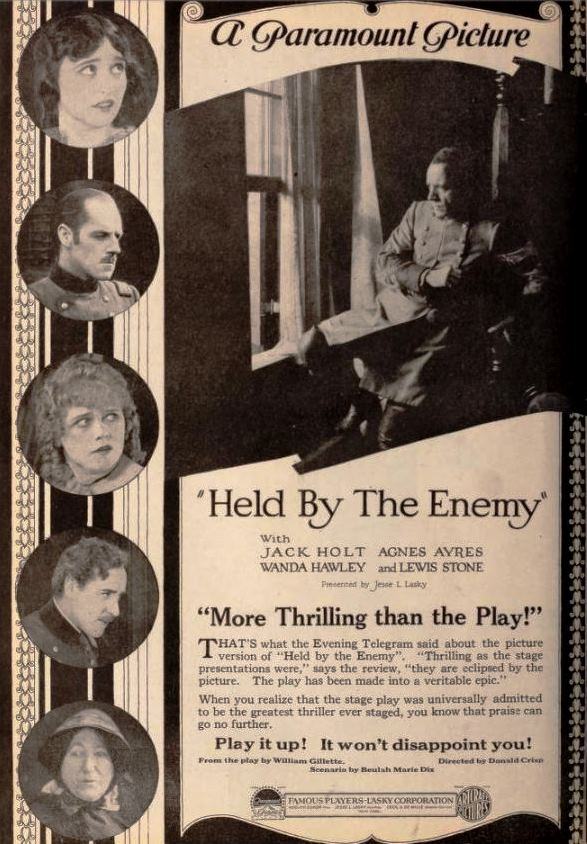
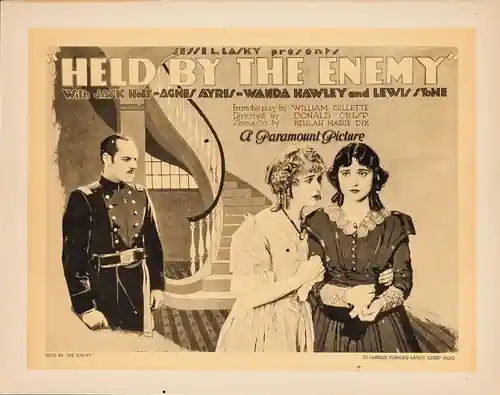
Dir: Donald Crisp
During the Civil War, young widow Rachel Hayne is among those "held by the enemy" when her old family home is within the lines occupied by the Northern troops. Protected by Colonel Prescott from looters and the unwelcome attentions of Surgeon Fielding, Rachel begins to fall in love with the gallant Yankee officer. Their romance is disrupted when Rachel's husband Gordon, long reported dead, is captured as a spy and condemned to death. When Gordon is wounded during an attempted escape, Rachel's loyalty impels her to try to save him by feigning his death. As Gordon's stretcher is carried through the hospital, Fielding demands an examination of the body, charging that Prescott is involved in a plot to smuggle the spy out of the hospital alive. General Stanton lifts the cover from the body, only to find that death has really come, freeing both Rachel and Prescott.
View Details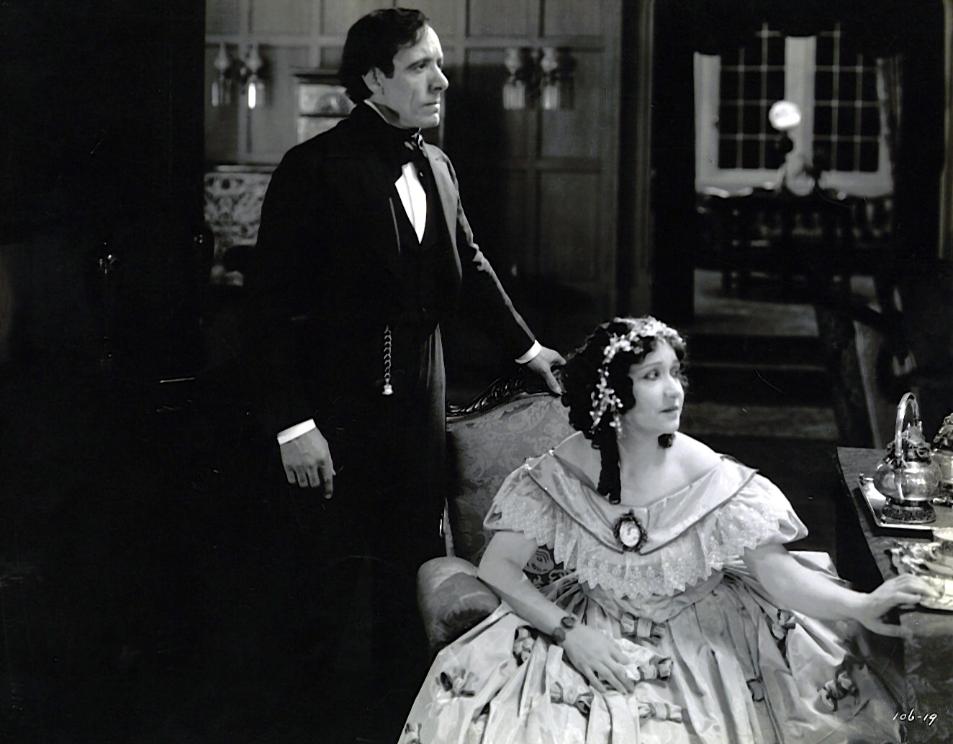
Dir: Paul Scardon
1860 ushers in the era of iron ships, Richard Sibley, a builder of wooden ships, stubbornly resists the change, which leads him to forbid the marriage of his daughter Rose to John Rhead, a proponent of the new method. This injustice outrages John's sister Gertrude so much that she breaks off her engagement to Sibley's son Sam. Meanwhile, John and Rose elope. Twenty-five years later, John has grown rich and conservative and has a daughter named Emily. Gertrude, still single, tries to help her niece Emily marry the man she loves, Arthur Preece, rather than her father's choice, old Lord Monkhurst, but Gertrude fails. Twenty-five more years pass, and John again attempts to interfere by opposing the marriage of his granddaughter Muriel to Richard Sibley, Jr., an engineer. This time, however, Muriel's independence wins and she marries the man of her choice, and after the death of Monkhurst, Emily and Preece are finally together.
View Details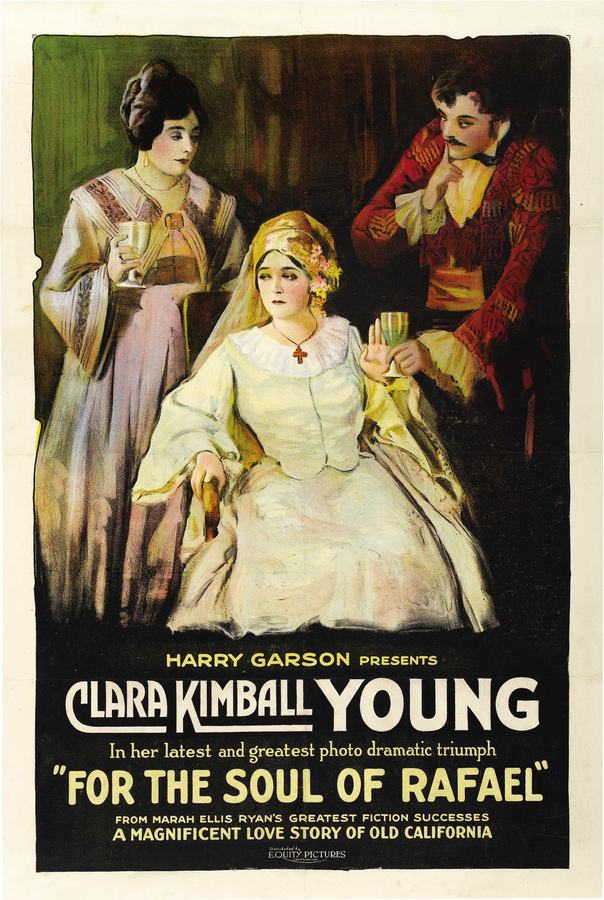
Dir: Harry Garson
Marta Estevan is ready to leave the convent where she has been reared. Dona Luisa Artega, mother of Rafael and the young girl's guardian, arranges a marriage between the two, because she thinks that Marta's influence will rescue her son from the wild life he is leading and make a man of him. Marta rescues the American Bryton, when he is attacked by Indians, and falls in love with him. Rafael's mother sends Bryton away by telling him that the girl has entered a convent for life, and after telling Marta that Bryton had been killed on the trail she exacts a vow from the girl that she will marry her son. Marta marries Rafael. Bryton comes back after the marriage and after Marta has found out the true character of her husband. The story moves on from this point to a happy ending, but with much action of tense and strenuous nature in between. - Moving Picture World, May 15, 1920.
View Details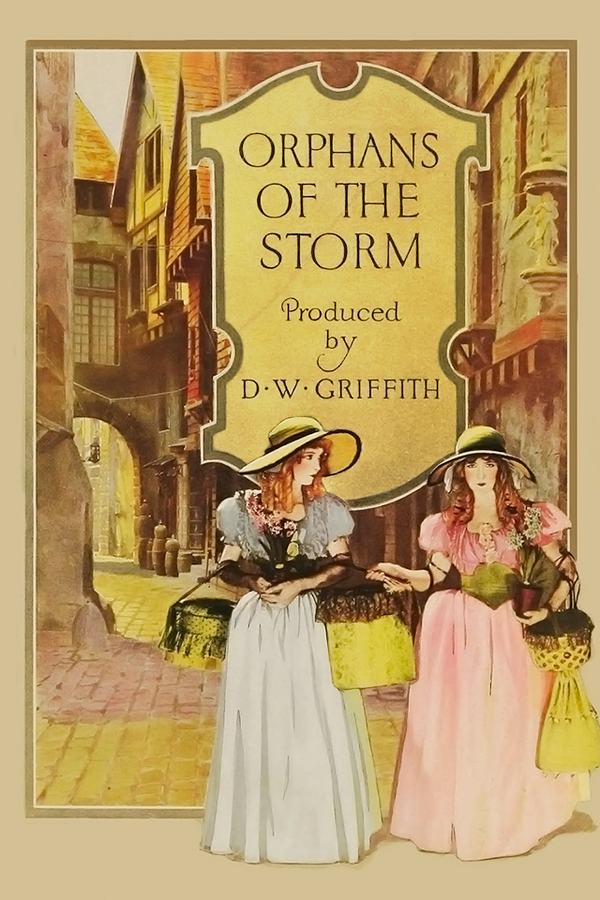
Dir: D.W. Griffith
Two orphaned sisters are caught up in the turmoil of the French Revolution, encountering misery and love along the way.
View Details
Dir: J. Gordon Edwards
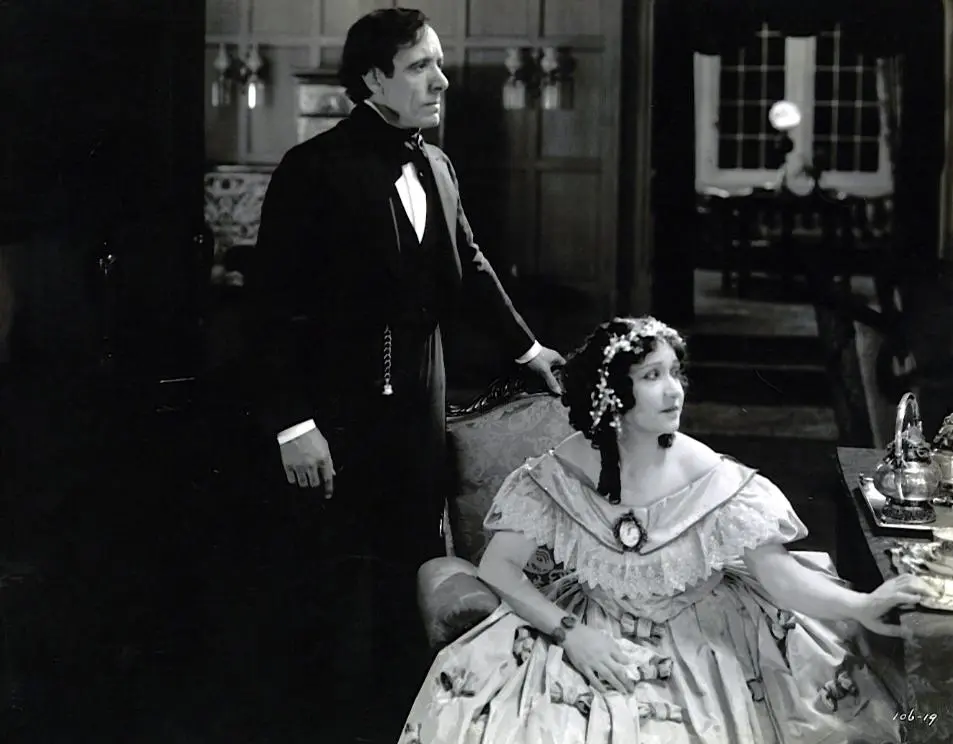
Don Caesar de Bazan, a reckless nobleman, falls for Maritana, a gypsy dancing girl. When Maritana is insulted by a drunk, Don Caesar wins her love by coming to her rescue. The two go to Madrid, where the girl is summoned to dance before the Queen. Maritana also attracts the attention of King Charles. Don Jose, the prime minister, who secretly loves the Queen, plots to get Maritana for the King. To do this, he schemes to have Maritana marry a nobleman so she can enter the King's court. Don Jose chooses Don Caesar, who has been imprisoned and sentenced to death for dueling during Holy Week. Don Caesar agrees to marry the woman selected by Don Jose. After the ceremony, his wife believes he has been pardoned, but Don Caesar is sent to a firing squad. He is saved by a youth who has removed the bullets from the rifles. Eventually, Don Caesar wins the King's approval, and he is made prime minister.
View Details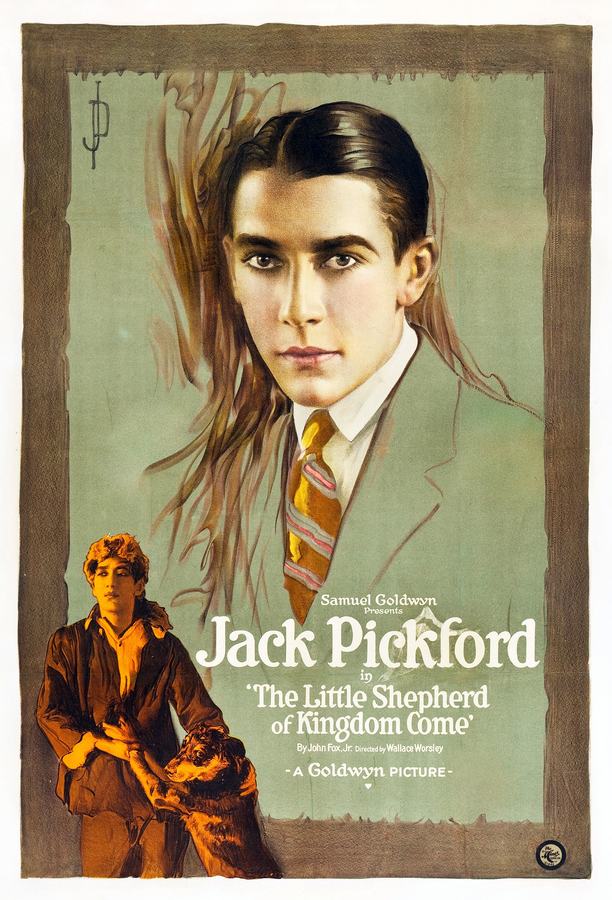
Dir: Wallace Worsley
An orphan boy from the Kentucky hills joins the Union Army and rescues his adopted family from Morgan's raiders. He learns his real identity when he returns after the war.
View Details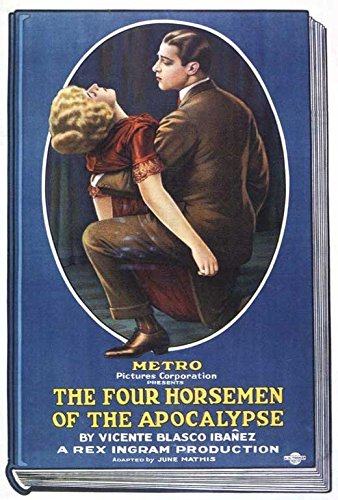
Dir: Rex Ingram
An extended family split up in France and Germany find themselves on opposing sides of the battlefield during World War I.
View DetailsAnalysis relative to Verdun: Looking at History
| Film Title | Atmosphere | Complexity | Similarity |
|---|---|---|---|
| Paris Green | Gritty | Linear | 97% Match |
| The Tavern Knight | Surreal | Layered | 96% Match |
| Anna Karenina | Surreal | High | 95% Match |
| Held by the Enemy | Tense | Layered | 98% Match |
| Milestones | Surreal | Layered | 97% Match |
This guide was algorithmically generated using the cinematic metadata of Léon Poirier's archive. Last updated: 8/17/2026.
Back to Verdun: Looking at History Details →