Summary
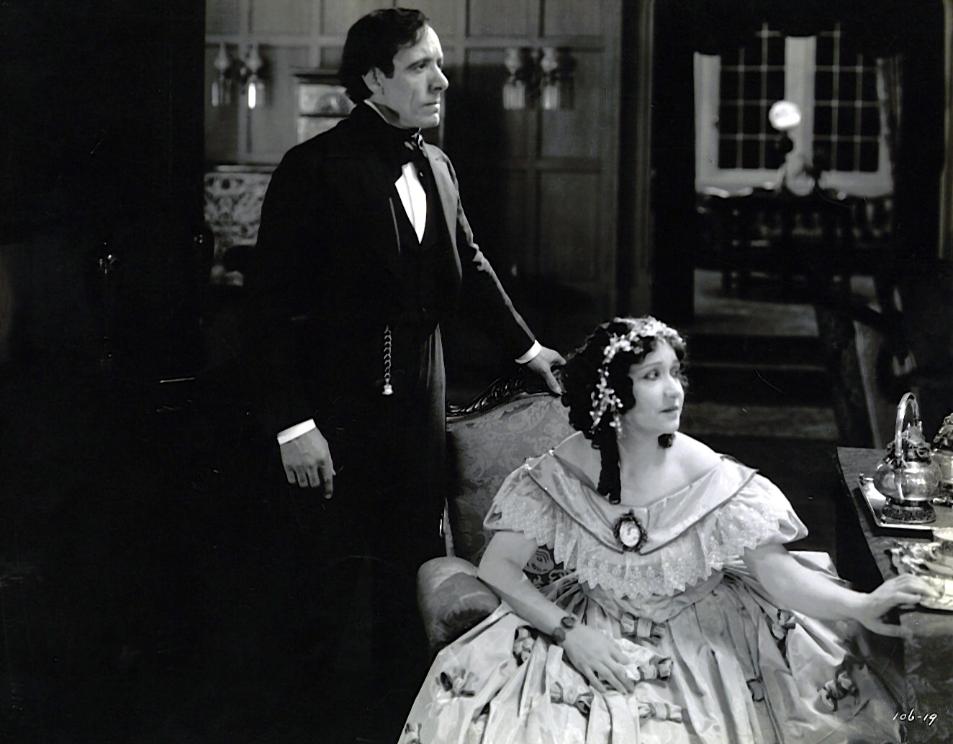
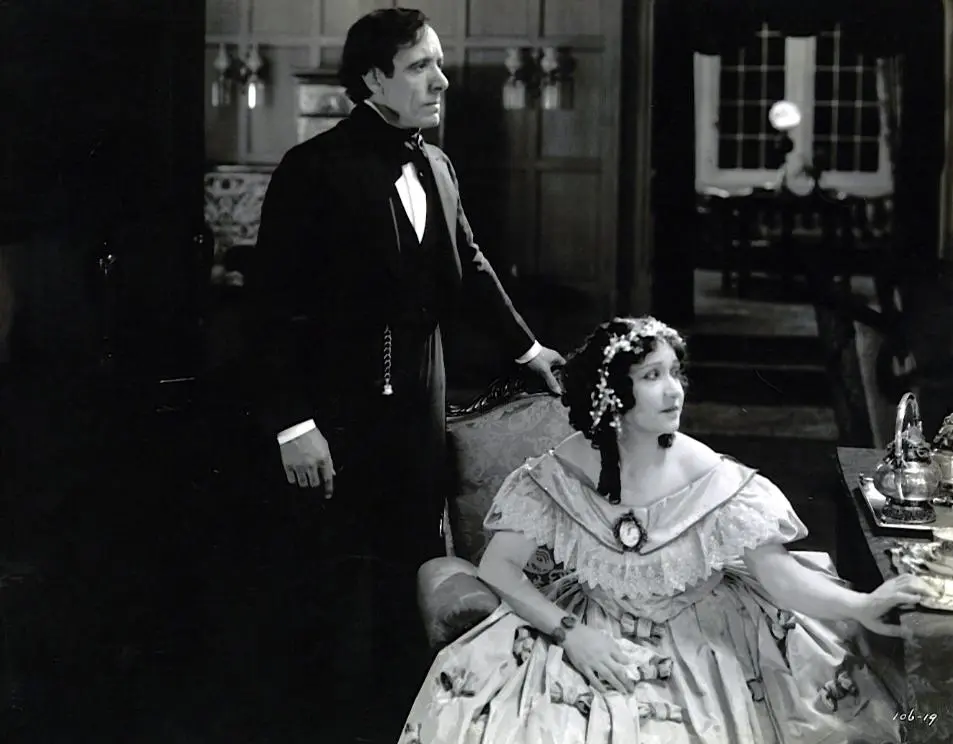
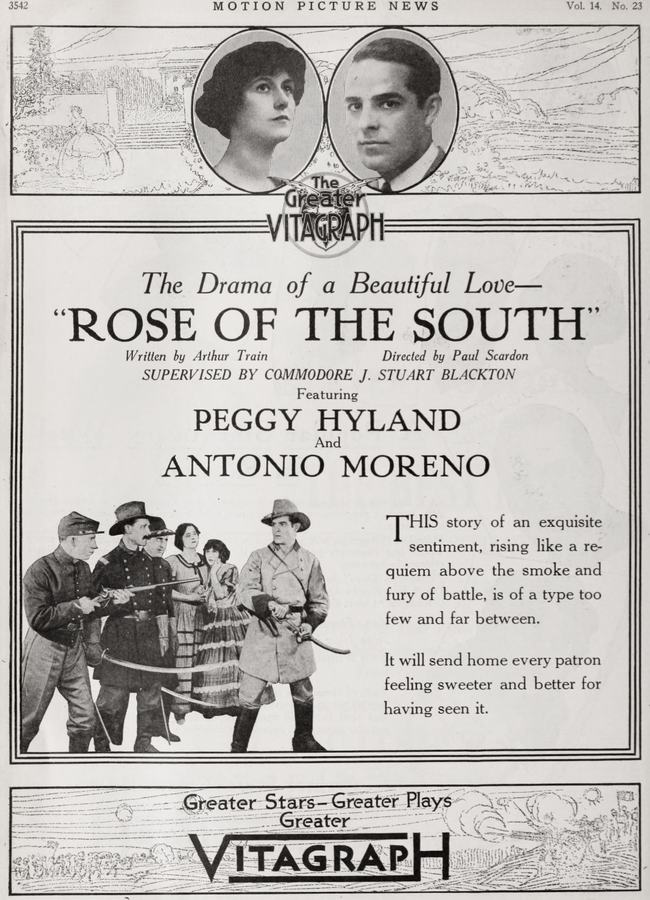
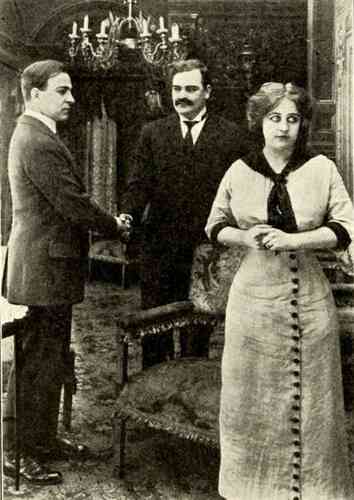
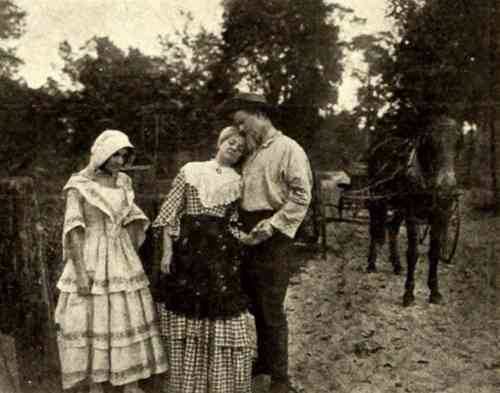
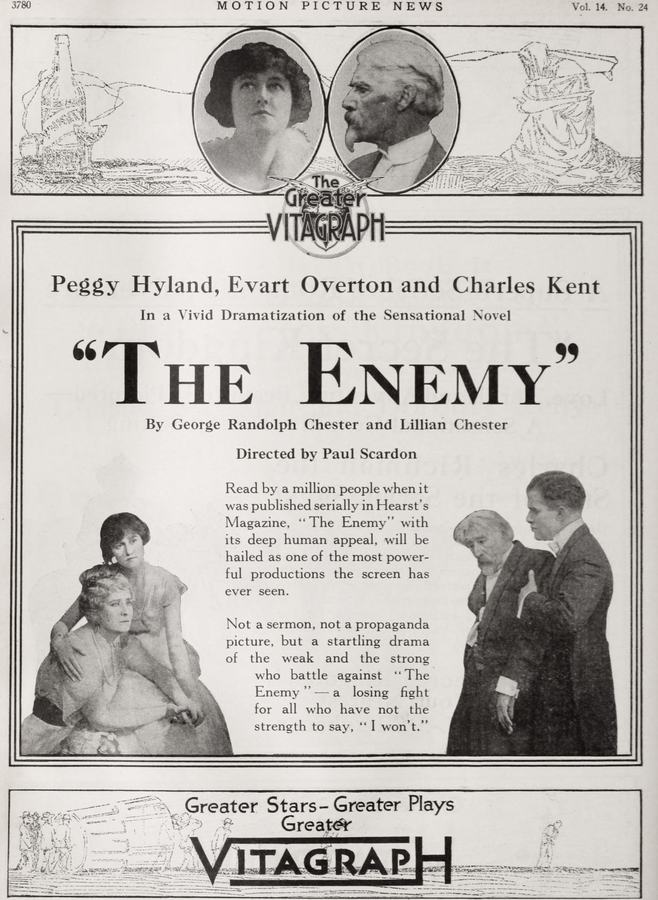
In a rust-stained New England harbour, 1860 exhales its first sooty breath: the age of riveted iron colossi has arrived, splintering the fragrant world of white-oak clippers and pitch-smeared master-craftsmen. Richard Sibley—stoic as a figurehead, voice like a caulking-mallet—commands his yard with ancestral righteousness, blind to the clang of progress echoing across the Atlantic. His beloved Rose, all salt-spray and corseted curiosity, loves John Rhead, young engineer who worships steam gauges more than constellations; the father’s prohibition detonates a chain-reaction of severed promises. Gertrude, John’s fierce lantern-eyed sister, spurns Sibley’s dutiful son Sam, flinging her engagement ring into the tide as both curse and prophecy. Lovers vanish under a blood-red dawn, leaving only the hollow thud of tradition against the future’s iron flank. Twenty-five winters glaze the scene: John, now coal-baron in frock coat, replicates the very obduracy he once fled, auctioning daughter Emily to a titled mummy while Arthur Preece, penniless idealist, gnashes his heart in silence. Gertrude, still unmarried, hair silvered like hoarfrost, stalks parlours with militant umbrella but cannot fracture her brother’s calcified will—Emily is shipped to Lord Monkhurst’s mausoleum of a manor. Another quarter-century whispers past; motor-cars hiss along cobbled lanes, and Muriel, John’s luminous granddaughter, refuses the ancestral merry-go-round. She claims Richard Sibley, Jr., modern engineer, as husband, while Monkhurst’s death finally unshackles Emily and Arthur, granting Gertrude a wry, sunset smile: the wheel, though rusted, has turned.
Synopsis
1860 ushers in the era of iron ships, Richard Sibley, a builder of wooden ships, stubbornly resists the change, which leads him to forbid the marriage of his daughter Rose to John Rhead, a proponent of the new method. This injustice outrages John's sister Gertrude so much that she breaks off her engagement to Sibley's son Sam. Meanwhile, John and Rose elope. Twenty-five years later, John has grown rich and conservative and has a daughter named Emily. Gertrude, still single, tries to help her niece Emily marry the man she loves, Arthur Preece, rather than her father's choice, old Lord Monkhurst, but Gertrude fails. Twenty-five more years pass, and John again attempts to interfere by opposing the marriage of his granddaughter Muriel to Richard Sibley, Jr., an engineer. This time, however, Muriel's independence wins and she marries the man of her choice, and after the death of Monkhurst, Emily and Preece are finally together.
Review Excerpt
"
p,blockquote,ul{margin:0 0 1.2rem;line-height:1.7}
h2{color:#C2410C;font-size:1.4rem;margin:2rem 0 .6rem;text-transform:uppercase;letter-spacing:.05em}
h3{color:#EAB308;font-size:1.1rem;margin:1.4rem 0 .4rem;font-weight:600}
a{color:#0E7490;text-decoration:none;border-bottom:1px dotted #0E7490}
a:hover{color:#fff;border-bottom-style:solid}
.trivia-box{background:#111;border-left:4px solid #C2410C;padding:1rem 1.2rem;font-style:italic;margin:1.5rem 0}
Picture the celluloid unfurling like a so..."