
Cult Cinema Deep Dive
The Celluloid Chrysalis: Unearthing the Primal Deviance and Niche Devotion of Cinema’s Earliest Genre Outliers
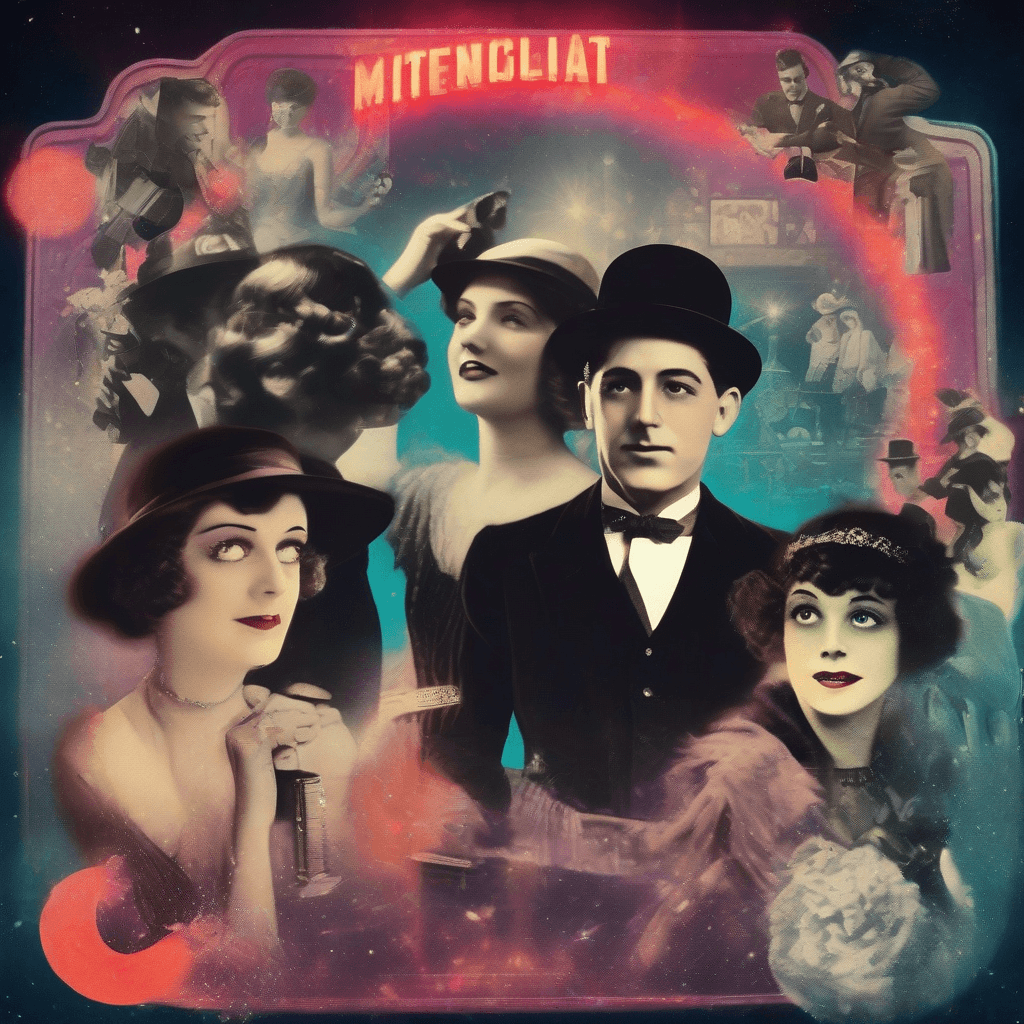
“A deep exploration into how the silent era's most daring narratives and forgotten masterpieces laid the genetic groundwork for modern cult film devotion.”
To understand the modern obsession with the 'cult classic,' one must look beyond the neon-soaked midnight screenings of the 1970s and delve into the flickering shadows of the early 20th century. Before there were 'Midnight Movies,' there were the outliers—films that defied the rigid moral structures of their time, experimented with burgeoning genres, and spoke to the disenfranchised in a language of transgressive beauty. This 'Celluloid Chrysalis' represents the formative stage of cinematic devotion, where the seeds of niche fandom were planted in the fertile, often scandalous soil of the silent era.
The Architecture of the Outcast: Social Transgression in Early Narrative
The bedrock of cult cinema has always been the celebration of the 'other.' In the early days of the medium, this was often manifested through stories of social pariahs and moral complexities that the mainstream was not yet prepared to fully embrace. Consider the raw emotional landscape of The Nightingale. In this gritty portrayal of New York’s poor districts, we see Franti, an organ grinder, and his daughter Isola. The inclusion of the notorious 'Red Galvin Gang' introduces a proto-noir element, a fascination with the criminal underworld that would eventually become a staple of cult devotion. This wasn't just entertainment; it was a reflection of the urban struggle, a narrative that resonated with those living on the fringes.
Similarly, The Girl from the Marsh Croft (Helga) challenged the era's stringent views on morality and motherhood. By centering a story on a single mother fighting for her child’s rights against a wealthy, deceitful man, the film tapped into a primal sense of justice. This theme of the individual against a corrupt or indifferent system is a recurring motif in cult cinema, from the rebellious protagonists of the 1960s to the anti-heroes of today. These early films were not merely stories; they were acts of narrative defiance.
Genre Mutations: From Bushrangers to Bumbling Detectives
Cult cinema thrives on the mutation of genre, the blending of tones that creates something entirely new and often polarizing. The early 20th century was a laboratory for these experiments. The Life and Adventures of John Vane, the Australian Bushranger brought the rugged, lawless energy of the frontier to the screen, creating a localized mythology that predates the global obsession with the outlaw. This fascination with the 'rebel' is further explored in The Beckoning Trail, where a New York playboy must reinvent himself in the harsh environment of a California mine. These narratives of transformation and survival in hostile landscapes provided the blueprint for the 'survivalist' subgenres that would later dominate cult circles.
On the opposite end of the spectrum, we find the 'weird' comedy—films like Dull Care and Pay Your Dues. In Dull Care, a bumbling detective navigates a world where even the police are afraid, while Pay Your Dues features a hero mistaken for an initiate of a 'kooky fraternal order.' These films embraced the absurd and the surreal, qualities that are essential to the 'camp' and 'trash' aesthetics that modern cult fans adore. They proved that cinema didn't always have to be 'prestige'; it could be chaotic, nonsensical, and deeply entertaining in its eccentricity.
The International Pulse: Global Roots of Niche Devotion
The 'cult' phenomenon is inherently global, and the early silent era proves that the desire for unconventional storytelling knows no borders. The Filipino masterpiece Dalagang bukid, featuring the flower vendor Angelita, is a poignant example. It contrasts traditional societal expectations—forced marriage to a wealthy old man—against the youthful idealism of a law student. This clash between the old world and the new is a universal cult theme, reflecting the anxieties of a changing society. In Italy, Assunta Spina offered a tragic, jealousy-fueled glimpse into Neapolitan life, proving that melodrama, when pushed to its emotional limits, can create a lasting, cult-like impact on its audience.
Even in Russia, films like Koroleva ekrana (The Queen of the Screen) began to deconstruct the very nature of celebrity and the cinematic medium itself. This self-reflexive quality is a hallmark of many cult classics, which often invite the audience to look behind the curtain and question the reality of the image. The international exchange of these 'fringe' narratives created a global network of cinematic rebellion long before the advent of the internet.
The Transgressive Lens: Moral Ambiguity and the Macabre
A defining characteristic of cult cinema is its willingness to go where the mainstream fears to tread. The early 1900s were surprisingly bold in their exploration of moral ambiguity. The Rack, for instance, delves into the destructive nature of infidelity and the breaking of marriages, while The Light in Darkness follows a bank cashier’s journey from prison to redemption. These weren't simple 'good vs. evil' stories; they were nuanced explorations of the human condition, often highlighting the flaws and failures of their protagonists.
The macabre and the strange also found a home in the early underground. The Silent Call, featuring the wolf-dog Flash, introduces a tension between animal instinct and human law, a theme that would later be explored in countless 'nature strikes back' cult films. Maciste contro la morte brought a Herculean sense of spectacle and danger, pushing the boundaries of what was physically possible on screen. This obsession with the extreme—whether emotional, moral, or physical—is what binds the 'cult' audience together. They are the seekers of the intense, the admirers of the 'too much.'
The Ritual of the Reel: How Fandom Was Forged
The devotion associated with cult cinema isn't just about the films themselves; it’s about the ritual of viewing. In the early days, this ritual was formed in the nickelodeons and the small, independent theaters that screened films like The Bishop's Emeralds or The Chocolate Soldier. These were spaces where audiences could escape the mundane and enter a world of high-stakes drama and exotic locations. The communal experience of watching a film like Tom Mix in Arabia, with its dashing horsemen and wildcat-roping action, fostered a sense of shared excitement and discovery.
This shared discovery is the essence of cult fandom. It’s the feeling of having found a 'secret' that the rest of the world has missed. Whether it was the comedic misadventures of The Bride-to-Be or the dramatic tension of The Tidal Wave, these films allowed audiences to form personal connections with the medium. They weren't just consumers; they were participants in a new, radical form of storytelling.
Legacy of the Unseen: Why These Early Misfits Matter
Why do we still look back at films like Beulah, His Father's Son, or Sunshine and Gold? Because they represent the raw, unpolished potential of cinema. They were made at a time when the 'rules' of filmmaking were still being written, and as a result, they possess a vitality and a willingness to take risks that is often missing from modern blockbusters. They are the 'genetic blueprint' for the cult cinema we love today.
The 'Celluloid Chrysalis' was a period of intense creativity and subversion. Films like Hashimura Togo, which dealt with international disgrace and redemption, or Strictly Confidential, with its tangled web of aristocratic relationships, showed that cinema could be a complex mirror of society. They paved the way for the transgressive, the weird, and the wonderful. By unearthing these early genre outliers, we gain a deeper appreciation for the enduring power of cult cinema and the maverick spirit that continues to drive it forward.
In conclusion, the 'cult' was never a modern invention. It was born in the flickering light of the first projectors, in the hearts of those who sought something different, something daring, and something uniquely their own. From the Neapolitan streets of Assunta Spina to the dusty trails of The Silent Call, the legacy of the cinematic misfit is as old as the medium itself. We are merely the latest generation of disciples, continuing a tradition of devotion that began over a century ago in the dark, crowded rooms of the early underground.
Community
Comments
Log in to comment.
Loading comments…