
Cult Cinema
The Celluloid Counter-Culture: Tracing the Genetic Rebellion of the Silent Era’s Original Misfits
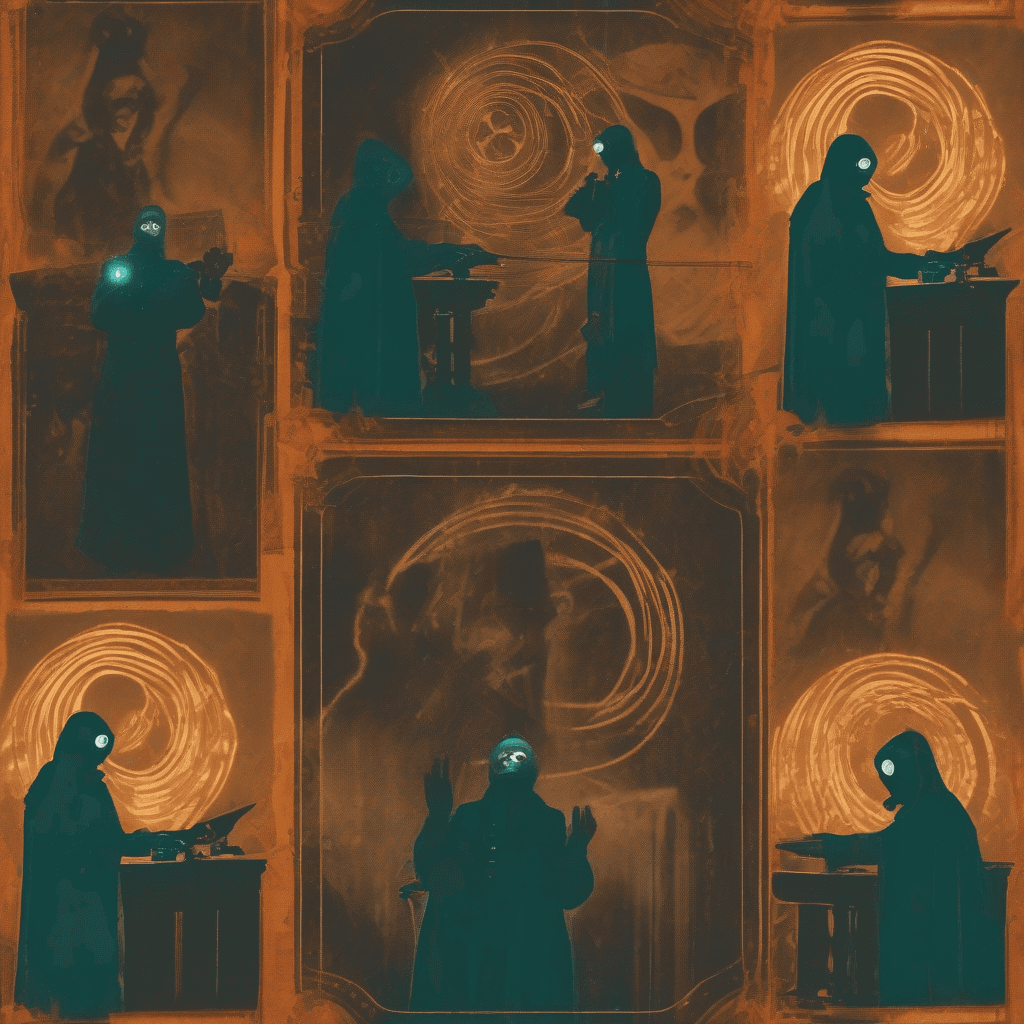
“Explore how the early 20th century's most bizarre and transgressive films laid the groundwork for today's cult cinema obsession through a deep dive into the silent era's forgotten outliers.”
The history of cinema is often told through the lens of the victors—the blockbusters, the Oscar winners, and the studio darlings that defined mainstream sensibilities. However, beneath the polished surface of Hollywood’s golden age lies a darker, more eccentric undercurrent. This is the realm of cult cinema, a space where failure is often more interesting than success and where the bizarre is celebrated over the mundane. While many associate the birth of the cult film with the midnight movie craze of the 1970s, the true genetic markers of cinematic rebellion were forged much earlier, in the flickering, grainy frames of the 1910s and 1920s.
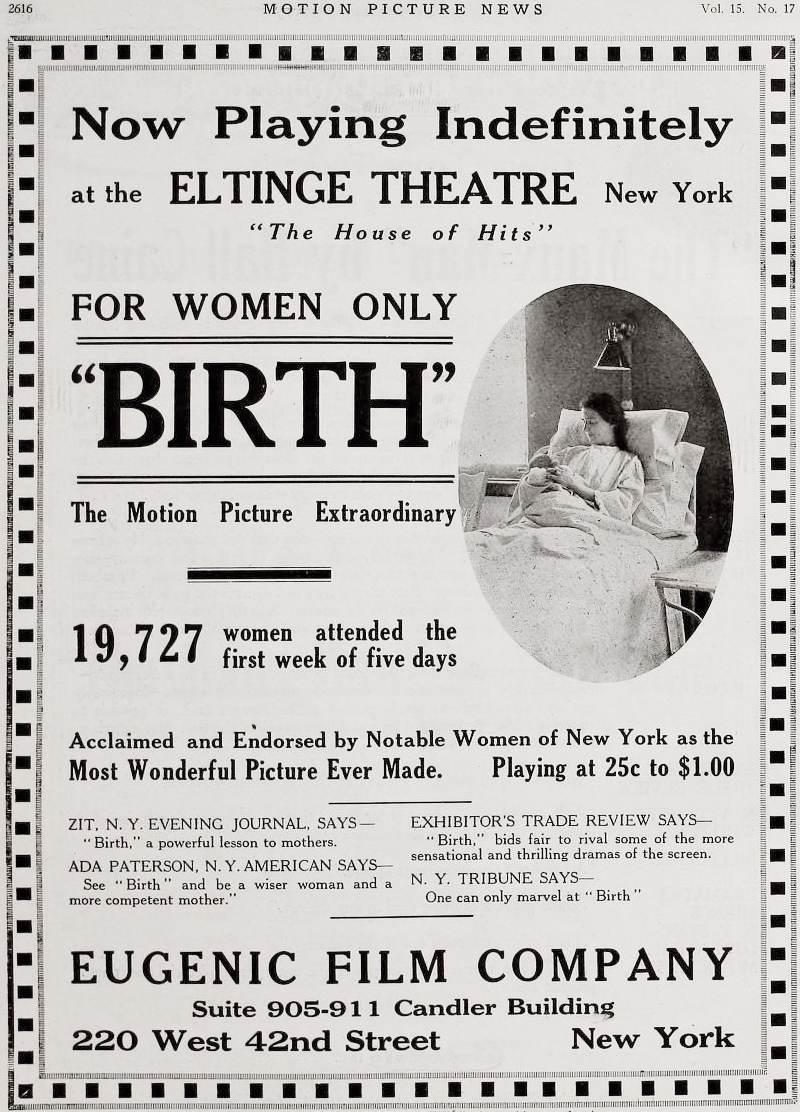
The Metaphysical Genesis: Occultism and the Silent Macabre
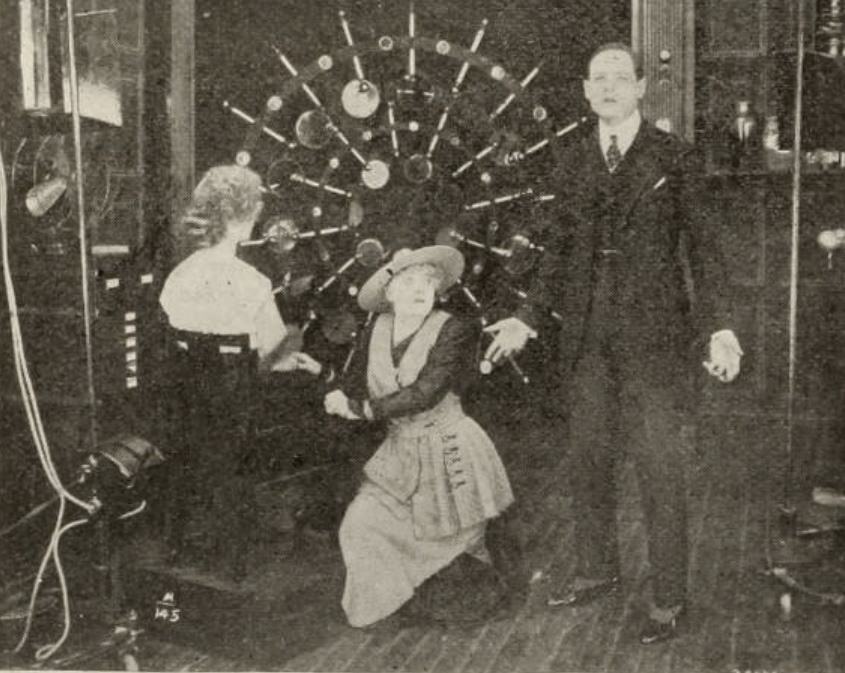
One cannot discuss the roots of niche devotion without acknowledging the sheer weirdness of early serials. Take, for instance, The Mysteries of Myra (1916). Long before modern horror explored the depths of the supernatural, this film presented audiences with a protagonist plagued by the "Black Order," a secret organization utilizing metaphysical assaults and curses. This narrative of a high-society woman battling occult forces provided a blueprint for the "secret society" tropes that would later define cult classics. It wasn't just entertainment; it was a visual manifesto of the uncanny.
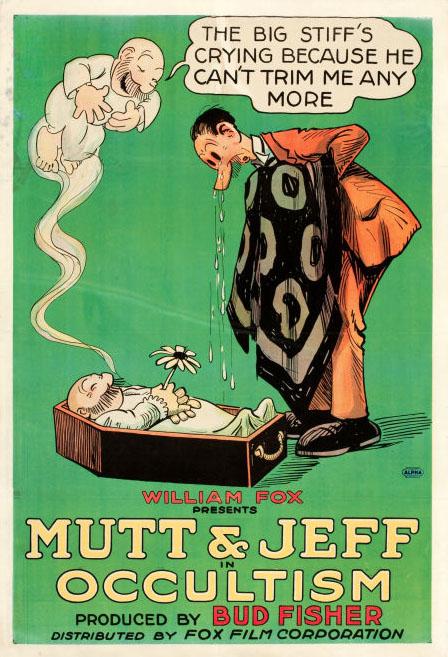
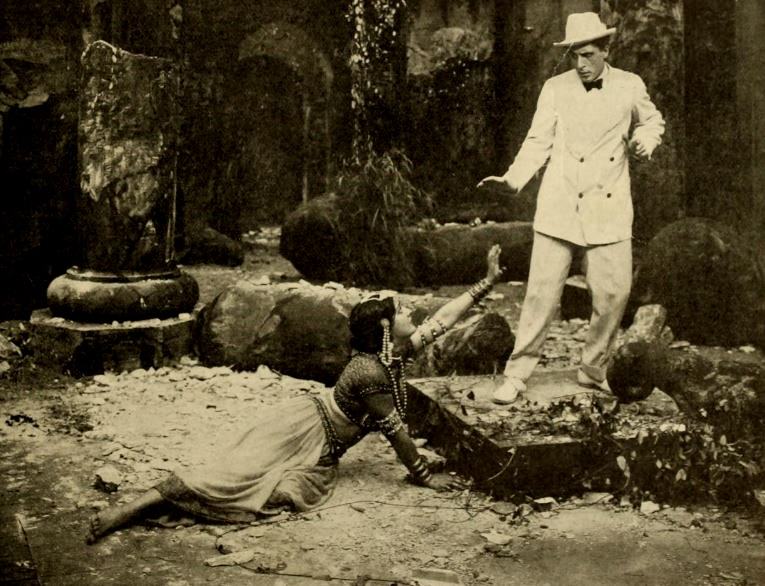
Similarly, The Reincarnation of Karma took viewers into the spiritual ether, exploring the resistance of a High Priest against a fascinating enchantress. These films weren't merely stories; they were experiences that demanded a specific kind of attention—a precursor to the obsessive fandom that now populates internet forums. They tapped into a primal curiosity about the unknown, a theme that resonates through the ages from the silent era to the neon-soaked fringes of today.
Social Deviance and the Rebellion of the Domestic
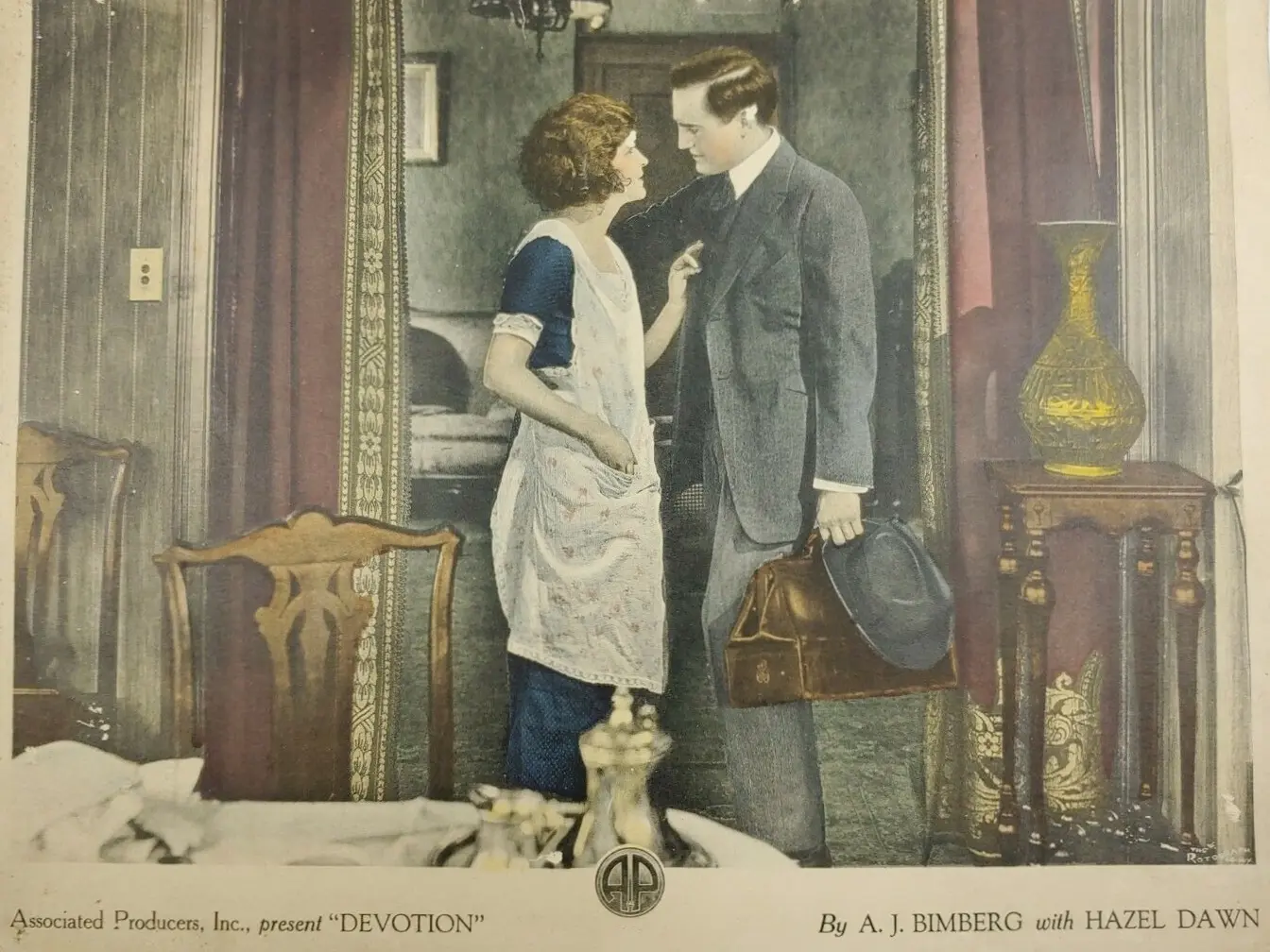
Cult cinema has always been a refuge for the socially disenfranchised. In the early 20th century, this rebellion often manifested in films that challenged the rigid structures of the time. Bondwomen (1915) is a prime example, featuring a protagonist who rebels against a husband who believes women are incapable of handling finances. This early flicker of feminist defiance, labeled as a "rebellion of American women," laid the groundwork for the transgressive social commentaries of later cult directors.
The era also gave us Parasites of Life and The Liar (1918), films that delved into the sordid side of Broadway nightlife and the moral complexities of ambition. These were not the sanitized morality plays the censors desired; they were gritty, uncomfortable, and deeply human. They spoke to the misfit soul, providing a mirror for those who felt out of step with the burgeoning industrial society. In A Little Brother of the Rich (1919), we see the tension between small-town Indiana values and the corrupting influence of the elite, a narrative arc that continues to fuel the "outsider" ethos of modern independent film.
The Surreal and the Subversive: Early Animation and Shorts
The short-form format of the silent era allowed for a level of experimentation that feature films often shied away from. Noah Put the Cat Out and The Fable of Fearless Fido were not just cartoons; they were surrealist experiments in movement and humor. These animations, alongside shorts like Kids and Kidlets—where a child trades a doll for a baby—exhibited a casual absurdity that would eventually evolve into the "weird for weird's sake" aesthetic of the underground film movement.
Perhaps most striking is Outwitting the Hun (1918), where a child’s dream brings toy soldiers to life to engage in warfare. This blending of childhood innocence with the grim reality of the Great War created a cognitive dissonance that is a hallmark of the cult experience. It is in these moments of visual anarchy that the "midnight mindset" was truly born—a willingness to embrace the illogical and the jarring.
Identity and the Masquerade: The Art of the Swap
A recurring motif in the films that have achieved a posthumous cult-like status is the concept of the identity swap. The Prince and the Pauper and The Purple Mask (1916) utilized the trope of exchanged lives to explore class, power, and the performative nature of the self. In *The Purple Mask*, Patricia Montez navigates the American colony of Paris with a secret mission to aid the suffering poor, embodying the "masked vigilante" archetype that would later dominate both cult and mainstream culture.
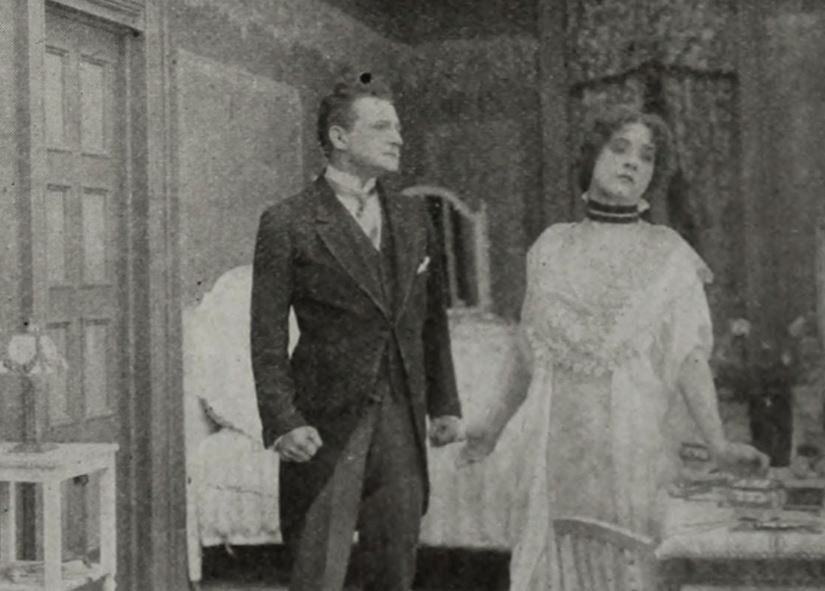
These films invited the audience to imagine a world where one could shed their skin and become someone else—a powerful fantasy for the disenfranchised. This theme of metamorphosis is central to the cult film’s appeal. Whether it’s a cab driver becoming a Millionaire for a Day or a schoolboy staging a version of Edgar's Hamlet that the town has never seen, the early cinema of the outlier was obsessed with the idea of breaking free from the shackles of destiny.
The Global Fringe: Exoticism and the Other
The early 20th century was also a time of intense, often problematic, fascination with the "other." Films like Less Than the Dust (1916) and God's Law and Man's (1917) transported audiences to India, telling stories of abandoned English girls raised by swordmakers or doctors saving young girls from temple sacrifices. While these narratives were products of their colonial time, they also introduced a sense of exotic mysticism that became a staple of the cult aesthetic.
This fascination with the foreign and the "forbidden" rituals of other cultures created a sense of cinematic tourism that appealed to those looking for something beyond their mundane lives. The "cult of the exotic" would later evolve into the genre-bending world cinema obsessions of the 1960s and 70s. These early films, with their lush (if sometimes inaccurate) depictions of distant lands, were the first steps toward a globalized underground.
The Unconventional Hero: Animals and Outcasts
Before Lassie or Benji, there was Your Obedient Servant (1917), the story of a beautiful horse named Beauty who survives cruel adventures after his master is left for dead in the Civil War. This focus on the non-human protagonist as a sentient, suffering being was a radical departure from standard narrative structures. It forced the audience to empathize with a "misfit" of a different species, a technique that would later be used in cult classics to build sympathy for monsters and aliens.
From the miners of The Sundown Trail seeking wives in the gold rush to the "skivvy" in Doorsteps who becomes an actress and saves a playwright from an insane convict, the silent era was populated by characters on the edge of society. These were not the polished heroes of the later studio system; they were desperate, resourceful, and often morally ambiguous. They were the original renegades of the reel.
Forging the Midnight Legacy: Why These Films Endure
Why do we still look back at films like The Eternal Sin (1917) or Set Free (1918)? It is because they represent a time when the rules of cinema were still being written. In *Set Free*, a girl discovers her grandmother was a gypsy and decides to become one herself—a literal embrace of the wanderer’s life. This spirit of unbridled exploration is what defines the cult film.
The "cult" status of a film is rarely about technical perfection. Instead, it is about a specific kind of primal magnetism—an energy that radiates from a work that is unapologetically itself, no matter how strange or flawed. The silent era’s misfits, from the con-men in Get-Rich-Quick Wallingford to the orphaned Kate in The A.B.C. of Love, were the first to cast this spell. They were the anomalies that refused to be forgotten, the genre mutants that paved the way for every midnight movie that followed.
As we navigate the vast digital archives of film history, we must remember that the rebel heart of cinema was beating long before the counter-culture movements of the 1960s. It was there in the 1914 version of Lena Rivers and the reissue of Griffith’s Her Condoned Sin. It was there in the Australian documentary A Journey Through Filmland, capturing the burgeoning mythos of Hollywood itself. These films are the sacred texts of the cinematic underground, the original blueprints for a century of obsession.
Conclusion: The Eternal Flicker of the Fringe
The journey from a 1910s nickelodeon to a modern cult screening is a direct line of descent. The same impulse that led audiences to marvel at the metaphysical assaults in *The Mysteries of Myra* drives today’s fans to seek out the strange and the transgressive. We are all, in a sense, pilgrims of the night, searching for that one film that speaks to our inner misfit.
In the end, cult cinema is more than just a category; it is a sacrament of the strange. It is a reminder that even in the earliest days of the medium, there were those who dared to look away from the mainstream and into the shadows. By unearthing these silent-era relics, we don’t just learn about film history; we reconnect with the primal, anarchic soul of the moving image itself. The celluloid counter-culture is alive and well, flickering eternally in the hearts of those who prefer the weird, the wild, and the wonderfully out of place.
Community
Comments
Log in to comment.
Loading comments…